The AI Files · The naval oil reserves, the bribes and the trials · plain reading edition
Teapot Dome: every entry
All 44 entries of the guide, grouped by period and case, each with its bottom line and its sources. This page needs no JavaScript. The interactive guide adds the story in 20 chapters, the people, the timeline, the theories, the 33 checked claims and the media.
Visual timeline
88 dated events
Story
Encyclopedia narrative chapters for Teapot Dome — naval oil reserves, Fall’s bribes, Walsh hearings, civil cancellations, and the mixed criminal docket — primary-first spine, Spec v7.
Chapter 1
Oil for the Navy
Teapot Rock, north of Casper, Wyoming, which gave the reserve its name. It no longer looks like a teapot.
The story begins with a fear about fuel. Until 1909, oil found on federal land could be claimed and bought outright under a mining law of 1872 that declared the nation’s minerals “free and open to exploration and purchase.” That year the Geological Survey warned the Interior secretary that the oil was being pumped at an alarming rate and would soon be entirely in private hands. [1] At the same moment the Navy was converting its fleet from coal to oil. Oil-burning ships had far greater range and needed no chain of coaling stations, and naval planners began to ask what would happen if the oil ran out. [2]
In September 1909 President Taft withdrew more than three million acres of oil land in California and Wyoming from private claim. Oil companies said only Congress could do that; Congress gave the president the power in 1910, and the Supreme Court upheld Taft in 1915. [1] In 1912 Taft set aside two blocks in California as Naval Petroleum Reserves No. 1, Elk Hills, and No. 2, Buena Vista. In 1915 Woodrow Wilson created No. 3 in Wyoming. All three were “held for the exclusive use or benefit of the United States Navy.” [1] See why the Navy wanted oil in the ground.
The Wyoming reserve took its name from a sandstone outcrop north of Casper that once looked like a teapot, spout and all. It no longer does. [3][2] It was small, almost 10,000 acres against more than 60,000 in California, but it was the only reserve the government owned outright. [4][1] Surveys of the day put the three reserves at about 435 million barrels, almost as much as the country had produced to that point, though experts argued about the figure. [5] See the three reserves.
The rule for the reserves was simple: keep the oil where it is. Wilson’s Navy secretary, Josephus Daniels, put it in a sentence later read on the Senate floor: “The only way to keep an oil reserve is in the ground.” [1] The danger was drainage. Oil moves underground, and private wells next to a reserve could pull oil from under government land. [1] See drainage.
Chapter 2
A law with room in it
Josephus Daniels, Woodrow Wilson’s secretary of the Navy.
In 1920 Congress passed the Mineral Leasing Act, which let the government lease drilling rights on public land and brought the naval reserves inside it so that wells could be drilled to stop drainage. [4] A second law that year, passed at the Navy’s request, told the Navy secretary to take possession of the reserves and “to conserve, develop, use, and operate the same in his discretion.” The Navy could leave the oil underground or lease it for a share of the output, called royalty oil. [1]
That word, discretion, would carry a great deal of weight. Some senators later said they had not known about the provision, which had been tucked into an appropriations bill. [1] When the leases finally reached the Supreme Court, it read the law narrowly: the 1920 act had not changed the government’s policy “to maintain a great naval petroleum reserve in the ground.” [6] But in 1921 nobody had yet said so, and a cabinet officer who wanted the oil out of the ground could read the law as permission. See the 1920 law.
The discretion problem is not a later talking point. It is in the statute text. The Navy secretary could leave oil underground for a fleet that might someday need it, or lease it for royalty oil that filled tanks closer to where the fleet would fight. Fall’s later transfer of that discretion to Interior hangs on whether Congress meant a naval conservation tool or an open Interior leasing franchise. When the Supreme Court later cancelled the leases, it read the 1920 rider as preserving a policy of keeping a great naval petroleum reserve in the ground — not as a blank check to privatize the whole reserve overnight. That reading is a primary hinge, not a cable nickname.
Rival readings still have to hold the same objects: the Mineral Leasing Act’s drainage logic; the appropriations rider’s “conserve, develop, use, and operate” clause; the later claim by some senators that they had not noticed the rider; and the Court’s narrow construction. A theory that needs the 1920 law to be a secret oilman bill must show more than a tucked-in clause. A theory that needs the law to have authorized Fall’s full secret non-competitive leases must still face the Court’s later cancellation opinions. Keep the statute and the Court’s words ahead of memoir slogans.
Chapter 3
The 1920 convention
Warren G. Harding.
The Republican convention opened in Chicago on 8 June 1920 with two favorites, General Leonard Wood and Governor Frank Lowden. Senator Warren Harding of Ohio was a dark horse; a May poll had put him sixth. [7] Harding won on the tenth ballot. How he won is still argued over. The famous story of a deal made by party bosses “in a smoke-filled room” has itself been challenged; in 1955 the historian Wesley Bagby argued that the convention was not bossed. [7]
What follows in this chapter is **disputed**. One of the men working hardest for Harding was Jake Hamon, an Oklahoma oilman and Republican national committeeman who wanted to be secretary of the interior. [8] In March 1924 Hamon’s friend Al Jennings told the Senate that Hamon had boasted of spending $1 million on Harding’s nomination, including $250,000 to Senator Boies Penrose and $25,000 each to Will Hays and Harry Daugherty. [7] That is one man’s account of another man’s boast, and Hamon was dead by then. The Senate committee noted the “rumors” but concluded that “the evidence failed to establish the existence of such a conspiracy”; the Senate Historical Office adds that later historians have given the theory more credit. [7][5] See oil and the nomination; the theory that oil bought the nomination is weighed under Theories.
Hamon never got the job. In November 1920 he was shot by his mistress and secretary, Clara Smith Hamon, and died days later; she was acquitted on grounds of self-defense. [8] The Interior Department went instead to Albert Fall. [1]
The convention fight and the later oil story are adjacent, not identical. Oilmen were present in the smoke-filled-room folklore; one later sworn claim had an oilman boasting of spending a million dollars to nominate Harding. That boast is evidence to weigh inside the nomination claim. It is not, by itself, proof that Fall’s later Teapot and Elk Hills leases were prepaid at Chicago. Spec discipline keeps the nomination-money claim on its own spine and the lease-bribery spine on Fall’s Interior years. Collapsing them into one “oil bought the White House” sticker is how popular memory overruns the docket.
Chapter 4
Fall takes the reserves
Albert B. Fall, secretary of the interior, 1923.
Albert Fall was a New Mexico senator, a former prospector, miner, lawyer and territorial official, often seen in a black Stetson. He and Harding had become close in the Senate, where they played poker together. [1][5] Harding had asked the conservationist Gifford Pinchot for names for Interior and chose none of the five he got. Pinchot wrote of Fall: “On the record, it would have been possible to pick a worse man for Secretary of the Interior, but not altogether easy.” [1]
Fall believed in using what the land held. “I stand for opening up every resource,” he said. He wanted Alaska opened to coal, oil and timber, the Forest Service back under Interior, and the naval oil reserves under his own control. Pinchot and his allies blocked the first two. Fall got the third. [1] See Fall at Interior.
Less than a month after taking office he asked Navy Secretary Edwin Denby to hand the reserves to Interior, citing drainage. Senior naval officers protested, and Denby told them the president already backed the transfer. [1] The officers got Denby to add a paragraph requiring the Navy secretary’s approval before any lease. Fall struck it and wrote in a duty merely to consult the Navy. Assistant Navy Secretary Theodore Roosevelt Jr. carried the order to Harding, who signed it on 31 May 1921. [1][9] See the transfer.
When two officers who ran the reserves tried to block the first Elk Hills lease that summer, Fall had Denby send them away from Washington, one to South Carolina and one to the Pacific. “There will be no possibility of any further conflict with Navy officials and this department,” Fall wrote to Edward Doheny days before the signing. [1] Their replacement as liaison, Captain John Robison, had once commanded the ship on which Doheny’s son served. [1] See the officers sidelined.
Executive Order 3474 (May 31, 1921) is the transfer object. Harding moved administration of the naval reserves from Navy to Interior at Fall’s urging, with Navy Secretary Edwin Denby’s concurrence on paper. Denby’s role remains a separate claim from Fall’s payments: Denby was never charged, and no payment to him was shown. Fall’s defenders later said the move was ordinary Cabinet coordination for drainage and storage. Prosecutors and civil courts later treated the secrecy of the big leases, the absence of competitive bidding, and the cash and bonds as the taint. Hold the EO as a dated instrument; argue motive and legality without erasing Denby’s uncharged status or Fall’s later conviction.
Chapter 5
Pearl Harbor and the black bag
Edward L. Doheny in the 1920s.
Edward Doheny had known Fall since they were both prospecting in the 1880s. By 1921 his Pan American company already held a small Elk Hills lease for offset wells, won with the highest royalty bid. [1][4] In the early 1920s many military officials believed the next war would be fought in the Pacific and that Pearl Harbor was open to attack. The Navy wanted fuel stored there. [1]
In November 1921 Fall promised Doheny a lease on all the government-owned parts of Elk Hills if his company would build a fuel depot at Pearl Harbor. On 28 November Doheny handed Fall and Robison a formal proposal. [1] Two days later, on 30 November, Fall telephoned Doheny to say he was “ready to receive” a loan they had discussed for a ranch he wanted next to his own: $100,000, in cash. [1]
Doheny had his son Ned withdraw the money from his own account at a New York investment bank. Ned carried it in a small black bag on the train to Washington with a friend, handed it to Fall at his apartment and took a handwritten receipt. There was no interest, no security and no date for repayment. Fall soon went home and bought the Harris ranch. [1] See the $100,000.
The contract followed. On 25 April 1922 Doheny signed for Pan American to build the Pearl Harbor depot, paid for with royalty oil, with a “preference right” to any further Elk Hills lease. That clause was the prize: on 11 December 1922 Doheny got the whole eastern half of the reserve. [1] See the Pearl Harbor contract.
Doheny’s Pearl Harbor tank-farm contract and the preference right to Elk Hills oil are one commercial package in the record. The $100,000 cash — carried by Ned Doheny in a black bag days after the proposal — is another. Fall and Doheny called it a loan between old friends, no interest, no security. Juries later split: Fall was convicted of taking that money as a bribe; Doheny was acquitted of giving it. Encyclopedia work records both verdicts without CNN-hedge. The asked claim “did Fall take Doheny’s cash as a bribe?” has a conviction. The asked claim “did a jury find Doheny guilty of paying that bribe?” has an acquittal. Do not merge those filenames.
Chapter 6
Sinclair at Three Rivers
Harry F. Sinclair, January 1923.
On 30 December 1921 Harry Sinclair, head of Sinclair Consolidated, rode his private rail car to Fall’s Three Rivers ranch in New Mexico with his lawyer. Fall later said they talked mostly about Indian oil leases. Sinclair was plainer: “I went to Three Rivers to discuss with Senator Fall the leasing of Teapot Dome.” [1]
No other company was invited to bid. Fall signed a lease to Sinclair’s new Mammoth Oil on 7 April 1922, and Denby signed on 12 April. Instead of royalty oil, the government would take certificates it could trade for fuel, cash or storage tanks. [1] Fall locked the lease in a desk drawer and told his assistant to keep it secret; the assistant later testified that he turned other oil companies away while the Sinclair talks went on. [1] See the Teapot Dome lease.
About a month after the lease, on 8 May 1922, Sinclair gave Fall’s son-in-law, Mahlon Everhart, $198,000 in Liberty Bonds, which Everhart took straight to Fall. Soon after, Everhart collected another $35,000 in bonds and $36,000 in cash. [1] The bonds came from a company called Continental Trading, set up in a New York hotel in November 1921 by Sinclair and three other oil executives, which bought oil cheaply and resold it to their own companies. Its profits had been turned into Liberty Bonds and split four ways. [1][10] Those bonds carried serial numbers, and in time the serial numbers would lead investigators to Fall. See Continental Trading and the bonds.
Sinclair’s Mammoth Oil lease of Teapot Dome (April 1922) was made without competitive bidding. A month later, through Fall’s ranch foreman and son-in-law channels, Liberty Bonds traced to Continental Trading Company reached Fall — hundreds of thousands of dollars in the bond trail the Senate later reconstructed. Sinclair’s later contempt convictions (Congress and court) and conspiracy acquittal are separate outcomes. “You can’t convict a million dollars,” Senator Nye quipped after an acquittal; Fall’s bribery conviction still stands as the Cabinet first. Keep lease secrecy, bond delivery, contempt, and bribery on labeled rails.
Chapter 7
The secret gets out
John B. Kendrick of Wyoming, whose resolution asked whether the lease existed.
The Teapot Dome lease stayed secret for less than a week. A source inside Interior told Harry Slattery, a conservationist lawyer who had been Pinchot’s secretary, and he leaked it. A small item ran in the Washington Times on 13 April 1922, and the next day the Wall Street Journal had the story on its front page. [1] In Wyoming, Leslie Miller had seen Sinclair’s trucks heading for the reserve and alerted Senator John Kendrick, who had been told by Interior on 10 April that there was no lease. [2][4] On 15 April the Senate adopted Kendrick’s resolution asking whether the reports were true, and on 21 April the Navy and Interior confirmed it. [1] See how the lease came out.
Robert La Follette of Wisconsin told the Senate the reserves had become “private oil reserves,” and read Josephus Daniels calling the lease “outrageous and wicked.” On 29 April 1922 the Senate voted 58–0 to have its Public Lands committee investigate all the naval reserve leases. [1] Thirty-eight senators did not vote. [5]
Fall answered with paper. He sent Harding thousands of documents and a seventy-five-page defense, and Harding forwarded them to the Senate in June with a letter saying the policy “was submitted to me prior to the adoption thereof” and had “at all times had my entire approval.” [1][11] Nobody yet knew about the money. Whether Harding ever did is an open question; the record shows he approved the policy, not that he knew of the payments. [4][12] See what Harding knew.
The leak sequence matters. Wyoming Senator John Kendrick’s resolution and La Follette’s push put the leases into a Senate inquiry vote (58–0) before the public knew the cash-and-bond story. The Wall Street Journal and other papers had already carried lease news; the scandal’s later fame came when Magee’s ranch testimony and Doheny’s admission turned a policy fight into a corruption docket. Exposure order: lease publicity → inquiry authorized → Fall resigns / Harding dies → hearings → money story. Theories about a pure partisan ambush still have to place the unanimous inquiry vote and the later bond serial numbers.
Chapter 8
Walsh waits
Senator Thomas J. Walsh of Montana, who led the inquiry.
In June 1922 Thomas Walsh of Montana, its most junior Democrat, agreed to lead the inquiry, prodded by his fellow Montanan Burton Wheeler. [1][5] The hearings did not open until 23 October 1923, sixteen months after the vote. [4][1]
By then much had changed. Fall had resigned in January 1923, saying he needed time for his private business, and left in March, signing on his way out a contract giving Sinclair the right to buy Teapot Dome’s royalty oil. [1][4] Harding was dead. In September the Wall Street Journal said the outrage gave “every promise of passing away in an anti-climax.” [1]
Walsh of Montana was the committee’s junior Democrat when he took the lead in June 1922, prodded by Burton Wheeler. The hearings did not open until 23 October 1923 — sixteen months after the vote — by which time Fall had resigned (March 1923), Harding was dead (2 August 1923), and some papers expected an anticlimax. That delay is itself a primary fact. It is not proof Walsh was idle: he spent months on documents before the first public hearing. It is also not proof the inquiry was a 1924 election stunt alone; the authorization vote was in 1922. Rival theories may argue partisan timing of the public show; they do not get to delete the 58–0 vote, the document work, or the later bond trail.
When hearings finally opened, Fall testified early and geologists hired at Chairman Reed Smoot’s request argued drainage. For a few weeks the inquiry looked technical. Then Carl Magee’s ranch testimony (30 November 1923) shifted the hinge from “was the lease wise?” to “where did Fall’s money come from?” That pivot is the narrative Fit for the critical-path cover-story and confession cards. Walsh waited — and then the money walked into the hearing room.
Chapter 9
The death of a president
The Palace Hotel in San Francisco, where Harding fell ill and died, August 1923.
In the summer of 1923 Harding toured the West and Alaska with Commerce Secretary Herbert Hoover along. On the way back he fell ill and was laid up at the Palace Hotel in San Francisco from 29 July; his homeopathic physician, Charles Sawyer, blamed bad crab meat. [13][12] On the evening of 2 August a bulletin signed by five doctors said he had died “instantaneously and without warning,” probably of a stroke. Contradictory reports followed, and Florence Harding refused an autopsy. [12] See Harding’s death.
Millions turned out as the funeral train crossed the country, and more than a million people, about 200,000 of them schoolchildren, sent money for a memorial in Marion. [4][12] Modern historians conclude he died of heart disease. [12] The stories that he was poisoned, by himself or by his wife, came later and are **unproven**; the best-known version came from a convicted con man whose own co-author called it a hoax. [12] See the poison stories.
Calvin Coolidge became president. In the months before Harding’s death two men close to his administration, the attorney general’s closest friend and the Veterans Bureau’s chief counsel, had killed themselves, and the Veterans Bureau chief, Charles Forbes, had been diverting supplies from veterans’ hospitals; he later went to prison. [4][14] Teapot Dome was about to become the largest of the Harding scandals. [1] See the other scandals.
Harding’s western tour and Alaska trip with Hoover, the Palace Hotel illness, Sawyer’s crab-meat story, the five-doctor bulletin, Florence Harding’s refusal of an autopsy, and the funeral train’s crowds are the contemporaneous objects. Modern historians generally conclude heart disease. Gaston Means’s 1930 bestseller poisoning tale came from a convicted con man and remains unproven. Nan Britton’s claim of a Harding daughter was a separate personal scandal; DNA work in 2015 confirmed Britton’s daughter’s lineage claim in the public science press — still not a Teapot Dome lease fact. Keep Harding’s death theories labeled; do not let them rewrite Fall’s bribery conviction.
Chapter 10
A ranch, rebuilt
The Senate committee investigating Teapot Dome poses for newsreel cameramen, 1924.
The first month of hearings went nowhere. Fall testified first, and some papers called the inquiry a waste of time. [1] The committee even heard geologists, hired at chairman Reed Smoot’s request, say the reserves were draining fast, and Smoot said that if they were right the case against the lease “has been exploded.” [5]
Then, on 30 November 1923, a New Mexico newspaperman named Carl Magee testified that Fall had been broke in 1920 and had not paid taxes on his ranch since 1912, but that by 1922 the ranch had been rebuilt, with $40,000 in electrical work alone. Walsh produced records showing Fall had paid all his back taxes in June 1922. [1] The question was no longer whether the leases were wise. It was where Fall’s money had come from.
Fall’s Republican allies told him he had to explain. Saying he was too ill to appear, he sent a letter on 26 December: the money had come from his friend Edward McLean, publisher of the Washington Post, and he had never received “one cent” from Doheny or Sinclair “on account of any oil lease or upon any other account whatsoever.” Then he left for Palm Beach as McLean’s guest. [1][15]
Magee’s testimony that Fall had been broke, behind on taxes since 1912, and then suddenly rebuilt Three Rivers with tens of thousands in improvements, forced Fall’s allies to demand an explanation. Fall’s 26 December 1923 letter blamed publisher Edward McLean for a $100,000 loan. That letter is the cover-story object on the critical path. Walsh already doubted McLean had the cash. The letter’s later use at Fall’s bribery trial — read to the jury beside Everhart’s bond testimony — is why the ranch chapter is load-bearing, not color. If the ranch rebuild and the McLean letter fall, the confession and bribery arcs lose their setup.
Chapter 11
The story falls apart
Edward L. Doheny testifying before the Senate committee investigating the oil leases, 1924.
Walsh had learned that McLean did not have that kind of cash. He went to Florida, where McLean told him he had given Fall checks for $100,000, and that Fall had returned them uncashed. [1] Archie Roosevelt, who worked for Sinclair, testified that Sinclair had sailed for Europe asking to be kept off the passenger list, and that Sinclair’s secretary had spoken of $68,000 paid to Fall’s ranch foreman. The secretary said Roosevelt had misheard “six or eight cows.” [1] See the cover story.
On 24 January 1924 Doheny came forward himself. He told the committee that he had lent Fall $100,000 in cash, carried by his son, as a loan between old friends. The New York Times headline read: “Doheny Lent Fall $100,000 in Cash; Sent in Bag, No Interest, No Security; All for Friendship, Not Oil, He Says.” [1] Senator Thaddeus Caraway told the Senate: “Everyone in the country knows the country has been betrayed. This country knows that Albert Fall sold out.” [1]
Walsh’s Florida trip to McLean, Archie Roosevelt’s passenger-list and “six or eight cows” testimony, and Doheny’s 24 January 1924 admission that he had lent Fall $100,000 in cash, carried by his son, are the week the story broke nationally. The New York Times headline stated the cash, the bag, no interest, no security, “all for friendship, not oil.” Senator Caraway’s floor line that everyone knew the country had been betrayed is political speech — label it — sitting on top of Doheny’s own admission. Uniform evidence: Doheny’s testimony is a primary; friendship framing is his defense; Fall’s later conviction treats the cash as a bribe; Doheny’s later acquittal treats the giving count differently. Steel-man both without erasing either verdict.
Chapter 12
Coolidge moves first
Calvin Coolidge in 1924.
Coolidge had said nothing about Teapot Dome for months. On the evening of 26 January 1924 Senator Irvine Lenroot warned him that Walsh would introduce a resolution on Monday directing him to sue to cancel the leases. To avoid looking pushed, Coolidge issued a statement after midnight in time for the Sunday papers: “If there has been any crime, it must be prosecuted.” He promised special counsel from each party. [1] See Coolidge’s response.
The Senate passed Walsh’s resolution 89–0 anyway. It asked Coolidge to dismiss Denby; he refused, but Denby resigned. [1] Denby was never charged and no payment to him was ever shown. [1] See Denby’s role. In March, after Wheeler opened an inquiry into the Justice Department, Coolidge forced out Attorney General Harry Daugherty. [1] See Daugherty’s fall.
The Senate confirmed the two special counsels, Atlee Pomerene, a Democrat and former Ohio senator, and Owen Roberts, a Republican lawyer from Philadelphia. [1] In March they sued to cancel both leases, and on 30 June 1924 a grand jury in Washington indicted Fall, Doheny, his son and Sinclair. [1] See the special counsel.
Coolidge’s after-midnight statement of 27 January 1924 — “If there has been any crime, it must be prosecuted” — and his bipartisan special-counsel promise were timed to beat Walsh’s Monday resolution into the Sunday papers. The Senate still passed Walsh’s cancellation-suit resolution 89–0. Coolidge refused to dismiss Denby on the Senate’s ask; Denby resigned anyway and was never charged. In March, after Wheeler’s Justice Department inquiry, Coolidge forced out Attorney General Harry Daugherty. Special counsels Atlee Pomerene (Democrat) and Owen Roberts (Republican) became the civil and criminal drivers. Sequence: Coolidge moves publicly → Senate still votes → Denby out → Daugherty out → counsel confirmed. Partisan-witch-hunt theories must still place Coolidge’s own cleanup instruments.
Chapter 13
Oil money in both parties
William Gibbs McAdoo in 1914.
Nor was the money only Republican. In February 1924 the hearings revealed that William McAdoo, Wilson’s son-in-law and the Democrats’ favorite for 1924, had done legal work for Doheny and been paid $150,000, first reported as $250,000. He broke no law and had nothing to do with the leases, but at the Democratic convention Al Smith’s supporters yelled “Oil!” whenever McAdoo was named, and the party settled on John W. Davis. [1] Both Sinclair and Doheny had given to both parties; one senator said they meant to “play both ends against the middle.” [1] See both parties paid.
Some Republicans called the whole inquiry a partisan show in an election year. Walsh went on the radio on 6 May 1924 to answer, quoting a letter-writer who called him “the man who is responsible for the oil scandal.” He said the findings rested on credible evidence, much of it from the men involved. [15][1] Coolidge kept his reputation for honesty and won the 1924 election in a landslide. [1][16] The claim that it was a partisan witch hunt is weighed under Theories.
William McAdoo’s legal fees from Doheny (reported around $150,000 after an early $250,000 figure) made the Democrats’ 1924 favorite shout “Oil!” at their own convention and helped push the nomination to John W. Davis. Sinclair and Doheny had given to both parties; Will Hays’s later admission about Sinclair bonds paying Republican 1920 debt put oil money on the GOP books too. The FJC trial history concludes those bonds had been laundered for the Republican Party’s benefit. That is not a claim that every Democrat was clean or that every Republican took a bribe. It is a claim that oil money crossed party lines — separate from Fall’s personal bribery conviction. Keep the spines apart: lease bribery; party debt bonds; McAdoo fees.
Chapter 14
The civil courts
Justice Pierce Butler, who wrote both Supreme Court opinions cancelling the leases.
The government did better in the civil courts, where it only had to show the deals were tainted. In Los Angeles, Judge Paul McCormick cancelled the Elk Hills contracts on 28 May 1925. He called the bidding “feigned and illusory” and held that Doheny’s $100,000 was “the central, insurmountable, and decisive fact.” [1] In Cheyenne, Judge Blake Kennedy went the other way on 19 June 1925 and upheld the Teapot Dome lease, finding it favorable to the government. His evidence was thin: Everhart would not testify and key witnesses had left the country. [1]
In September 1926 the Eighth Circuit reversed Kennedy. Judge William Kenyon admitted a “missing link” in the proof but asked: “Is a court compelled to close its eyes to these circumstances?” He wrote: “Secrecy is an aid to corruption; publicity its foe.” [1] The Supreme Court, in opinions by Justice Pierce Butler, cancelled Elk Hills in February 1927 and Teapot Dome in October 1927, both unanimously. Fall had acted as a “faithless public officer.” [17][6] See the leases cancelled.
The strongest case for the deals was a real one. The Navy did want fuel at Pearl Harbor, Pan American built the tanks, and McCormick himself found them of “benefit and value.” [1] But the higher courts heard that case and rejected it: the 1920 law had never authorized the leases, and the money had tainted them. [1] See the security case and whether it was a good deal.
Civil standard versus criminal standard explains the split outcomes. Judge Paul McCormick cancelled Elk Hills on 28 May 1925, calling bidding “feigned and illusory” and Doheny’s $100,000 “the central, insurmountable, and decisive fact.” Judge Blake Kennedy upheld Teapot Dome in Cheyenne (19 June 1925) on a thin record; the Eighth Circuit reversed in September 1926, with Judge Kenyon writing that secrecy aids corruption. Justice Pierce Butler’s Supreme Court opinions cancelled Elk Hills (February 1927) and Teapot Dome (October 1927). Those cancellations are load-bearing path cards. They do not, by themselves, equal criminal convictions for every defendant — Fall’s bribery conviction and the oilmen’s acquittals still have to be read on their own dockets.
Chapter 15
The power to ask
Harry M. Daugherty, attorney general, 1920.
The inquiry produced law as well as verdicts. When Mally Daugherty, the former attorney general’s brother and a bank president, ignored a Senate subpoena, the Senate had him arrested. In January 1927 the Supreme Court sided with the Senate: “the power of inquiry—with process to enforce it—is an essential and appropriate auxiliary of the legislative function.” [18] See McGrain v. Daugherty.
Sinclair had refused to answer the committee in March 1924, saying the questions concerned matters before the courts. He was convicted of contempt of Congress and given three months, and in April 1929 the Supreme Court affirmed: Congress’s power to require pertinent answers was “not abridged” because they might also be useful in a lawsuit. [1][19] See the Sinclair case.
McGrain v. Daugherty, 273 U.S. 135 (1927), decided 17 January 1927 after argument on 5 December 1924, upheld the Senate’s power to compel testimony as an auxiliary of the legislative function when Mally Daugherty ignored a subpoena in the Justice Department investigation tied to Teapot-era non-prosecution questions. Sinclair’s separate contempt path — refusal to answer the oil committee in March 1924, conviction, and Supreme Court affirmance in Sinclair v. United States (8 April 1929) — held that Congress’s power to require pertinent answers was not abridged because answers might also matter in a lawsuit. These rulings are institutional reforms on the critical path: the power to ask survived the scandal even when some criminal juries acquitted.
Together McGrain and Sinclair contempt stand for a constitutional lesson the scandal taught in public: Congress can compel pertinent testimony in aid of legislation even when criminal courts are also busy. That is not a license for unlimited fishing. Witnesses may still refuse when questions leave the inquiry’s bounds. It is a floor under oversight that later generations cited from Watergate to modern subpoena fights — with Teapot Dome’s docket as the early modern proof of concept.
Chapter 16
The juries
Edward Doheny with his lawyer, Frank J. Hogan.
The criminal trials went the other way. In November 1926 Fall and Doheny went on trial together for conspiracy. Doheny’s lawyer, Frank Hogan, compared the prosecution to the crucifixion; Fall’s lawyer said of Fall’s lies, “every red-blooded man in New Mexico is proud of him for it.” On 16 December the jury acquitted both. [1]
Sinclair’s first trial, in October 1927, collapsed when prosecutors showed that detectives had been shadowing the jurors. That cost Sinclair six months more for contempt of court. [1][20] At the retrial in April 1928 the jury acquitted him in under two hours. Senator Gerald Nye said “you can’t convict a million dollars in the United States.” [1] See the acquittals and the defense case.
The November 1926 Fall–Doheny conspiracy trial ended in acquittal on 16 December; Frank Hogan’s crucifixion rhetoric and Fall’s “red-blooded” lies defense were courtroom theater sitting on top of a jury’s not-guilty finding. Sinclair’s first conspiracy trial collapsed over jury shadowing (adding contempt of court time); his April 1928 retrial acquitted in under two hours. Nye’s “million dollars” line is a contemporary reaction, not a holding. The later Fall bribery conviction (October 1929) used overlapping facts with a different charge and a wheelchair-bound defendant. Spec bar: record each verdict; do not let conspiracy acquittals erase the bribery conviction, and do not let the bribery conviction invent conspiracy guilt the juries refused.
Reading the jury chapter beside the civil-cancellation chapter is how visitors avoid a false dilemma. The government could win the oil back without convicting every rich defendant of conspiracy. It could convict Fall of bribery without convicting Doheny of paying that bribe. Popular memory that flattens the decade into “everyone got away with it” or “everyone went to prison” falsifies the mixed docket. Hold the mix.
Chapter 17
The bonds come home
Will Hays, former Republican chairman and Postmaster General, testifying before the Senate committee.
What brought the bonds back was a reporter. Paul Y. Anderson of the St. Louis Post-Dispatch kept after the Continental Trading bonds, and his work led the Senate to reopen the hearings in January 1928. It later won him a Pulitzer Prize. [1][21] Investigators traced the bonds’ serial numbers through the Treasury and found $230,500 of them delivered by Fall’s son-in-law to a bank in Pueblo, Colorado. [10] Everhart finally testified that they came from Sinclair. [10]
Will Hays, the former Republican chairman, then admitted that Sinclair had given the party bonds to help pay off its 1920 campaign debt. The committee put them at $260,000, of which $100,000 was returned, and found $185,000 more passed as a “loan.” [1][10] The FJC concludes that the bonds “had been laundered for the benefit of the Republican Party.” [1] Hoover won the 1928 election in a landslide anyway. [1] See the 1928 hearings.
Paul Y. Anderson of the St. Louis Post-Dispatch chased the Continental Trading Company Liberty Bonds until the Senate reopened hearings in January 1928; the work won a Pulitzer. Serial numbers traced through the Treasury showed $230,500 delivered via Fall’s son-in-law to a Pueblo bank; Everhart finally tied them to Sinclair. Will Hays admitted Sinclair’s bonds helped pay the Republican 1920 debt — committee figures put hundreds of thousands in play, with returns and “loans” contested in the accounting. The FJC summary that the bonds were laundered for the party’s benefit is a secondary synthesis over those hearing facts. Hoover still won 1928 in a landslide. Bond politics and Fall’s personal bribery remain separate claims with overlapping exhibits.
Chapter 18
Fall convicted
Albert Fall leaving court with his family after the bribery verdict, October 1929.
Fall went on trial for bribery in October 1929, so ill with pneumonia that he came to court in a wheelchair. This time the judge let prosecutors read Fall’s 1923 letter denying money from either oilman, and then call Everhart about Sinclair’s bonds. For the first time the two deals were linked in one courtroom. [1] Hogan, now defending Fall, called him “a shattered and broken man” and asked the jury to send him back to the sunshine of New Mexico. The judge told the jury: “You have nothing whatever to do with the sunshine of New Mexico.” [1]
The jury found Fall guilty of taking Doheny’s $100,000 as a bribe, the first former cabinet officer convicted of a felony. On 1 November he was sentenced to a year in prison and a $100,000 fine. The same day Sinclair walked out of the District Jail. [1] See the bribery trial.
In March 1930 a third jury, hearing nearly the same evidence, acquitted Doheny of giving the bribe Fall had been convicted of taking. [1] In July 1931, his appeals exhausted, Fall was driven by ambulance into the New Mexico penitentiary in Santa Fe and became Convict 6991. [1][22] See Fall in prison.
Fall’s October 1929 bribery trial let prosecutors read his 1923 McLean letter and call Everhart on Sinclair’s bonds, linking the two oilmen’s money stories in one courtroom for the first time. Hogan asked the jury to send a “shattered” Fall back to New Mexico sunshine; the judge told them they had nothing to do with the sunshine. The jury convicted Fall of taking Doheny’s $100,000 as a bribe — first former Cabinet officer convicted of a felony — with a year in prison and a $100,000 fine (sentenced 1 November 1929). The same day Sinclair left District Jail on contempt time. In March 1930 a different jury acquitted Doheny of giving the bribe. Both outcomes are facts of record. This guide does not dissolve one into the other.
Chapter 19
Greystone
Greystone, the Doheny mansion in Beverly Hills, now a city park.
One death in the story is still argued over. In September 1928 Ned Doheny, the son who had carried the cash, moved his family into Greystone, a new mansion in Beverly Hills. On 16 February 1929 he and his longtime aide Hugh Plunkett were found shot dead there; Beverly Hills describes an apparent murder-suicide by Plunkett. [23][1] Ned had been left out of the 1925 indictments, and his father had already admitted the delivery. [1]
The theory that Ned was killed to keep him quiet is **unproven**, and what he knew was already on the record. [1] It lasted because the timing was striking and the dead men were the two who had handled the money; this guide has not seen the inquest file. [23] See the Greystone deaths.
On 16 February 1929, Ned Doheny and Hugh Plunkett were found shot dead at Greystone in Beverly Hills. Local authorities described an apparent murder-suicide by Plunkett. Ned had carried the cash; he had been left out of the 1925 indictments; his father’s admission was already on the Senate record. The theory that Ned was killed to silence him is unproven. Timing made the rumor durable; the inquest file is not reproduced here. Keep Greystone as an open bruise on a side path — not as a substitute for Fall’s conviction or the civil cancellations. Silence theories must still account for what was already public before February 1929.
Greystone belongs in the guide because visitors will ask. It does not belong as the scandal’s climax. The climax for the Cabinet crime is Fall’s conviction; the climax for the leases is the Supreme Court’s cancellations; the climax for oversight law is McGrain. Murder-silence theories that need Ned’s death to carry the bribery proof are solving a problem the Senate record had already solved in January 1924.
Chapter 20
How it changed us
Ellison Hoover’s 1924 cartoon: the capital’s buildings and monuments carted off as if sold cheap.
The men left the story in different ways. Fall served his sentence, lost his ranch and died in El Paso in 1944. Doheny died in 1935, “still quite wealthy but devastated by the loss of his son.” Sinclair went back to business, increased his fortune and died in 1956. Owen Roberts went to the Supreme Court in 1930 and became its swing vote. [1] See what became of them.
The law changed more than the habits. McGrain and Sinclair still frame congressional inquiries; the Supreme Court began its 2020 Mazars analysis with McGrain. [24] The fight over Fall’s and the oilmen’s tax returns led to the provision now in section 6103(f), under which the House Ways and Means Committee got a former president’s returns in 2022. [25][26] The campaign-money law of 1925 had no enforcement mechanism, and the FJC calls the period’s reforms “modest.” [1] See the legacy and the tax returns.
The reserves themselves went quiet. Control went back to the Navy, and the oil sat largely idle until Congress ordered production in 1976. Elk Hills was sold to Occidental for $3.65 billion in 1998, and Teapot Dome was sold in January 2015. [27][28][29] See the field after the scandal.
The name lasted longest. By the end of 1923, the National Park Service wrote, Teapot Dome was a household word. [3] In 1950 Harry Truman called it “an everlasting symbol of the greed and privilege that underlay one philosophy about the West,” and in 1973 reporters called Watergate “the new Teapot Dome.” [5] Until John Mitchell in 1975, Fall was the only former cabinet member to go to prison. [1] See how it was told and Harding’s reputation.
How to use this file: start with the story chapters, then the critical path (reserves → law → transfer → cash/bonds → leases → inquiry → cover → confession → counsel → cancellations → contempt/McGrain → Fall convicted / oilmen acquitted). Measure every rival theory against that yardstick. Primaries lead: naval reserve orders and statutes, Senate hearing record, Supreme Court cancellation opinions, McGrain and Sinclair contempt decisions, Coolidge special-counsel appointments, contemporaneous press, FJC trial history as a map — not as a substitute for the opinions. Do not treat checklist wikis as sources. Do not paste process notes as visitor copy. READING.html is the plain edition; the visual timeline graph sits above the list timeline. Spec v7; Grok Bot · high.
Another Documerica view of the wells near Teapot Dome, June 1973. Boyd Norton · Public domain
Before 1909, anyone who found oil on federal land could claim it. A Navy switching from coal to oil made that a security problem.
Until 1909, oil on federal land fell under the General Mining Act of 1872, which declared the nation’s mineral deposits “free and open to exploration and purchase.” Someone who found oil on public land could stake a claim and buy the land outright. [1]
Theodore Roosevelt ordered the Geological Survey to study the country’s oil lands. Its report, delivered to the Interior secretary in 1909 after Taft had taken office, warned that the oil was being pumped at an alarming rate and would soon be entirely in private hands. At the same time the Navy was converting its fleet from coal to oil. [1] Oil-burning ships needed no chain of coaling stations and had far greater range, and the question of what would happen if the oil ran out began to worry naval planners. [2]
In September 1909 Taft withdrew more than three million acres of oil land in California and Wyoming from private claims. Oil companies argued that only Congress could dispose of public land. Congress passed a law in 1910 giving the president that power going forward, and in 1915 the Supreme Court upheld Taft’s order. [1]
Bottom line Documented
The reserves were created to keep oil in the ground for a fleet that had just started to depend on it.
What the record can’t settle
The 1909 report and the Navy’s later requests are known from secondary accounts; this guide did not read the Survey report itself.
Teapot Rock, north of Casper, Wyoming, which gave the reserve its name. It no longer looks like a teapot. Jonathunder · GFDL 1.2 (http://www.gnu.org/licenses/old-licenses/fdl-1.2.html)
“Teapot Dome” is a Wyoming reserve. Much of the money, and the only bribery conviction, involved Elk Hills in California.
In 1912 Taft designated two blocks of withdrawn California land as Naval Petroleum Reserves No. 1 (Elk Hills) and No. 2 (Buena Vista). In 1915 Wilson created Reserve No. 3 in Wyoming, named Teapot Dome after a rock formation. All three orders said the land was “held for the exclusive use or benefit of the United States Navy.” Teapot Dome was the only one the government owned outright; the California reserves had private patents inside them. [1]
The name comes from Teapot Rock, a sandstone outcrop north of Casper that once looked like a teapot, spout and all. [2][3] The California reserves covered over 60,000 acres; the Wyoming reserve almost 10,000. [4] Surveys of the day put the three reserves together at about 435 million barrels, almost as much oil as the whole country had produced to that point, though experts disagreed about the figures. [5]
The two leases at the heart of the scandal went to different men. Harry Sinclair’s Mammoth Oil got Teapot Dome; Edward Doheny’s Pan American got Elk Hills. Fall was convicted for the Elk Hills money, not the Teapot Dome money. [1]
Bottom line Documented
Teapot Dome named the whole affair, but it was one of three reserves and two separate deals.
What the record can’t settle
Acreage and barrel estimates varied widely in the 1920s, and the Senate’s own sources disagree on them.
The Shannon pool in the Salt Creek oil field, next to Teapot Dome, in 2013. C.H. Wegemann · Public domain
A 1920 rider gave the Navy secretary power to “conserve, develop, use, and operate” the reserves. Everything Fall did rested on it.
In 1920 Congress passed the Mineral Leasing Act, which let the government lease drilling rights on public land, and brought the naval reserves inside it so wells could be drilled to stop oil draining away to neighbors. [2] A second 1920 law, passed at the Navy’s request, told the Navy secretary to take possession of the reserves and “to conserve, develop, use, and operate the same in his discretion.” The Navy could leave the oil in the ground or lease it out in return for a share, called royalty oil. [1]
Some senators later said they had not known about the provision because it had been tucked into an appropriations bill. [1] Years later the Ninth Circuit made the same point against the leases: since Congress had legislated on naval fuel depots since 1842, it was “not conceivable” that a rider to an appropriations bill had quietly changed that policy. [1]
The Supreme Court read the law narrowly. It held that the 1920 act did not change the government’s policy “to maintain a great naval petroleum reserve in the ground,” so it did not authorize deals like Teapot Dome and Elk Hills. [3][1]
Bottom line Documented
The 1920 law gave real discretion, which was the legal ground of the leases, and the courts ruled that the leases went beyond it.
What the record can’t settle
The legislative history of the rider is summarized here from the courts and the FJC, not from the 1920 debates.
The Shannon pool in the Salt Creek oil field, next to Teapot Dome, in 2013. C.H. Wegemann · Public domain
Fall’s public case for leasing was drainage: private wells next door sucking out the Navy’s oil. The experts split, and the courts said the leases weren’t aimed at it anyway.
Oil moves underground. If private wells next to a reserve pump hard, they can pull oil from under government land. Fall told Denby the reserves were suffering exactly this, and that Interior could deal with it better. Senior naval officers answered that he had exaggerated the problem. [1]
At Elk Hills the first step was modest. In July 1921 Fall gave Doheny a lease for twenty-two offset wells along the edge, the standard defense against drainage. Doheny’s was the highest royalty bid and the deal drew little criticism. [1][2]
Teapot Dome was harder to justify. In April 1922 La Follette cited several geologists who said drainage from the neighboring Salt Creek field was not possible. [1] At the October 1923 hearings, though, geologists hired at chairman Reed Smoot’s request said the reserves were draining fast and that only 25 million barrels remained, while Bureau of Mines reports had said drainage was not a concern. Smoot said that if the experts were right, the case against the lease “has been exploded.” [3]
The courts settled it differently. The Supreme Court accepted that preventing drainage might have been a legitimate reason to pump oil, but found that none of the contracts was aimed at that purpose. [1][4] At Sinclair’s 1928 retrial, the judge would not even let the defense put on drainage experts, ruling that only what had actually been told to Fall mattered. [1]
Bottom line Mixed
Some drainage was real and offset wells were a normal answer. Leasing the whole of Teapot Dome in secret was not.
What the record can’t settle
How much oil was actually being lost is still contested; the 1920s estimates conflict and this guide has not seen modern reservoir studies.
Warren G. Harding. Harris & Ewing, photographer · Public domain
A Senate committee heard the rumor and found the evidence failed. Later historians, and one oilman’s friend under oath, said more.
The Republican convention opened in Chicago on 8 June 1920 with General Leonard Wood and Governor Frank Lowden as favorites and Senator Warren Harding of Ohio as a dark horse; a May poll had him sixth. [1] The story that party bosses picked him in a “smoke-filled room” at the Blackstone Hotel has itself been disputed: in 1955 the historian Wesley Bagby argued that the convention was not a bossed one. [1] One of the men working hardest for Harding was Jake Hamon, an Oklahoma oilman and Republican national committeeman. [2]
A 2009 article in the Chronicles of Oklahoma, drawing on Laton McCartney’s book, says Hamon borrowed $1 million from the National City Bank of New York to take to Chicago, and that he and Harry Daugherty offered Senator Boies Penrose three cabinet picks in return for Pennsylvania’s delegates, with Interior reserved for Hamon. It says Harry Sinclair and Edward Doheny also stood out among the oilmen seeking influence there. [1] In March 1924, Hamon’s friend Al Jennings testified to the Senate that Hamon had told him at the convention he had spent $1 million on Harding’s nomination, including $250,000 to Penrose and $25,000 each to Will Hays and Daugherty. [1] That is one man’s account of another man’s boast, and Hamon was dead by then. [1]
Hamon never got the job. On 21 November 1920 he was shot by Clara Smith Hamon, his mistress and secretary, and died on 26 November. She was acquitted of murder on grounds of self-defense. [2] The Interior Department went to Albert Fall. [4]
The Senate committee noted “rumors” of a plan by oil companies to put Harding in the White House and Fall at Interior, but concluded only that “the evidence failed to establish the existence of such a conspiracy.” The Senate Historical Office adds that historians who have dug into the scandal have since given these theories more credence. [3]
Bottom line Disputed
Oilmen spent and schemed at the 1920 convention. A deal that delivered the reserves was never proven.
What the record can’t settle
The strongest evidence is secondhand testimony and a journalist’s reconstruction; the Senate found it insufficient in 1924.
Albert B. Fall, secretary of the interior, 1923. National Photo Company · Public domain
Conservationists had sent Harding five names. He chose Albert Fall, who said, “I stand for opening up every resource.”
Albert Fall was a New Mexico senator, a former prospector, miner, lawyer and territorial official, often seen in a black Stetson. He and Harding became close in the Senate, where they played poker together. [1][2]
During the 1920 campaign Gifford Pinchot, the first head of the Forest Service, gave Harding five possible names for Interior at Harding’s request. Harding chose none of them. Pinchot wrote of Fall: “On the record, it would have been possible to pick a worse man for Secretary of the Interior, but not altogether easy.” [1]
Fall believed resources were for using. “I stand for opening up every resource,” he said. He set out to open Alaska to coal, oil and timber, to win back the Forest Service, and to take control of the naval oil reserves. Pinchot and his allies blocked the first two. He got the third. [1]
Fall announced his resignation in January 1923, saying he needed time for his private business, and left in March. On his way out he signed a contract giving Sinclair the right to buy all the royalty oil from Teapot Dome. [1][3] When he left, his name was still clean in public. [3]
Bottom line Documented
Harding put a declared opponent of conservation in charge of the public lands, over the objections of the movement his party had promised to continue.
What the record can’t settle
Fall’s motives in 1921 are inferred from his statements and record; the money came later.
Edwin Denby, secretary of the Navy. Unknown · Public domain
Less than three months into the job, Fall had the Navy’s reserves. The Navy’s officers tried to keep a veto and lost.
Less than a month after taking office, Fall asked Navy Secretary Edwin Denby to hand the reserves to Interior, citing drainage. Denby was willing, or at least unwilling to object. When senior officers protested, Denby told them the president already backed the transfer. [1]
The officers got Denby to add a paragraph to Fall’s draft that would have required the Navy secretary’s approval before any lease. Fall refused it and wrote in instead a duty merely to consult the Navy. Assistant Navy Secretary Theodore Roosevelt Jr., a close friend of Fall’s, carried the order to Harding, who signed it on 31 May 1921. [1][2]
The order’s legality split the courts. Judge McCormick in California held it illegal, because a president could not move discretion Congress had given one cabinet officer to another. The Eighth Circuit disagreed, since the order still required consultation with the Navy. The Supreme Court did not need to decide it: the leases were outside the 1920 law whoever signed them. [1]
Bottom line Documented
The transfer put the reserves under one man and removed the Navy’s veto in writing.
What the record can’t settle
Whether Harding understood what he was signing is not recorded; see the question of what Harding knew.
Edwin Denby, secretary of the Navy. Unknown · Public domain
Two naval officers tried to block the first Elk Hills deal. Fall had them transferred, and a captain Doheny favored took the liaison job.
When two naval officers who ran the reserves tried to block the July 1921 Elk Hills lease, Fall got Denby to send them away from Washington, one to South Carolina and one to the Pacific. Days before the signing, Fall wrote to Doheny: “There will be no possibility of any further conflict with Navy officials and this department.” [1]
The new liaison was Captain John K. Robison. He had commanded the ship on which Doheny’s son Ned served in the First World War, had a long talk with Doheny about drainage when Doheny visited in 1917, and later moved Ned to a Washington post away from combat. In 1921 Doheny favored Robison for the job. Robison was then promoted to rear admiral and, likely through Fall’s influence, made chief of the Bureau of Engineering. [1]
Robison was sincere about the Pacific. He later testified that he personally asked Doheny to bid on the Pearl Harbor project because of an urgent defense need. [1]
Bottom line Documented
The Navy’s internal resistance was removed by transfers, and its replacement liaison had ties to Doheny.
What the record can’t settle
Robison’s promotion is attributed to Fall’s influence by the FJC as “likely,” not proven.
The location of the Elk Hills oil field in Kern County, California. w:User:Antandrus · CC BY-SA 3.0 (http://creativecommons.org/licenses/by-sa/3.0/)
Navy planners feared war in the Pacific and wanted oil stored at Pearl Harbor. That fear was genuine. It did not explain the money or the secrecy.
In the early 1920s many American military officials believed the next war would be fought in the Pacific and that Pearl Harbor was open to attack. The Navy wanted fuel stored there for the Pacific fleet. [1] Rear Admiral Robison testified to the “war peril” naval officials saw, saying he could not name the country feared because the information was classified. [1]
The Pearl Harbor contract delivered something real: tanks, a wharf and a dredged channel, paid for with royalty oil. By the time Judge McCormick ruled, Pan American had already built the Pearl Harbor storage, and he found it of “benefit and value” to the Navy. [1] Judge Kennedy in Wyoming found the Teapot Dome lease itself favorable to the government. [1]
That is the strongest case for the deals, and the higher courts heard it and rejected it. McCormick was not persuaded that national security concerns had predominated or justified the secrecy. The Eighth Circuit found no legitimate reason for the secrecy, and the Supreme Court said the 1920 law did not authorize the leases at all. [1] Roberts told one jury the patriotism defense was “bunk.” [1]
Bottom line Partly true
The defense need was real and the tanks were built. The courts still found the deals tainted by money and secrecy.
What the record can’t settle
Classified Navy planning documents of the period were not examined for this guide.
A U.S. Geological Survey map of the Elk Hills, published between 1927 and 1930. Davis, E. P. (18..-19..?). Cartographe Stonesifer, C. A.. Cartographe Stevenson, R. G. (19..-....). Cartographe · Public domain
Doheny would build fuel storage at Pearl Harbor and be paid in oil. A clause in the contract gave him first claim on the rest of Elk Hills.
In November 1921 Doheny and his wife visited Washington. Fall arranged a personal visit with the president for them, and he and Doheny discussed the reserves. Fall promised Doheny a lease on all the government-owned parts of Elk Hills if Doheny’s company would build a fuel depot at Pearl Harbor. On 28 November Doheny gave Fall and Robison a formal proposal. [1]
On 25 April 1922 Doheny signed the Pearl Harbor contract for Pan American; Assistant Interior Secretary Edward Finney signed for Fall. Royalty oil from the parts of Elk Hills already being drilled would pay for the depot. The contract also gave Pan American a “preference right” if any more of Elk Hills was leased. [1]
That clause was the prize. Pan American first used it on 5 June for a small lease. On 11 December 1922 Doheny got a lease on the whole eastern half of Elk Hills, with a supplemental contract for a refinery, a pipeline and more tanks near Los Angeles, and the right to drill the western half too if the Navy decided to. [1] Doheny later testified he had been unaware of the preference clause. Roberts asked the jury whether it had really been needed “to save the nation.” [1]
Bottom line Documented
A defense project was used as the vehicle for handing Doheny most of Elk Hills.
What the record can’t settle
The value of the Elk Hills rights was disputed; both oilmen at one point estimated their deals would earn at least $100 million.
Harry F. Sinclair, January 1923. National Photo Company Collection · Public domain
Six men met in a New York hotel in November 1921. The company they used to buy Texas oil existed to skim it, and its profits came out as Liberty Bonds.
In November 1921, Harry Sinclair met in a New York hotel with Robert Stewart of Standard Oil of Indiana, Harry Blackmer of Midwest Refining, James O’Neil of Prairie Oil and Gas, a Toronto lawyer named Harry Osler, and the Texas oilman A. E. Humphreys, who was selling oil from his Mexia fields. Humphreys was told the buyer would be the Continental Trading Company, newly incorporated with Osler as president. When he balked, Sinclair and Stewart guaranteed the deal. [1]
Continental bought over 33 million barrels at $1.50 and resold them at $1.75 to the companies the four executives ran. That netted about $8 million taken from their own shareholders. [1] On Osler’s directions the Dominion Bank of Canada turned the profits into 3½ percent Liberty Bonds, $3,080,000 face value, and split them into four equal packages. [2]
The Senate later found the company was organized “for the purpose of using the profits of its business in the bribing of public officials of the United States and for other dishonest, dishonorable, and illegal purposes.” [1] The bonds carried serial numbers. That detail, which the men may not have thought about, is how investigators eventually tied some of them to Fall’s bank account. [1]
Bottom line Documented
Continental Trading was a laundering device. Its bonds are the physical link between the oilmen and Fall.
What the record can’t settle
Whether the scheme was designed for Fall from the start or only used for him later is not settled; Judge Kennedy noted it predated the first recorded Sinclair–Fall contact.
Teapot Rock, north of Casper, Wyoming, which gave the reserve its name. It no longer looks like a teapot. Jonathunder · GFDL 1.2 (http://www.gnu.org/licenses/old-licenses/fdl-1.2.html)
Sinclair visited Fall’s ranch at the end of 1921. Four months later Fall signed the lease, with no other bidders, and locked it in his desk.
On 30 December 1921 Sinclair and his personal lawyer, Bill Zevely, rode Sinclair’s personal rail car to Fall’s Three Rivers ranch in New Mexico. Fall later said Sinclair came mainly about royalty payments on oil leases on Indian lands in Oklahoma and raised Teapot Dome only on the way out. Sinclair told the Senate plainly: “I went to Three Rivers to discuss with Senator Fall the leasing of Teapot Dome.” [1]
The talks were secret and no other oil company was invited to bid. By February 1922 Sinclair had incorporated Mammoth Oil to do the drilling. Fall signed the lease on 7 April 1922 and, once persuaded he could not sign for Denby too, Denby signed on 12 April. Instead of royalty oil, the government would get certificates it could trade for fuel, products, cash, or storage tanks like those at Pearl Harbor. [1]
Fall locked the lease in a desk drawer and told Finney to keep it secret, apparently to protect the Elk Hills deal, which was not yet done. [1] Finney later testified that Fall had ordered secrecy, and that he turned away inquiries from other oil companies about leasing Teapot Dome even while the talks with Sinclair went on. [1] The secrecy and the apparent lack of competitive bids drew criticism in the Senate as soon as the lease came out. [1] The Eighth Circuit later wrote: “Secrecy is an aid to corruption; publicity its foe.” [1] The Supreme Court found that Fall “so favored Sinclair” that he could not loyally serve the United States. [2][1]
Bottom line Documented
The lease was negotiated privately, signed without bidding, and hidden.
What the record can’t settle
Kennedy found the lease’s terms favorable to the government; the dispute was always about how it was made, not only its price.
The location of the Elk Hills oil field in Kern County, California. w:User:Antandrus · CC BY-SA 3.0 (http://creativecommons.org/licenses/by-sa/3.0/)
Fall said the Navy got fuel tanks and royalty oil it could not otherwise have had. The courts never weighed the price; they weighed the process.
The case for the leases was practical. In return for drilling rights the Navy got royalty oil, and at Elk Hills Doheny’s company agreed to build fuel tanks at Pearl Harbor, paid for with that oil. [1] Frederick Lewis Allen, no friend of the administration, noted in 1931 that “it has been argued that these leases were fair to the Government and that no undue profits would have accrued to the lessees if the contracts had been allowed to stand.” [2]
One judge agreed. In June 1925 Judge Blake Kennedy in Wyoming upheld the Teapot Dome lease as valid. The Eighth Circuit reversed him in 1926, and the Supreme Court cancelled the lease in 1927. [1]
The courts’ objection was not mainly the price. Both Supreme Court opinions held that Congress had not authorized trading reserve oil for storage and that the deals had been made in secret, without competitive bidding, and in Doheny’s case after a $100,000 payment. [3][4] Walsh put the critics’ view in a 1924 radio talk: the reserves had been surrendered “under leases yielding the Government for the use of the Navy but 6 per cent of their recoverable content of oil.” [5]
Whether the terms were good business is still argued, and this guide has not found a modern economic study that settles it. Because the leases were cancelled, the bargain was never tested. [1]
Bottom line Mixed
The leases might have produced oil and tanks the Navy wanted. They were struck down because of how they were made, not because anyone proved they were a bad price.
What the record can’t settle
Walsh’s 6 per cent figure is an advocate’s number from 1924, not an audited one.
Edward L. Doheny in the 1920s. Los Angeles Times · CC BY 4.0 (https://creativecommons.org/licenses/by/4.0)
Two days after Doheny proposed the Pearl Harbor deal, Fall told him he was “ready to receive” a loan. It came in cash, carried by Doheny’s son.
Fall and Doheny had known each other since their prospecting days in the 1880s. Fall wanted a neighboring property, the Harris ranch, for the water rights his Three Rivers ranch needed in a long drought, and the two had talked about a loan. [1]
On 30 November 1921, two days after Doheny’s formal Pearl Harbor proposal, Fall telephoned to say he was “ready to receive” the loan: $100,000 in cash. Doheny agreed at once and offered Fall a job at $50,000 a year after he left the cabinet, so he could repay it gradually. [1]
Doheny had his son Ned withdraw the cash from his own account at a New York investment bank. Ned carried it in a small black bag, rode the train to Washington with a friend, handed it to Fall at his apartment and took a handwritten receipt. Fall soon went to New Mexico and bought the Harris ranch. [1] No interest, no security, no set date. When the story came out two years later, the New York Times headline read: “Doheny Lent Fall $100,000 in Cash; Sent in Bag, No Interest, No Security; All for Friendship, Not Oil, He Says.” [1]
Whether it was a loan or a bribe became the central question of the trials. In 1929 a jury called it a bribe when Fall took it. In 1930 another jury acquitted Doheny of giving one. [1]
Bottom line Documented
The cash moved two days after the Pearl Harbor proposal, by phone call and black bag, with no paperwork but a receipt.
What the record can’t settle
The timing is documented; what both men intended remained the contested point, and two juries answered it differently.
Harry F. Sinclair, January 1923. National Photo Company Collection · Public domain
Within a month of the Teapot Dome lease, Fall’s son-in-law had $198,000 in Liberty Bonds from Sinclair. Serial numbers eventually gave the game away.
On 8 May 1922, about a month after the lease was signed, Sinclair gave Fall’s son-in-law Mahlon Everhart $198,000 in Liberty Bonds in Washington, which Everhart brought straight to Fall. Soon after, Everhart collected another $35,000 in bonds and $36,000 in cash from Sinclair in New York. [1] The Senate Historical Office puts Sinclair’s total at about $269,000. [2]
The trail was found by searching bank records. Investigators found a note of 3½ percent Liberty Bonds in one of Fall’s western banks, traced the serial numbers through the Treasury to the Continental Trading Company, and found that $230,500 face value had been delivered by Fall’s son-in-law to a bank in Pueblo, Colorado, partly to pay debts of a company Fall owned with him. [3]
Everhart refused twice to testify in court about where the bonds came from. [3] He finally told the story to the Senate in 1928. The FJC says he talked once the statute of limitations had run out. [1] The Senate committee’s own report says Congress had repealed a 1921 immunity law in the meantime, removing his shield. [3] Either way, he testified that the bonds came from Sinclair. [3]
Bottom line Documented
Liberty Bonds with traceable numbers turned a ranch sale story into a money trail.
What the record can’t settle
Sources give slightly different totals ($233,000 in bonds; $269,000 including cash) and different reasons why Everhart finally testified.
William Gibbs McAdoo in 1914. Harris and Ewing · Public domain
Doheny had paid Wilson’s son-in-law. Sinclair’s bonds paid off the Republican campaign debt. Each party had its own embarrassment.
In February 1924 the hearings revealed that William McAdoo, Wilson’s son-in-law, former Treasury secretary and the Democratic favorite for 1924, had done legal work for Doheny, including protecting his Mexican oil interests, and had received $250,000 from him, later revised to $150,000. McAdoo broke no law and had nothing to do with the leases, but the link was enough. At the Democratic convention, Al Smith’s supporters yelled “Oil!” whenever McAdoo was named, and the party settled on John W. Davis. [1]
The hearings showed that both Sinclair and Doheny had given campaign money to both major parties. Senator Kenneth McKellar said they meant to “play both ends against the middle.” [1] Sinclair’s largest known political gift went to Republicans. In 1928 the reopened hearings found he had given Continental bonds to Will Hays, the former Republican chairman, who passed them to wealthy donors in exchange for cash to retire the party’s 1920 campaign debt. [1]
The Senate committee’s 1928 report put Sinclair’s bonds to Hays at $260,000, of which $100,000 was later returned. It found Hays had shown a slip of paper with four names on it, which it read as including Treasury Secretary Andrew Mellon and party chairman William Butler. [3] The FJC concludes that bonds from what the Supreme Court had called a fraudulent transaction “had been laundered for the benefit of the Republican Party.” [1]
Bottom line Documented
Oil money had reached both parties. Only one party had leased the reserves.
What the record can’t settle
The 1928 report’s reading of the pencilled names is an inference by a partisan committee majority.
Senator Thomas J. Walsh of Montana, who led the inquiry. Harris & Ewing, photographer · Public domain
A conservationist leaked the lease. The Senate voted 58–0 to investigate. Thomas Walsh then spent a year and a half reading the documents.
A source inside Interior told Harry Slattery, a conservationist lawyer who had been Pinchot’s secretary, about the secret lease, and he leaked it. A small item ran in the Washington Times on 13 April 1922; the next day the Wall Street Journal had it on the front page. On 15 April the Senate adopted a resolution by John Kendrick of Wyoming asking whether the reports were true. Finney announced the lease on 18 April, and on 21 April Finney and Denby formally confirmed it to the Senate. [1] Kendrick had been told by Interior on 10 April that there was no lease. [2] Wyoming’s Leslie Miller had seen Sinclair’s trucks heading for the reserve and alerted him. [3]
La Follette told the Senate the reserves had become “private oil reserves.” He read Josephus Daniels, Wilson’s Navy secretary, calling the lease “outrageous and wicked”: “The only way to keep an oil reserve is in the ground.” On 29 April 1922 the Senate voted 58–0 to have the Public Lands committee investigate all the naval reserve leases. [1] Thirty-eight senators did not vote. [4]
Fall sent Harding thousands of documents and a seventy-five-page defense. Harding forwarded them to the Senate saying the policy “was submitted to me prior to the adoption thereof” and had “at all times had my entire approval.” [1][5] In June 1922 Thomas Walsh of Montana, the most junior Democrat on the committee, agreed to lead the inquiry, prodded by his fellow Montanan Burton Wheeler. [1][4] The hearings did not open until 23 October 1923, sixteen months after the vote. [2][1]
Bottom line Documented
The scandal broke through a leak and a few stubborn senators, not through any official disclosure.
What the record can’t settle
The inside source who told Slattery is not named in the sources used here.
Edward B. McLean, publisher of the Washington Post, February 1924. Bain News Service, publisher · Public domain
Fall said a newspaper publisher lent him the ranch money. Walsh went to Palm Beach and the story collapsed.
The first month of hearings went nowhere. Fall testified first, and some papers called the inquiry a waste of time. [1] Then on 30 November 1923 Carl Magee, who in 1920 had bought the Albuquerque Morning Journal, of which Fall was a part owner, testified that Fall had been broke then and had not paid taxes on his ranch since 1912, but that by 1922 the ranch had been rebuilt, with $40,000 in electrical work. Walsh produced tax records showing Fall paid all his back taxes in June 1922. [1]
Republican allies Reed Smoot and Irvine Lenroot told Fall he had to explain himself. Saying he was too ill to appear, Fall sent a letter on 26 December. He said the money for the Harris ranch came from his friend Edward McLean, publisher of the Washington Post, and that he had never received “one cent” from Doheny or Sinclair “on account of any oil lease or upon any other account whatsoever.” Two days after skipping his hearing, he left for Palm Beach as McLean’s guest. [1][2]
McLean’s lawyer, former attorney general A. Mitchell Palmer, wrote that McLean was too ill to testify. Walsh, who had learned McLean did not have that kind of cash, went to Florida. There McLean told him he had given Fall checks for $100,000, but that Fall had returned them uncashed. [1]
Then the dominoes fell. Archie Roosevelt, who worked for Sinclair, testified that Sinclair had sailed for Europe asking to be kept off the passenger list, and that Sinclair’s secretary G. D. Wahlberg had told him of $68,000 paid to Fall’s ranch foreman. Wahlberg said Roosevelt had misheard “six or eight cows,” which one senator called “idiocy.” On 24 January 1924, Doheny came forward himself. [1]
Bottom line Documented
Fall’s written denial was false, and its collapse turned a dull hearing into a national scandal.
What the record can’t settle
McLean never explained why he changed his story; the FJC suggests he lost his nerve face to face.
Warren G. Harding. Harris & Ewing, photographer · Public domain
Harding signed the transfer and told the Senate the policy had his “entire approval.” No evidence shows he knew about the money.
Harding was involved in the policy. He signed the executive order of 31 May 1921, and in June 1922 he told the Senate Fall’s policy “was submitted to me prior to the adoption thereof” and had “at all times had my entire approval.” [1][2]
That is not the same as knowing about the money. The cash and bonds were passed privately and stayed hidden until after his death. American Heritage concludes that “Harding was probably unaware that Fall had done anything wrong.” [3] The Smithsonian puts it the same way: Harding was not implicated, but he made the scandal possible by transferring the reserves and appointing Fall. [4]
There are hints of unease. A quotation attributed to Harding, “I have no trouble with my enemies.… But my goddamn friends … they’re the ones who keep me walking the floors nights!” is usually tied to the Ohio Gang rather than to oil. [2] Herbert Hoover said at the 1931 memorial dedication that Harding “had a dim realization that he had been betrayed by a few of the men whom he had trusted.” [4] A Hoover Library blog quotes him saying two of three cabinet traitors in American history were in his cabinet, without giving a date or source. [5] After his death Florence Harding burned many of his personal papers, which closed off one way of knowing. [4]
Bottom line Unproven
Harding approved the policy in writing. Nothing in the record shows he knew Fall was paid.
What the record can’t settle
His papers were partly burned, and the late remarks attributed to him are secondhand.
Charles R. Forbes, director of the Veterans’ Bureau. National Photo Company Collection. · Public domain
The Veterans Bureau, the Justice Department and the Ohio Gang produced their own crimes, and two suicides, before the oil story broke.
Harding filled some posts with friends from Ohio, the “Ohio Gang,” and played poker and drank with them. Charles Forbes, head of the Veterans Bureau, diverted alcohol and drugs from veterans’ hospitals and took payoffs from hospital builders, and went to prison for two years. [1]
By American Heritage’s count, three Harding appointees went to jail, including a cabinet officer. His attorney general was tried twice and both juries failed to agree. The attorney general’s closest friend and the chief counsel of the Veterans Bureau killed themselves. [2] Those two suicides came in the months before Harding’s death and fed rumors that he feared what was coming. [3]
Teapot Dome was the largest of these and the one that defined him. The FJC calls it “the worst of the outrages committed during Harding’s tenure.” [4] The Miller Center notes that most historians rank Harding as the worst of all presidents, while some revisionists see him as a transitional figure. [5]
Bottom line Documented
The oil leases came out of an administration already full of trouble, which is why they so easily stood for all of it.
What the record can’t settle
The “worst president” rankings mix the scandals with other judgments of his record.
The Palace Hotel in San Francisco, where Harding fell ill and died, August 1923. Keystone View Company · Public domain
Harding died suddenly on 2 August 1923, after an Alaska trip and before the hearings began. The confused bulletins and the lack of an autopsy started rumors.
In the summer of 1923 Harding toured the West and Alaska, partly to escape the Washington heat, with Commerce Secretary Herbert Hoover along. On the way back he fell ill. [1] He was laid up at the Palace Hotel in San Francisco from 29 July; his homeopathic physician, Charles Sawyer, blamed bad crab meat. On the morning of 2 August his doctors said they were more confident than before. [2]
At 7:51 that evening a bulletin signed by five doctors said Harding had died “instantaneously and without warning,” probably of apoplexy, a stroke. Contradictory reports followed about the time of death and who was with him. Florence Harding refused an autopsy. [2]
Millions turned out to mourn as the funeral train crossed the country. [3] Calvin Coolidge became president. The Senate hearings opened less than three months later. [4] Modern historians conclude Harding died of heart disease. Robert Ferrell wrote in 1996, “It is now clear that Harding died of a heart attack,” and the medical historian Howard Markel agrees. [2]
Bottom line Documented
Harding died before the scandal broke, which spared him the hearings and handed the cleanup to Coolidge.
What the record can’t settle
Without an autopsy the exact cause cannot be proven; the heart-attack view is a strong historical consensus, not a medical finding.
Calvin Coolidge in 1924. Harris & Ewing · Public domain
Coolidge said nothing for months. When Walsh was about to force his hand, he issued a statement after midnight.
Coolidge stayed quiet about Teapot Dome through the first months of hearings. [1] After Doheny’s testimony, Thaddeus Caraway told the Senate: “Everyone in the country knows the country has been betrayed. This country knows that Albert Fall sold out.” [1]
On Saturday evening, 26 January 1924, Lenroot warned Coolidge that Walsh would introduce a resolution on Monday directing him to sue to cancel the leases and to appoint special counsel. To avoid looking pushed, Coolidge released a statement shortly after midnight, in time for the Sunday papers: “If there has been any crime, it must be prosecuted. If there has been any property of the United States illegally transferred or leased, it must be recovered.” He promised a special counsel from each party. [1]
Walsh’s resolution passed 89–0 on 31 January anyway. In February the Senate asked Coolidge to dismiss Denby. He refused, but Denby resigned soon after. In March Coolidge forced out Attorney General Daugherty. [1] Coolidge’s own reputation for honesty came through untouched, and he won the 1924 election in a landslide. [1][2]
Bottom line Documented
Coolidge moved only under pressure but moved fast, and it worked politically.
What the record can’t settle
His private view of the oil leases is not documented in the sources used here.
Owen Roberts as a Supreme Court justice, 1936. Harris & Ewing · Public domain
A Democrat and a Republican spent six years in court. One of them later sat on the Supreme Court.
The Senate confirmed Atlee Pomerene, a Democrat and former senator from Ohio, and Owen Roberts, a Republican lawyer from Philadelphia, as special counsels for the oil cases. They would be in the federal courts for the next six years. [1]
They filed civil suits in March 1924 to cancel the leases, against Mammoth Oil in Wyoming and Pan American in California, and won injunctions to stop drilling while the cases went on. [1] On 30 June 1924 a grand jury in Washington returned four indictments: Fall and both Dohenys for conspiracy, Fall and Sinclair for conspiracy, the Dohenys for giving a bribe, and Fall for taking one. [1]
Their record was mixed in criminal court and complete in civil court. The leases were cancelled, but juries acquitted Doheny and Sinclair. In 1930, soon after the last trial, Hoover appointed Roberts to the Supreme Court. In 1942 he chaired the commission that investigated the Japanese attack on Pearl Harbor, the base whose fuel tanks had been the Elk Hills defense. [1]
Bottom line Documented
Bipartisan special counsel was invented as a political fix in 1924 and lasted the whole six years.
Edwin Denby, secretary of the Navy. Unknown · Public domain
The Navy secretary signed both leases. The defense said that made him responsible; the courts said Fall ran the deals.
Edwin Denby agreed to the transfer, overruled his own officers, transferred two of them at Fall’s request, and signed the Teapot Dome lease. [1] He later called the lease subject “full of dynamite” and said he wanted nothing to do with it. [1]
Denby was never charged and no payment to him was ever shown. The Senate asked Coolidge to fire him in February 1924; Coolidge refused, but Denby resigned. [1] At the 1926 trial he testified that he had persuaded a reluctant Fall to make the Elk Hills deal. [1]
His role became a legal argument. Judge Kennedy upheld the Teapot Dome lease partly because Denby, not Fall, had been ultimately responsible. The Eighth Circuit and the Supreme Court disagreed: the Court found Fall had “dominated the making of the contracts and leases,” and said they would have been illegal even if Denby had. [1] At Sinclair’s 1928 retrial, Judge Bailey would not let Denby testify, because Denby admitted he had never discussed the lease with Fall or Sinclair. [1]
Bottom line Partly true
Denby was negligent rather than corrupt. The courts treated Fall as the one who made the deals.
What the record can’t settle
His motives are unclear. He resigned on 10 March 1924 and died on 8 February 1929, before the last trials.
Harry M. Daugherty, attorney general, 1920. Unknown authorUnknown author · Public domain
Burton Wheeler’s inquiry into Harry Daugherty uncovered more corruption. Daugherty was forced out, and Wheeler was indicted.
Many in Washington believed Attorney General Harry Daugherty, a friend of both Sinclair and Doheny, was corrupt. In February 1924 Burton Wheeler of Montana, Walsh’s protégé, moved to investigate him because the Justice Department had not opened a single criminal case despite what the hearings had shown. [1]
Wheeler said an inquiry would show that the attorney general, “instead of prosecuting crime has been protecting crime and criminals.” The hearings brought out bootlegging and other corruption by Daugherty and the Ohio Gang, unrelated to oil. On 28 March 1924 Coolidge forced Daugherty to resign. [1]
Days later a federal grand jury in Montana indicted Wheeler for influence-peddling. He called it a “frame-up” set in motion by Daugherty. Walsh defended him, and he was acquitted in 1925. [1] Daugherty’s brother Mally, a bank president who refused a Senate subpoena, became the subject of McGrain v. Daugherty, the case that confirmed Congress’s power to compel testimony. [2]
Bottom line Documented
The oil inquiry spawned a second one that removed the attorney general and established the Senate’s power to compel witnesses.
What the record can’t settle
Daugherty was tried twice and never convicted; the corruption findings are from Senate hearings.
Calvin Coolidge in 1924. Harris & Ewing · Public domain
The Senate wanted Fall’s, Sinclair’s and Doheny’s tax returns. The fight over them produced a law still in use.
In 1924 the Senate asked for the tax returns of Fall, Sinclair and Doheny. The president could release returns only under Treasury rules, so Treasury changed the rules to allow release to a committee on a formal resolution, and Coolidge released them. Congress then replaced that arrangement in the Revenue Act of 1924, letting certain committees obtain returns directly. [1]
The Justice Department’s Office of Legal Counsel tells the same history with a different emphasis. It traces today’s section 6103(f) to the 1924 act and says one impetus was frustration that the Coolidge administration had stymied congressional access to tax records of officials suspected in Teapot Dome. [2] Section 6103(f) still lets the House Ways and Means chair, the Senate Finance chair and the Joint Committee on Taxation request any return in writing. [3]
In 2021 the OLC relied on that history to conclude the Treasury had to give Ways and Means the former president’s returns, and in November 2022 the Supreme Court declined to block it, clearing the way for the committee to get six years of returns. [2][4]
Bottom line Documented
A tussle over three oilmen’s tax returns became the law Congress used a century later.
What the record can’t settle
The FJC and OLC differ on whether Coolidge helped or hindered access in 1924; both agree the law changed then.
Uncle Sam’s net fails to catch fish named for the men in the scandal, November 1928. Unknown authorUnknown author · Public domain
Oil money to both parties pushed Congress to require disclosure of campaign contributions. The law had no teeth.
The hearings showed Sinclair and Doheny had given to both parties. The Senate report on reform, without naming them, called for “prompt and proper publicity of contributions and expenditures,” so that a contributor would “hesitate to carry water on both shoulders.” [1]
The Federal Corrupt Practices Act of 1925 tightened reporting requirements. It stayed on the books for decades, but with no enforcement mechanism it did little, and it was replaced by the Federal Election Campaign Act of 1971. [1]
The FJC sums up the scandal’s reforms as “modest.” [1] The more lasting changes came through the courts and the tax law. [2][3]
Bottom line Documented
The first disclosure law came out of Teapot Dome. Real enforcement waited almost fifty years.
What the record can’t settle
The FJC summary is the main source here; the 1925 debates were not read for this guide.
The jury that found Albert Fall guilty of taking a $100,000 bribe, 1929. Harris & Ewing, photographer · Public domain
Two trial judges split. Two appeals courts and a unanimous Supreme Court cancelled both deals.
The civil suits came first and went better for the government. In Los Angeles, Judge Paul McCormick heard the Elk Hills case from October 1924 and on 28 May 1925 cancelled the contracts. He called the bidding “feigned and illusory” and held that Doheny’s $100,000 was “the central, insurmountable, and decisive fact”: “This colossal infamy, regardless of whether it was a bribe, a gift, or a loan, … requires this court in conscience to strike down the deals.” Denby told him the subject of the leases had been “full of dynamite.” [1]
In Cheyenne, Judge Blake Kennedy went the other way on 19 June 1925. He noted “suspicious circumstances” but upheld the Teapot Dome lease, finding it favorable to the government and made with Navy participation. His evidence was thin by design: Everhart refused to testify, the bank records were kept out, and key Continental Trading witnesses had left the country. [1]
The appeals courts reversed course. In September 1926 the Eighth Circuit’s Judge William Kenyon conceded a “missing link” in the proof but held that a court of equity could draw inferences from Fall’s silence and Sinclair’s refusal to testify: “Is a court compelled to close its eyes to these circumstances?” It wrote: “Secrecy is an aid to corruption; publicity its foe.” [1]
The Supreme Court, in opinions by Justice Pierce Butler, cancelled the Elk Hills deal in February 1927 and Teapot Dome in October 1927, both unanimously. Fall had “dominated the making of the contracts,” had so favored the oilmen “that it was impossible for him loyally or faithfully to serve the interests of the United States,” and had acted as a “faithless public officer.” Pan American could not even recover what it had spent building the Pearl Harbor tanks; whether to pay for them was for Congress. [2][3][1]
Bottom line Documented
Civil court, with a lower burden of proof and room for inference, got the reserves back before any criminal jury ruled.
What the record can’t settle
Equity judges could draw inferences from silence; criminal juries could not, which explains much of the gap between outcomes.
Harry F. Sinclair, January 1923. National Photo Company Collection · Public domain
Sinclair argued that once the leases were in court, the Senate had no business asking him about them. The Supreme Court disagreed.
In March 1924 Sinclair refused to answer the committee’s questions. He did not claim the Fifth Amendment. He said the questions concerned matters now before the courts and that the inquiry was unauthorized. He was indicted for contempt of Congress, convicted in 1927 and sentenced to three months. [1][2]
In April 1929 the Supreme Court affirmed. It accepted that Congress cannot compel testimony just to help prosecute pending suits, but held that its power “to require pertinent disclosures in aid of its own constitutional power is not abridged because the information sought to be elicited may also be of use in such suits.” Investigating how the land laws were being run could directly aid legislation. [3]
Two years earlier, in McGrain v. Daugherty, the Court had upheld the Senate’s arrest of the attorney general’s brother after he ignored a subpoena in the related Justice Department inquiry. It held that “the power of inquiry—with process to enforce it—is an essential and appropriate auxiliary of the legislative function.” [4] Neither case gave Congress unlimited power. Both required a legislative purpose and pertinent questions, and neither decided whether anyone was guilty of the oil deals. [4][3]
Bottom line Documented
Pending litigation did not shut down a legitimate legislative inquiry, and a witness could be jailed for refusing it.
What the record can’t settle
These are procedural rulings about the power to ask questions, not findings about the leases.
Harry M. Daugherty, attorney general, 1920. Unknown authorUnknown author · Public domain
A bank president in Ohio refused a Senate subpoena. The Court’s answer still anchors congressional investigations.
Mally Daugherty, the attorney general’s brother, ran the Midland National Bank in Washington Court House, Ohio. When he ignored subpoenas from the committee investigating the Justice Department, the Senate had its deputy sergeant at arms, John McGrain, take him into custody. A federal court freed him; the Senate appealed. [1]
In January 1927 the Supreme Court sided with the Senate. Congress has no express power in the Constitution to investigate, but the Court said that “the power of inquiry—with process to enforce it—is an essential and appropriate auxiliary of the legislative function.” A legislature cannot legislate wisely without information, and requests for it are often refused. [1] The FJC calls it the case that established the investigation power “as a necessary adjunct to the legislative power.” [2]
The case has outlived the scandal. In Trump v. Mazars in 2020 the Supreme Court began its analysis of congressional subpoenas with McGrain, quoting its holding that each House has power “to secure needed information” in order to legislate. [3]
Bottom line Documented
A side inquiry into the attorney general produced the leading case on Congress’s power to compel testimony.
What the record can’t settle
McGrain also set limits: inquiries need a legislative purpose and cannot pry into purely private affairs.
The jury that found Albert Fall guilty of taking a $100,000 bribe, 1929. Harris & Ewing, photographer · Public domain
Doheny gave the money and was acquitted. Sinclair gave bonds and was acquitted. Fall was acquitted of conspiring with both of them.
The first criminal trial, Fall and Doheny for conspiracy, opened before Justice Adolph Hoehling in November 1926. The only direct proof of the $100,000 was Doheny’s own Senate testimony, which the judge admitted because Doheny had given it voluntarily. The defense put Denby and Robison on the stand to say the Navy ran the deal out of fear of war. [1] Frank Hogan compared Doheny’s prosecution to the crucifixion and said Doheny had “offered that young man’s life upon the altar of patriotism” by letting his son enlist. Fall’s lawyer Mark Thompson said of Fall’s lies: “Lie? Of course he lied, and every red-blooded man in New Mexico is proud of him for it.” On 16 December the jury acquitted both. “Boys, I am mighty glad,” Doheny said. [1]
Sinclair’s first trial, with Fall, opened in October 1927 and was stopped on 2 November when prosecutors showed that sixteen Burns detectives had been shadowing the jurors and that one juror had joked about getting a car “as long as a city block.” In the retrial in April 1928, Fall was too ill to appear, Sinclair’s Senate testimony was excluded as immunized, and the judge barred Denby and the drainage experts. Even with Everhart’s testimony linking the bonds to Fall, the jury acquitted in under two hours. [1]
Senator Gerald Nye said “you can’t convict a million dollars in the United States.” One juror said if Fall had really meant to sell the lease, “he would have gone after at least $2,000,000 and would not have accepted $233,000.” [1] In March 1930 a third jury, hearing nearly the same evidence that had convicted Fall, acquitted Doheny of giving the bribe in just over an hour. [1]
Bottom line Documented
Criminal juries, held to proof beyond reasonable doubt and fed sympathetic defenses, acquitted the men who paid.
What the record can’t settle
Juror reasoning is known only from a few interviews, and the rules of evidence differed in each trial.
Harry Sinclair steps out of the District Jail a free man, shortly after midnight, November 1929. Harris & Ewing, photographer · Public domain
Sinclair was never convicted over the lease. He served nearly seven months for defying the Senate and for having the jury followed.
Sinclair’s refusal to answer the Senate in 1924 brought a conviction for contempt of Congress in March 1927 and three months in jail, affirmed by the Supreme Court in April 1929. [1][2]
The jury surveillance brought a second case. Justice Frederick Siddons held a bench trial and in February 1928 found Sinclair guilty of criminal contempt of court, rejecting the argument that shadowing jurors was harmless if they did not know about it. The detectives had reported to A. Mason Day, a Sinclair employee. Sinclair got six months; the Supreme Court affirmed in June 1929. [1][3]
Sinclair served nearly seven months of the combined nine-month sentence and was released on 1 November 1929, the day Fall was sentenced. [1] He went back to business, kept the respect of much of his industry, and died a wealthy man in 1956. [1]
Bottom line Documented
The only time Sinclair served was for obstructing the investigators, never for the lease.
What the record can’t settle
His defense argued the contempt cases were punishment by another route; the Court rejected that.
Edward Doheny with his lawyer, Frank J. Hogan. National Photo Company Collection · Public domain
A loan between old friends, a security policy the President approved, and leases the defense said were good for the Navy. Juries bought much of it.
Doheny’s lawyer Frank Hogan built the defense on friendship. He read the jury Mrs. Doheny’s account of her husband saying Fall was “very anxious to buy a ranch” and that he had offered to lend him $100,000: “And they call that a bribe.” [2] The two men had known each other since their prospecting days in the 1880s. Doheny testified that he had Fall’s promissory note but had torn off the signature and given it to his wife, so that his estate would not enforce it if he died. [1]
Hogan also argued that the policy itself was honest. He portrayed both men as patriots, told the jury that his client had offered his son’s life “upon the altar of patriotism” by letting him enlist, and said the attack on the Elk Hills contracts was an attack on the late President Harding, who had approved them. [1][2] In 1929, defending Fall alone, he said there was “not a single action taken by him as a public official” that Fall needed to regret, and that every one had received “the unqualified and complete approval of his President.” [2]
The argument worked more often than not. In 1926 a jury acquitted Fall and Doheny of conspiracy, and in 1930 another acquitted Doheny of giving the bribe Fall had already been convicted of taking. [1] The New York Times answered with sarcasm: “To the guileless common mind it seemed that if Fall were guilty of taking a bribe, Doheny must be guilty of giving it. This is not the law.” [2]
What the defense could not answer was the paperwork. Fall had told the Senate in writing that the $100,000 came from Ned McLean, and Hogan himself called that letter the one thing his client “may well regret.” [2] The Supreme Court had already found both leases tainted by fraud and corruption, whatever a criminal jury decided. [3][4]
Bottom line Partly true
The loan story persuaded juries that a friend could help a friend. It did not explain why the help came in cash, in secret, and was hidden behind a false letter to the Senate.
What the record can’t settle
This entry quotes the defense in its own words; the FJC prints excerpts, not full transcripts.
Harry Sinclair (left) with his counsel Martin W. Littleton at a Teapot Dome hearing, 1924. Harris & Ewing, photographer · Public domain
A St. Louis reporter kept chasing the bonds. The reopened hearings found where they went, including to the Republican Party.
Paul Y. Anderson of the St. Louis Post-Dispatch had covered the story from the start. His reporting on the Continental Trading bonds led the Senate to reopen the Public Lands hearings in January 1928, and later won him a Pulitzer Prize. [1][2]
Everhart finally testified that he got the bonds from Sinclair and delivered them to Fall. Will Hays came forward and admitted Sinclair had given the Republican committee bonds to help pay off its 1920 campaign debt. [1][3]
The committee found Hays had also received $185,000 more in bonds, described as a loan to be “used” against the debt. Two of the Continental men, O’Neil and Blackmer, had gone to France, where they could not be compelled to testify. [3] Despite the revelations, Hoover won the 1928 election in a landslide; Prohibition and Tammany Hall mattered more to voters. [1]
Bottom line Documented
The 1928 hearings closed the money loop and showed oil bonds had paid a party’s debts.
What the record can’t settle
The 1928 report was written by a committee majority with partisan stakes; its strongest language is opinion.
Albert Fall leaving court with his family after the bribery verdict, October 1929. Harris & Ewing, photographer · Public domain
The 1929 jury heard about both oilmen’s money for the first time in one courtroom. It convicted Fall, a sick man in a wheelchair.
Fall went on trial before Justice William Hitz in October 1929, charged with accepting Doheny’s $100,000 to influence his official decisions. He was so ill with bronchial pneumonia that court physicians warned he might die; he returned to court in a wheelchair. [1]
This time the government got Sinclair in. Because Fall’s own 1923 letter had denied money from either man, Hitz let prosecutors read it and then call Everhart about Sinclair’s bonds. For the first time, the two deals were linked in one trial. Doheny testified the money was a loan, and said he had torn Fall’s signature off the promissory note so his estate would not collect it. Hogan called Fall “a tragic figure slumped in yonder chair” and a “shattered and broken man,” and asked the jury to send him back to the sunshine of New Mexico. Hitz told the jury: “You have nothing whatever to do with the sunshine of New Mexico.” [1]
In late October the jury found Fall guilty, the first former cabinet officer convicted of a felony. Fall’s lawyer and friend Thompson collapsed. Doheny exclaimed, “That damn court!” A juror’s wife called her husband a “miserable rat.” Hitz sentenced Fall on 1 November to a year in prison and a $100,000 fine, showing the mercy the jury recommended. Fall said taking the loan “may have been unethical” but denied a bribe. [1] The appeals court rejected his argument that he could not be bribed over powers the executive order never lawfully gave him: he had acted under color of authority. [2][1]
Bottom line Documented
One jury found that the cash was a bribe when Fall took it. Another later found Doheny not guilty of giving it.
What the record can’t settle
The FJC dates the verdict 25 October in its narrative and 26 October in its chronology.
Albert B. Fall, secretary of the interior, 1923. National Photo Company · Public domain
Fall entered prison by ambulance in July 1931. He served less than ten months, all in the prison hospital.
After the appeals court affirmed and the Supreme Court declined review in 1931, Fall agreed to have a day added to his sentence so he could serve it in New Mexico, where the climate was easier on his health. [1][2]
On the night of 20 July 1931 a black ambulance drove into the New Mexico State Penitentiary in Santa Fe and went straight to the prison hospital. Fall, sixty-nine and looking older, became Convict 6991, the first cabinet officer to go to prison. [1]
He was paroled in May 1932. He returned to Three Rivers, which Doheny’s company had taken over in 1925, and in 1935, with Doheny dying, it was sold and Fall was evicted. He refused an offer to stay for a dollar a year, fought in court, lost, and moved to El Paso, where he died in 1944 at eighty-three. [1] Until John Mitchell went to prison over Watergate in 1975, Fall was the only former cabinet member to do so. [1]
Bottom line Documented
The only man imprisoned for the leases was the one who took the money, and he lost the ranch the money bought.
What the record can’t settle
Sources differ on where Fall lived at his death; this guide follows the FJC.
Greystone, the Doheny mansion in Beverly Hills, now a city park. Los Angeles · CC BY-SA 3.0 (https://creativecommons.org/licenses/by-sa/3.0)
Ned Doheny carried the $100,000 to Fall. In February 1929, eight months before Fall’s bribery trial, he was shot dead at home. Was a witness silenced?
Edward “Ned” Doheny Jr. was the son who took the cash to Washington. In November 1921 his father had him withdraw $100,000 from a New York bank; Ned carried it in a small black bag, with a friend, to Fall’s apartment and came back with Fall’s handwritten receipt. [1] In his closing argument at the 1926 trial, special counsel Owen Roberts described the money going to Washington with “Mr. Doheny’s own son, accompanied by his private secretary.” [2]
Ned was indicted with his father in June 1924 for giving a bribe, but when the indictments were reissued in May 1925 he was not named. [1] In September 1928 he, his wife and their five children moved into Greystone, a new mansion in Beverly Hills that had cost more than $3 million. [3]
On the night of 16 February 1929, five months after the move, Ned was found shot to death inside the house, aged 35. The City of Beverly Hills describes it as “an apparent murder-suicide perpetrated by his longtime personal friend and aid Hugh Plunkett,” who also died. [3] The FJC says he was killed “by the son’s personal secretary” in a murder-suicide. [1] The sources this guide read do not say in so many words that the companion on the 1921 train was Plunkett, though Roberts’s and the FJC’s wording point that way. [2]
The silencing theory says Ned or Plunkett knew too much about the money and that the deaths came at a convenient time, with Fall’s bribery trial due that autumn and Doheny’s own the year after. [1] Against it, nobody disputed the cash delivery by then: Doheny had admitted it under oath in 1924, and Fall’s and Doheny’s defense rested on calling it a loan, not denying it. [1] Afterward Doheny, “devastated by the killing of his son,” spent his last years in seclusion and died in 1935. [1]
Bottom line Unproven
Two men who had carried the money died together in 1929. The official account is murder-suicide, and the facts they knew were already public.
What the record can’t settle
This guide has not read the 1929 inquest or police file. Popular retellings add details about the gun and the scene that we could not check, so they are left out.
Gaston B. Means, March 1924. Unknown authorUnknown author · Public domain
A bestseller said his wife did it. Its author was a convicted con man, and his co-writer called it a hoax. Historians now say heart attack.
Harding died in San Francisco on 2 August 1923, hours after a hopeful bulletin, with no autopsy, contradictory statements about the time of death and his widow burning his papers. Rumors started at once. The journalist Samuel Hopkins Adams later described a “whispering campaign” pointing to suicide or murder. [1] One of his physicians, Ray Lyman Wilbur, recalled being accused “of starving the president to death, of feeding him to death, of assisting in slowly poisoning him.” [1]
The theories multiplied. Florence Harding’s biographer Carl Sferrazza Anthony wrote that “pop theories about Harding’s death became a national pastime. The [Ku Klux] Klan said it was a papist plot. Others said it was the Klan.” [1] Adams’s 1926 novel Revelry, about a thinly disguised Harding, gave the suicide version wide currency. [2]
The murder version came in 1930 with Gaston Means’s The Strange Death of President Harding, which hinted that Florence poisoned her husband with the help of Dr. Charles Sawyer, out of jealousy over Nan Britton and to save him from disgrace. [2] Means had recently served three years in the Atlanta penitentiary; the journalist Mark Sullivan called him “the most monumental liar and facile criminal of his time,” and his co-author, May Dixon Thacker, branded the book a hoax in October 1931. Florence had died in 1924 and could not answer. [1]
Even serious writers hedged. Frederick Lewis Allen wrote in 1931 that “both the suicide theory and the Means story are very plausible,” noting that no crab meat appeared on the boat’s supply list and no one else fell ill. [2] Oswald Garrison Villard leaned toward foul play in 1939 but added, “We shall probably never learn the truth.” [1]
Modern historians have closed most of the gap. Robert Ferrell concluded in 1996 that “it is now clear that Harding died of a heart attack,” in an era when cardiology was in its infancy, and the medical historian Howard Markel agrees. Anthony accepts the heart attack but thinks Sawyer’s purgatives may have brought it on accidentally. [1] The historian Kathryn Olmsted links the rumors to a public that felt it had been “sold a bill of goods” about the war and then learned of the administration’s “skullduggery.” [1]
Bottom line Unproven
There is no evidence anyone killed Harding. The poison story rests on a con man’s book that its own co-author disowned.
What the record can’t settle
Without an autopsy the cause cannot be proven medically. Allen’s crab-meat point is his own and this guide has not checked the supply list.
President Gerald Ford tours the drilling site at the Elk Hills Naval Petroleum Reserve, 31 March 1975. Unknown authorUnknown author or not provided · Public domain
After the scandal the reserves were shut in and kept for war. They were pumped hard in the 1970s and 80s, then sold.
Once the Supreme Court returned the reserves in 1927, Elk Hills and Teapot Dome were shut down. Navy Secretary Curtis Wilbur set a policy of keeping the oil “in underground storage for as long a time as possible and until it can no longer be readily obtained elsewhere.” [1] In 1942 the Navy signed a unit plan contract with Standard Oil, which owned tracts inside Elk Hills, so the whole field could be run as one. [2]
The reserves stayed almost unused until 1976, when, in an energy crisis, Congress authorized production. [1] President Ford signed the Naval Petroleum Reserves Production Act on 5 April 1976, and in 1977 the reserves passed to the new Department of Energy. Elk Hills peaked at 181,000 barrels a day in July 1981. [2] In September 1992 it produced its billionth barrel. [3]
Then the government sold out. On 5 February 1998 the Energy Department completed the sale of Elk Hills to Occidental Petroleum for $3.65 billion, “the largest privatization of Federal property in the history of the United States.” [3] Teapot Dome, home from 1993 of the Rocky Mountain Oilfield Testing Center, was sold on 30 January 2015 to Stranded Oil Resources Corporation, a subsidiary of Alleghany Capital, after bidding closed on 16 October 2014. The department said the field had put more than $569 million into the Treasury during its nearly 40 years under DOE. [4][5]
Bottom line Documented
The oil Fall leased in secret was kept in the ground for half a century, pumped in an energy crisis, and finally sold at public auction.
What the record can’t settle
The production and revenue figures are the Energy Department’s own.
Albert B. Fall, secretary of the interior, 1923. National Photo Company · Public domain
The briber who paid in bonds died very rich. The one who paid in cash died a recluse. The man who took both died poor.
Albert Fall served his sentence in the prison hospital at Santa Fe, lost his ranch in 1935, and died in El Paso in 1944, aged 83. [1] Edward Doheny, acquitted in 1930, went home to Los Angeles “still quite wealthy but devastated by the loss of his son,” and died in 1935 at 79, bedridden for several years. His old company was stripped of its remaining Elk Hills leases in 1930. [1]
Harry Sinclair served about seven months in the District of Columbia jail, working in the pharmacy, and was released in November 1929. He went back to the oil business, “substantially increasing his fortune,” retired in 1949 and died in 1956 at 80. Sinclair Oil was still the 89th-largest private company in the United States in 2019. [1]
The prosecutors prospered. Owen Roberts was appointed to the Supreme Court by Hoover in 1930, soon after the last Teapot Dome case, and became its swing vote. [1] Atlee Pomerene drew a few votes for the 1928 Democratic nomination and chaired the Reconstruction Finance Corporation in 1932–33. [1] Navy Secretary Denby, who resigned in 1924, died in February 1929. [1]
Fall remained a singular case. He was the only former cabinet member to go to prison until John Mitchell in 1975. [1]
Bottom line Documented
Only the official went to prison for the oil leases. The two men who paid him died richer than he did.
Upton Sinclair, author of Oil! Bain News Service, publisher · Public domain
Within a decade Teapot Dome had a muckraking novel, a roman à clef, a tell-all, a con man’s bestseller and a popular history. Most leaned on the conspiracy.
Upton Sinclair’s novel Oil! (1926–27) put the conspiracy theory into fiction. An oilman says the Ohio party boss “wants us to take their Senator Harding,” who “does what he’s told,” and that for “two or three million” he would “pledge us the secretary of the interior”; later the novel names Harding outright and describes the naval reserve leases. [1] The novel has Harding nominated on the ninth ballot; it was the tenth. [2]
Samuel Hopkins Adams’s Revelry (1926) told the story of a Harding-like president and spread the idea that he poisoned himself. [3] Nan Britton’s The President’s Daughter (1927) said she had had Harding’s child; she was denounced as a liar for decades until DNA testing in 2015 showed her daughter was Harding’s. [4] In 2014 the Library of Congress opened Harding’s 106 letters to another mistress, Carrie Fulton Phillips, which had been sealed for half a century. [5]
Gaston Means’s The Strange Death of President Harding (1930) sold the poison story and was disowned by its co-author. [6] Frederick Lewis Allen’s Only Yesterday (1931) set the popular account: “the gravest and most far-reaching scandal of the Harding Administration.” [3]
The best-known modern descendant, Paul Thomas Anderson’s There Will Be Blood (2007), was, as Variety put it, “inspired very loosely indeed” by Oil! and kept “virtually none of socialist Sinclair’s muckraking instincts.” [7]
Bottom line Documented
The first tellings were mostly fiction or self-interest. They fixed the idea that Harding was bought, though the courts never found that.
What the record can’t settle
The media section of this guide tests each of these works against the record.
Harding’s funeral, 1923. National Photo Company Collection · Public domain
More than a million people paid for his tomb. By the time it was dedicated, he was a byword for failure, and historians still rank him near the bottom.
At his death Harding was popular. More than a million people, about 200,000 of them schoolchildren, sent contributions for a memorial in Marion. By the time Hoover dedicated it in 1931, the scandals were known and Harding’s reputation was “in ruins.” [1] At the dedication Hoover said Harding had “a dim realization that he had been betrayed by a few of the men whom he had trusted.” [1]
Historians have not revised him much. In C-SPAN’s surveys of presidential historians, Harding ranked 38th in 2000 and 2009, 40th in 2017 and 37th in 2021. [3] The Miller Center says most historians rank him the worst, while revisionists see a transitional figure. [4] Supporters point to his budget reform, disarmament conference and calls for Black civil rights. [5]
The personal record has moved more than the political one. The Phillips letters released in 2014 and the 2015 DNA result confirming Nan Britton’s account added to the picture of a secret private life, without changing what is known about the leases. [6][5]
Bottom line Documented
Teapot Dome fixed Harding’s place near the bottom, and nothing since has moved him far.
What the record can’t settle
These are rankings by historians. This guide found no public opinion poll about Harding or Teapot Dome.
The Senate committee investigating Teapot Dome poses for newsreel cameramen, 1924. National Photo Company Collection · Public domain
Two official U.S. history pages and the best modern study each slip somewhere. We note each slip and follow the court record.
The Senate’s page “Senate Investigates the Teapot Dome Scandal” says Fall was convicted of taking a bribe from Sinclair. The court record says otherwise: the bribery conviction was for Doheny’s $100,000, and Sinclair was never convicted over the leases, only for contempt. [1][2]
The Senate Historical Office’s 2024 centennial essay compresses the order of discovery, putting Sinclair’s bonds among the findings of early 1924. The bond trail to Fall was proven only in 1928. [3][4]
The Federal Judicial Center study, the fullest modern account, dates Fall’s verdict to 25 October 1929 in its narrative and 26 October in its chronology, and gives the Wall Street Journal story two dates. This guide uses 25 October and 14 April 1922. [5] It also gives a different legal reason for Everhart’s silence from the one in the Senate’s 1928 report; we show both. [4]
Bottom line Documented
Even careful official histories compress or slip on details. On any contested point this guide follows the court opinions and the contemporary record.
What the record can’t settle
Our own errors are corrected in the changelog; please tell us about any you find.
Senator Thomas J. Walsh of Montana, who led the inquiry. Harris & Ewing, photographer · Public domain
Teapot Dome gave Congress tools it still uses: compelled testimony, contempt, access to tax returns. It did not stop the next scandal.
The investigation produced two Supreme Court rulings that still frame congressional inquiries. McGrain v. Daugherty (1927) upheld the power to compel testimony, and Sinclair v. United States (1929) held that a pending lawsuit did not shield a witness from the Senate. [1][2] The 2020 Mazars decision still relied on McGrain for Congress’s power “to secure needed information.” [3]
The fight over tax returns led to the provision now codified in section 6103(f), which lets the tax-writing committees see any return. [4] It was the basis for the House Ways and Means Committee’s request for a former president’s returns, which the Supreme Court let go ahead in 2022. [5][6]
The methods outlived the reforms. The Corrupt Practices Act of 1925 required disclosure but was weak, and the FJC calls the period’s reforms “modest.” [7] The name became shorthand. In 1950 Harry Truman called it “an everlasting symbol of the greed and privilege that underlay one philosophy about the West,” and in 1973 some reporters called Watergate “the new Teapot Dome.” [8] The FJC notes the scandal did not lead to “a wholesale reevaluation” of the close ties between officials and industry. [7]
Bottom line Documented
Teapot Dome’s lasting result was a stronger Congress, not cleaner government.
What the record can’t settle
How far later investigations depended on these precedents is our summary; the cases and statutes are linked.
Comment, dispute or support a claim, submit a source or rate this page through a short Google Form. It asks you to sign in with Google so we know you are a real person; your email is never shown. Nothing appears here until it has been reviewed. Conversation on X tagged #AIFiles #AIFilesTeapotDome shows up below after the daily refresh.
Approved reader comments and ratings are shown on the interactive edition. This plain reading edition does not load them.
On X
This plain reading edition does not load posts. You can read this subject’s threads on the forum: Forum: #AIFilesTeapotDome.
Reader comments are shown only after review, and rows removed from the form’s sheet disappear at the next refresh. X posts are a read-only daily snapshot; posts deleted or made private there are removed at the next refresh. Inclusion is not endorsement. A submitted source stays pending review until a page update says otherwise.
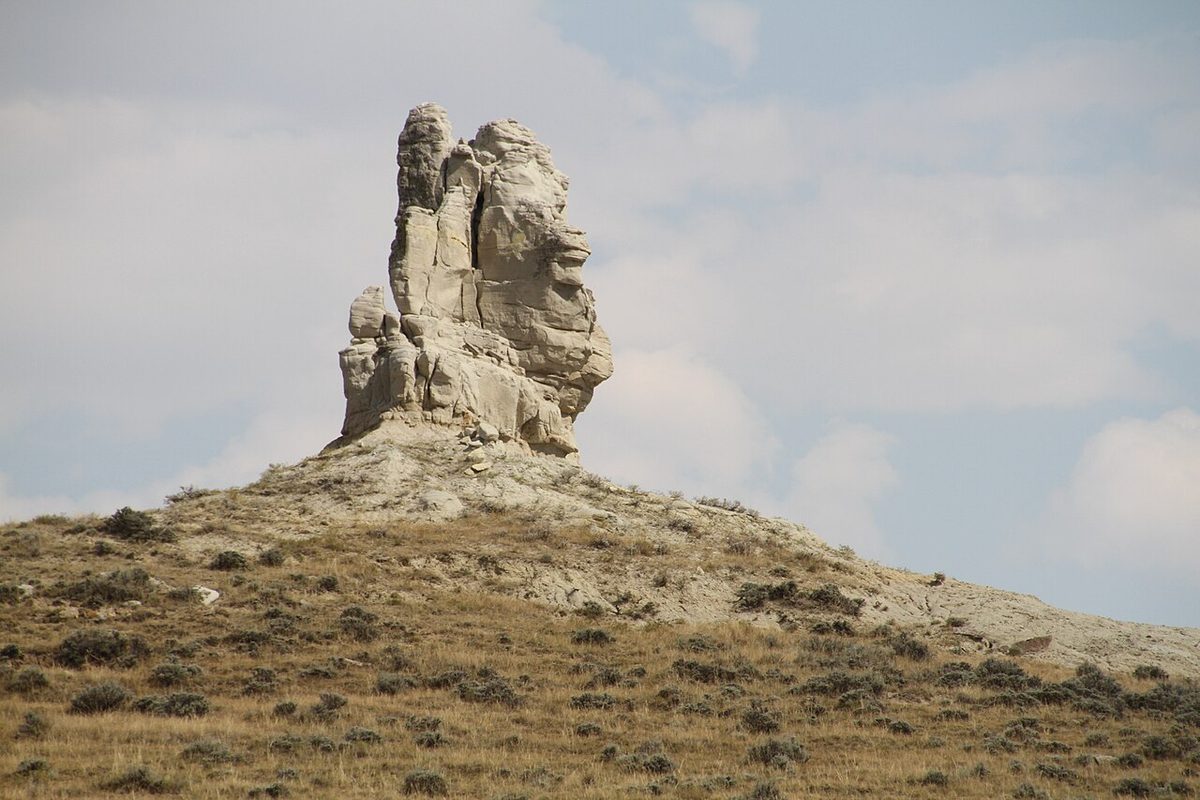
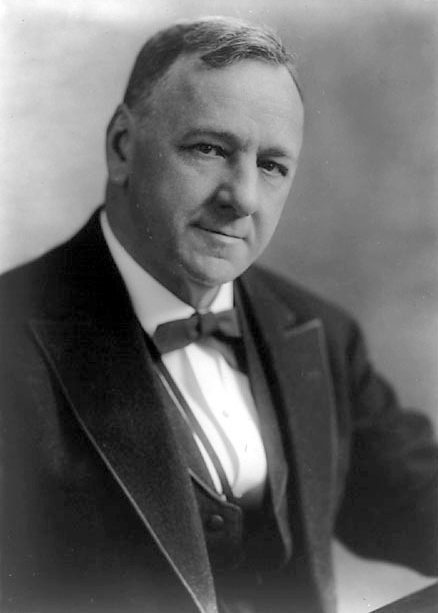
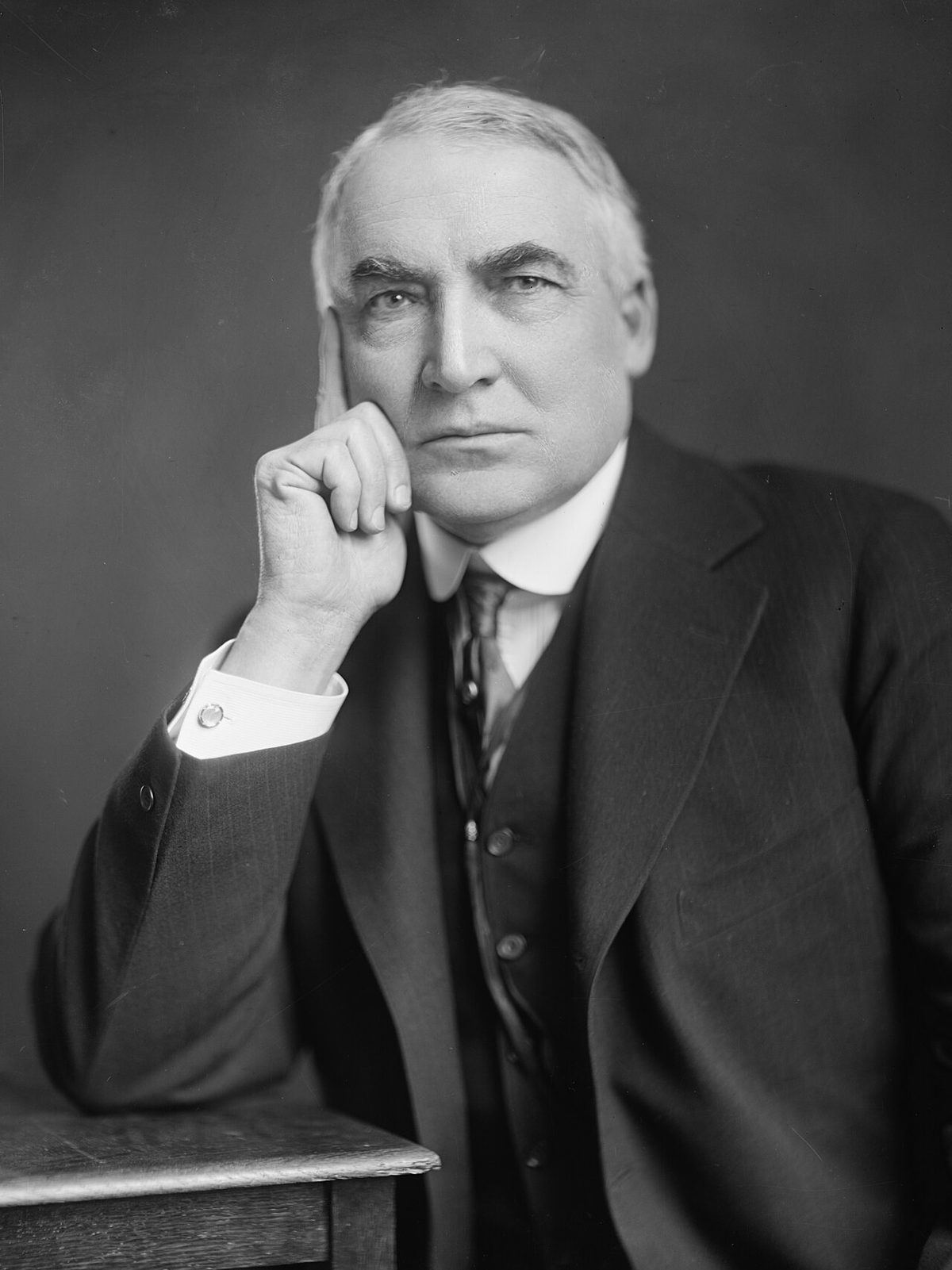
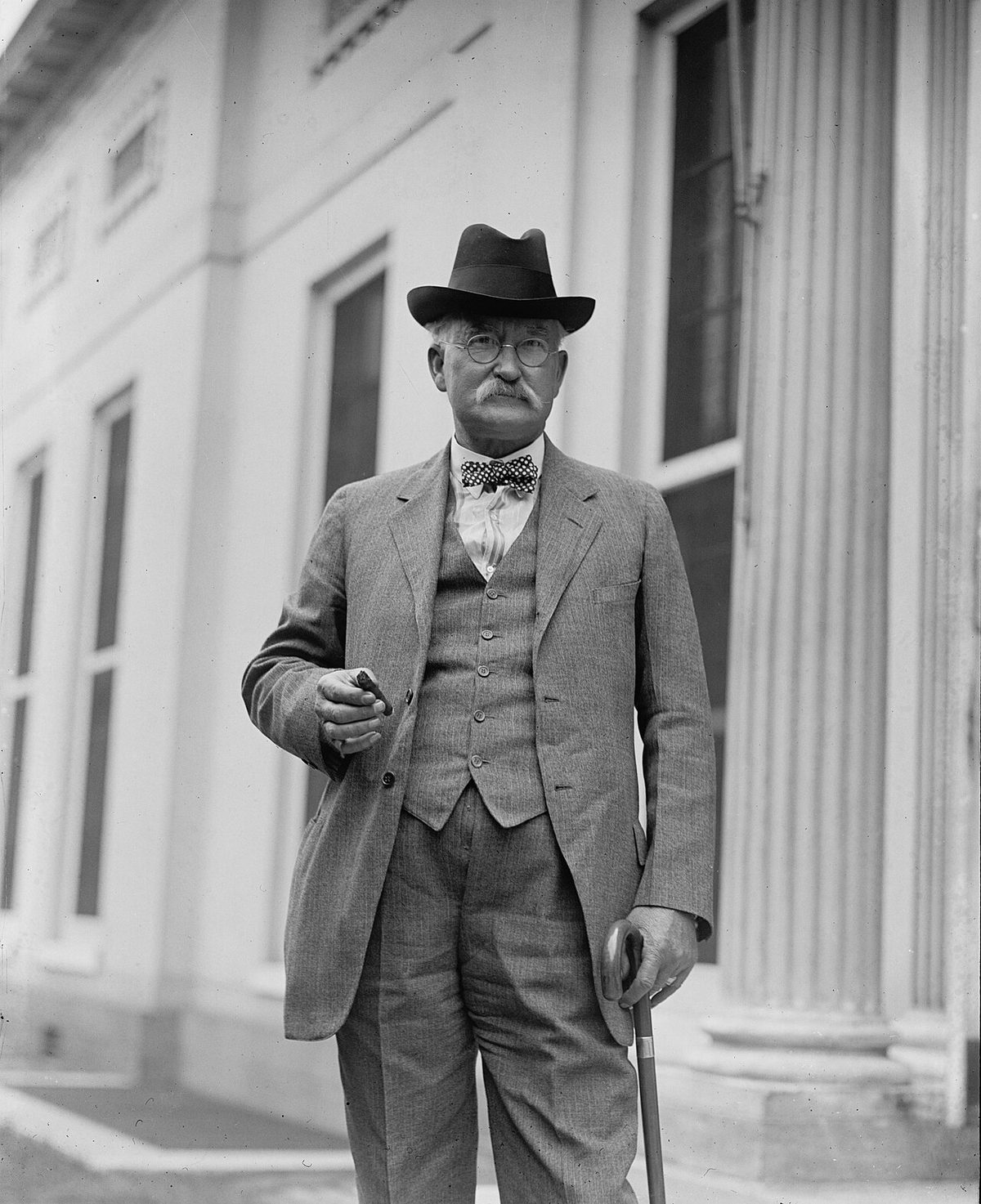
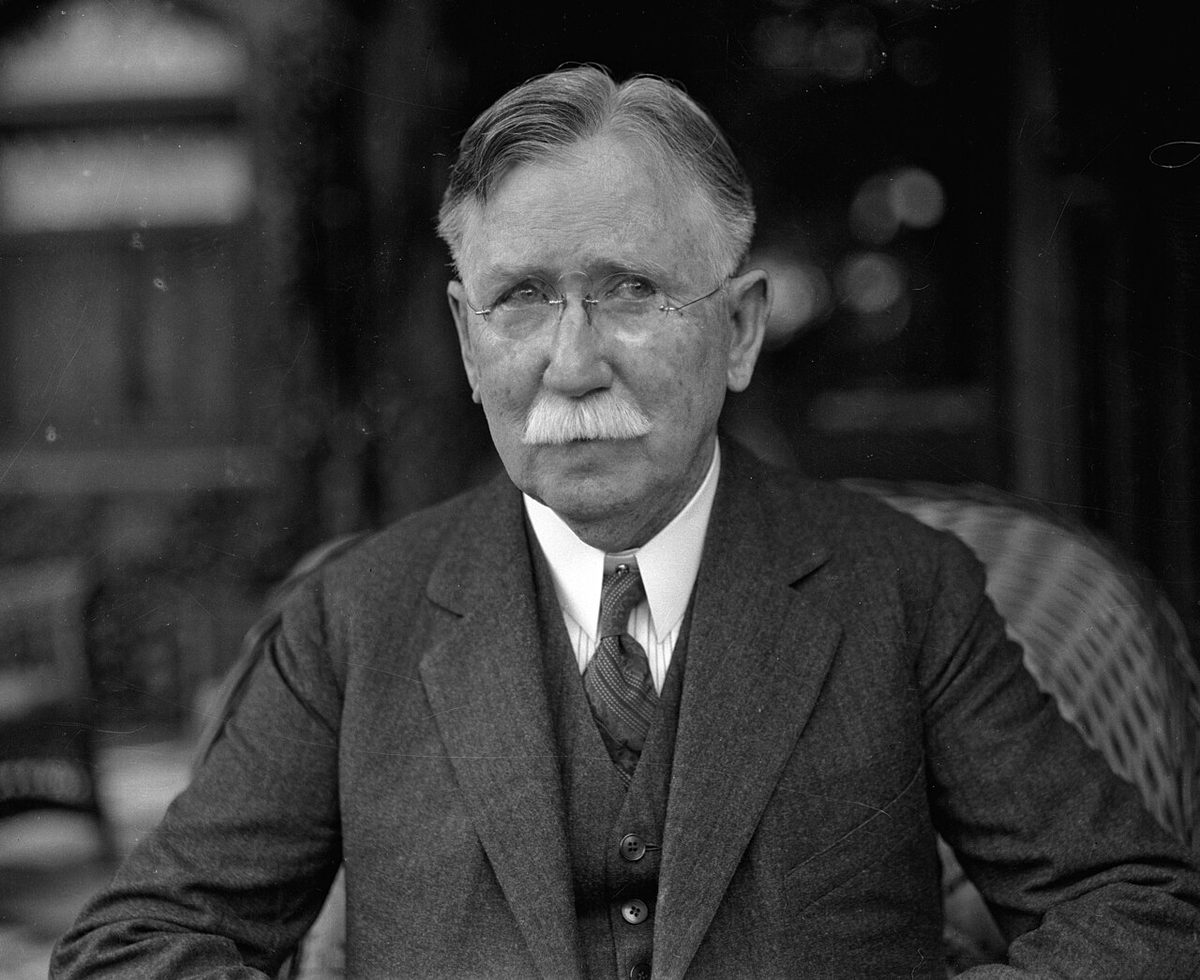
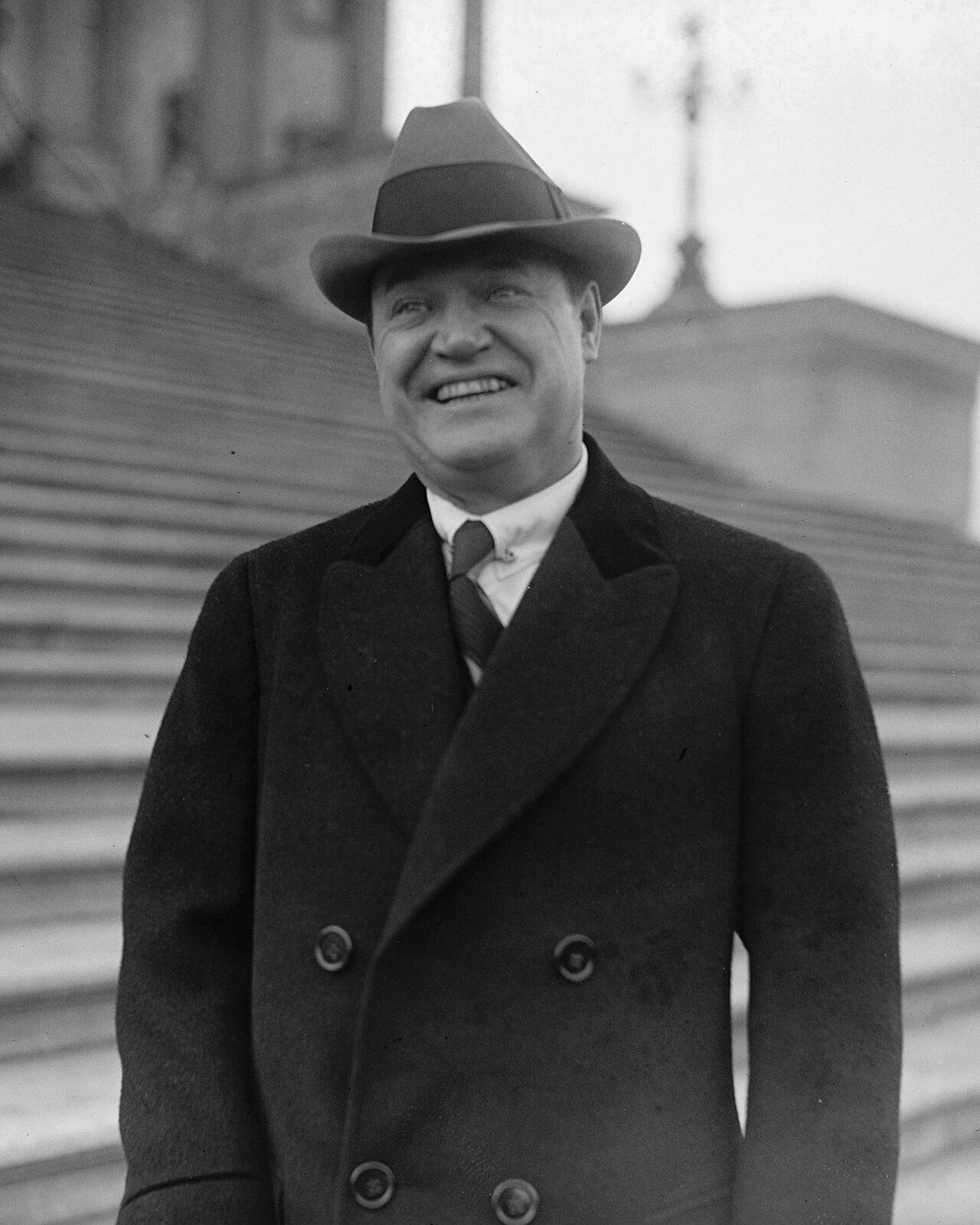
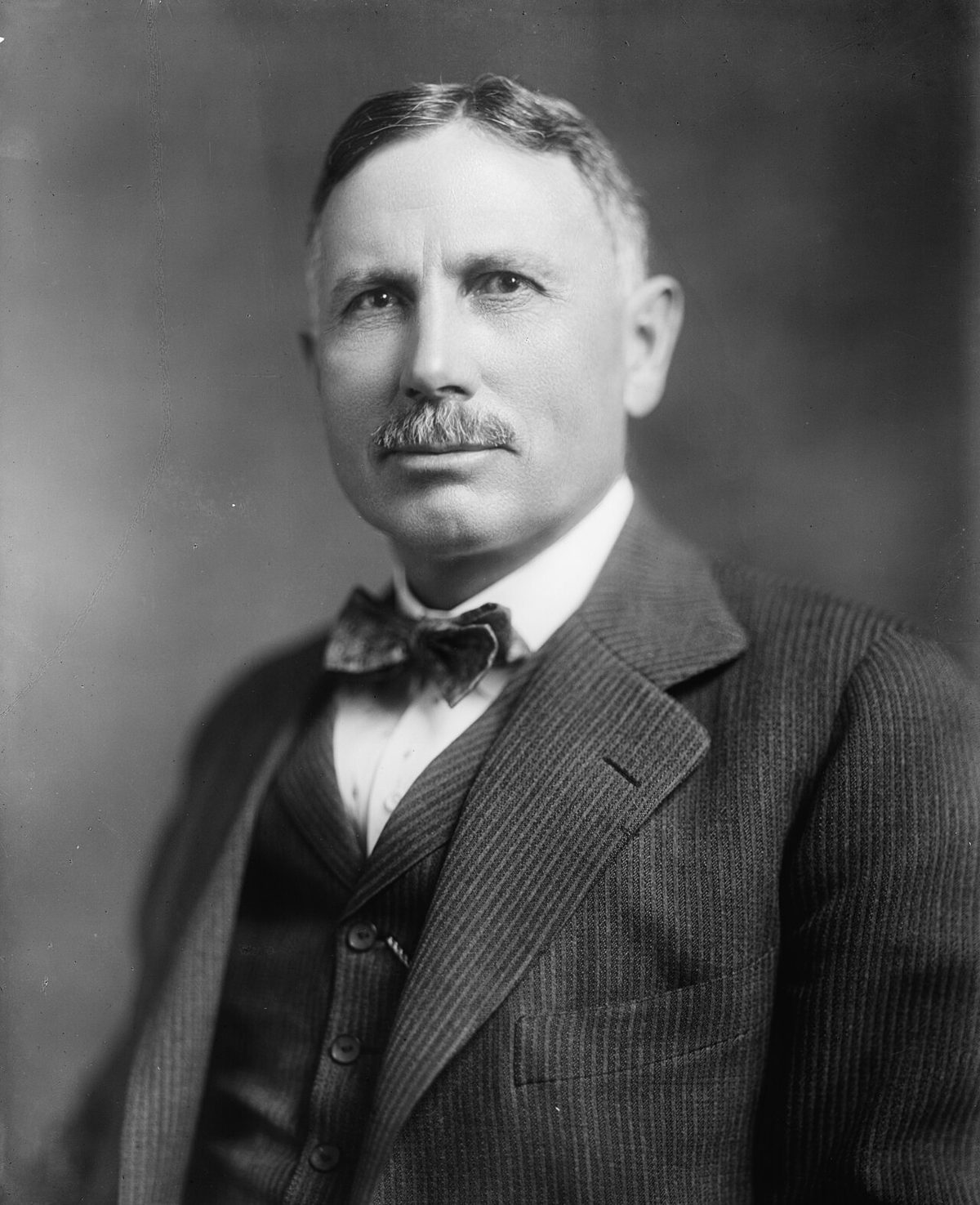
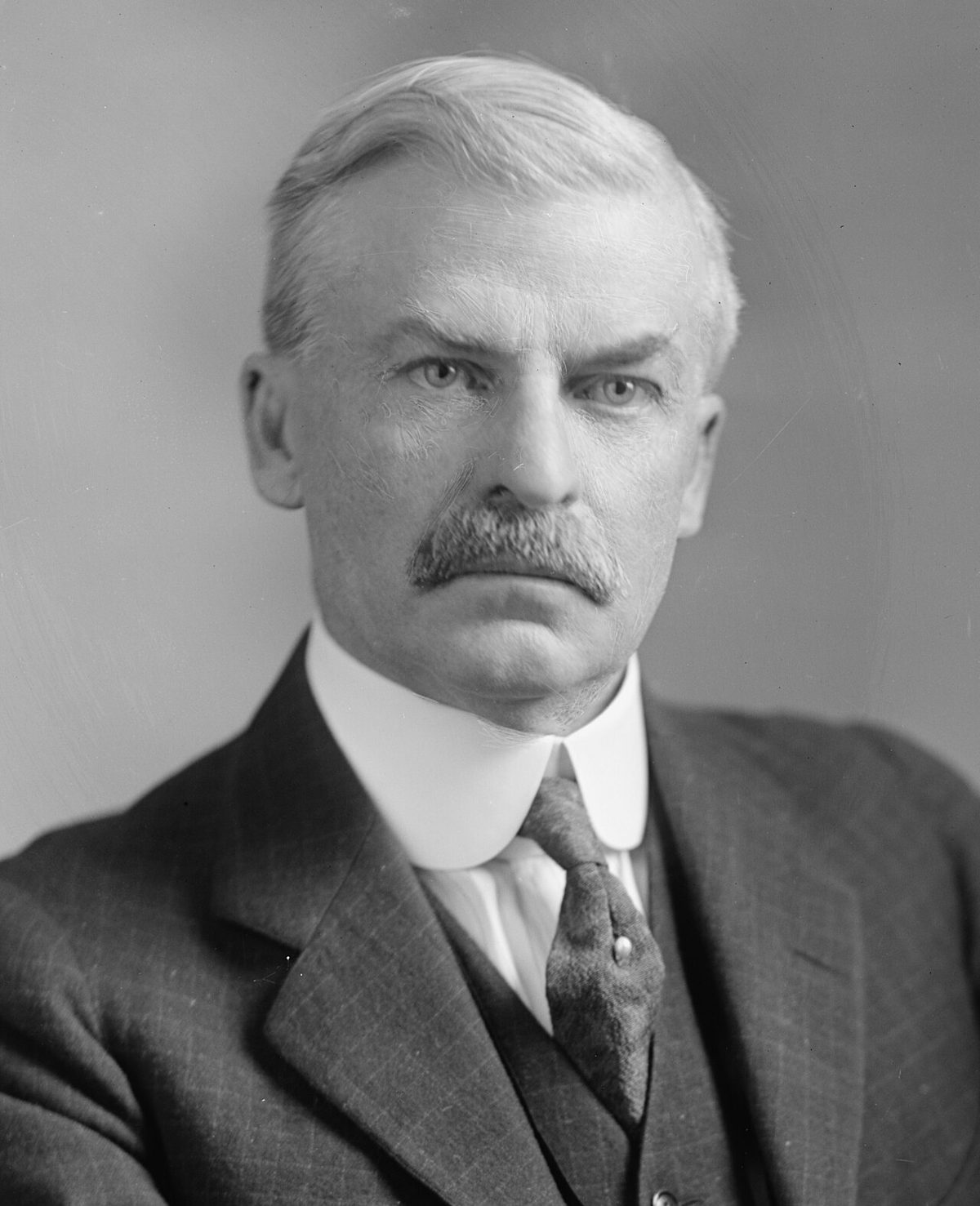
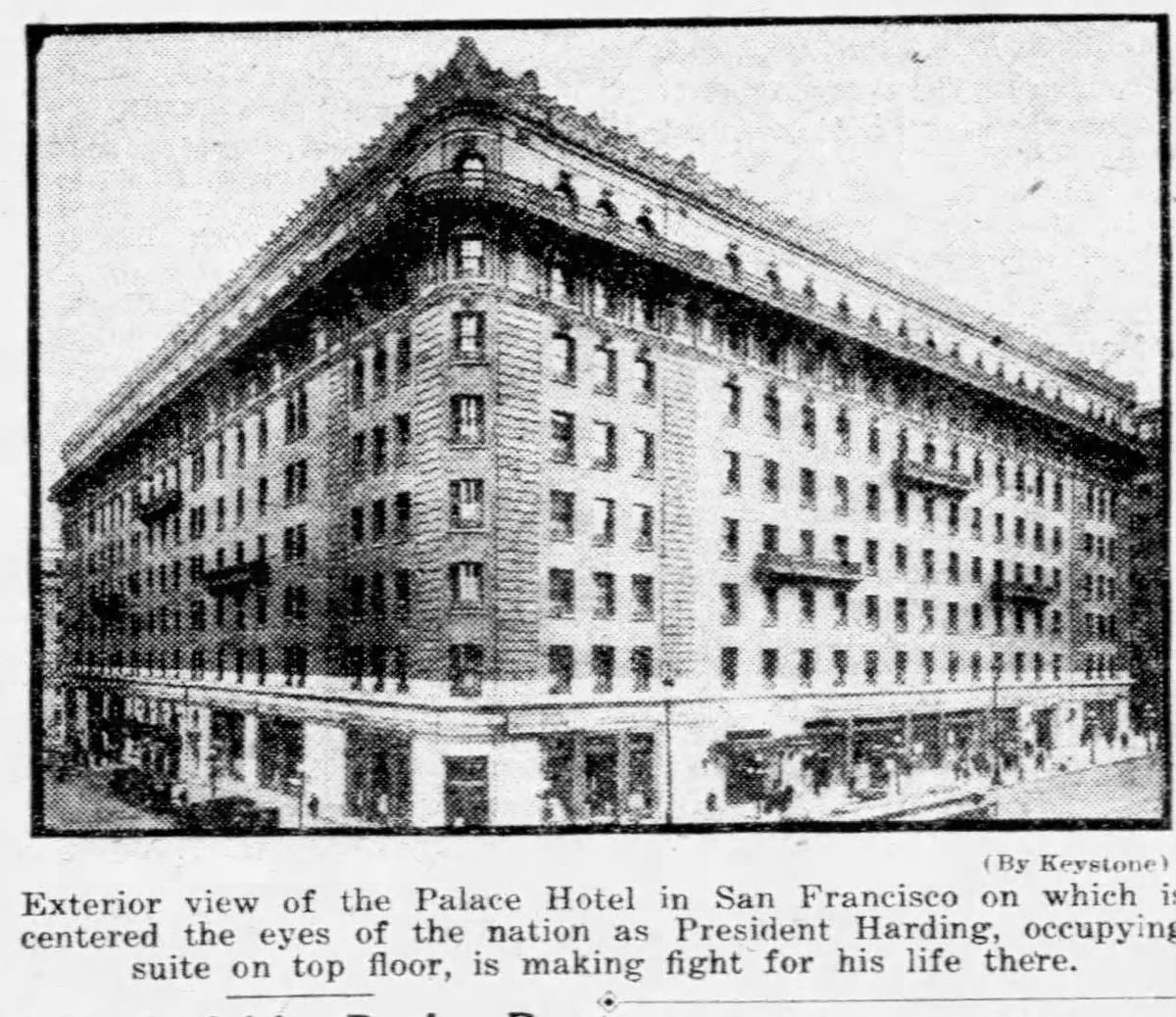
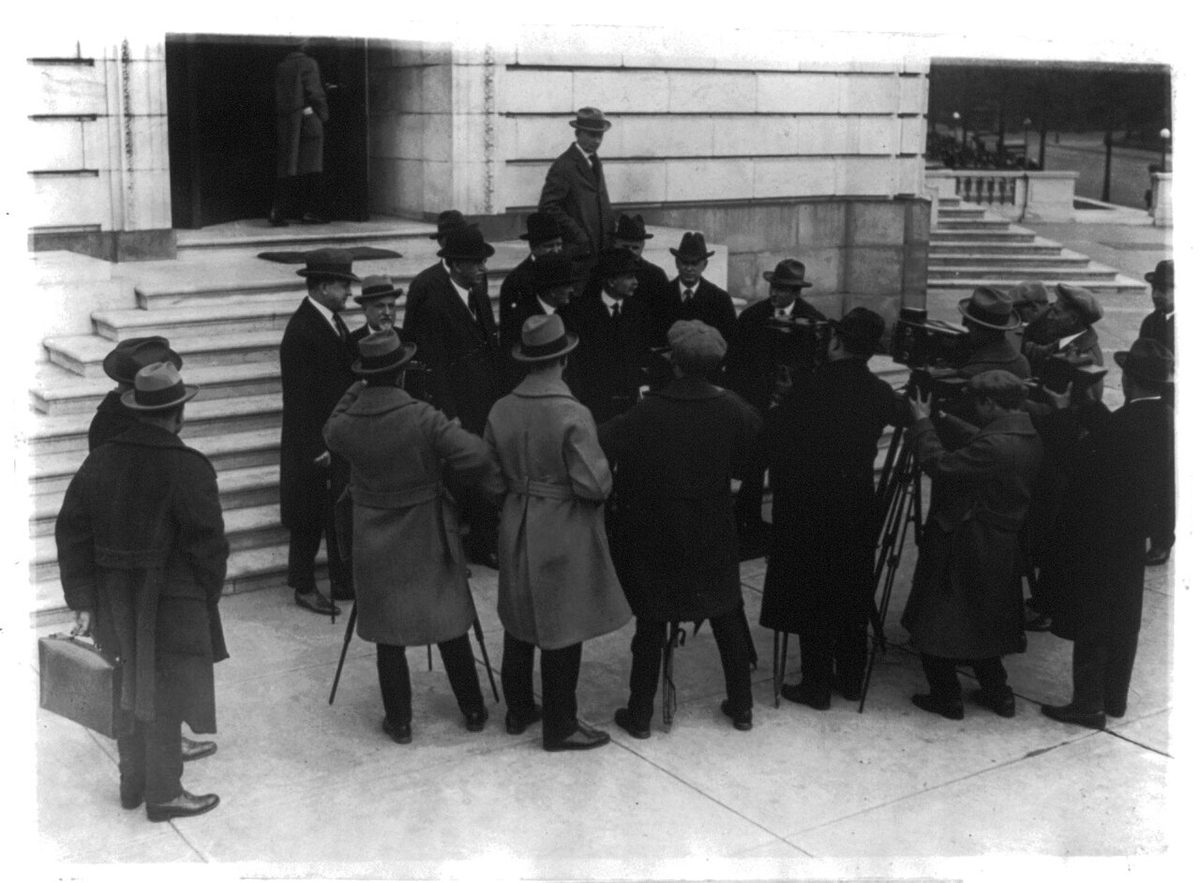
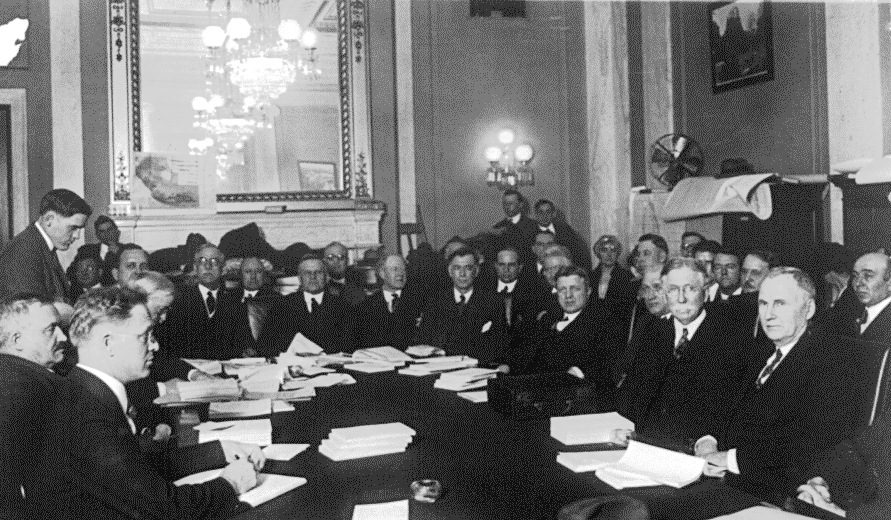
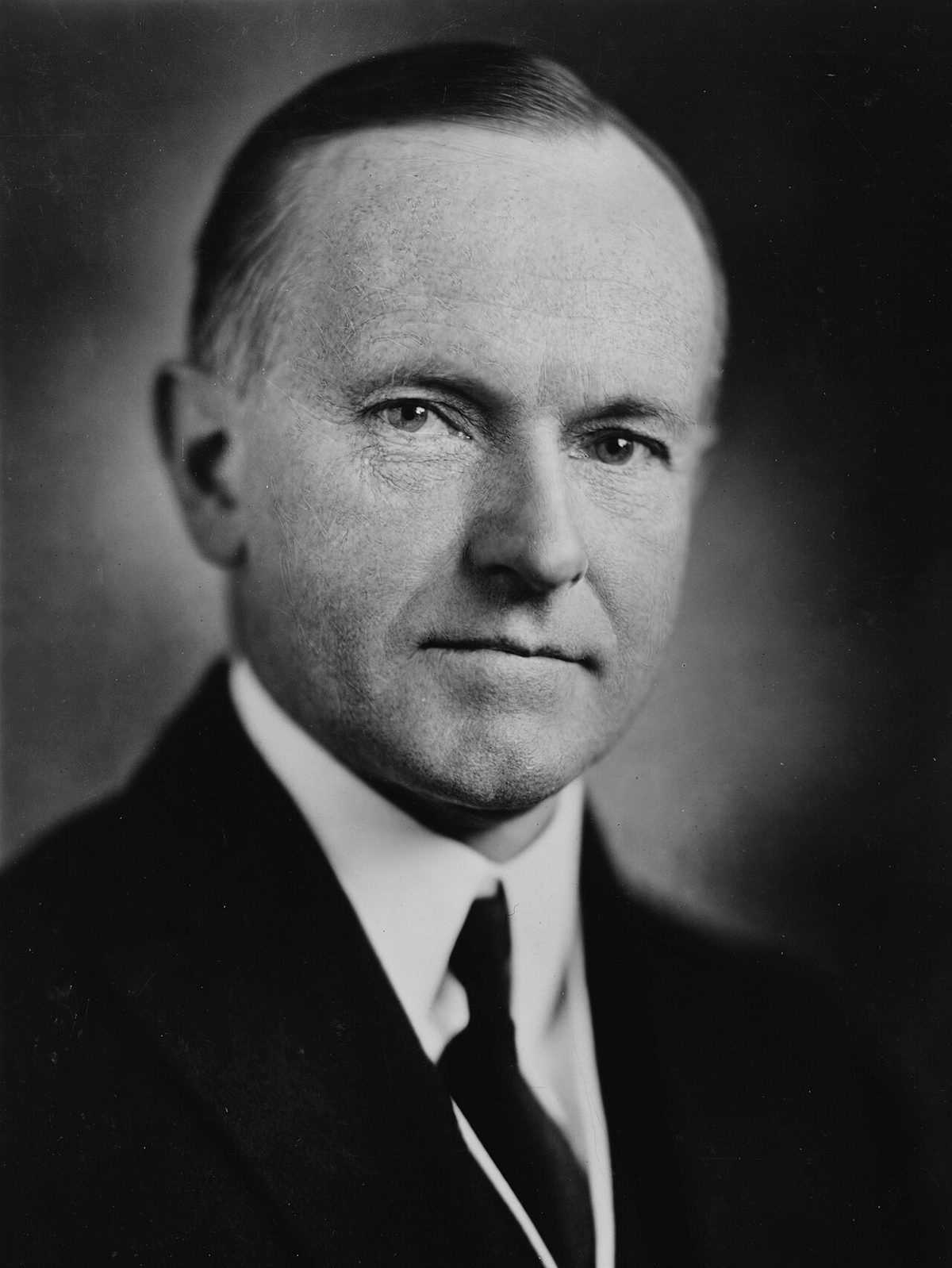
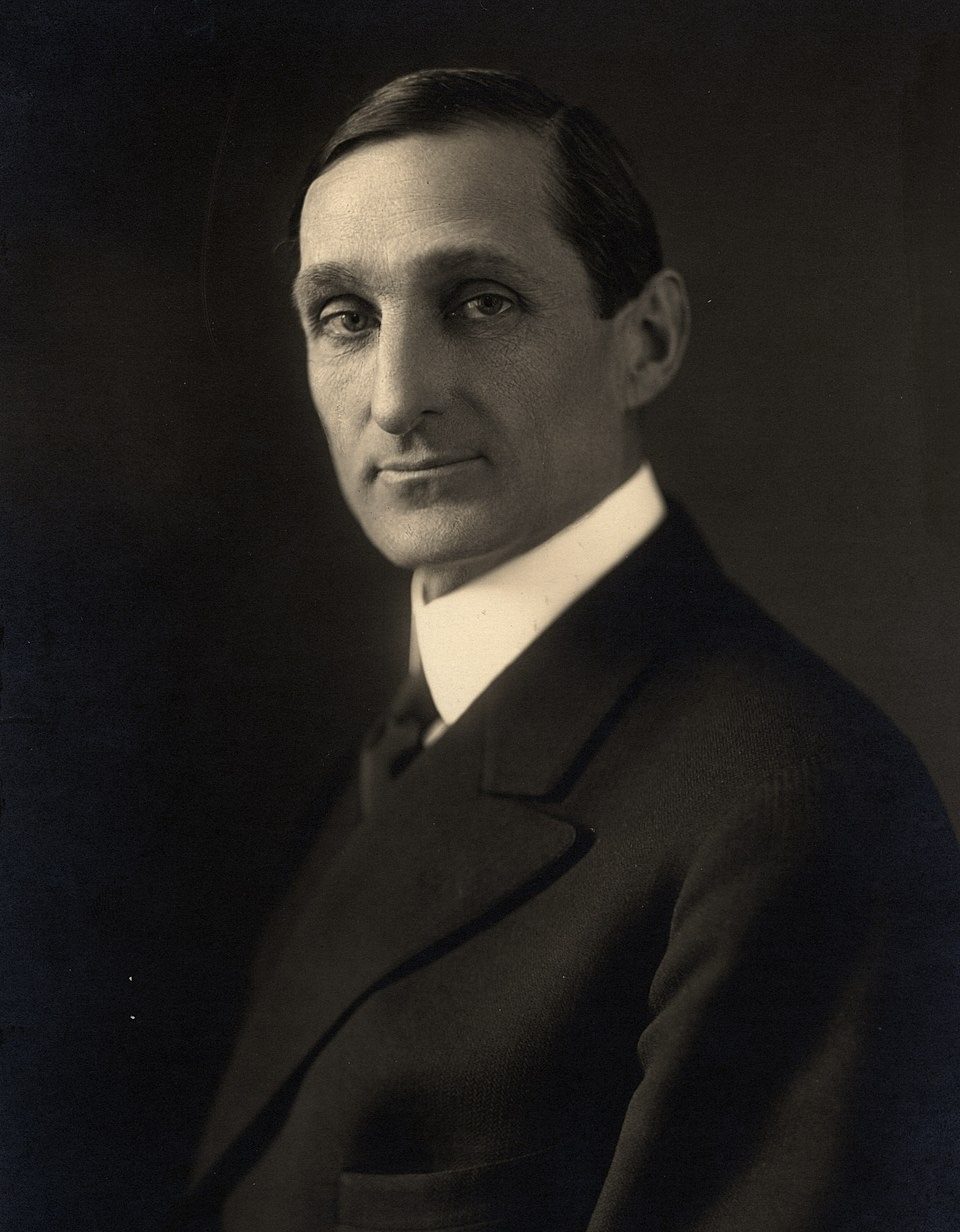
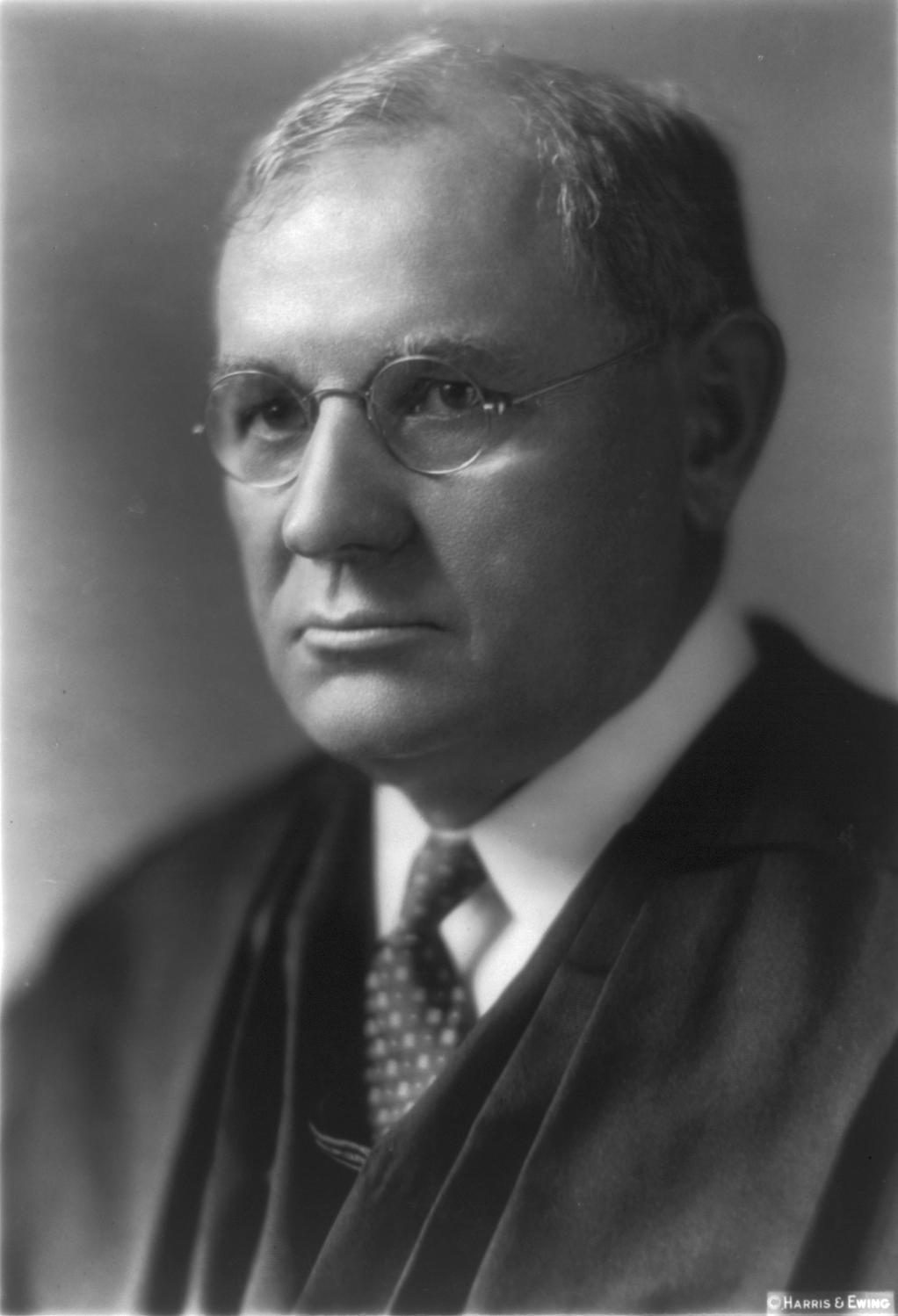
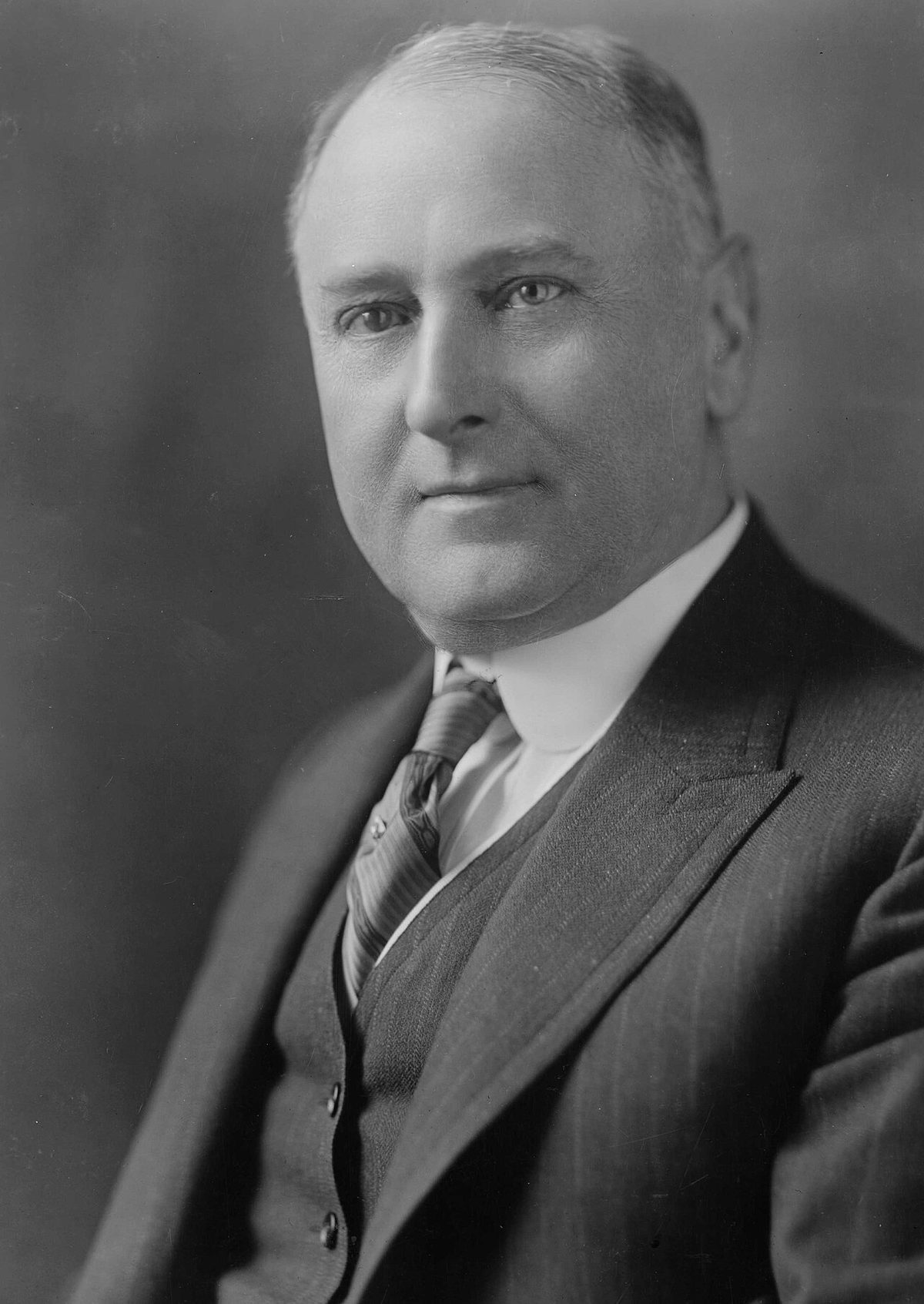
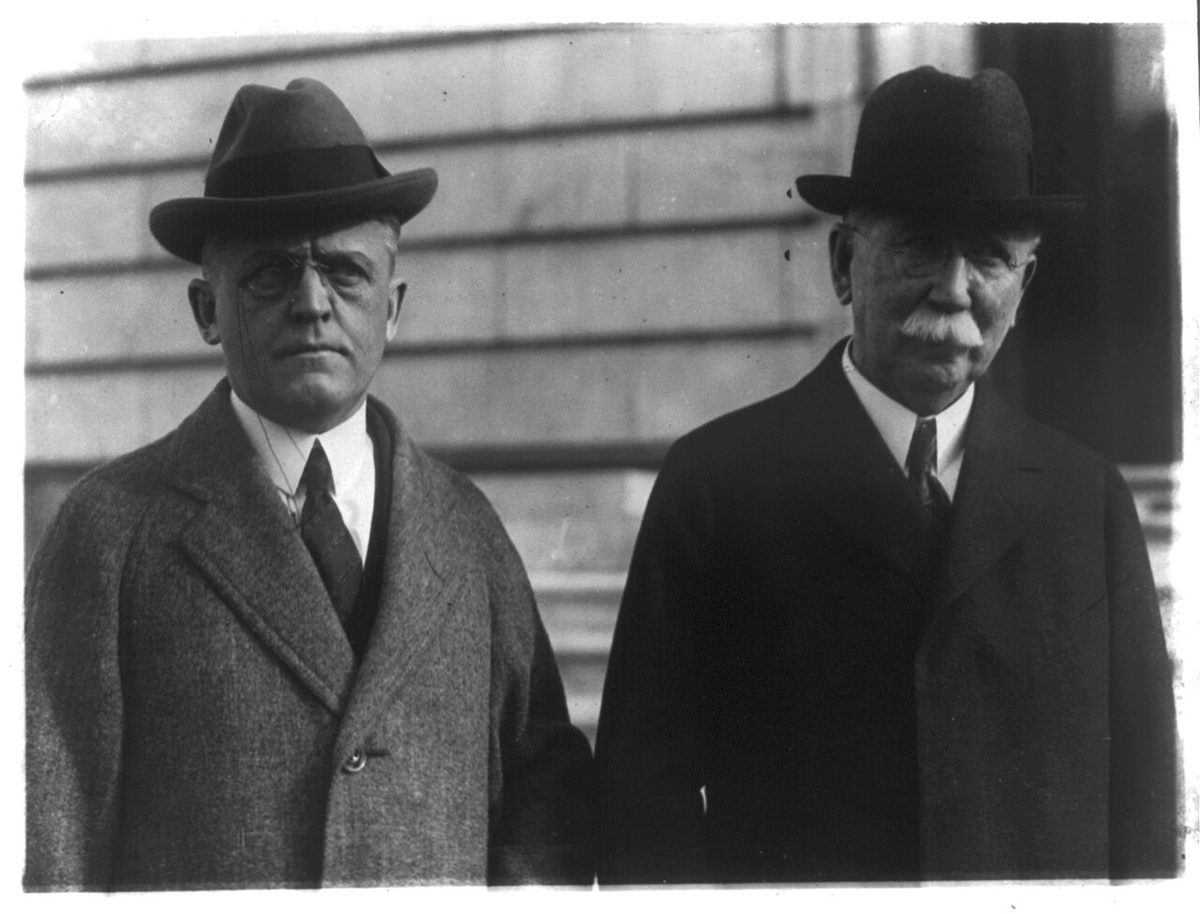
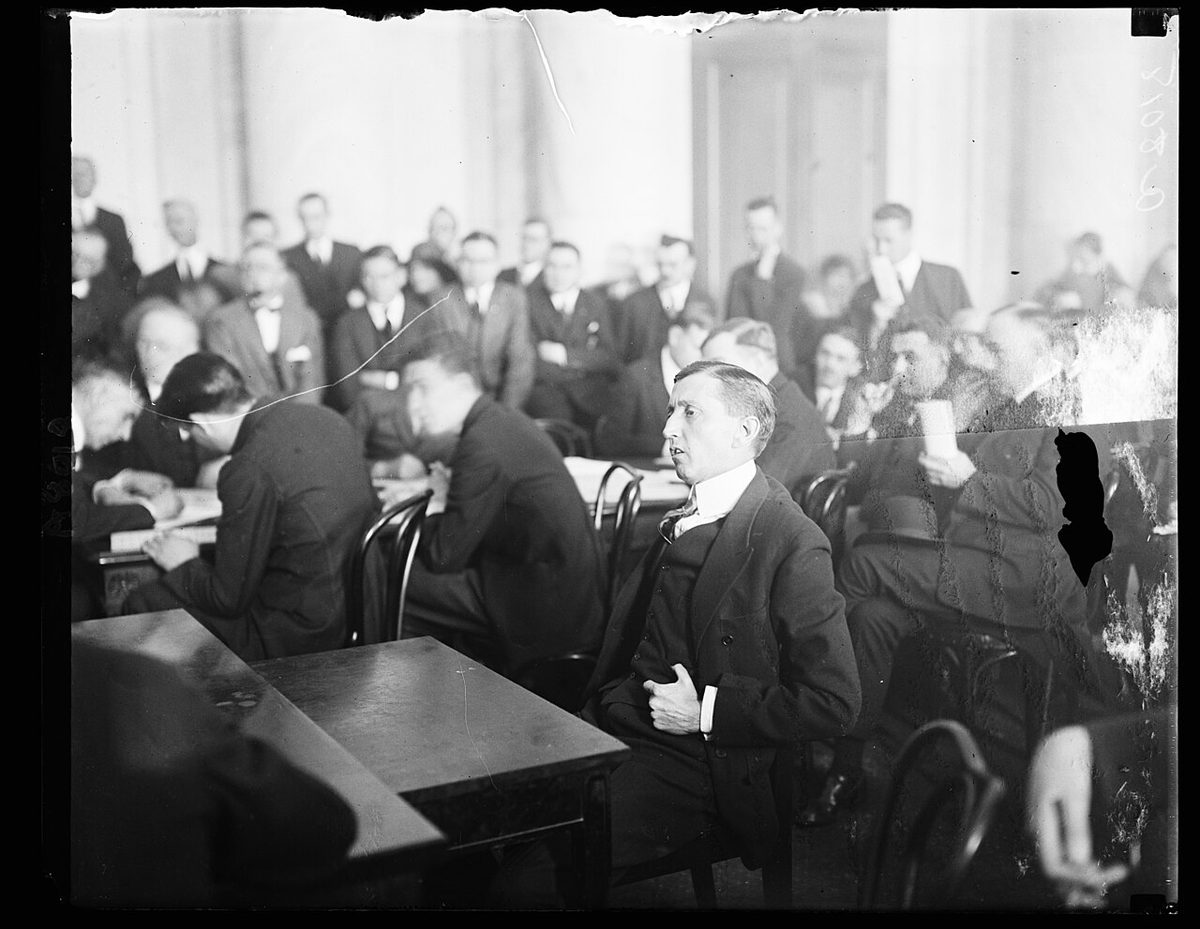
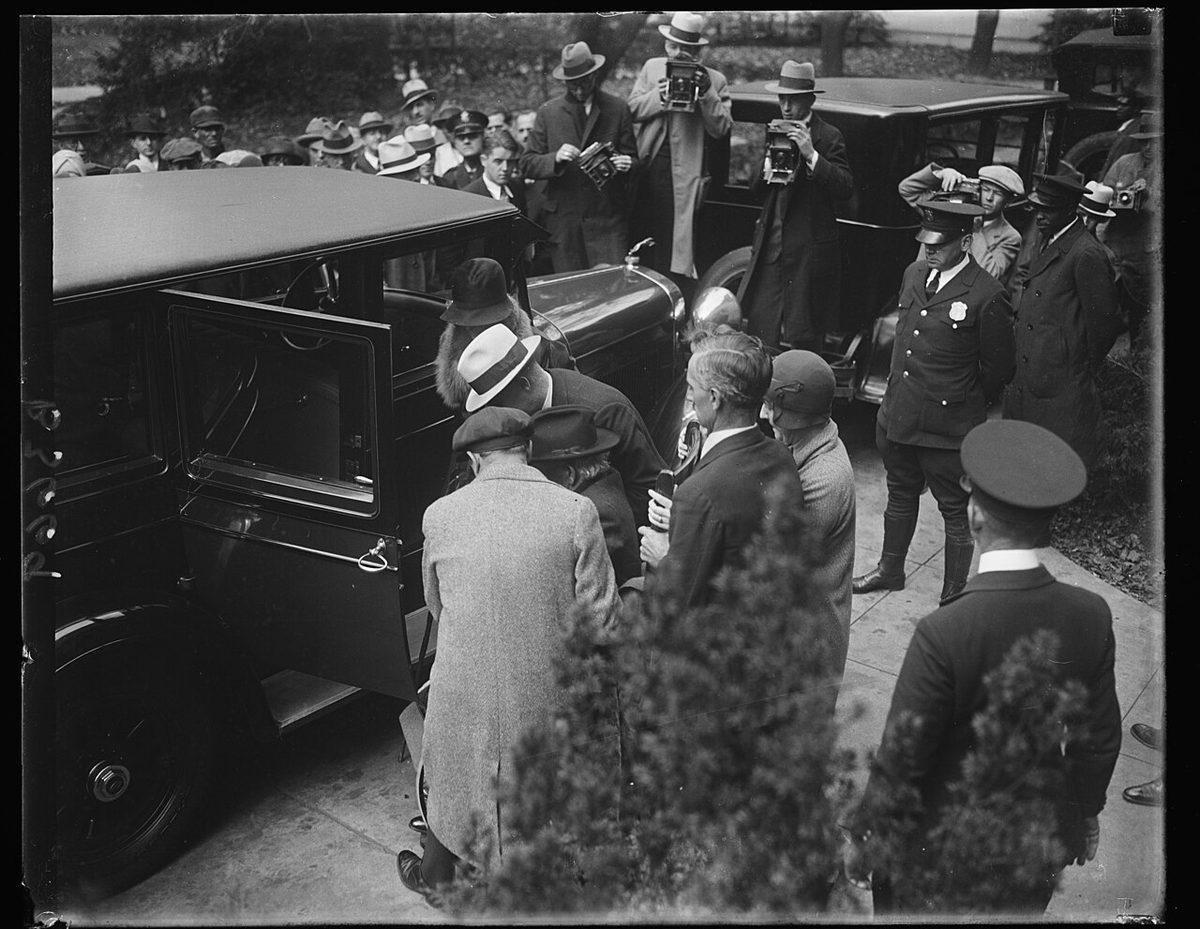
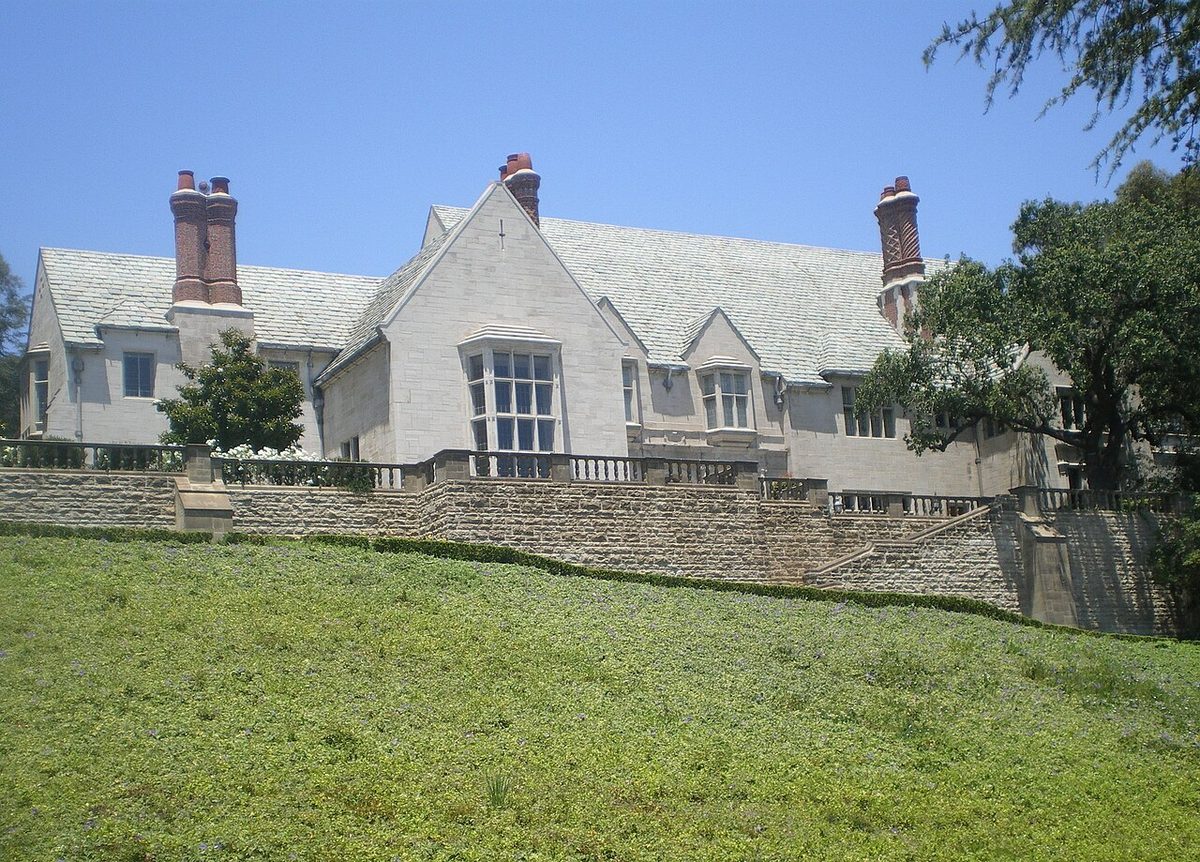
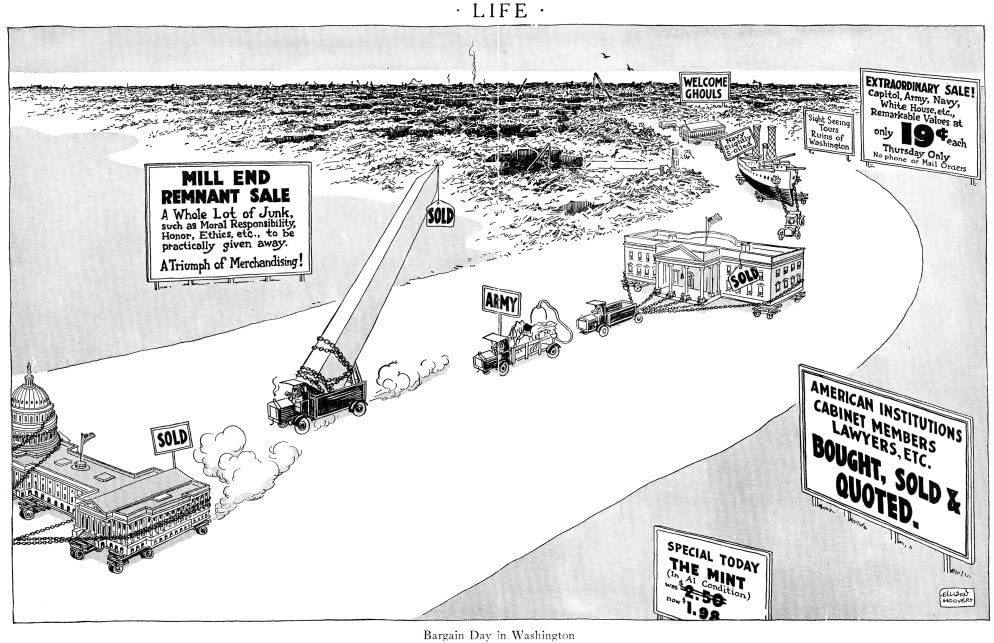
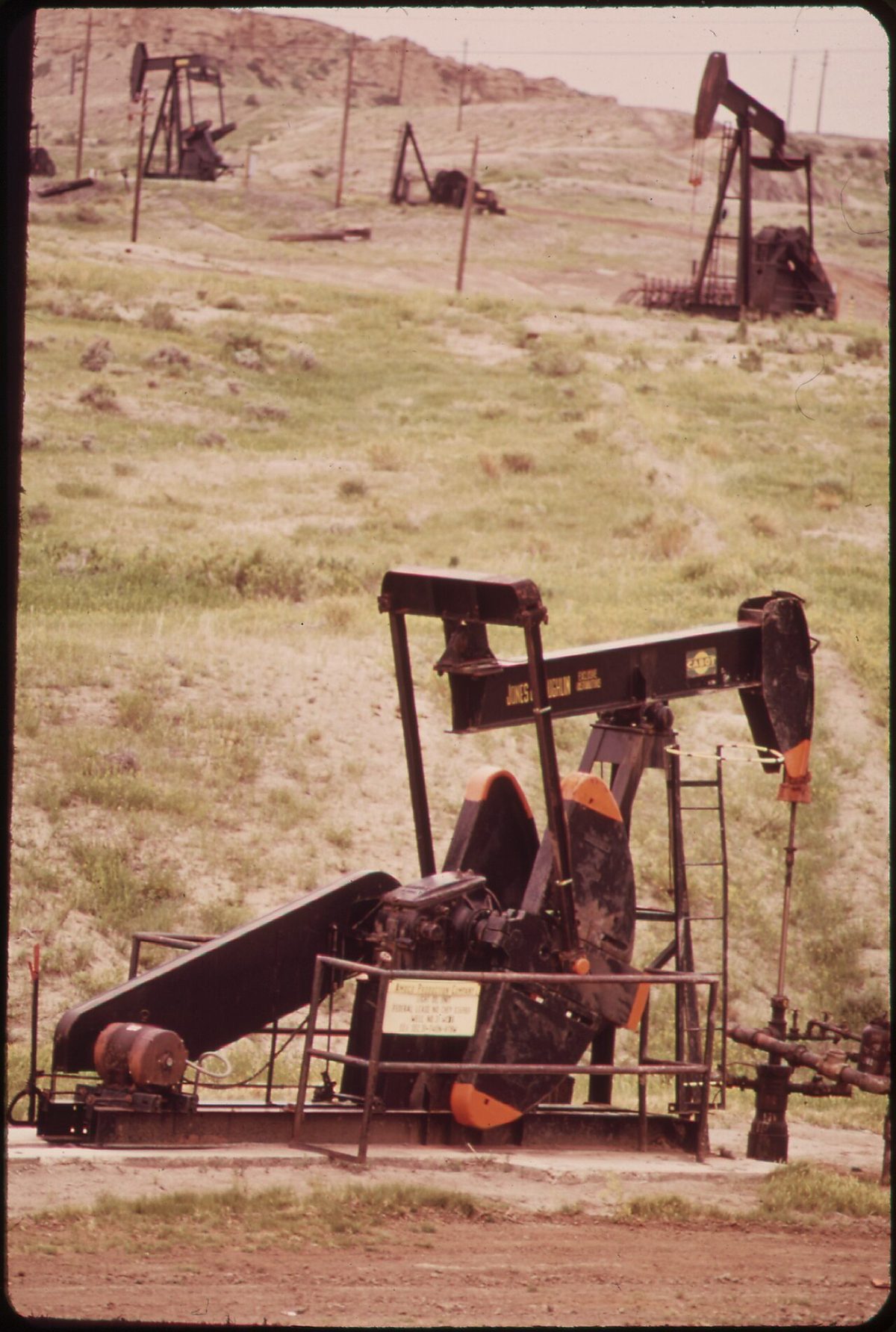
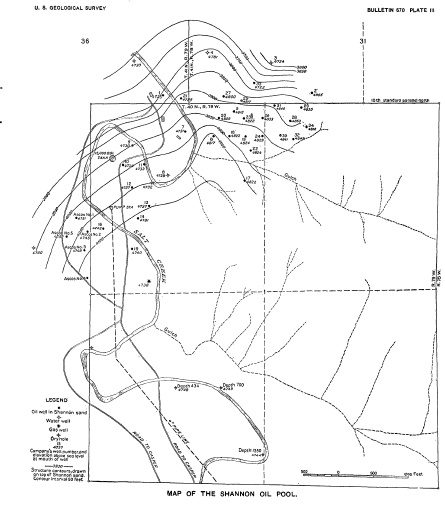
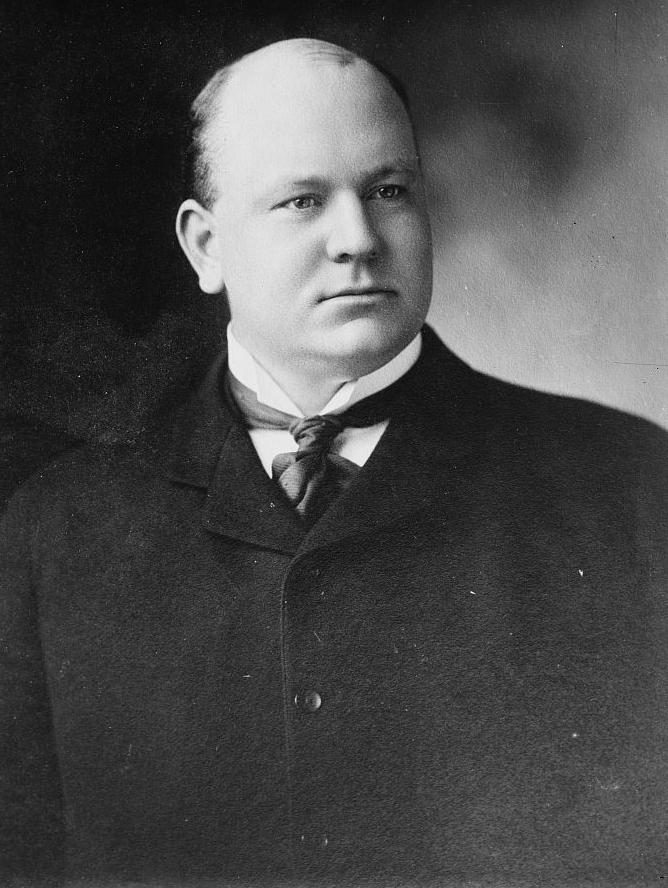
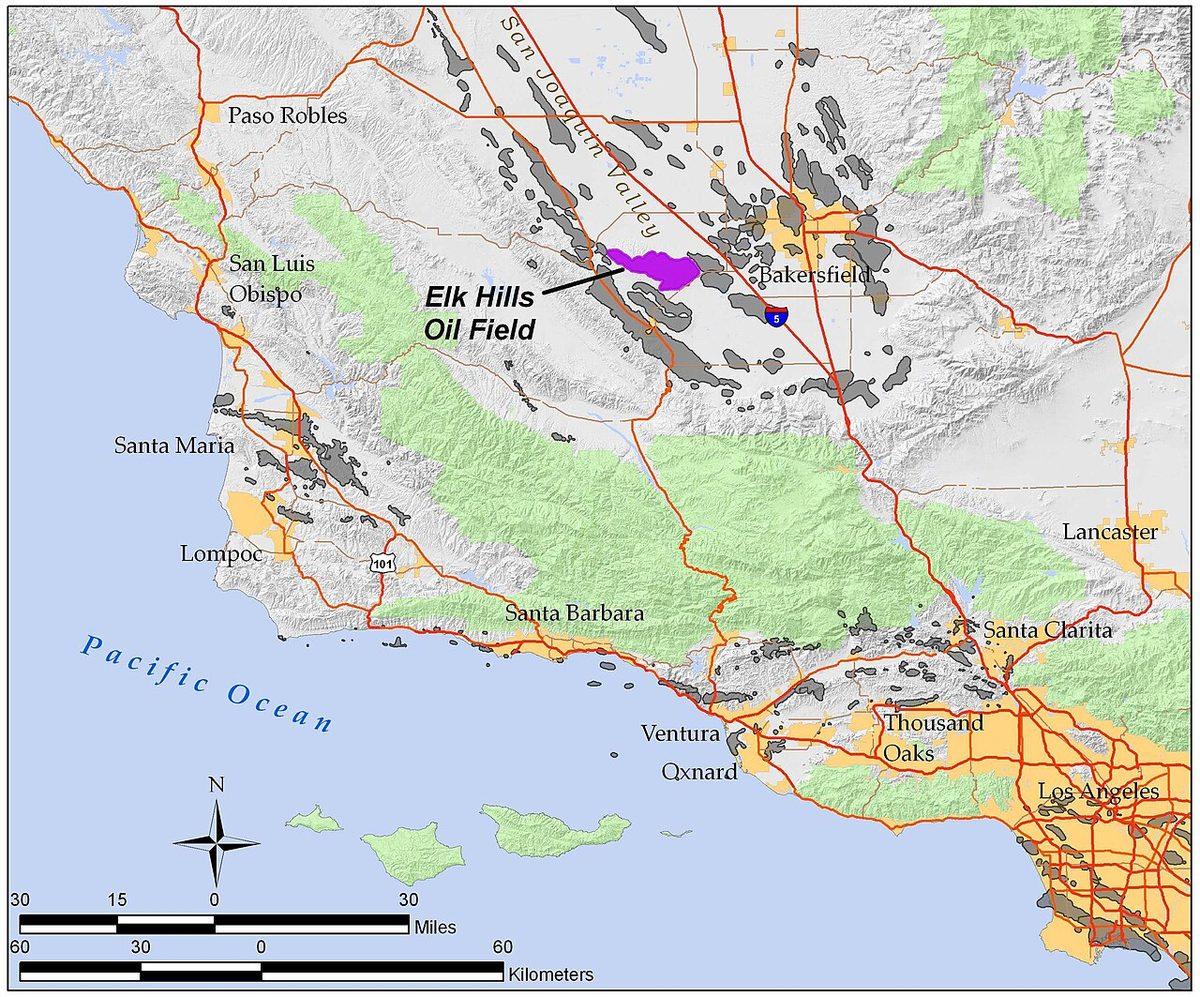
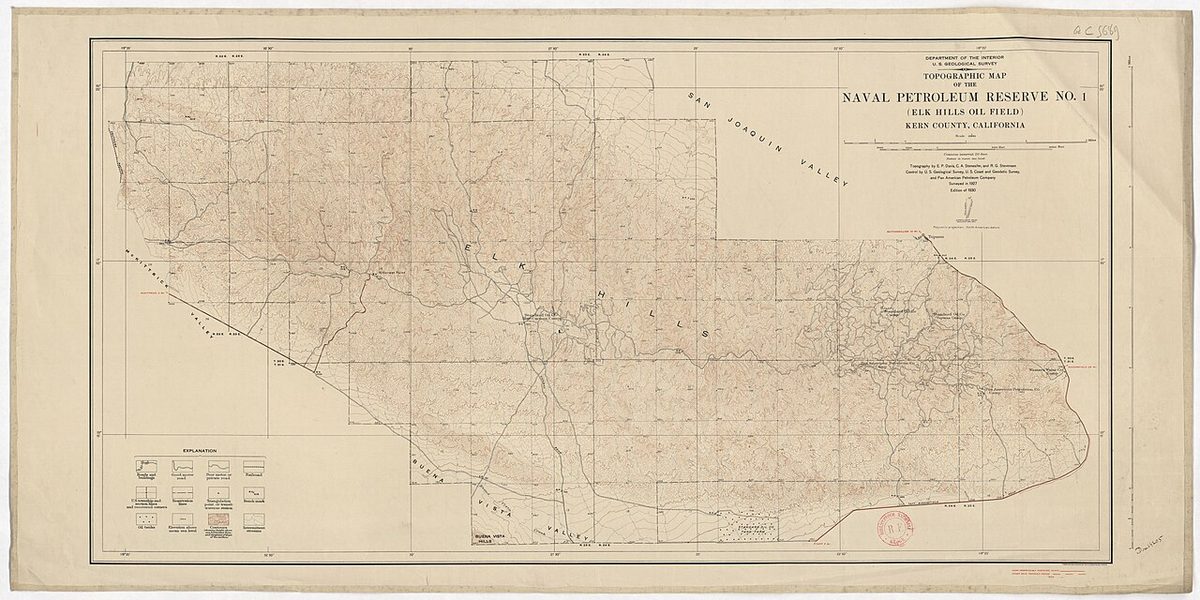
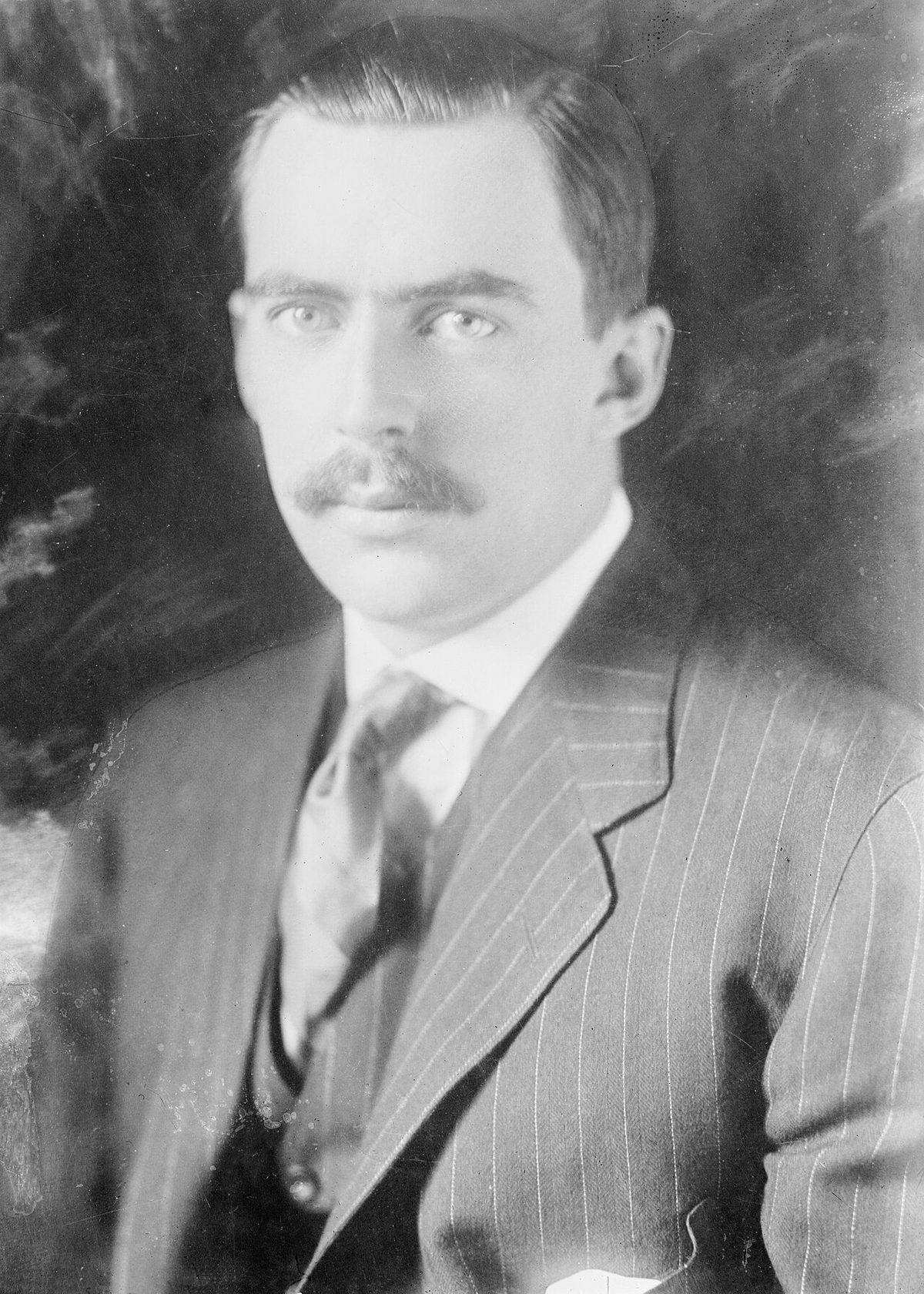
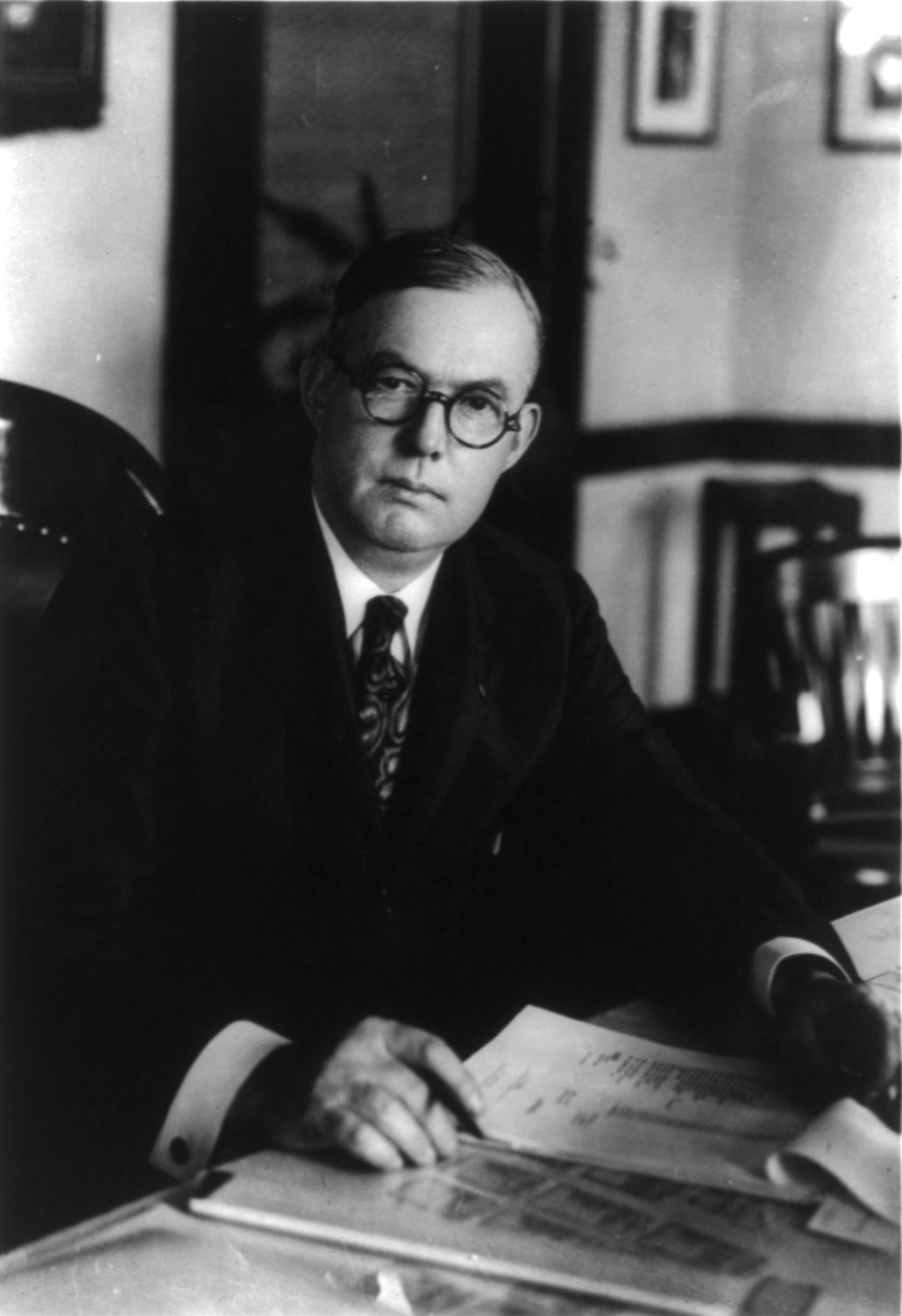
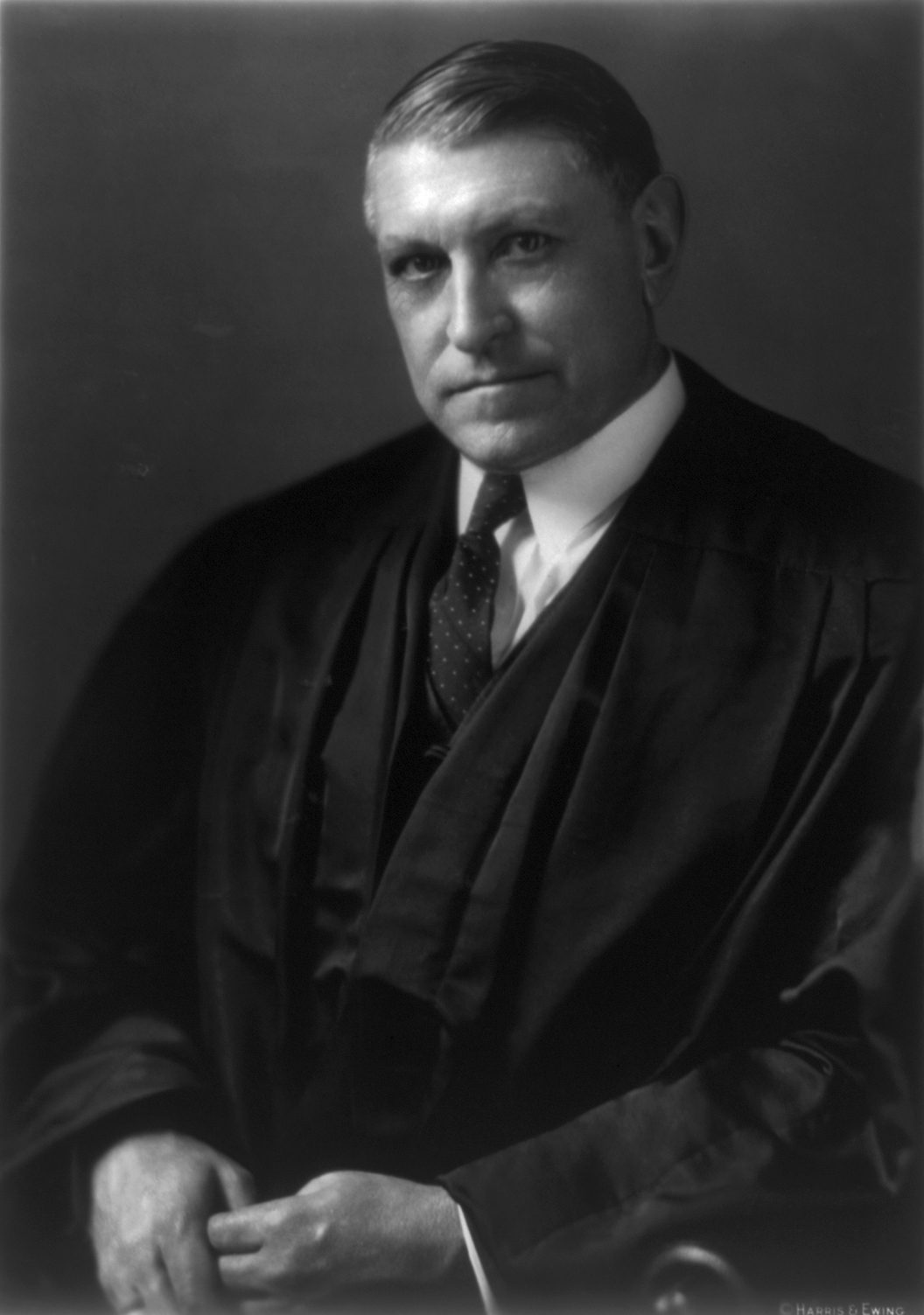
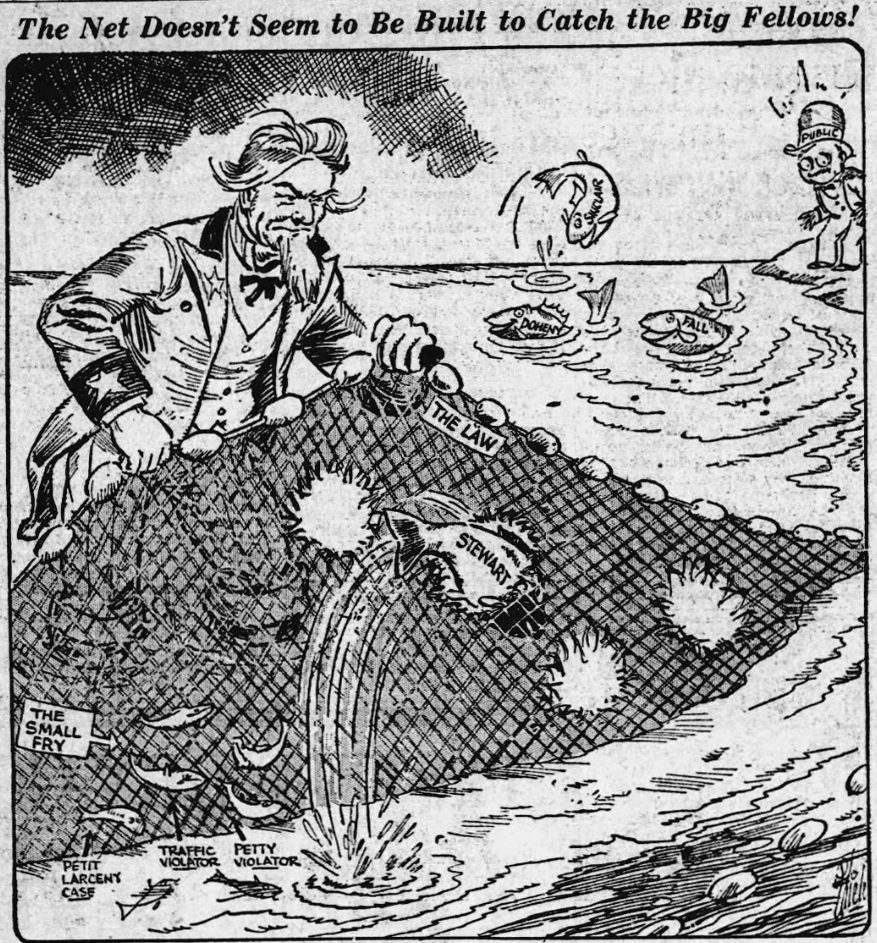
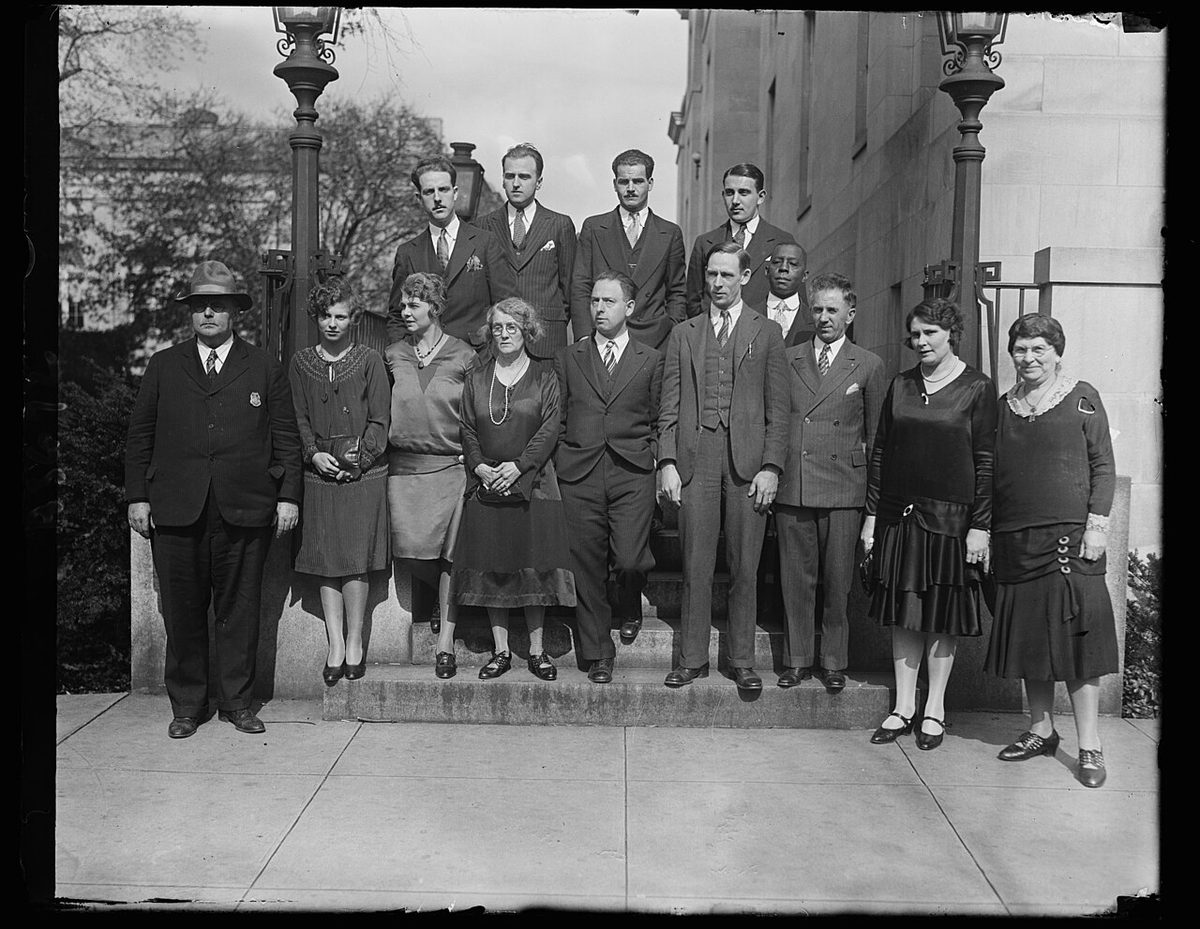
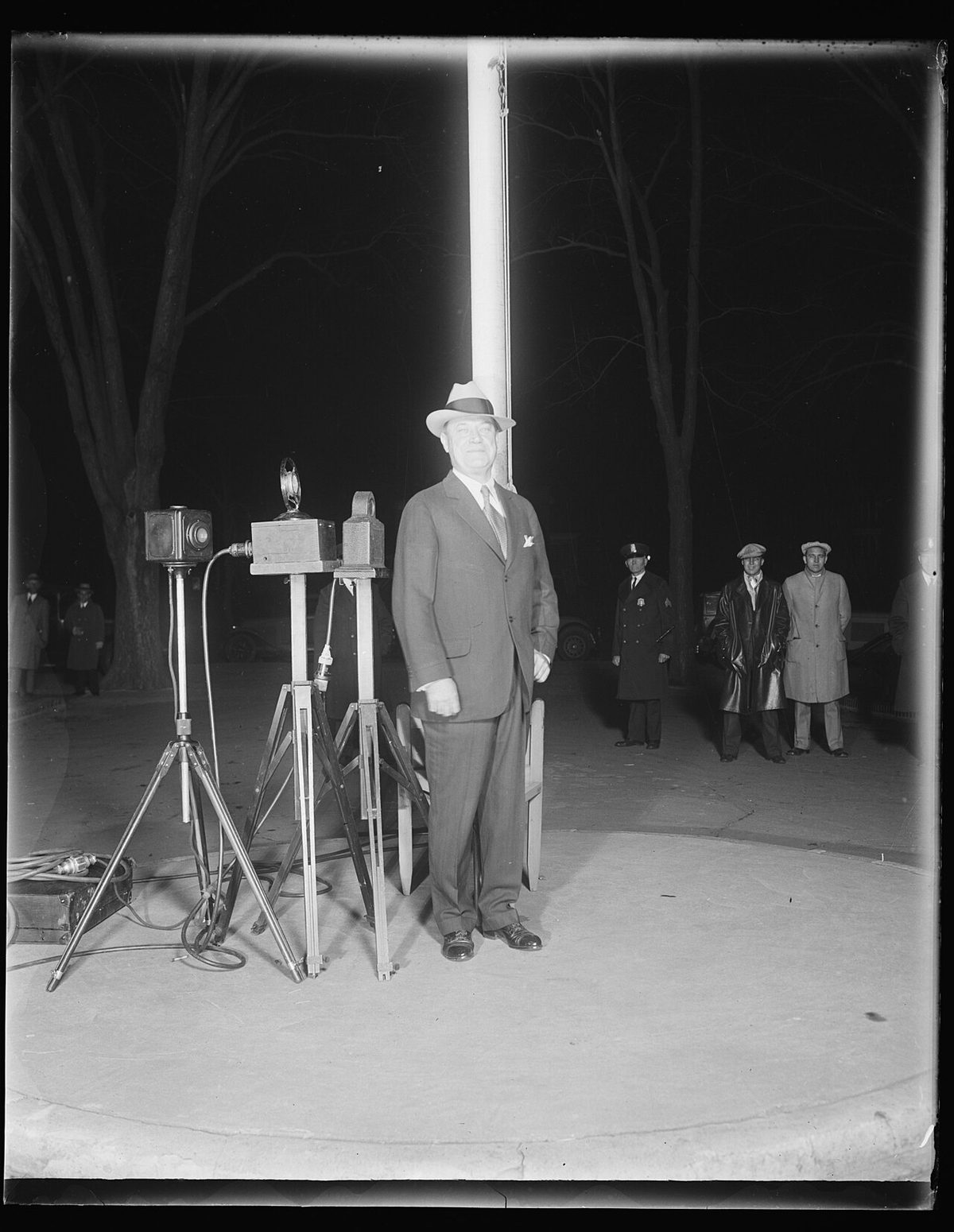
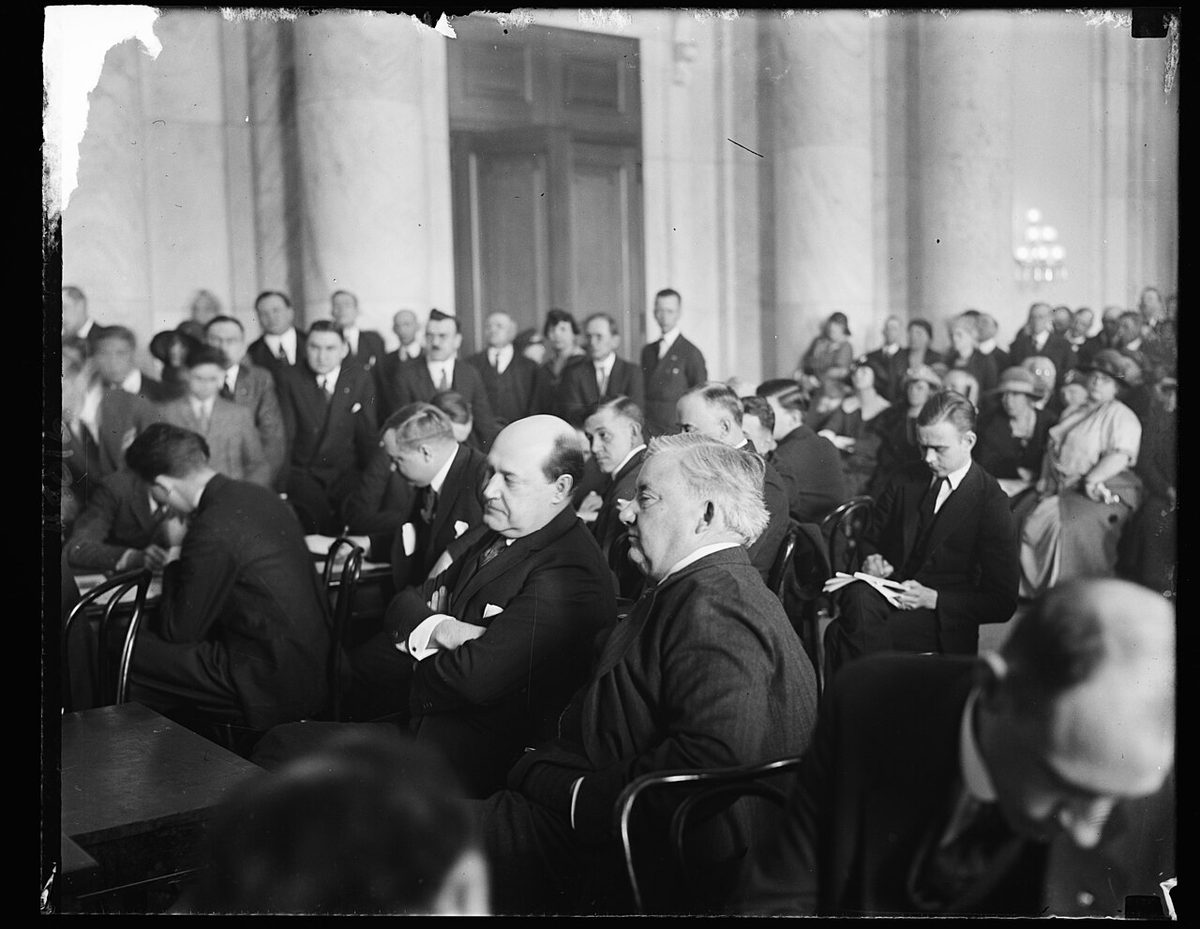
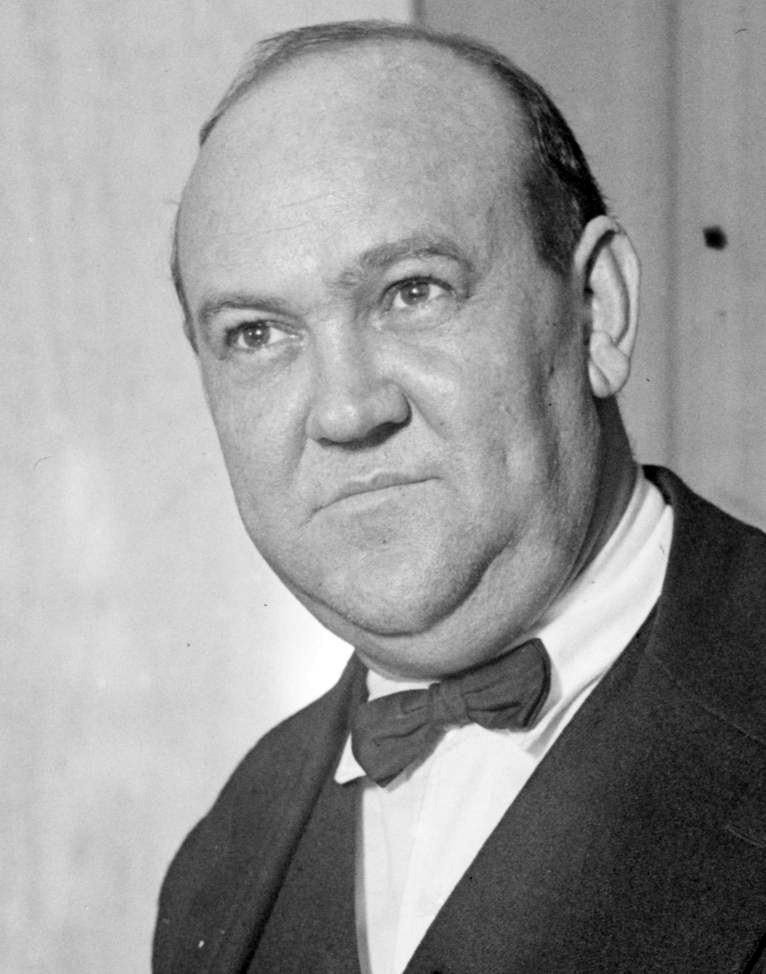
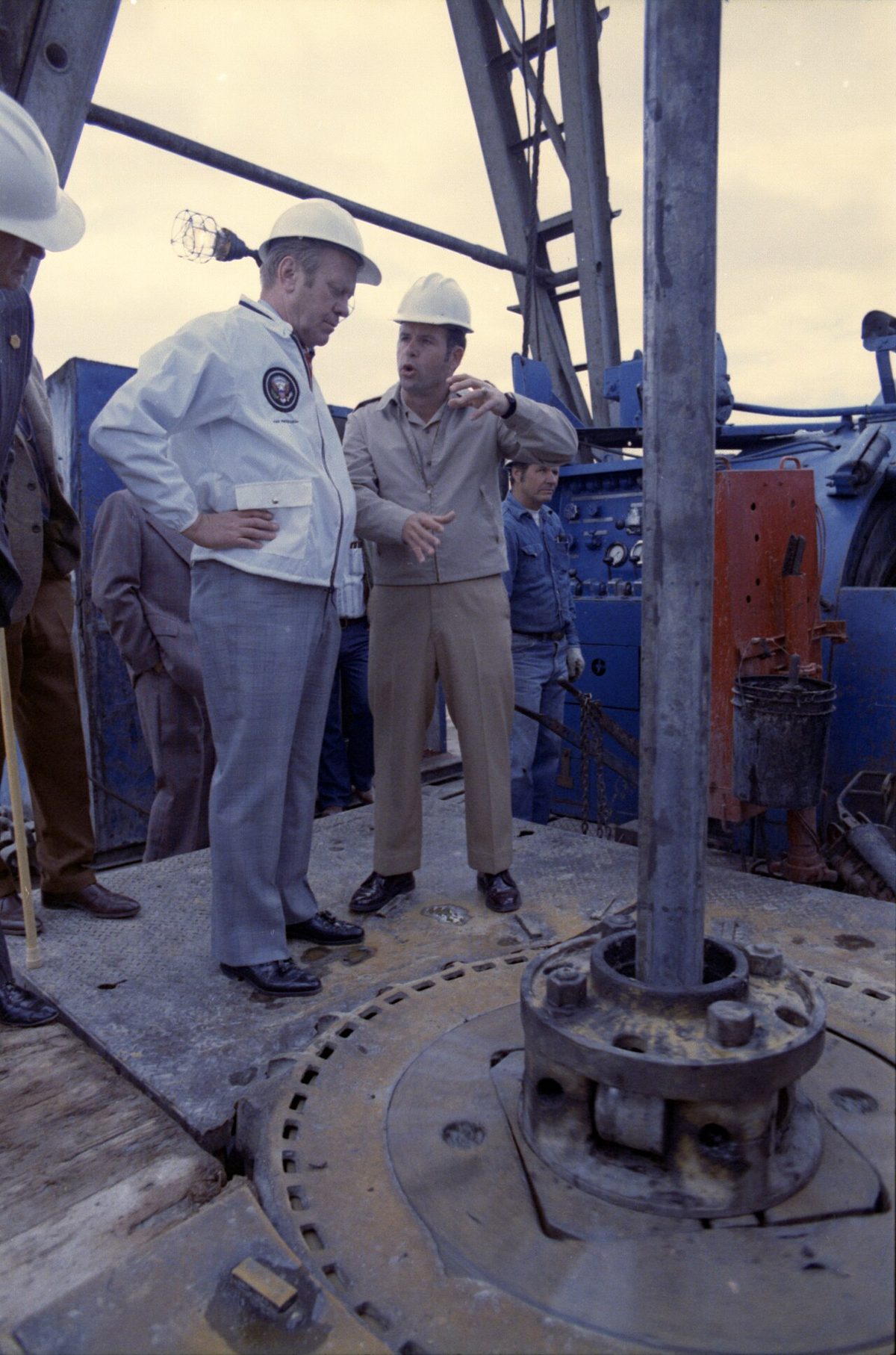
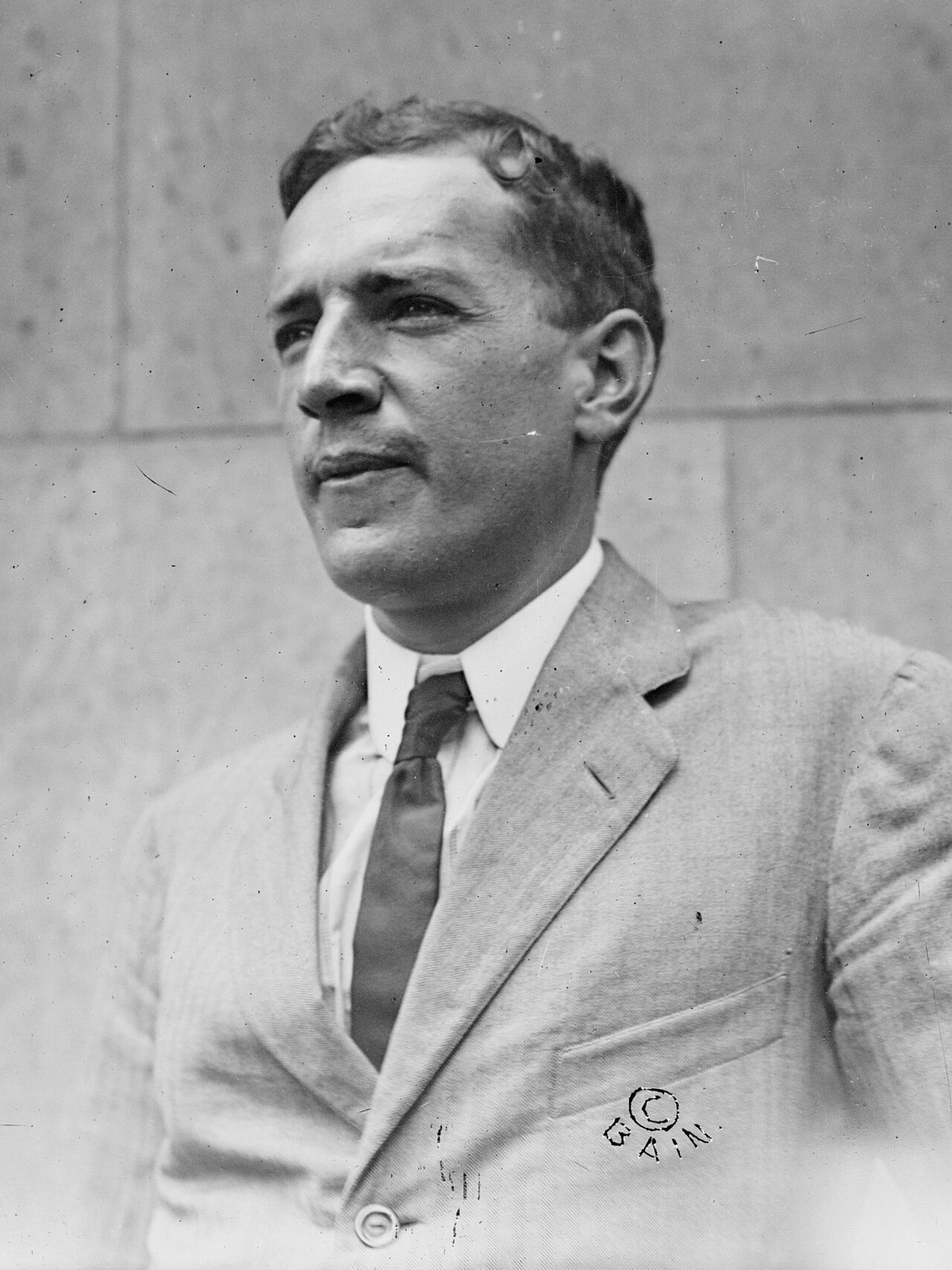
Approved reader comments and ratings are shown on the interactive edition. This plain reading edition does not load them.