The AI Files · Southern Poverty Law Center · plain reading edition
Hate Map, Endowment, Indictment: every entry
All 52 entries of the guide, grouped by period and case, each with its bottom line and its sources. This page needs no JavaScript. The interactive guide adds the story in 20 chapters, the people, the timeline, the theories, the 15 checked claims and the media.
Visual timeline
29 dated events
Founding litigation 1971–1980
Founding and early cases
1971–1980
Incorporating a civil-rights firm in Montgomery
Record · Documented
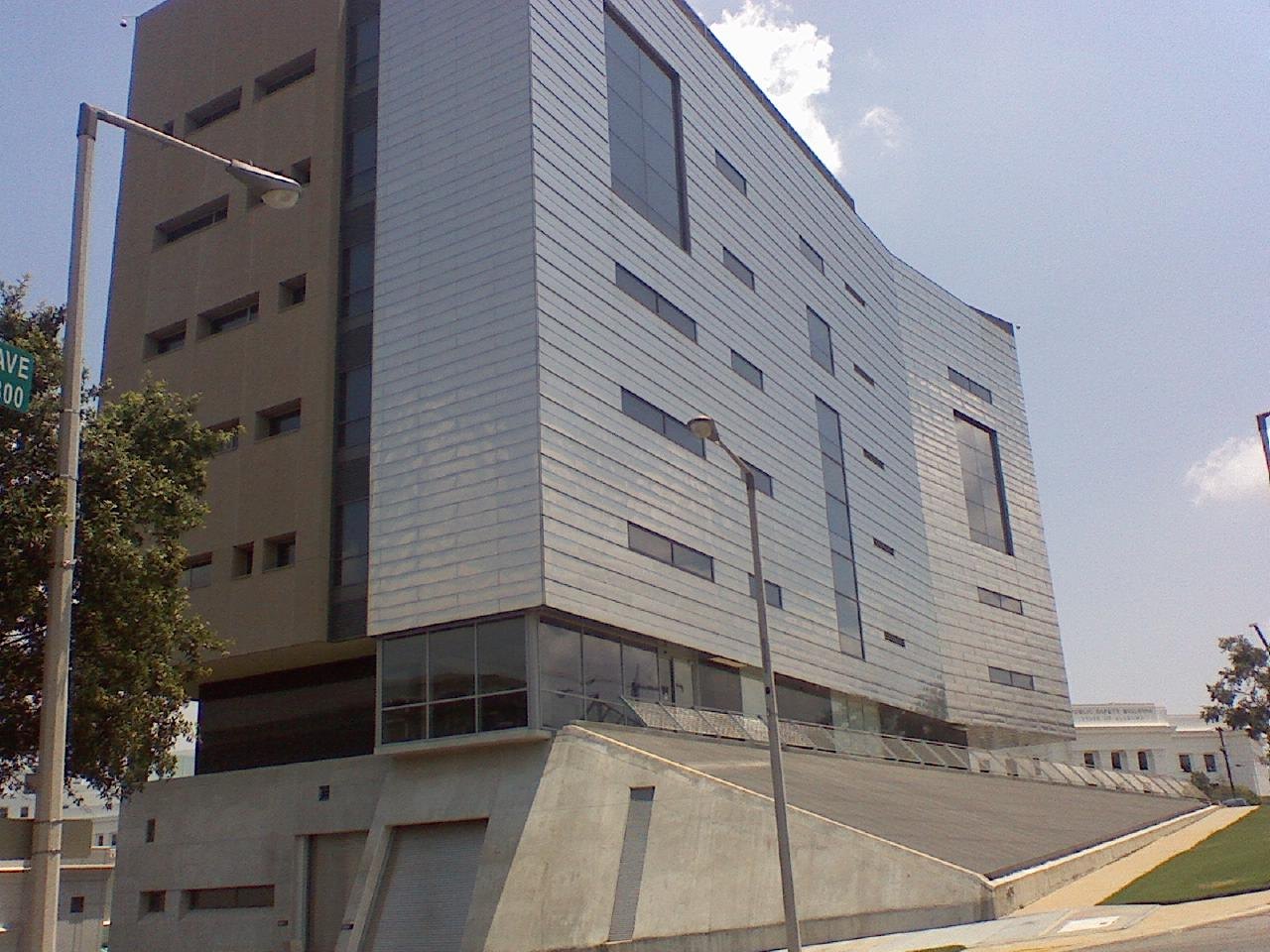
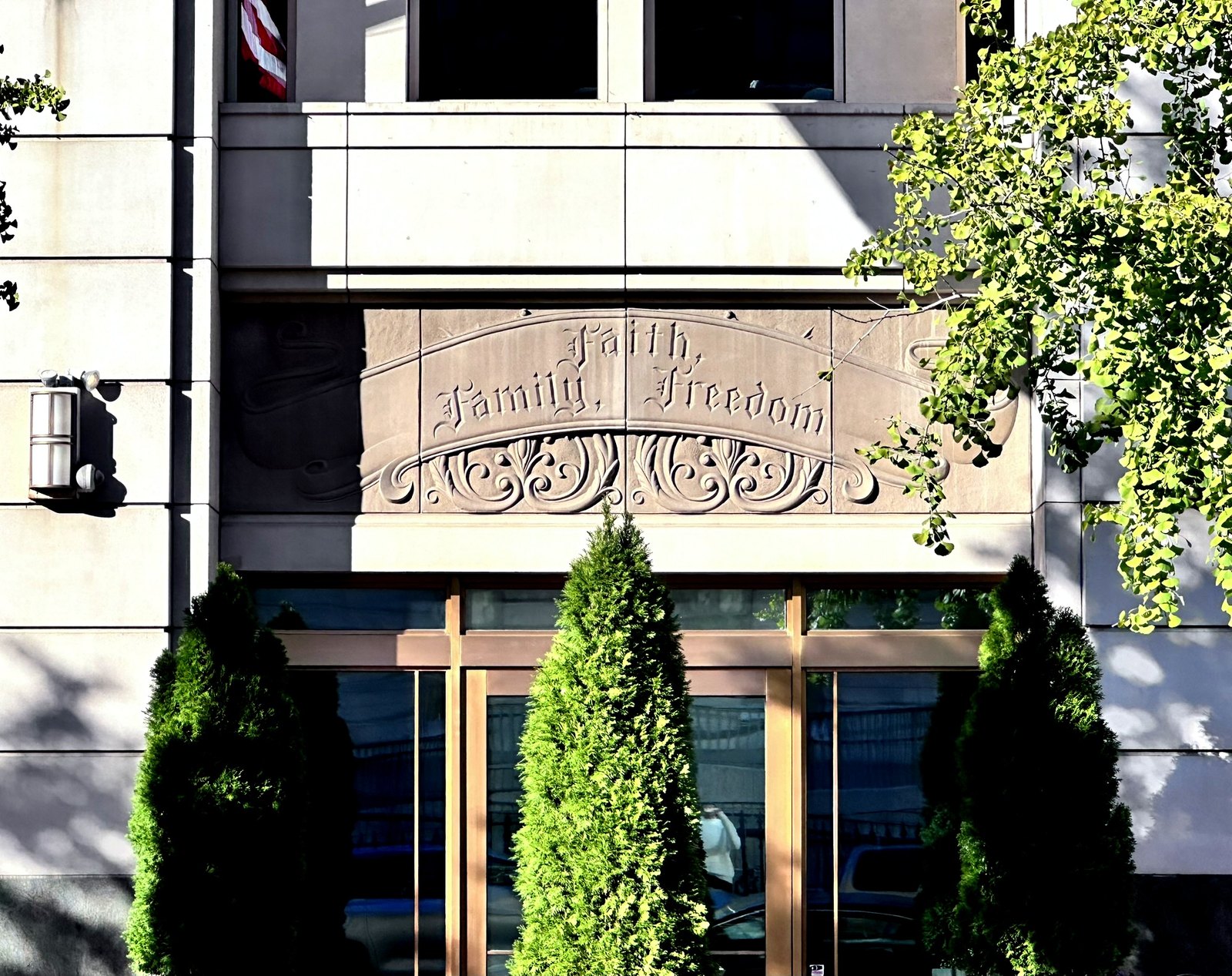
Southern Poverty Law Center building, Montgomery Nameofuser25 / Wikimedia Commons · CC BY-SA 3.0
1971: Dees, Levin, and Bond create the SPLC as a nonprofit litigation shop.
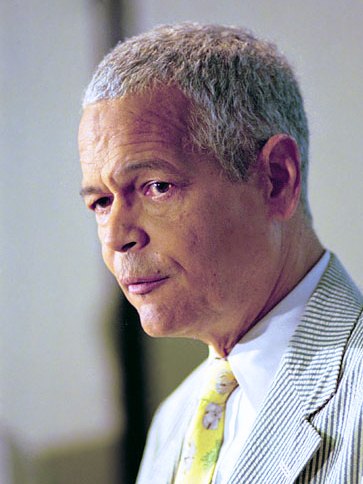
Morris Dees and Joseph Levin had already brought desegregation suits in Montgomery. With Julian Bond as first president, they incorporated the Southern Poverty Law Center in 1971 to keep taking cases clients could not pay for. [1][2]
Early dockets hit recreational facilities, the Alabama Legislature's apportionment, state troopers, and prisons — testing new civil-rights statutes in a resistant South. [1][3]
Bottom line Documented
Founding as a litigation nonprofit is documented in SPLC's own history and mainstream explainers.
What the record can’t settle
SPLC self-history is primary for intent but is advocacy narrative.
Sources
SPLC — Our History SPLC's own institutional history page; primary for self-description of founding and early cases.
Southern Poverty Law Center building, Montgomery Nameofuser25 / Wikimedia Commons · CC BY-SA 3.0
1970s cases integrate institutions and reshape Alabama structures.
SPLC's own history lists desegregation of Montgomery recreation, legislative reapportionment, trooper integration, and prison reforms among early results. [1][2]
These cases built the fundraising brand: a small Montgomery shop taking fights few private lawyers would touch. [3]
Bottom line Documented
Early civil-rights litigation is the uncontested origin story.
What the record can’t settle
Case-by-case dockets are summarized, not reprinted.
Sources
SPLC — Our History SPLC's own institutional history page; primary for self-description of founding and early cases.
Julian Bond's presidency helped SPLC raise national money for Southern cases — the seed of a direct-mail machine later critics would call the real product. [1][2]
Bottom line Partly true
Bond's role is documented; 'real product' is critique.
Hate Map / designations diagram AI Files editorial diagram (not SPLC cartography) · Editorial
1981 monitoring project expands beyond the Klan.
In 1981 SPLC created Klanwatch after a surge in Klan activity. It was later renamed the Intelligence Project as monitoring widened. [1][2]
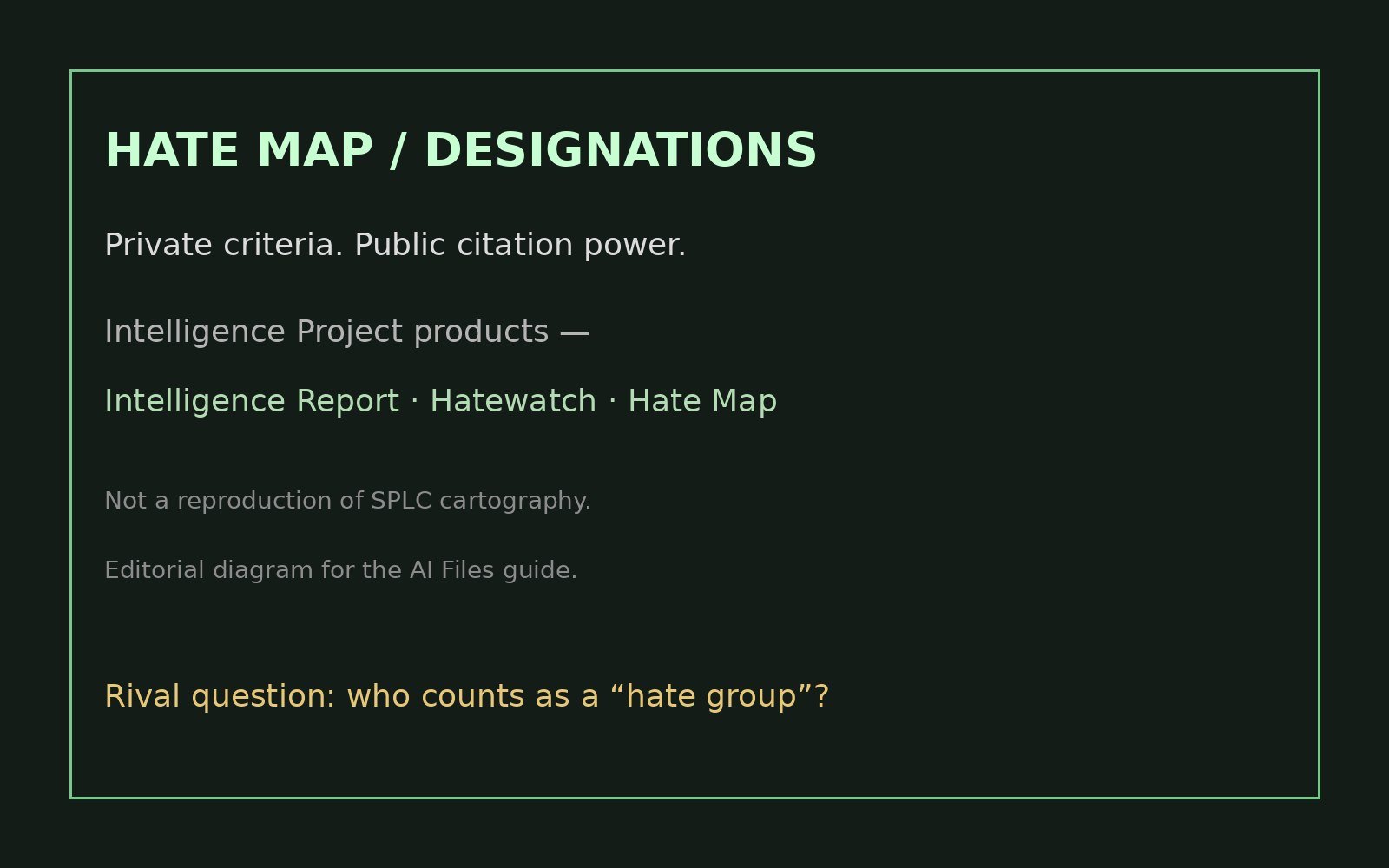
The project produced the Intelligence Report, Hatewatch, and eventually the Hate Map — products that would define the Center's public power more than any single lawsuit. [3][2]
Bottom line Documented
Klanwatch's creation and rename are institutional facts.
What the record can’t settle
Internal budget shares for monitoring vs litigation vary by year.
Sources
SPLC — Our History SPLC's own institutional history page; primary for self-description of founding and early cases.
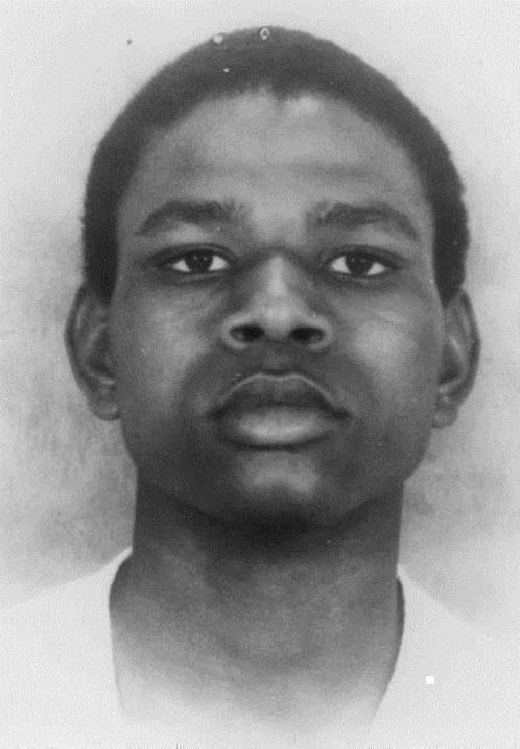
Michael Donald (historical photograph) Public domain / Wikimedia · Public domain
1987: $7M civil verdict bankrupts United Klans of America.
After UKA members lynched Michael Donald in Mobile (1981), SPLC helped his mother Beulah Mae Donald win a roughly $7 million civil judgment that financially destroyed the organization. [1][2]
The case became the template: hold groups and leaders civilly liable for violence their members commit. [3][1]
Bottom line Documented
UKA bankruptcy via civil judgment is a documented landmark.
What the record can’t settle
Collection realities and later UKA fragments are separate.
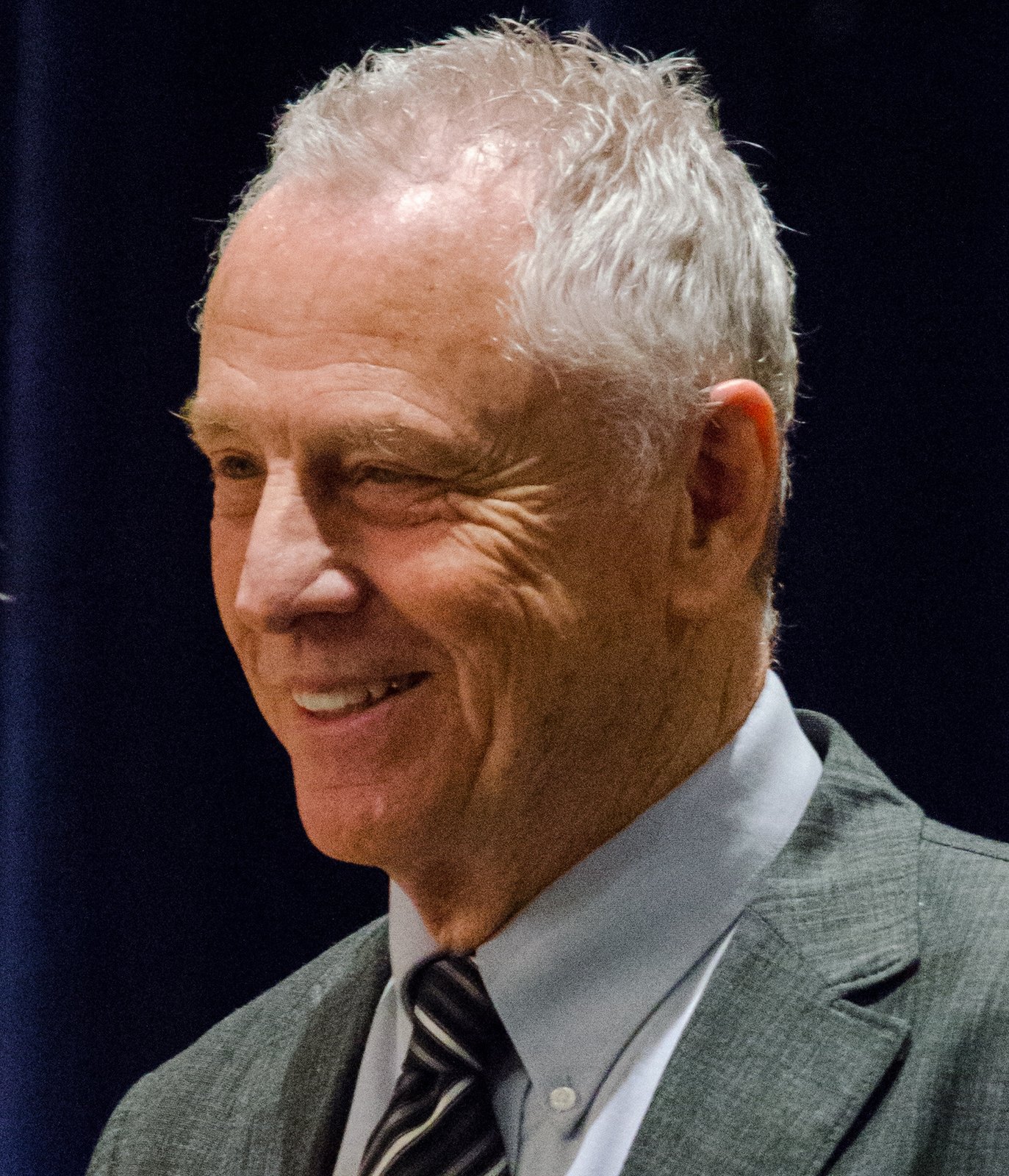
Morris Dees, Boston 2015 Tim Pierce · CC BY-SA 2.0
~1990: large civil award against White Aryan Resistance figures.
SPLC litigation after the murder of Mulugeta Seraw produced a multi-million-dollar judgment against WAR leaders, cited by SPLC as another group-crippling result. [1][2]
Bottom line Documented
Civil judgment against WAR figures is part of the documented damages series.
Michael Donald (historical photograph) Public domain / Wikimedia · Public domain
Bankrupting groups on paper.
SPLC celebrates verdicts that 'cripple' groups; collection against insolvent racists is often symbolic — the political and deterrent story mattered as much as dollars recovered. [1][2]
Bottom line Partly true
Tension between headline verdicts and recoveries is widely noted.
SPLC's public docket in 2024–2026 still lists active civil-rights cases across voting rights, incarceration, children's rights, and more — the work Fair cites against 'lost its way' claims. [1][2]
Hate Map / designations diagram AI Files editorial diagram (not SPLC cartography) · Editorial
Annual map and counts become a default authority.
SPLC's Hate Map and hate-group tallies were routinely cited by newsrooms, tech platforms, and some government actors as a shorthand for domestic extremism. [1][2]
Critics argue the map mixed violent neo-Nazis with mainstream conservative and religious advocacy groups, amplifying stigma and fundraising alike. [3][4]
Bottom line Documented
Wide media citation of the Hate Map is documented; fairness of listings is the fight.
What the record can’t settle
Citation frequency is qualitative without a full content analysis here.
Hate Map / designations diagram AI Files editorial diagram (not SPLC cartography) · Editorial
SPLC criteria are organizational, not governmental.
SPLC's designations are private judgments, not DOJ or court findings. That private status is exactly why platforms and journalists treating them as official drew fire. [1][2]
SPLC defends the criteria as tracking organized ideology that vilifies; critics say criteria expanded into culture-war policing. [3][2]
Bottom line Documented
Private (non-governmental) status of designations is clear.
Hate Map / designations diagram AI Files editorial diagram (not SPLC cartography) · Editorial
How private lists gained quasi-official force.
When social platforms and advertisers used SPLC lists in risk decisions, private designations acquired downstream economic force — central to House critics' 'starve/silence' theory of adjacent fights. [1][2]
Bottom line Partly true
Platform use is attested in oversight critiques; each platform policy differs.
Hate Map / designations diagram AI Files editorial diagram (not SPLC cartography) · Editorial
Publishing arms named in the indictment's donor theory.
The indictment recounts Intelligence Report, Hatewatch, and Dispatch as products donors were told their gifts supported while alleged covert payments ran elsewhere. [1]
Hate Map / designations diagram AI Files editorial diagram (not SPLC cartography) · Editorial
Family Research Council listing becomes a flashpoint.
FRC was among the first large Christian conservative policy organizations SPLC labeled a hate group, a decision FRC and allies call a smear of mainstream belief. [1]
SPLC has maintained that FRC's record on LGBT issues meets its criteria; FRC demands removal especially after the Corkins attack. [1][2]
Bottom line Disputed
The listing and the political fight over it are documented; moral correctness is contested.
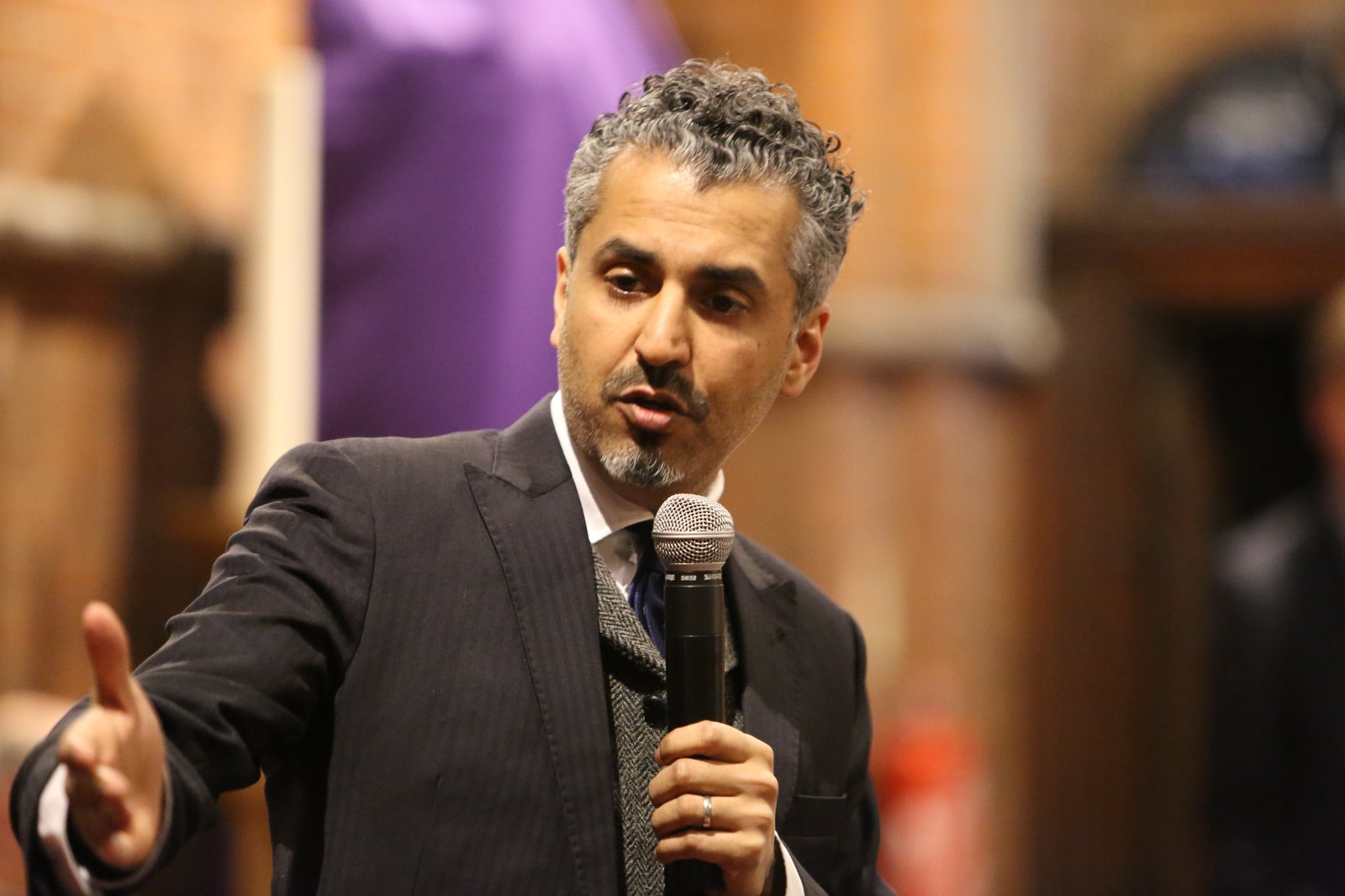
Maajid Nawaz speaking at LibDem campaign event Wikimedia Commons · CC BY 2.0
18 June 2018 settlement forces retraction.
The executed settlement required SPLC to pay $3,375,000, permanently remove the Field Guide, and publish a specific apology stating Nawaz and Quilliam 'are most certainly not anti-Muslim extremists.' [1][2]
SPLC said it would look to insurance for the cost. The episode became Exhibit A for critics of designation quality. [2][3]
Bottom line Documented
Payment amount, apology text, and removal duty are primary-document facts.
Maajid Nawaz speaking at LibDem campaign event Wikimedia Commons · CC BY 2.0
SPLC said carriers would cover the settlement.
SPLC's public statement said it would look to its insurance carrier for the $3.375M cost — a detail that frames the episode as a covered media error as much as a balance-sheet hit. [1]
Morris Dees, Boston 2015 Tim Pierce · CC BY-SA 2.0
Employees describe systemic problems beyond one founder.
Internal emails and anonymous staff interviews described a culture of racism and sexism, alleged ignored harassment reports, and demanded structural reform. [1][2][3]
The revolt framed 2019 as a values crisis inside a civil-rights brand. [4]
Bottom line Documented
Staff allegations and contemporaneous reporting are documented; not all claims were litigated to judgment.
Bryan K. Fair — name card AI Files editorial · Editorial
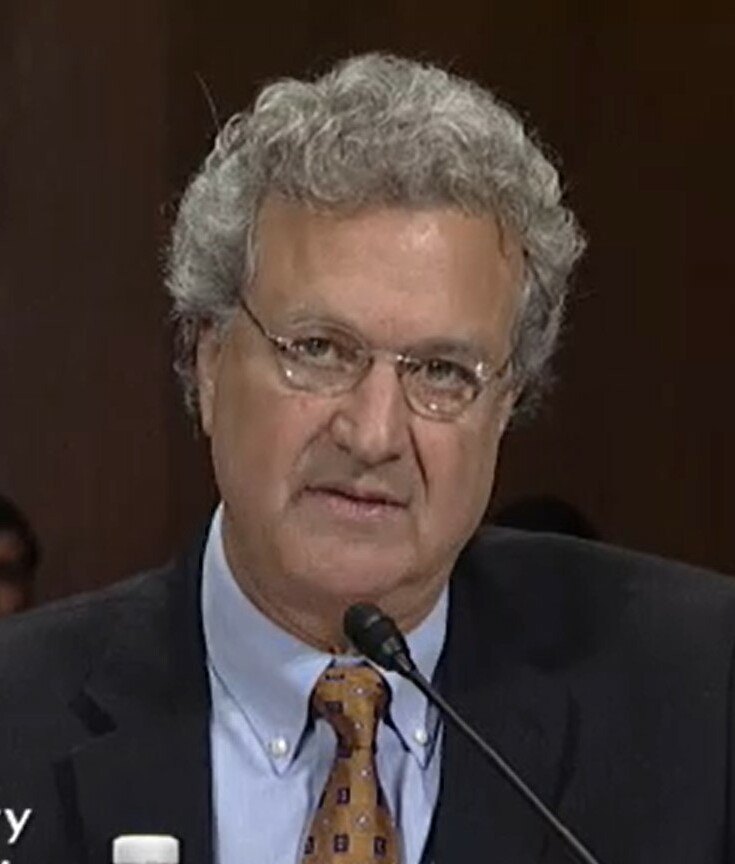
Professor on leave becomes the face of the defense.
Fair's Judiciary testimony says he took a one-year leave from a university professorship to serve as interim CEO — situating 2025–26 leadership as transitional under fire. [1]
Form 990 extract card — SPLC net assets AI Files editorial from ProPublica/IRS figures · Editorial data card
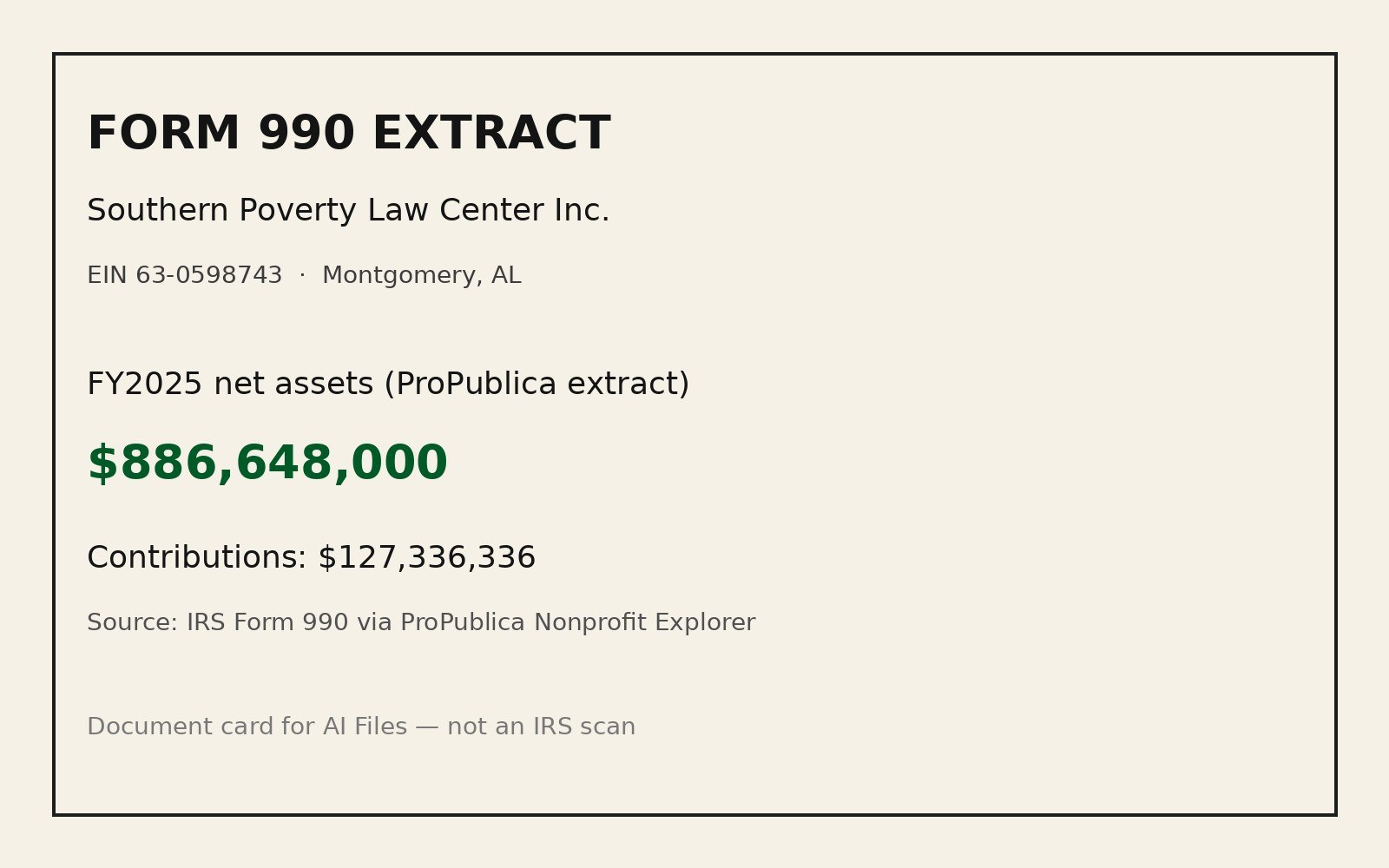
FY2024 ~$787M net assets; FY2025 ~$887M.
ProPublica's Nonprofit Explorer extracts show SPLC net assets of about $786.8 million for the fiscal year ending Oct 2024 and about $886.6 million for FY2025, with contributions still above $100 million. [1]
Critics contrast those totals with 'urgent' small-dollar web appeals. [2][3]
Bottom line Documented
Net asset and contribution figures are IRS-derived extracts.
What the record can’t settle
Investment composition and restricted funds need the full PDF for nuance.
Margaret Huang — name card AI Files editorial · Editorial
Compensation and continuity after the reckoning.
Margaret Huang appears as President/CEO on recent Form 990 extracts with disclosed compensation; senior officers for Intelligence Project and development likewise appear. [1]
Bob Moser — name card AI Files editorial · Editorial
Former staffer essays the fundraising machine critique.
Bob Moser's March 2019 New Yorker piece described a highly effective fundraising operation that staffers joked made 'hate pay,' alongside real litigation pride. [1]
The essay became a bridge between left-internal criticism and long-running external critiques associated with Ken Silverstein and others. [1]
Bottom line Documented
Moser’s essay exists as a major primary journalistic source on culture.
Hate Map / designations diagram AI Files editorial diagram (not SPLC cartography) · Editorial
Citation habit as power.
For years, 'according to the SPLC' functioned as a credential in news copy. That habit magnified both accurate Klan tracking and contested designations. [1][2][3]
Bottom line Documented
Media citation pattern is widely acknowledged across camps.
Bob Moser — name card AI Files editorial · Editorial
Harper's-era skepticism before 2019.
Ken Silverstein's earlier critiques of SPLC fundraising are part of the memory chain Moser and later writers inherit — a left-of-center skepticism that predates the Trump-era right's war on the Hate Map. [1]
Bottom line Partly true
Existence of long-running fundraising criticism is documented via later citations.
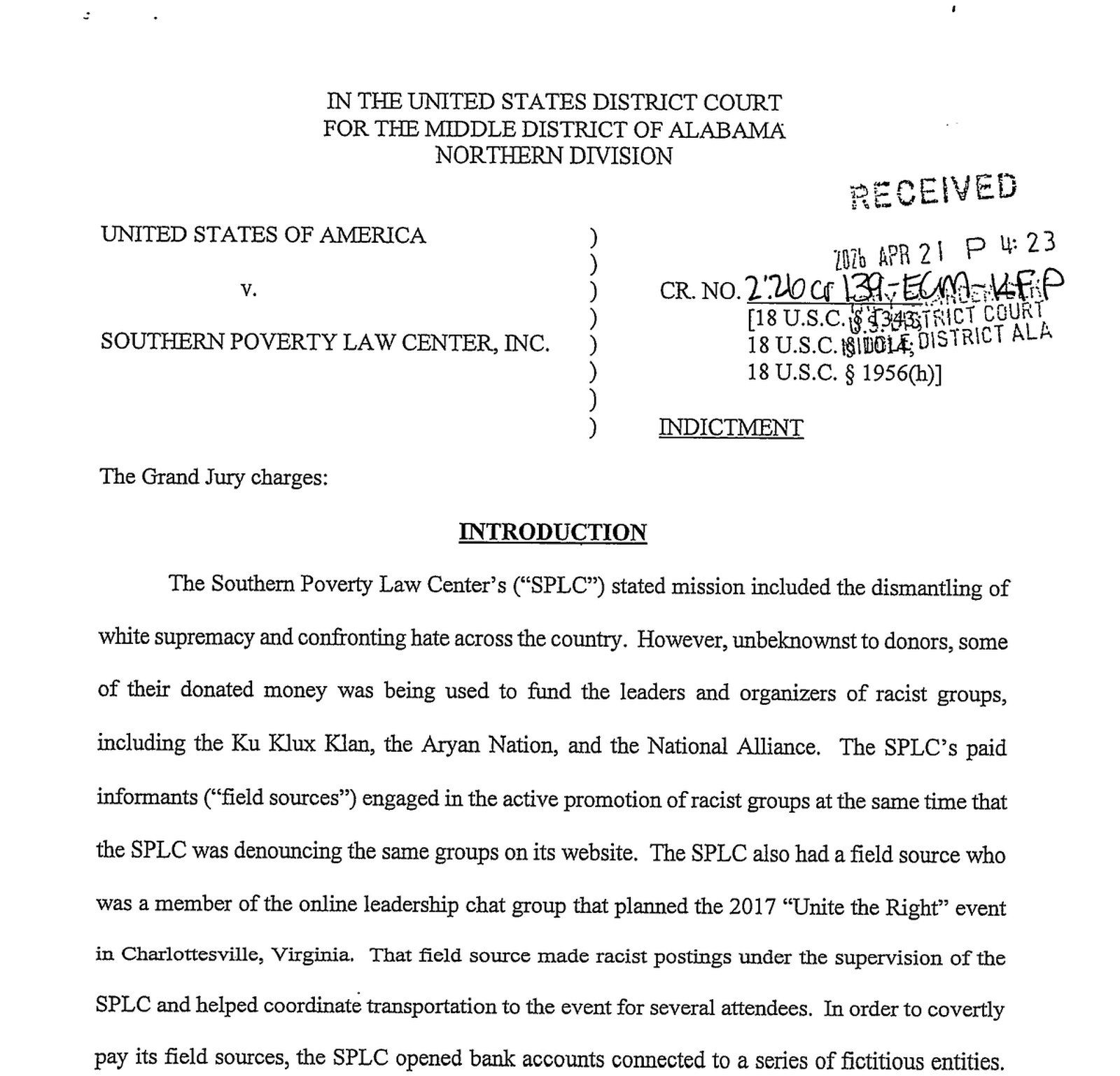
USA v. SPLC indictment — first page crop U.S. District Court / DOJ · Public domain U.S. gov work
SPLC acknowledges a now-ended paid informant program.
SPLC has said it used paid informants for decades to infiltrate or monitor violent groups and shared threat information with law enforcement, while protecting source identities. [1][2][3]
The indictment does not criminalize the idea of informants in the abstract; it alleges donor deception and concealment around how money moved. [4][5]
Bottom line Mixed
Existence of a paid informant program is admitted by SPLC; fraud allegations are contested.
USA v. SPLC indictment — first page crop U.S. District Court / DOJ · Public domain U.S. gov work
Indictment's dollar spine and group list.
The indictment alleges that between 2014 and 2023 SPLC secretly funneled more than $3 million to field sources associated with groups including Klan factions, National Alliance, National Socialist Movement, Aryan Nations–affiliated clubs, and others, and that one source sat in Unite the Right leadership chats. [1][2]
Snopes notes the charging papers allege payments to individuals, not line-item grants to 'the KKK' as a corporate payee — a distinction viral posts often erase. [3]
Bottom line Unproven
Allegation totals and named groups are in the indictment; they are not adjudicated facts.
What the record can’t settle
OCR of scanned PDF used for detail; see PDF for controlling text.
USA v. SPLC indictment — first page crop U.S. District Court / DOJ · Public domain U.S. gov work
CIA, Fox Photography, Rare Books, and the concealment theory.
The indictment alleges SPLC opened accounts in names of unincorporated fictitious entities to disguise payments, then made false statements to banks about ownership and control. [1][2]
Count Eleven frames transfers through those accounts as concealment money laundering of fraud proceeds — again, alleged. [1]
USA v. SPLC indictment — first page crop U.S. District Court / DOJ · Public domain U.S. gov work
Owner's contested claim broken into testable pieces.
Viral posts said DOJ revealed SPLC 'funded' the Klan. Snopes's unpacking: the indictment alleges payments to individuals associated with groups; it does not show corporate grants to Klan treasuries as such; some funds may have been used by recipients for group activity — alleged, unproven. [1][2]
Separate from the indictment is the older incentive critique: that SPLC's fundraising model benefits from perpetual hate tallies ('making hate pay'). That incentive argument can be true or false independently of criminal funding. [3][4]
Bottom line Mixed
Best current public reading: 'funded the KKK' as org-to-org grants — not shown; payments to affiliated individuals — alleged; fundraising incentive — argued for decades.
USA v. SPLC indictment — first page crop U.S. District Court / DOJ · Public domain U.S. gov work
Indictment: a field source in leadership chats.
The indictment alleges an SPLC field source was in the online leadership chat planning Unite the Right, made racist postings under SPLC supervision, and helped coordinate attendee transport — while SPLC says it warned law enforcement about violence risks. [1][2]
Those two sentences can both be investigated without collapsing into a single slogan. [3]
Bottom line Disputed
Both the allegation and the LE-warning claim are on paper; neither is fully adjudicated here.
USA v. SPLC indictment — first page crop U.S. District Court / DOJ · Public domain U.S. gov work
SPLC says informant intel helped stop a Las Vegas plot.
SPLC states that in 2019 it gave law enforcement information about an Atomwaffen Division member planning a major attack in Las Vegas, leading to charges and a thwarted plot. [1]
Independent full case files are not reproduced on this page; treat as SPLC's asserted example of LE value. [2]
Bottom line Partly true
Asserted by SPLC in court-related press; not independently re-tried here.
What the record can’t settle
Public docket details of that prosecution not fully linked here.
USA v. SPLC indictment — first page crop U.S. District Court / DOJ · Public domain U.S. gov work
21 April 2026 grand jury indictment in M.D. Alabama.
DOJ announced 11 counts: wire fraud, false statements to a federally insured bank, and conspiracy to commit concealment money laundering, plus forfeiture actions. [1][3]
Acting AG Todd Blanche and FBI Director Kash Patel cast the case as donor fraud and payments that allegedly fueled extremist activity — language SPLC calls a mischaracterization. [1][4]
Bottom line Documented
The indictment's existence and count structure are primary facts; guilt is unproven.
What the record can’t settle
No individual defendants named in the org-level indictment.
SPLC motions and statements assert informants' reporting went to FBI Mobile and other agencies before Unite the Right, helped stop an Atomwaffen plot, and aided other cases — contradicting Blanche's televised claim of 'no information' of LE sharing. [1][2][3]
If credited, the defense reframes payments as threat intelligence costs, not a plot to enrich Klansmen. [4]
Bottom line Disputed
SPLC's claimed LE-sharing examples are asserted in court filings and press; full corroborating FBI files are not all public.
Bryan K. Fair — name card AI Files editorial · Editorial
7 May 2026 arraignment.
SPLC pleaded not guilty. Interim CEO Bryan Fair called the charges 'provably wrong' and said the informant program prevented threats and saved lives. [1]
USA v. SPLC indictment — first page crop U.S. District Court / DOJ · Public domain U.S. gov work
Former prosecutors and ethics scholars skeptical.
CBS and the Alabama Reflector quoted former federal prosecutors and ethics scholars arguing that paying confidential sources inside extremist groups is ordinary intel work and a poor fit for criminal fraud charges in this posture. [1][2]
That skepticism is itself contested by DOJ's public theory of donor deception and bank lies. [3]
Bottom line Disputed
Expert skepticism is documented journalism; it is not a court ruling.
What the record can’t settle
Whistleblower claims of rushed indictment are reported, not adjudicated.
Bryan K. Fair — name card AI Files editorial · Editorial
Oversight parallel to the criminal case.
Fair's June 2026 written testimony defends 55 years of work and condemns political violence while rejecting misrepresentations of the informant program. [1]
Critical testimony (e.g. Perkins) attacks the Hate Map, cites Corkins, and highlights endowment scale. [2]
Bottom line Documented
Hearing record exists; it is political oversight, not a verdict.
USA v. SPLC indictment — first page crop U.S. District Court / DOJ · Public domain U.S. gov work
Legal and reputational implications — conditional.
IF prosecutors proved donor deception, bank fraud, and concealment as charged, SPLC would face criminal liability, forfeiture, and a collapse of trust among donors who believed funds only fought hate. [1][2]
IF the stronger claim — that payments materially fueled extremist organizing — were proved, media and platform reliance on SPLC designations would face a historic credibility crisis. Those are conditional implications, not findings. [3][4]
Bottom line Unproven
Implications are logical consequences of proof — proof is not established.
What the record can’t settle
Civil exposure and insurance fights would be separate tracks.
USA v. SPLC indictment — first page crop U.S. District Court / DOJ · Public domain U.S. gov work
No named human defendants in the indictment as announced.
Reuters and DOJ materials describe charges against the SPLC as an organization; no individuals were named as defendants in the announced indictment. [1][2]
DOJ called the investigation ongoing as to individuals. [2]
Bottom line Documented
Org-only charging posture is documented in announcements.
SPLC motions target Acting AG Blanche's public statement that the government had 'no information' SPLC shared informant learnings with law enforcement. [1][2]
Whether that statement was false before the grand jury is what SPLC wants transcript review to test. [1]
Bottom line Disputed
Conflict between DOJ rhetoric and SPLC document claims is documented as a dispute.
Southern Poverty Law Center building, Montgomery Nameofuser25 / Wikimedia Commons · CC BY-SA 3.0
Primary first; slogans last.
Court PDFs, settlements, and Form 990s lead. DOJ and SPLC claims are paired. Viral 'funded the KKK' language is decomposed. Grokipedia is never cited. [1][2][3]
Southern Poverty Law Center building, Montgomery Nameofuser25 / Wikimedia Commons · CC BY-SA 3.0
Watchdog vs machine — both need the same timeline.
Path A: SPLC as imperfect but real civil-rights litigator that also ran risky intel. Path B: SPLC as fundraising and designation machine for whom hate tallies are inventory. The 2026 case is where Path B claims criminal teeth — still unproven. [1][2][3]