The AI Files · Kristin Robbins — person topic under Minnesota Fraud Files · plain reading edition
Kristin Robbins: every entry
All 12 entries of the guide, grouped by period and case, each with its bottom line and its sources. This page needs no JavaScript. The interactive guide adds the story in 16 chapters, the people, the timeline, the theories, the 4 checked claims and the media.
Kristin Robbins enters this guide as a person topic whose Minnesota hinge is investigative YouTube media about daycare and CCAP dollars in late 2025, nested under Minnesota Fraud Files. Pandemic-era FOF climate is drawer context — not his charging caption.
Read publication first, then method, then pushback. Do not promote a door-knock to a wire-fraud information.
How to read court, donor, and “knew” language
Record · Documented
library — from Omar associations free-licensed pool As credited in Omar associations guide · Free license as credited in Omar associations
Door-knock and exterior observation paired with narrated payment figures; records method (attendance vs billing) is the required bridge before past-tense fraud language.
Charges, trials, pleas 2022–2024
Court & DOJ spine
Charges, pleas, verdicts, sentences
Daycare video climate — Omar not charged
Record · Mixed
minneapolis — from Omar associations free-licensed pool As credited in Omar associations guide · Free license as credited in Omar associations
Kristin Robbins’s December 2025 viral investigative video alleged empty Somali-run daycares; state inspectors said filmed centers were operating as expected; federal warrants followed in 2026. Omar is not a defendant.
December 26, 2025 Shirley video filmed Somali-owned Twin Cities child-care sites and narrated large public-dollar receipts. Star Tribune and DCYF later contested empty-center inferences while noting further review.
Keep CCAP program totals, Shirley’s fraud estimate, and any future plea amounts in separate boxes.
Verdicts, sentences, oversight 2025–2026
Political & Omar adjacency
Donors, staff, videos, “knew” claims
Rival paths about Kristin Robbins
Steel-man · Contested
gavel — from Omar associations free-licensed pool As credited in Omar associations guide · Free license as credited in Omar associations
Prosecution / oversight critique vs ordinary-representation or separate-liability readings.
Court-first, access-enabled, ordinary-representation, and wrong-Omar hygiene paths share the Dec 26 publication and diverge on fraud inference and political adjacency.
Steel-man each path against the critical-path cards before dismissing it.
Viral daycare / fraud video wave
Record · Documented
courthouse — from Omar associations free-licensed pool As credited in Omar associations guide · Free license as credited in Omar associations
Star Tribune field visits, CNN interview challenges, and DCYF “operating as expected” compliance narrative — Path B hinges that do not erase the primary upload.
Omar / DFL adjacency in commentary
Open question · Partly documented
courthouse — from Omar associations free-licensed pool As credited in Omar associations guide · Free license as credited in Omar associations
Open Minnesota Fraud Files for the parent map, CCAP for program design, Omar associations for the spider, Feeding Our Future for nutrition charging, and James O’Keefe for a different investigative-media spine.
YouTube as primary distribution
Record · Documented
courthouse — from Omar associations free-licensed pool As credited in Omar associations guide · Free license as credited in Omar associations
Person deep under Minnesota Fraud Files (hubChild). Nest gateways point here; this page is the maintained encyclopedia record.
Chapter 1: Who Kristin Robbins is on this map
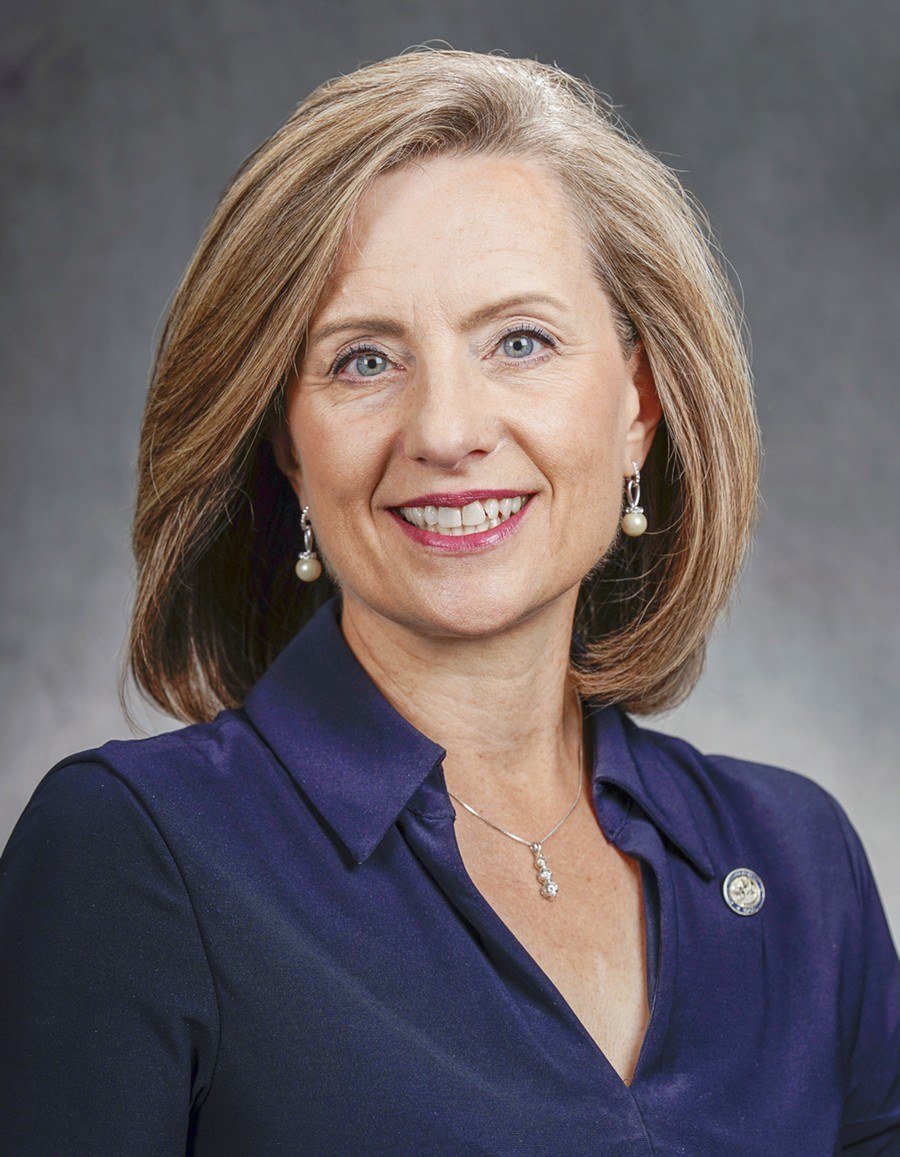
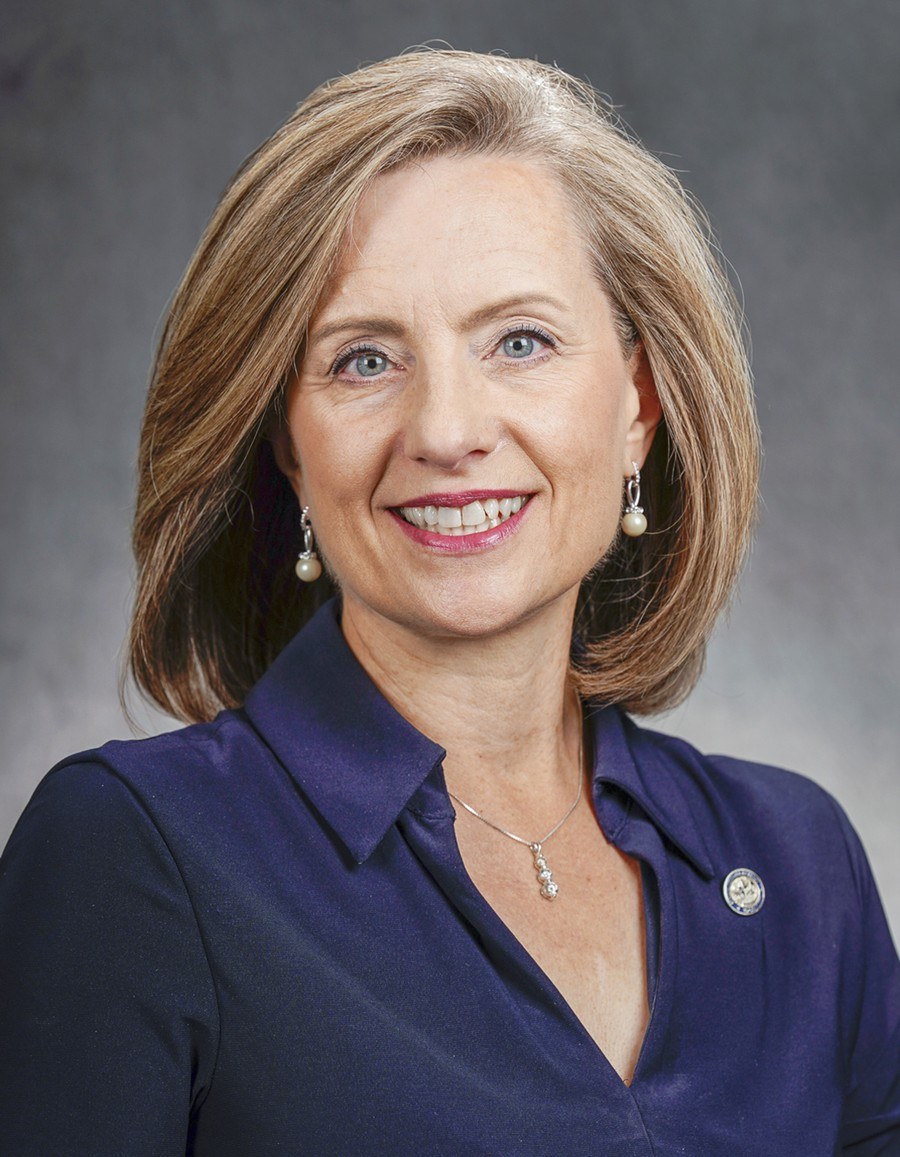
Official Minnesota House portrait — Rep. Kristin Robbins (R–37A). Minnesota House of Representatives official member photo
Kristin Robbins is a Republican member of the Minnesota House of Representatives from Maple Grove. She was first elected in 2018 (then District 34A) and, after redistricting, represents District 37A — western Maple Grove and nearby Hennepin County suburbs including Corcoran, Greenfield, Independence, Loretto, Maple Plain, and Medina. The official legislative biography lists a B.A. in economics and political science from Bethel University, an M.A. in economics from Washington University in St. Louis, prior work as executive director of the Economic Club of Minnesota, and earlier service as a congressional legislative director in Washington. Those credentials matter here only as identity and résumé: they place her in the legislature; they do not make her a Feeding Our Future defendant or a charged party in any Minnesota fraud indictment on this spine.
On the Minnesota Fraud Files map she is a MEDIUM-tier person topic because she chairs the House Fraud Prevention and State Agency Oversight Policy Committee — the chamber’s dedicated fraud-oversight panel in the 2025–2026 session — and because that panel’s most visible contested act on the Omar / Feeding Our Future document lane was a May 5, 2026 subpoena motion that failed in committee. The hub blurb that pointed readers here said she “pushed [a] subpoena that failed in committee.” That sentence is the claim this guide answers: not whether Ilhan Omar is guilty of a crime (she has not been charged in Feeding Our Future), and not whether Robbins herself faces indictment (she does not). The asked claim is about legislative oversight process — invitations, a document letter, a roll-call subpoena vote, and a follow-on appeal to congressional chairs.
Epistemology stays sticky from the first paragraph. Association with fraud oversight is not a finding that Robbins “knew” of criminal schemes in the DOJ sense. Oversight speech is not a court judgment. A failed subpoena is a committee-procedure fact with a public roll call; it is not proof that the sought documents contain wrongdoing, and it is not proof that Democrats who voted no were “covering up” a charged crime. Rival readings of motive are mapped later. The spine that must hold is the public legislative record: chairmanship, hearing minutes, letter dates, the 5–3 vote, and the May 8 letters seeking federal help.
Robbins’s public biography is ordinary for a suburban Republican legislator — Maple Grove roots, House service, committee leadership — until the Feeding Our Future scandal made fraud oversight a headline lane. This page does not treat biography as character evidence for or against her subpoena strategy. It treats biography as the identity layer that makes the May 5 roll call intelligible: who moved the compel, under what committee rules, and with what public record behind the ask.
Chapter 2: Oversight lane, not a defendant lane
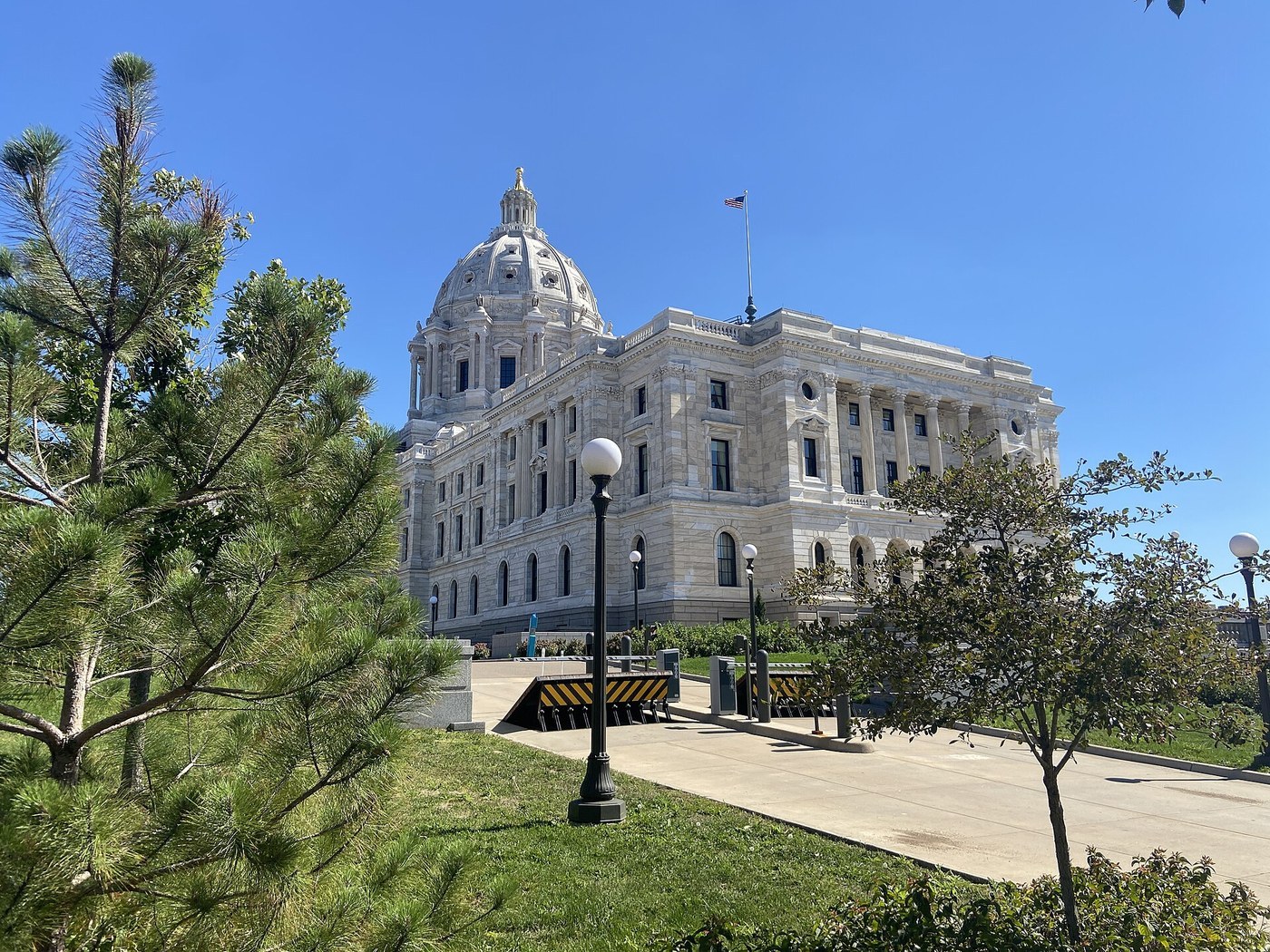
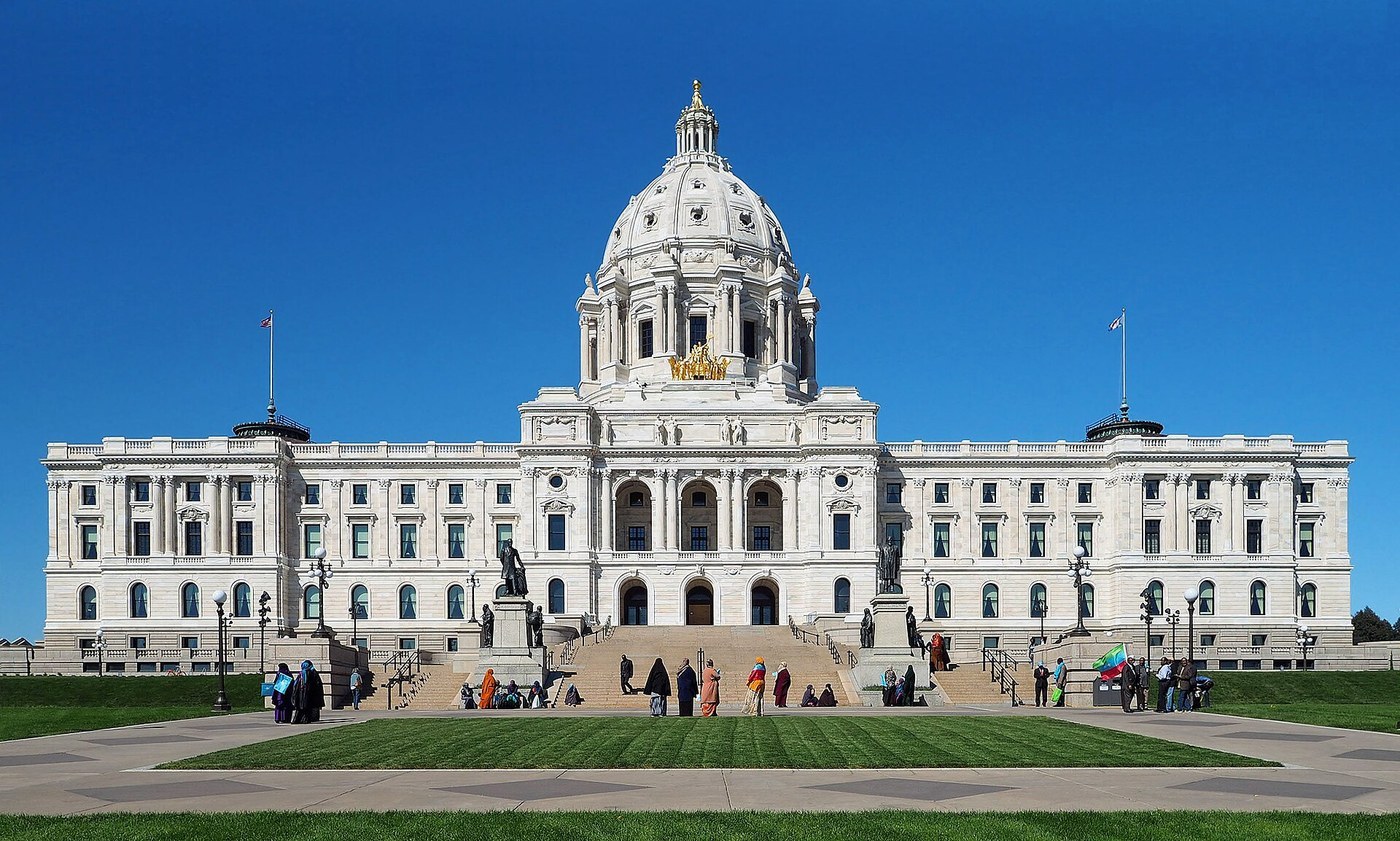
Minnesota State Capitol — Saint Paul (committee home). Wikimedia Commons · CC BY-SA 4.0
Minnesota Fraud Files person pages often open on charging papers, search warrants, or pleas. Robbins’s page does not. There is no USAO information naming her, no federal indictment, and no state criminal complaint on this topic’s spine. Treating her as if she were a co-defendant of Aimee Bock or a childcare-information defendant would invent an edge the record does not supply. The correct lane is legislative oversight of state grant and agency systems after Feeding Our Future and related program scandals, plus the committee’s contested effort to compel documents from a sitting member of Congress whose office appears on a federal trial exhibit list.
That distinction protects two audiences. Readers who arrive from partisan feeds expecting a “gotcha” charging story need the correction: this is hearings, letters, and votes. Readers who arrive from Omar-defense feeds expecting the page to dissolve into “nothing happened” need the other correction: the committee did invite Omar, did send an April 22, 2026 document request with a May 5 deadline, did take a roll-call subpoena vote when the deadline passed without production, and did lose that vote 5–3 under a six-vote threshold. Those process facts are documented in House minutes and Session Daily coverage. They remain facts even when no DOJ charge against Omar follows.
Cross-links on this page stay evidence-edged. Feeding Our Future is the federal scheme climate that generated Bock trial exhibits. Omar associations is the spider for campaign and office adjacencies labeled without inventing co-conspirator status. Child Care Assistance / CCAP and Shirley-era daycare video climate are sibling program controversies that appeared in the same committee’s wrap-up materials; they are not Robbins’s personal charging theories. Ukraine-war content stays off this site entirely. Grokipedia is never a source.
Committee jurisdiction matters because the asked claim is about a failed compel inside that jurisdiction — not about Robbins’s floor votes on unrelated bills. Readers who want a full voting scorecard should use the House member site; readers who want the fraud-oversight story should keep the February 2025 standing-up of Fraud Prevention as the first load-bearing process fact after identity.
Chapter 3: Chair of Fraud Prevention & State Agency Oversight
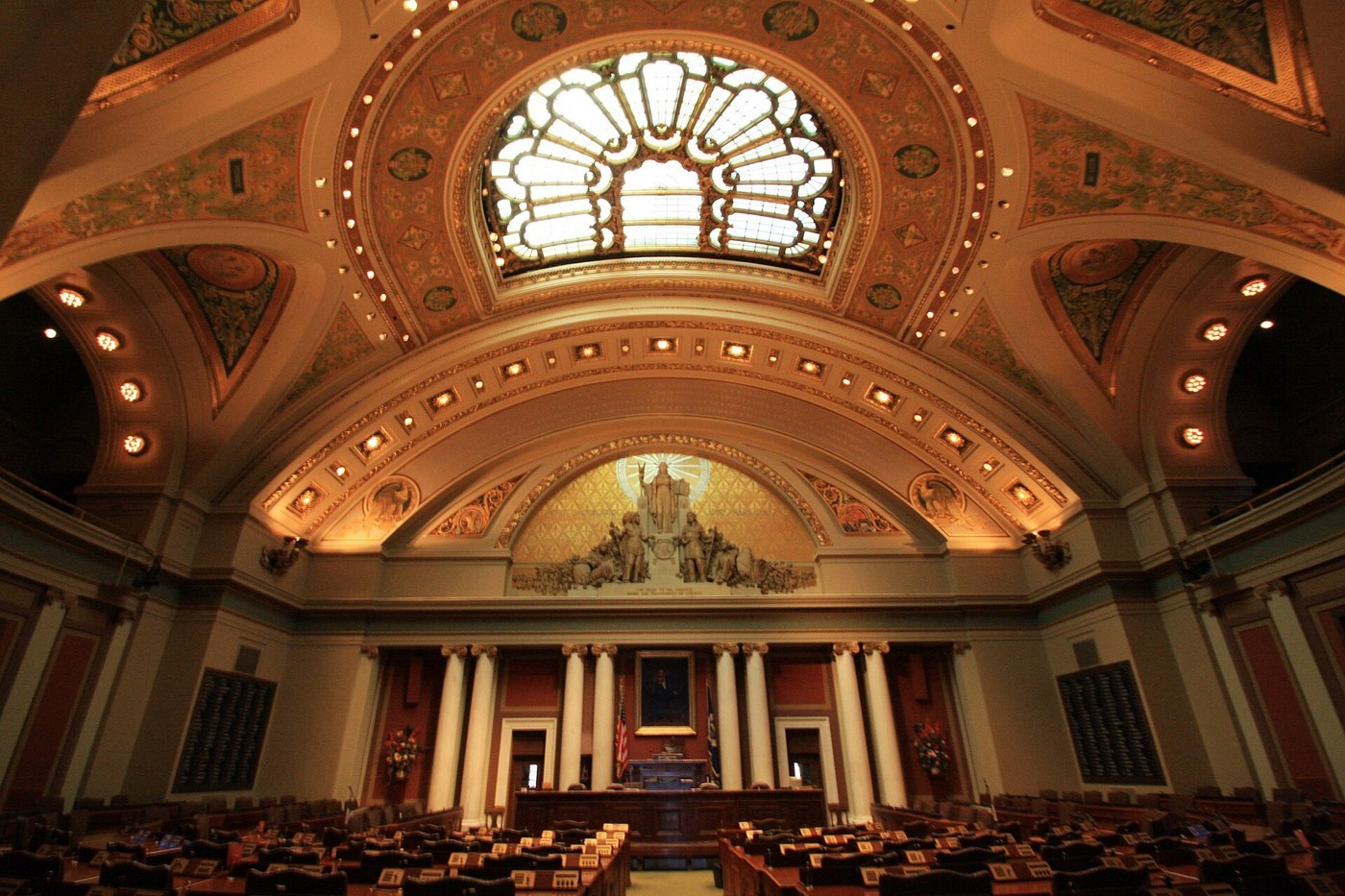
Minnesota House chamber — State Capitol, Saint Paul. Wikimedia Commons · license per file page
In the 2025–2026 biennium Robbins chairs the House Fraud Prevention and State Agency Oversight Policy Committee. The panel’s public home and membership lists identify her as chair, Rep. Patti Anderson as vice chair, and Rep. Dave Pinto as DFL lead, with a small membership that mattered later for the subpoena math: five Republicans and three Democrats, with six votes required to authorize a legislative subpoena under the tied-House working agreement Session Daily described. Committee rules and hearing calendars place regular meetings at the Capitol; the May 5, 2026 final meeting of the session sat in room G3.
Chairmanship is power and constraint at once. Robbins controlled agendas, invitations, and the decision to tee up a subpoena motion. She did not control a majority large enough to hit six votes without at least one Democratic aye. That arithmetic is not gossip; it is the institutional reason the May 5 motion could fail even with every Republican present voting yes. Any serious reading of “pushed a subpoena that failed” has to keep both halves: she pushed it as chair, and the committee’s vote rule meant three Democratic nays were enough to kill it.
Earlier in the same session the committee’s public work included grant-oversight and agency-accountability hearings that are not identical to the Omar document fight. Collapsing every hearing into the May subpoena flattens the record. The person topic keeps the chairmanship as a standing fact, then walks the dated beats that lead to the failed motion without pretending every OLA grant hearing was secretly about Omar.
Hearing calendars in 2025–2026 mixed Feeding Our Future aftermath, childcare-video climate, and agency-response testimony. Those topics create political heat; they do not substitute for the later Omar-document vote. Keep the calendar as climate and the May 5 minutes as the tip’s spine.
Chapter 4: February 2025 — first hearing on grant oversight
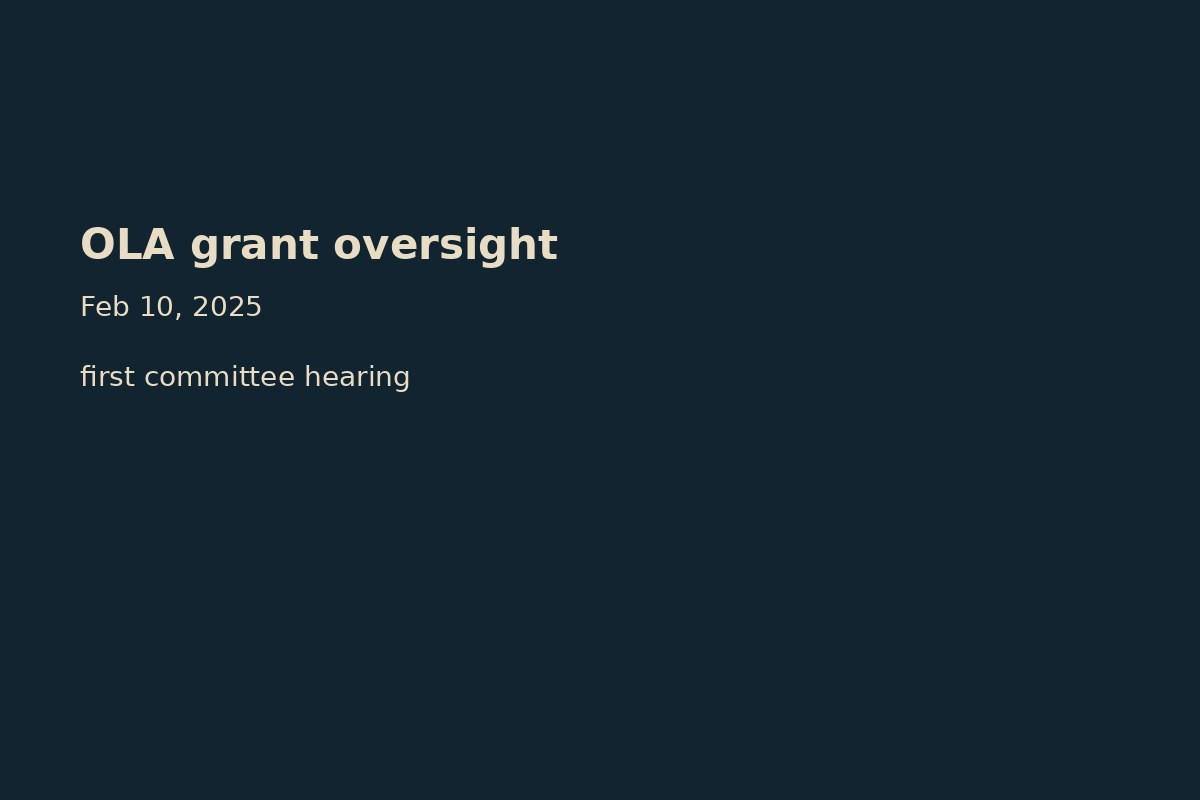
Typographic plate — OLA grant-oversight hearing climate (Feb 10, 2025). AI Files site-made plate · facts from MN House release
On February 10, 2025, Robbins’s newly formed committee held its first official hearing and took testimony from the Office of the Legislative Auditor on oversight of state-funded grants to nonprofit organizations. The chair’s public release framed the mission as stopping waste after contemporaneous fraud-tracking totals cited in the hundreds of millions and as ensuring dollars reach intended recipients rather than abuse. That hearing is the opening public beat of the committee’s life — primary for “what did this panel exist to do?” — and it is about agency and grant systems, not a subpoena of a member of Congress.
Readers should not rewrite February 2025 as if the Omar exhibit-list fight already defined the committee. The later May 2026 motion sits on top of more than a year of hearings, whistleblower intake, and fraud-portal work the chair’s own updates described. Memory of the committee’s purpose drifted in public talk toward the Omar confrontation because that fight was media-salient; the dated record still begins with OLA grant oversight and agency recommendations. Path A (legislative oversight chronology) keeps February as load-bearing. Path B (Omar-centric scandal narrative) often skips it.
Method note without process lecture: this guide prefers House releases, committee minutes, Session Daily, and contemporaneous local press for legislative facts. It prefers DOJ and court primaries for Feeding Our Future charging and convictions. It does not launder a chair’s press quote into a finding that a named federal officeholder committed a crime.
Federal child-nutrition and COVID-era emergency flexibilities are the climate, not Robbins’s personal charging history. Readers who want indictment calendars should open Feeding Our Future and related defendant topics; readers who want the oversight vote should stay here.
OLA and DHS audit language is useful for scheme climate. It is not a proxy indictment of Robbins, Omar, or any legislator. When this guide cites audit climate, it is explaining why a fraud-prevention committee had work — not laundering an auditor’s finding into a Member’s guilt.
Chapter 5: Feeding Our Future climate and Bock trial exhibits
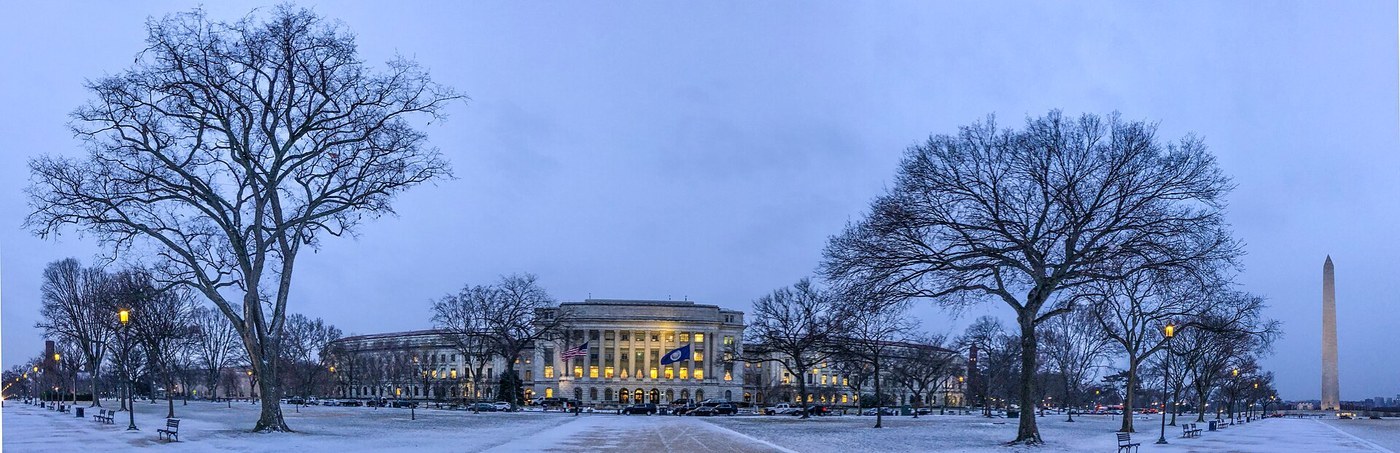
USDA Whitten Building — federal nutrition-program home. Wikimedia Commons · public domain (USDA)
Feeding Our Future is the large federal Child Nutrition pandemic-era fraud scheme prosecuted in Minnesota federal court, with founder Aimee Bock among those convicted. Robbins’s oversight lane intersects that scheme because trial exhibit lists in United States v. Bock described communications involving Rep. Ilhan Omar’s office — including email and text chains in early 2021, one described as concerning help with a USDA food program. Those exhibit-list descriptions are real court-adjacent records; they are not the same thing as published full email bodies on this page, and they are not a DOJ charge against Omar.
Robbins and Republican colleagues argued the exhibit list made Omar’s office a legitimate oversight target for the state House fraud panel: invitations to appear, then a written document request, then a subpoena motion when production did not arrive. Democratic lead Pinto argued the late-session push lacked practical value and that federal authorities — not a short-handed state committee — were the right venue if wrongdoing existed. Both arguments are political speech on a legislative record. Neither converts exhibit-list descriptions into proven contents of the underlying messages, and neither invents an Omar indictment that does not exist.
This chapter’s job is climate, not a second Feeding Our Future encyclopedia. Full scheme depth lives on the Feeding Our Future full guide. Here the climate matters because without Bock-case exhibit references, the April letter and May subpoena motion lose their stated documentary hook. If that hook is erased, Robbins’s Omar document campaign looks like pure partisan theater with no paper trail. If the hook is inflated into “Omar was convicted,” the guide invents guilt. Hold the middle: exhibit list → oversight demand → failed compel → open questions about unproduced content.
Feeding Our Future charging announcements name defendants and alleged dollar totals. Omar is not among those defendants on the DOJ pages this research pass used. That absence is a fact of the charging record, not a claim that document requests about exhibit-listed correspondence are illegitimate. Oversight can ask for records without the ask becoming a substitute indictment.
Chapter 6: MEALS Act claim — legislative argument, not a verdict
Typographic plate — MEALS Act as legislative claim lane. AI Files site-made plate
Robbins repeatedly tied Omar to pandemic nutrition-program design by pointing to Omar’s sponsorship role on the federal MEALS Act and arguing that statute “took the guardrails off” school nutrition rules and “created the conditions” for Feeding Our Future. That is a legislative-causal claim advanced in committee and in press releases. It is not a DOJ statement of offense against Omar, and it is not a judicial finding. This guide records the claim as Robbins stated it, labels it as oversight rhetoric about statute design, and refuses to upgrade it into a criminal adjudication.
Rival readings diverge here. Path A (oversight chronology) treats MEALS Act sponsorship as one reason Robbins said Omar’s testimony would help the committee understand Minnesota’s fraud environment — a policy and communications inquiry. Path C (partisan shield narrative) treats the MEALS Act talking point as a smear that substitutes statute authorship for proof of personal fraud. Path B (Omar-centric guilt narrative) sometimes treats MEALS Act sponsorship as near-proof of scheme participation. Spec fitness requires keeping Path A’s documentation while mapping B and C as theories that must still face the absence of an Omar FOF charge and the unproduced state of the sought emails.
No CNN-hedge on the asked claim: did Robbins push a subpoena that failed? Yes — minutes and Session Daily say so. Did that failure settle whether Omar’s office emails show improper help? No — the documents were not compelled. Those are different questions. Soft-pedaling the failed vote by changing the subject to “no Omar indictment” would dodge the oversight claim; soft-pedaling the no-indictment fact by writing as if the failed vote proved hidden crimes would invent guilt. Keep both truths on the page.
MEALS Act authorship claims appear in Robbins’s releases and in the partisan final-report narrative. Label them as legislative-oversight rhetoric. They are not DOJ findings. Rival readers can accept the authorship claim, dispute its causal weight, or treat it as political branding — but they still have to account for the dated letter and the failed vote that followed.
Chapter 7: April 22, 2026 — letter and May 5 deadline
Typographic plate — April 22, 2026 Robbins letter / document request. AI Files site-made plate · letter listed in committee materials
After invitations for Omar to appear did not produce testimony, Robbins sent an April 22, 2026 letter requesting documents and information by May 5. Committee materials and contemporaneous press describe the ask as covering communications with Feeding Our Future defendants and related topics, including Safari Restaurant threads and names that appear in Bock-case exhibit descriptions. The letter is a primary process instrument: it sets the deadline the chair later cited when she said the committee had been ignored and that a subpoena was the remaining tool.
Omar’s non-appearance and non-production are facts of the oversight exchange as Robbins’s side described them; Omar’s office and allies framed the exercise as political. This page does not treat silence as confession. Uniform evidence rules cut both ways: Robbins’s allegation that silence proves stonewalling is a political inference, and Omar-aligned claims that the letter was a stunt are also political inferences. What the dated spine can say cleanly is that the deadline was set, the hearing date arrived, and the chair moved a subpoena when the documents had not been produced to the committee’s satisfaction.
Document hygiene: the April 22 letter PDF appears among May 5 committee handouts on the House minutes page. Prefer that House listing over secondary paraphrase when quoting the ask. Do not paste unverified full letter text from random blogs. Do not invent donation or meeting findings beyond what primary committee materials and reputable contemporaneous press attribute to the request.
The April 22 letter is the soft-compel step. Unanswered invitations are not proof of guilt; they are process facts that the chair later cited when moving from request to subpoena. Keep the letter’s existence Documented and the email bodies Open until a lawful return or public release exists.
Chapter 8: May 5, 2026 — subpoena motion fails 5–3
Typographic plate — May 5, 2026 subpoena roll call (5–3, did not prevail). AI Files site-made plate · vote from official minutes
On Tuesday, May 5, 2026, at 3:00 p.m. in Capitol room G3, Chair Robbins convened the twenty-fifth meeting of the Fraud Prevention and State Agency Oversight Policy Committee. After wrap-up discussion and public testimony — including disability advocate Nathanael Olson, DHS-linked speakers, former DHS investigation manager Jay Swanson, and public testifiers including David Hoch — Robbins moved to approve a legislative subpoena seeking access to exhibits from United States v. Bock pertaining to Congresswoman Ilhan Omar’s office. Lead Pinto requested a roll call. Ayes: Robbins, Anderson, Altendorf, Nash, Schultz. Nays: Pinto, Elkins, Greenman. On a vote of 5–3, the motion did not prevail. The meeting adjourned at 5:01 p.m. Those sentences are the load-bearing primary for the hub’s “subpoena that failed” line.
Session Daily’s Mike Cook explained the math: under the tied-House working agreement the committee could issue subpoenas, but six votes were required; five Republican ayes without a Democratic vote could not clear the bar. Robbins said the committee had never used this tool lightly and that invitations and the April letter had left subpoena as the remaining option. Pinto questioned late-session urgency and said he did not see the committee making decent use of any information it might receive with under two weeks left. Isaac Schultz argued the subpoena would help understand a wider fraud web. Those quotes are legislative speech recorded in official and press accounts — not court findings.
House TV video and audio for the meeting are listed on the official minutes and archives pages; the subpoena discussion is timestamped in the House’s own rundown (discussion beginning after the first hour of wrap-up). Prefer that official archive as the primary audiovisual source. Secondary YouTube shorts that mis-title the failed vote as a successful “House subpoenas Omar” event are commentary hazards — label them if linked, do not let their titles overwrite the minutes.
Subpoena drafting and notice under House rules are the mechanical layer. A six-vote requirement for the motion is not a Democratic invention invented after the fact; Session Daily explains the tied-House arithmetic. Without that rule text, 5–3 looks like an ordinary majority loss. With it, 5–3 is a documented supermajority miss.
Chapter 9: What the failed vote does — and does not — prove
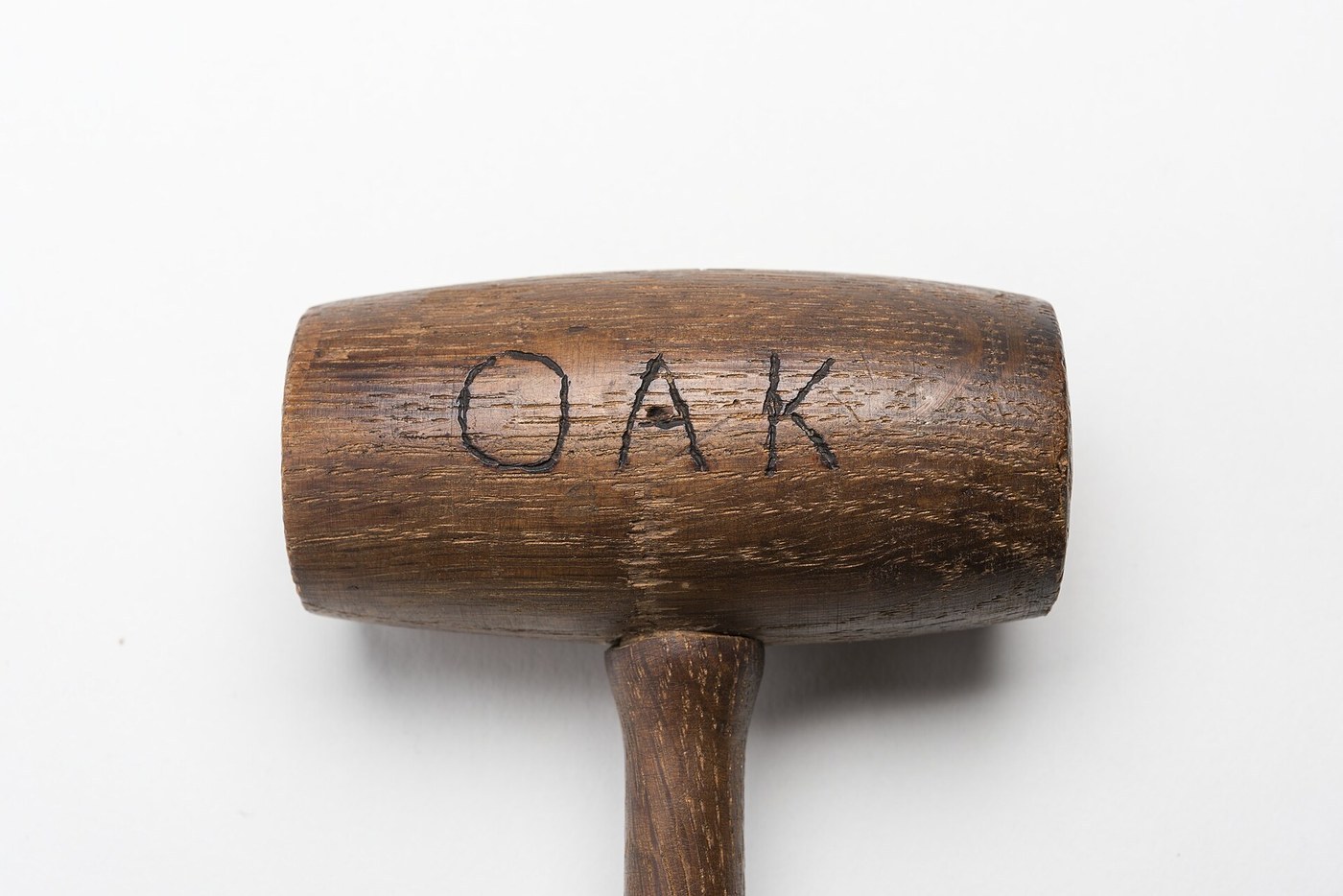
Gavel — procedure and vote power, not a criminal verdict. Wikimedia Commons · public domain (DPLA)
The failed vote proves a procedural outcome: the committee did not authorize the subpoena. It proves the partisan split on that motion that day. It does not prove the contents of unproduced emails. It does not prove Omar guilty or innocent of any crime. It does not prove Robbins acted in bad faith or good faith as a matter of law. Those “does not prove” lines are not hedges that erase the vote; they are boundaries that keep encyclopedia prose from laundering a roll call into a charging decision.
Democratic opposition arguments on the record emphasized timing, usefulness, and the existence of federal investigative capacity. Republican support arguments emphasized transparency, exhibit-list hooks, MEALS Act authorship, and unanswered invitations. Readers can weigh those arguments. What they cannot honestly do is skip the minutes. A guide that only says “Democrats protected Omar” without the 5–3 table is incomplete; a guide that only says “nothing to see” without Robbins’s documented push and the six-vote rule is also incomplete.
Indictment ≠ guilt remains N/A for Robbins as defendant and remains the standing caution for Omar and every charged Feeding Our Future defendant discussed as climate. Association and oversight adjacency are labeled. Denials and political counter-charges are noted as speech, not as automatic clearing proof and not as automatic confession by the other side. Session Daily’s explanation of the tied-House six-vote rule is part of the same primary cluster: without it, readers misread 5–3 as a simple majority loss rather than a supermajority miss.
Keep the asked claim centered. The hub promised a person topic about a subpoena that failed in committee. That claim is Documented on minutes and Session Daily. Open questions about email contents and federal follow-through belong inside that claim as gaps — not as a dodge into a harder “is Omar guilty?” prosecution this page cannot finish from a failed state compel.
After the vote, press framed winners and losers. Encyclopedia prose keeps the minutes. Partisan victory claims and cover-up accusations are speech about the vote; they do not rewrite the roll call. The asked hub claim — subpoena failed in committee — is Documented. Stronger guilt claims about Omar are a different file.
Chapter 10: May 8 — letters to Comer and Cruz
Typographic plate — May 8, 2026 letters seeking congressional help. AI Files site-made plate · facts from Robbins House release
On May 8, 2026, Robbins’s office released a statement that she had written to U.S. House Oversight Chair James Comer and to Senate Judiciary subcommittee chair Ted Cruz seeking federal help obtaining Omar-office correspondence with Feeding Our Future defendants after the state committee subpoena failed. The release restated the 5–3 outcome, the five-to-three membership math, the unanswered April 22 letter, and Robbins’s MEALS Act conditions claim. That federal ask is the next dated beat after the failed state compel — still oversight process, still not a DOJ charge.
Whether Comer or Cruz later compelled anything is a separate federal-oversight question that must be updated from congressional records when primaries exist; this person topic’s spine bottoms on the Minnesota committee vote and the documented request for federal assistance. Do not invent a Senate or House subpoena that this research pass did not verify as issued. Do not erase the letters because their success is uncertain. The letters show Robbins continued the document fight outside the state committee after the May 5 loss.
Press such as KSTP summarized the same sequence: unsuccessful state subpoena attempt, then ask for congressional intervention regarding Bock-trial exhibit correspondence. Use those stories as secondary confirmation; keep House releases and minutes as primaries. If a later congressional hearing posts returns or refusals, add a memory beat rather than silently rewriting May 8 into a finished compel.
Epistemology at the federal step matches the state step. A letter to Comer or Cruz is a request for help, not a finding that Omar’s office committed a crime, and not proof that Minnesota Democrats “won” a cover-up. It is evidence that the chair treated the state failure as incomplete and tried another venue — exactly the kind of process fact an oversight person topic must track.
Congressional letters on May 8 keep the document fight alive after the state miss. Update later if Comer or Cruz dockets show returns. Until then, the federal step is a documented ask, not a documented compel, and still not a DOJ charge against Robbins or Omar.
Typographic plate — whistleblower / wrap-up testimony climate on May 5. AI Files site-made plate
The May 5 wrap-up was not only the subpoena fight. Public testifiers and DHS-linked speakers appeared; FOX 9 highlighted David Hoch’s testimony in the same hearing climate and noted Hoch’s partnership with Nick Shirley on viral daycare-fraud video work. That adjacency is real as hearing climate and must be labeled carefully: Shirley-era video and CCAP controversies are sibling Minnesota fraud topics with their own guides. Robbins chairing a hearing that heard Hoch is not the same as Robbins endorsing every viral claim, and it is not a charging theory against Robbins.
Omar associations remains the correct cross-link for campaign staff, Safari Restaurant, Guhaad Hashi Said, and other spider edges discussed in press around the document request. Feeding Our Future remains the scheme home for Bock convictions and exhibit lists. Child Care Assistance / CCAP remains the scheme home for childcare-payment theories that appeared in committee handouts. Cross-link without merging identities: Robbins is not Shirley; Robbins is not a CCAP defendant; Omar is not automatically guilty because her office appears on an exhibit list.
If a future primary changes the map — a federal subpoena return, a charging decision, a released email set — update memory and the dated spine. Until then, inventing edges is a demerit. Leaving the failed state subpoena off the Omar or FOF pages would also be a demerit for those guides’ oversight chapters; this person topic exists so the chair’s lane has a maintained record of its own.
Label legislative claims separately from DOJ charging. Robbins can assert MEALS Act authorship and document needs on the House floor without that assertion becoming a federal indictment of any named Member. The encyclopedia’s job is to keep those lanes from collapsing into each other.
Rival theories that treat every oversight miss as proof of a cover-up, or every oversight push as proof of a witch hunt, both skip the same primary: the 5–3 minutes. Map theories to that path. Keep indictment ≠ guilt for charged FOF defendants elsewhere; keep association ≠ findings for Omar adjacency here.
Chapter 12: How to read Robbins without inventing a case file
Typographic plate — official committee minutes as spine. AI Files site-made plate · minutes at house.mn.gov
Read this page as a legislative-oversight encyclopedia entry. Start with identity and chairmanship. Walk February 2025 grant oversight, FOF/Bock exhibit climate, MEALS Act claims as labeled rhetoric, the April 22 letter, the May 5 5–3 failure, and the May 8 congressional letters. Hold rival theories against that path: transparency-first oversight, partisan-theater skepticism, and Omar-guilt maximalism each must account for the minutes and for the absence of an Omar FOF charge.
Open questions that remain honest: What do the unproduced exhibit-listed communications actually say? Will federal committees compel them? How should statute-design blame for MEALS Act be weighed against prosecutor and agency failure narratives already documented on Feeding Our Future and OLA tracks? Those questions stay open because the state subpoena did not land — not because this guide refuses to answer a charged claim that was never the asked claim.
Credits and method: Minnesota House minutes, member news releases, Session Daily, contemporaneous Twin Cities television and print, DOJ and court climate for Feeding Our Future, Commons and official portraits for imagery. Never cite Grokipedia as a source. Prefer House minutes and Session Daily for legislative facts; prefer DOJ and court primaries for scheme climate. Shared site fonts; rasters on image1 for this whole slug. The nest gateway under Minnesota Fraud Files stays a MAINTAINED RECORD pointer to this full guide.
For navigation: the Minnesota Fraud Files hub lists this page among person topics; Omar associations and Feeding Our Future carry adjacent spiders and scheme depth; CCAP and Shirley-era daycare pages carry childcare-video climate that appeared in the same committee’s wrap-up week. Use those doors without merging Robbins into a defendant file she does not have.
Credits stay primary-first: House minutes, Session Daily, member releases, Twin Cities press as secondary confirmation, DOJ for scheme climate. No Grokipedia. Shared fonts. image1 rasters for this slug. Nest gateway remains a MAINTAINED RECORD pointer, not a second deep.