Story chapters
Chapter 1: Who Abdulkarim Farah is on this spine
This file is a person topic on Abdulkarim Shafii Farah of Minneapolis — not a second copy of the Feeding Our Future jury-bribe scheme guide. The scheme spine already exists at the FOF jury-bribe deep guide. Here the load-bearing chain is what he did on that path: surveillance and a parking map of Juror 52; buying a screwdriver and removing license plates; driving Ladan Ali to the juror’s house about 8:50 p.m. on June 2, 2024; recording the Hallmark-bag cash delivery; sending that video to his brother Abdiaziz over an encrypted app; deleting Signal the next day; then indictment, plea, and a March 4, 2026 sentence of fifty-seven months plus one year of supervised release. Those steps are taken from Department of Justice Office of Public Affairs sentencing prose, USAO charging summaries, and plea-agreement recounting in the government’s public releases — not from chat notes or secondary spin.
Abdulkarim was about twenty-four to twenty-five during the charged window. Two of his brothers — Abdiaziz Shafii Farah and Said Shafii Farah — sat among the seven defendants in the Empire Cuisine–linked fraud trial that began April 22, 2024 before U.S. District Judge Nancy E. Brasel. The person page keeps that family adjacency explicit and narrow: brother of trial defendants is a fact that explains recruitment pressure in defense sentencing argument; it is not a freestanding finding that every relative of every FOF defendant joined a bribe. Indictment is allegation until plea or verdict; here the record advances through a guilty plea and a pronounced sentence, so those court outcomes are facts of record for the counts and punishment they cover.
Cross-links stay honest. Parent hub: Minnesota Fraud Files. Scheme spine: FOF jury-bribe. Sibling person pages for Abdiaziz Farah, Said Farah, Abdimajid Nur, Ladan Ali, and others may remain thinner; this tip ships only Abdulkarim’s deep. Soft political adjacency elsewhere in the collection — donors, stages, Omar-association spider edges — is not invented here. If a charging paper or plea does not name a politician as a co-conspirator on this bribe, this guide does not paste one in for narrative color.
Chapter 2: Indictment, plea, and sentence — three different facts
Readers mix three different court facts into one mood. An indictment is a charging instrument: the United States alleges conspiracy to bribe a juror, bribery of a juror, and corruptly influencing a juror (with related obstruction counts for some co-defendants). A guilty plea is the defendant’s admission, under oath, to specified count(s) — for Abdulkarim, the docket shows a change-of-plea hearing on April 2, 2025 before Judge David S. Doty with a guilty plea entered on Count 2 and a filed plea agreement. A sentence is the punishment imposed; on March 4, 2026 Judge Eric C. Tostrud imposed fifty-seven months’ imprisonment and one year of supervised release — the high end of the advisory Guidelines range and the term the government sought, per DOJ OPA.
Those labels matter for epistemology. Before the plea, the person page would have had to keep “as charged” and “as alleged” in the foreground. After the plea and sentence, the admitted conduct in the plea agreement — as publicly summarized by DOJ — becomes the spine for what Abdulkarim did: surveillance, parking map, screwdriver purchase, plate removal, drive, video, Signal deletion. Defense mitigation at sentencing (youth, loyalty to brothers, time already served in Sherburne County Jail, college hopes) is evidence of argument, not a veto of the Guidelines outcome. Prosecutors answered that there is “no innocent reason” to surveil a sitting juror; the court imposed the high end anyway.
This guide also refuses two common hedges. First, treating a later fraud-trial verdict about brothers as if it automatically proved or disproved Abdulkarim’s bribery role — different counts, different proofs. Second, treating a denial or “I was just helping family” talking point as the deciding ledger entry that clears smoke. Uniform evidence bar: the same conduct standards apply whether the surname is locally famous or not. Uncertainty that remains — exact dollar splits Ali kept versus delivered, every deleted Signal bubble — stays labeled inside the asked person path, not swapped for a harder adjacent conspiracy.
Chapter 3: Brothers on the Empire Cuisine fraud trial
The person story opens inside someone else’s trial. On April 22, 2024, seven defendants went to trial in Minneapolis on Feeding Our Future–linked fraud charges before Judge Brasel. Among them were Abdiaziz and Said Farah. That live jury created the object the bribery plot tried to buy: a not-guilty vote, and instructions drafted for Juror 52 to push other jurors the same way. Without that sitting federal fraud jury, Abdulkarim has no juror to map, no house to approach, and no Hallmark bag to film.
Abdulkarim was not one of the seven fraud defendants in that Empire Cuisine wave. His role, as later charged and pleaded, sits on a parallel obstruction path that erupted mid-trial. USAO materials describe conspirators selecting Juror 52 — described in charging prose as the youngest juror and believed to be the only juror of color — researching her online, following her, and even obtaining a GPS tracker for her car. Those scheme-level acts involve multiple named people. This person page tracks where Abdulkarim’s hands enter: after co-defendants identified and decided to target Juror 52, he conducted surveillance of the juror and the house, and he sent a map of where Juror 52 parked during jury service.
Family pressure is part of the sentencing record, not a romance novel. Defense counsel Kevin DeVore told the court his client was “young,” “naive,” and “blindly loyal,” trying to help his brothers. That mitigation contests Guidelines weight; it does not erase the plea’s admitted acts. Said Farah’s later irony — acquitted on the underlying fraud counts yet jailed after admitting a role in the bribe attempt — belongs mainly on Said’s page and the scheme guide. Here it is only context that the brothers’ fortunes and Abdulkarim’s obstruction path are related but not identical ledgers.
Chapter 4: Juror 52 targeting — context before his hands
Target selection is a scheme hinge; Abdulkarim’s surveillance is the person hinge that follows it. Charging papers say the conspirators decided to target Juror 52 and gathered personal information, home address, and family background. One conspirator followed her from the courthouse; a GPS device was purchased to track her car. Those facts explain why a parking map and house surveillance mattered. DOJ’s sentencing release, recounting the plea agreement, places Abdulkarim on the surveillance and map steps after the targeting decision — not as the lone architect of the whole plot.
Why the person page separates “who chose Juror 52” from “who mapped the parking spot” is teaching, not pedantry. Rival readings collapse them. One reading wants Abdulkarim to be a passive driver with no upstream knowledge; the plea’s surveillance and map language cuts against innocence-by-errand. Another reading wants him to be the mastermind because he held the camera; the indictment and USAO narrative keep Abdiaziz, Nur, Said, Ali, and Abdulkarim in a conspiracy with differentiated tasks. The critical path on this page therefore treats targeting context as depends-on for surveillance, and surveillance as unlocks for plate removal and delivery.
Primary pointers stay boring on purpose. Start with the USAO “Five Indicted” release (June 26, 2024) for the conspiracy narrative and the DOJ OPA March 4, 2026 sentencing release for plea-agreement detail specific to Abdulkarim. Contemporaneous AP and Star Tribune coverage of the mid-trial disruption corroborate that Juror 52 reported a bag-of-cash approach and was dismissed. MPR’s sentencing story adds courtroom color — Target screwdriver surveillance still, Hallmark bag photos from USAO exhibits — labeled as reporting on government exhibits, not as substitute charging papers.
Chapter 5: Surveillance and the parking map
Surveillance is behavior with coordinates. According to the plea agreement as summarized by DOJ, Abdulkarim conducted surveillance of Juror 52 and Juror 52’s house and sent a map of where Juror 52 parked during jury service. That is not ambient “being in Minneapolis.” It is purposeful observation of a sitting federal juror’s movements and residence, communicated to co-conspirators, in furtherance of a cash-for-acquittal plan. Assistant U.S. Attorney Matt Murphy’s sentencing line — no innocent reason to follow and surveil a juror in a criminal case — is advocacy, but it names the hinge any rival theory must answer with something better than vibes.
The parking map matters because the delivery later had to find a house at night without a clean paper trail on a rental car. Scheme materials also describe online research and a GPS tracker purchase among the conspirators. This person page does not invent that Abdulkarim alone bought the GPS or alone scraped the web; it keeps his pleaded surveillance and map acts in the foreground and leaves multi-defendant research tools on the scheme spine unless a plea paragraph assigns them. Epistemology here is assignment discipline: who admitted which act.
If surveillance-and-map is removed from Abdulkarim’s path, the later screwdriver, plate removal, and filmed delivery lose their scouting premise for his knowing participation. A theory that he was merely a last-minute taxi still has to explain why he mapped a juror’s parking and watched the house before June 2. That is what “must account” means on the critical-path cards: objects, dates, and plea language — not a popularity contest about whether Minnesota fraud discourse feels overheated online.
Chapter 6: Screwdriver at Target, plates off the rental
Before the Hallmark bag reached the porch, the conspirators worked on not being identified. DOJ recounts that after Abdulkarim met Ali near Juror 52’s house, he drove to a Target store, bought a screwdriver, and used it to remove the license plate from Ali’s rental car to avoid detection by law enforcement. MPR published USAO-linked surveillance imagery of Farah exiting a Target in Mounds View on June 2, 2024 after that purchase — labeled government exhibit geography, not a paparazzi portrait.
Plate removal is a small physical act with a large evidentiary shadow. It shows planning beyond “give someone a ride.” It pairs with encrypted messaging and a filmed delivery: the plot expected scrutiny. For the person critical path, screwdriver-and-plates sits between surveillance and the 8:50 p.m. drive. Depends-on: knowing there is a juror house to approach. Unlocks: a less-traceable vehicle for the cash drop. Must-account items include the Target purchase, the rental-car plate removal, and the timing on June 2 before the delivery.
Defense mitigation that stresses youth and loyalty does not claim the screwdriver never happened; it asks the court to weigh why a younger brother said yes. The court still chose the high end of the Guidelines. Readers who want the person file to dissolve into “everyone was confused that night” have to delete a store purchase and a plate tool from a plea agreement. This encyclopedia does not delete them. It also does not turn a Target run into proof of a statewide political machine — different claim, different spine.
MPR’s sentencing package treated the Target still as investigative geography: a man leaving a big-box store after buying a tool used on a rental plate, hours before a juror’s relative answered the door to a gift bag. That is how Spec wants video and photo exhibits wired — as labeled government or press packaging of exhibits, not as AI reconstructions of faces. The person guide keeps the still’s epistemology next to the plea language so visitors are not asked to trust a cropped social meme alone.
Chapter 7: Driving Ladan Ali at 8:50 p.m., June 2, 2024
On June 2, 2024, at approximately 8:50 p.m., Abdulkarim drove Ladan Ali to Juror 52’s house. Ali had flown from Seattle around May 30 to carry out the delivery role. Scheme charging prose describes Nur collecting cash connected to Said Farah’s business and Ali placing money into a Hallmark gift bag. About two hundred thousand dollars had been assembled; about one hundred twenty thousand reached the juror’s household in the bag, with reporting that Ali kept roughly eighty thousand for herself — a scheme-level dollar split that explains why brothers wanted a video of the handoff.
Abdulkarim’s person act at this beat is the drive and the presence as recorder. He is not described in DOJ’s sentencing release as the person who handed the bag to a relative of Juror 52; Ali is. He is the driver who brought Ali there at a specific clock time after plate removal. That split of tasks is why this page is not a paste of the scheme chapter on “the bag.” The bag is the object; the drive is his behavior; the video is his next behavior.
Juror 52 later reported the approach — calling 911 after a Sunday-evening delivery and a promise of more money for acquittal votes. Judge Brasel halted proceedings during the closing-argument window, disclosed the attempt, dismissed Juror 52, and seated an alternate. Those court-management facts belong on the scheme timeline; on this person page they are the reason the video and Signal messages suddenly became extinguishment targets on June 3. Without a real delivery evening, there is nothing for Abdulkarim’s camera to have recorded and nothing for him to have wiped.
Chapter 8: Recording the Hallmark-bag delivery
The Hallmark gift bag with roughly one hundred twenty thousand dollars is the iconic object of the whole bribery scandal — and on Abdulkarim’s path it is the thing he filmed. DOJ states he recorded Ali delivering the gift bag containing the bribe money; as Ali handed money to a relative of Juror 52, she explained there would be more if the juror voted to acquit. USAO exhibit photos later shown in press coverage depict cash in a Hallmark bag and other investigative stills. Those images are government-case geography, not decoration.
Why record? Charging and reporting narratives converge: the Farah brothers did not fully trust Ali with the cash, so they wanted proof the drop occurred. That motive assigns Abdulkarim a documentation role inside the conspiracy — not a tourist with a phone. After the delivery, he sent the video to Abdiaziz Farah. The recording is therefore both evidence of the bribe attempt and evidence of his participation in proving the bribe to co-conspirators.
For critical-path teaching: if the delivery video never existed, prosecutors lose a vivid corroboration node, and the “sent video to Abdiaziz” step collapses. If someone claims Abdulkarim only held a phone without understanding the bag was a bribe, they must still account for prior surveillance, plate removal, and the plea. Person-page prose stays with those hinges rather than expanding into every FOF meal-site invoice in Minnesota. Depth here means denser person narrative, not a cloned fraud encyclopedia.
Dollar honesty stays on the page without turning into a second fraud ledger. Reporting and charging prose describe roughly two hundred thousand dollars assembled and about one hundred twenty thousand delivered in the Hallmark bag, with Ali alleged to have kept the remainder. Abdulkarim’s camera does not settle the split; it settles that a delivery was performed and documented for Abdiaziz. Visitors who need the full cash-assembly path through Nur and Said’s business should open the scheme guide. Visitors who need what Abdulkarim admitted should stay here: he recorded the bag’s arrival and sent the proof.
The relative who received the bag is intentionally under-named in visitor prose. Juror 52’s household privacy is not a subplot to mine for clicks. The legally load-bearing facts are the bribe offer, the promise of more money for acquittal, the juror’s report, and Abdulkarim’s recording role — all available in USAO/DOJ primaries without doxxing side characters.
Chapter 9: Encrypted video to Abdiaziz
Immediately after the drop, the video moved across an encrypted channel. DOJ’s sentencing release says Abdulkarim sent the video he had taken to his brother Abdiaziz Farah. USAO charging narrative likewise places the recording on an encrypted messaging app to co-conspirators. In modern obstruction cases, the messaging layer is not flavor text; it is how coordination and proof traveled when conspirators expected ordinary SMS to be risky.
This beat unlocks the next day’s deletion fight. You cannot meaningfully wipe what you never sent. The person path therefore orders: record → send to Abdiaziz → (court disclosure) → uninstall/delete Signal. Rival theories that treat the video as a private souvenir unused by the conspiracy collide with the send step. Rival theories that treat every Somali-American defendant as a foreign-intelligence node still have to show a primary that says so; encrypted chat alone does not prove terror diversion.
Source discipline: DOJ OPA and USAO for the send-and-encrypt facts; CourtListener docket 0:24-cr-00173 for procedural dates around plea and hearings; news outlets for courtroom quotes at sentencing. YouTube commentary that rebroadcasts local TV sentencing packages can be linked as labeled commentary/news video, not as the plea agreement. This guide wires real watch URLs when they track the spine and refuses fake hearing uploads.
Encrypted apps complicate memory: disappearing messages, uninstalled clients, cloud backups that may or may not remain. The plea path as DOJ tells it does not require this encyclopedia to reconstruct every bubble. It requires acknowledging that Abdulkarim used an encrypted channel to move the delivery video to Abdiaziz and later deleted Signal to destroy the conspiracy’s message trail. That is enough to place the send step on the critical path and to reject both “never messaged” and “messaging proves terror” as lazy defaults.
Chapter 10: Signal wiped on June 3
On June 3, mid-trial disruption day, the bribe attempt became a courtroom emergency. After disclosure, Judge Brasel ordered phones surrendered. Charging papers describe factory resets and deletions by several defendants. For Abdulkarim specifically, DOJ states that on June 3, 2024, he uninstalled and deleted the encrypted messaging app Signal from his iPhone to destroy messages he and co-defendants exchanged about the bribery attempt.
Deletion is classic obstruction-shaped behavior even when charged under the bribery conspiracy counts that name him. It shows consciousness that the messages and video were dangerous once Juror 52 reported the bag. A rival theory of panic-without-guilt still must explain surveillance, plates, drive, and recording that preceded the panic. A rival theory that police planted a Signal deletion story must confront the plea agreement’s adoption of that conduct.
Meanwhile Juror 52 was excused and an alternate seated; the fraud trial continued and later produced convictions for five of seven defendants in that wave — scheme outcomes tracked on the jury-bribe and FOF guides. Abdulkarim’s person ledger moves from operational acts (May–June 2024) into charging (June 26), plea (April 2025), and sentence (March 2026). The Signal wipe is the last operational hinge before the indictment chapter.
Phones seized mid-trial are a prosecutor’s sudden discovery window and a defendant’s sudden panic window. Factory resets and app deletions by multiple co-defendants appear in the charging story; Abdulkarim’s Signal uninstall is the person-specific node. Brasel’s decision to excuse Juror 52 and continue with an alternate protected the fraud trial’s completion path while spinning off a separate bribery prosecution. Those twin tracks — fraud verdicts later, bribery pleas later — are why Minnesota Fraud Files keeps both a scheme deep and person pages rather than one mega-blurb.
Chapter 11: Five indicted — June 26, 2024
On June 26, 2024, the U.S. Attorney’s Office for the District of Minnesota announced that five defendants had been indicted for roles in the conspiracy to bribe a Feeding Our Future trial juror: Abdiaziz Shafii Farah, Abdimajid Mohamed Nur, Said Shafii Farah, Abdulkarim Shafii Farah, and Ladan Mohamed Ali. The indictment charged conspiracy to bribe a juror, bribery of a juror, and corruptly influencing a juror; Abdiaziz also faced an obstruction count in the charging narrative.
For this person page, indictment day is the formal entry of Abdulkarim as a named federal defendant on the bribery case — distinct from being merely a brother in the gallery of the fraud trial. Ages and cities in the USAO release (Abdulkarim of Minneapolis; Ali of Seattle; others as listed) fix identity. Case number tracking on public dockets (United States v. Farah, 0:24-cr-00173) lets readers verify later plea and sentencing minutes without trusting a social thread.
Indictment ≠ guilt remains the header ethics even when later chapters recount a plea. At the moment of charging, every defendant is presumed innocent in the constitutional sense. This encyclopedia does not rewrite June 26 with March 2026 hindsight grammar as if the sentence already existed. It dates the allegation, then separately dates the plea and the sentence. That sequencing is how Spec `#evidence` stays readable when internet discourse collapses three years into one viral clip.
Initial appearances began the afternoon of the announcement, per USAO. From that day forward, Abdulkarim’s public identity in this scandal is defendant, not only sibling. Press shorthand sometimes collapses all five names into “the Farah plot”; this page resists that blur. Nur and Ali are not Farah brothers. Said and Abdiaziz are. Abdulkarim is the younger brother who pleaded to a delivery-and-concealment role and was first sentenced. Precision about who is who is Spec fitness, not pedantry.
Chapter 12: Guilty plea before Judge Doty — April 2, 2025
On April 2, 2025, Abdulkarim appeared before Judge David S. Doty for a change-of-plea hearing. Public docket minutes show a guilty plea entered on Count 2 and a plea agreement filed the same day. That plea is the hinge that converts many “as alleged” sentences in this file into “as admitted” sentences for the conduct the agreement covers — including the surveillance, map, screwdriver, plates, drive, video, and Signal deletion described in DOJ’s later sentencing release.
Plea agreements are bargains with waivers and stipulations; they are not documentary films of every minute of June 2. Limits belong on the page: readers should not pretend a plea paragraph inventories every co-defendant’s private motive. What it does do is bind Abdulkarim’s admitted path for sentencing. Defense counsel later asked for time served after more than a year and a half in Sherburne County Jail; prosecutors asked for fifty-seven months at the high end of the Guidelines. Those asks only make sense after a plea (or verdict) establishes guilt on a count.
Cross-check practice: CourtListener docket entries for the minute entry and plea agreement; DOJ OPA for the narrative the government said the plea contained; IRS CI mirror release for the same sentencing announcement. If a visitor wants the full multi-defendant dollar path and GPS subplot, the scheme guide remains the wider map; this page stays on the person who pleaded Count 2.
Between indictment and plea sat months of ordinary federal criminal procedure — motions, scheduling, detention at Sherburne County Jail as later argued at sentencing. This guide does not invent hearing transcripts it has not read. It dates the plea from the public docket and reads the government’s sentencing narrative as the public account of what the plea agreement contained. If a future primary releases the agreement text in full, a revision can quote more tightly. Until then, DOJ’s recounting plus docket minutes are the honest floor.
Chapter 13: Fifty-seven months — Judge Tostrud, March 4, 2026
On March 4, 2026, U.S. District Judge Eric C. Tostrud sentenced Abdulkarim Farah to fifty-seven months in federal prison and one year of supervised release — the high end of the advisory Guidelines range and the sentence the government advocated, according to DOJ OPA. U.S. Attorney Daniel N. Rosen’s office announced the result. Judge Tostrud stated that properly functioning juries are the core of the criminal justice system and thanked Juror 52 for resisting a very substantial bribe. MPR quoted him further: juror bribery threatens public trust beyond a single case, and “we’re here because one person resisted this overture.”
In court, Abdulkarim apologized, saying he wished he could take it back and hoped to attend college after prison. Defense counsel stressed youth and blind loyalty. AUSA Murphy rejected an innocent-surveillance story. Because Judge Brasel had been a witness to the mid-trial bribe crisis, other judges handled the bribery case — procedural detail that explains why Doty took the plea and Tostrud imposed sentence rather than Brasel alone owning every minute.
Fifty-seven months is not “the Minnesota fraud story.” It is one person’s punishment on the juror-bribery convictions arising from the Hallmark-bag plot. Abdiaziz later drew a separate decade-scale bribery sentence in reporting on July 22, 2026, on top of a long fraud sentence from Judge Brasel — facts for his page and the scheme guide. Abdulkarim was the first of the five bribery defendants sentenced; the others’ calendars do not rewrite his Guidelines math. Supervised release and a special assessment appear in case digests; always prefer the judgment and DOJ primary when numbers conflict in blogs.
Chapter 14: What this person page does not claim
What this person page refuses to do is as important as what it includes. It does not invent an Ilhan Omar co-conspirator finding on the June 2024 bribe. Soft links that may exist elsewhere in Omar-associations or Minnesota Fraud hub cards stay on those pages with their own labels. Family adjacency to fraud defendants is stated because brothers were on trial; that is not a license to spray every East African name in Minneapolis onto the critical path.
It does not convert Feeding Our Future into a terror-finance novella on the back of one Signal thread. Encrypted messaging is common criminal tradecraft and common ordinary privacy tooling; the plea’s deletion of Signal is about destroying bribery messages, not a proven overseas diversion. Terror-diversion claims need their own primaries on their own spines — see Spec epistemology elsewhere in the collection — and they are not smuggled in as a “chapter vibe” here.
It does not treat indictment language about Juror 52’s demographics as a political slogan machine. Charging papers explain why conspirators thought she was persuadable; that is evidence about their intent, not a visitor-facing lecture. And it does not paste owner chat, Form submissions, or bot coaching into the lede. Visitor copy is encyclopedia prose under Spec authorship rules: research product, Grok Bot provenance, high reasoning, Spec v7 stamp.
Uniform evidence also means refusing celebrity-defendant discounts and refusing collective guilt. A plea by Abdulkarim does not convict a neighbor who shares a surname. An acquittal of Said on fraud counts does not erase Said’s separate bribery admission. Each person page, each count, each date. That is how the collection stays usable when the news cycle wants one villain slide.
Chapter 15: Rival readings mapped to his path
Rival readings still matter after a plea — they explain what people argue about, mapped onto the same hinges. Path A is the critical path this guide teaches: Abdulkarim knowingly joined a conspiracy to buy Juror 52’s vote, performed surveillance and concealment acts, filmed the delivery, messaged it, tried to wipe Signal, pleaded, and took a high-end Guidelines sentence. Path A accepts DOJ/USAO/court primaries and treats mitigation as mitigation.
Path B is the “loyal kid errand” reading amplified in defense oratory: young, naive, blindly loyal, time already served should collapse the sentence. Path B must still account for the parking map, Target screwdriver, plate removal, delivery video, and Signal deletion — or explain why those plea facts are false. Path C is online machine politics: the bribe “proves” a party apparatus or a named elected official directed the bag. Path C must produce a primary that names that direction; brotherhood plus Minneapolis geography is not that primary.
Path D is dismissal-by-media-skepticism: because some Minnesota fraud coverage is partisan or sloppy, the Hallmark bag somehow didn’t happen. Path D collides with Juror 52’s report, mid-trial judicial findings, an indictment, a plea, and a sentence. Popularity of Path D on social media is not evidence strength. This page’s theory cards keep accept / remove / add discipline tied to critical-path ids so visitors can see what each movie has to break.
Evidence-support ranks and popularity ranks are not the same scale. Path A can be well-supported and still be hated by audiences who wanted a politician’s name on the bag. Path C can be popular in clips and still be thin on primaries. Spec asks the guide to show that difference next to the critical path, not to hide it under a true/false sticker that answers a different question than the visitor asked.
Chapter 16: After sentence — cross-links and update rules
After March 4, 2026, Abdulkarim’s person ledger is mostly execution of sentence and whatever supervised-release record the Bureau of Prisons and probation create — not new plot twists on Juror 52’s porch. Co-defendants’ sentencings continue on their own calendars; the scheme guide absorbs those updates. This page should be revised when a primary changes his judgment, a successful appeal lands, or a reliable free-licensed portrait appears to replace documentary covers.
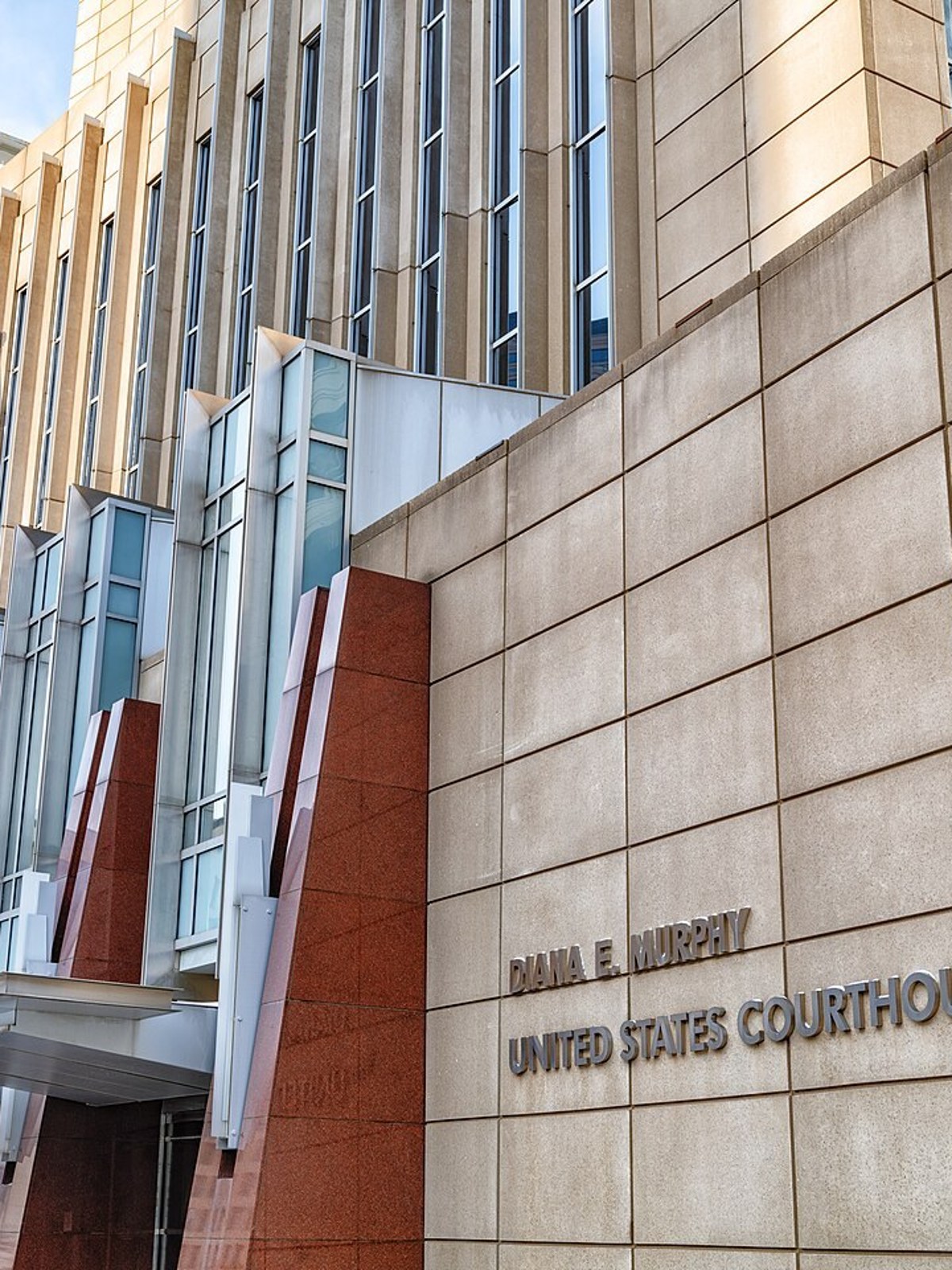
Imagery note for Spec v7: no verified free-licensed face-forward portrait of Abdulkarim was available for this ship. The guide uses Minneapolis courthouse, skyline, DOJ, and documentary exhibit-adjacent geography on image1.theaifiles.fun under the slug’s whole-host locality rule — not AI faces, not wrong-person lookalikes, not a typographic-only forever cover when documentary images exist. Credits live with the image host files.
Navigation: nest gateway under Minnesota Fraud Files points here as full guide; parent hub card should keep a nest/full_guide pointer for integrity without deepening the entire hub in this tip. Related reading: FOF jury-bribe deep guide for the multi-defendant dollar and GPS subplot; Feeding Our Future for the fraud ocean; sibling person stubs until their own Form tips deepen them. Provenance: Grok Bot · high reasoning · Spec v7. That is the person file.
Video watch list for this spine, labeled: local/national news packages and commentary uploads that recount the sentencing and the 2024 bag disruption — including YouTube items that rebroadcast CBS Minnesota-style sentencing coverage — are commentary/news video, useful for hearing the courtroom stakes, not substitutes for DOJ OPA. Prefer the March 4, 2026 DOJ release and the June 26, 2024 USAO indictment release as text primaries. When an official courtroom video channel posts a full sentencing upload, swap it in; do not invent a docket video that is not public.
Visual timeline: April 2024 trial → June 2 delivery → June 26 indictment → April 2025 plea → March 4, 2026 sentence.