Chapter 01 / 1947–1967
A foreign mission meets an American political crisis
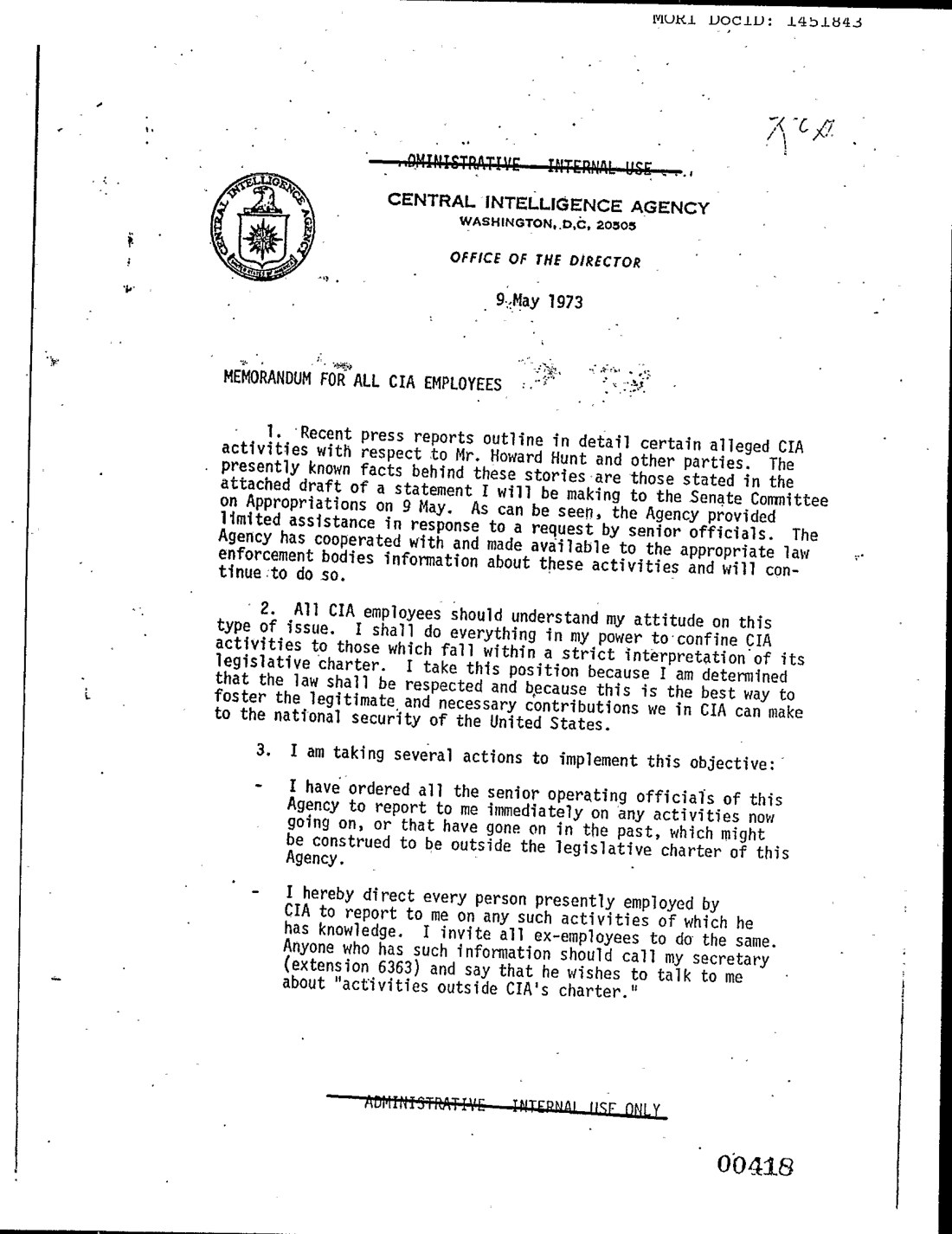
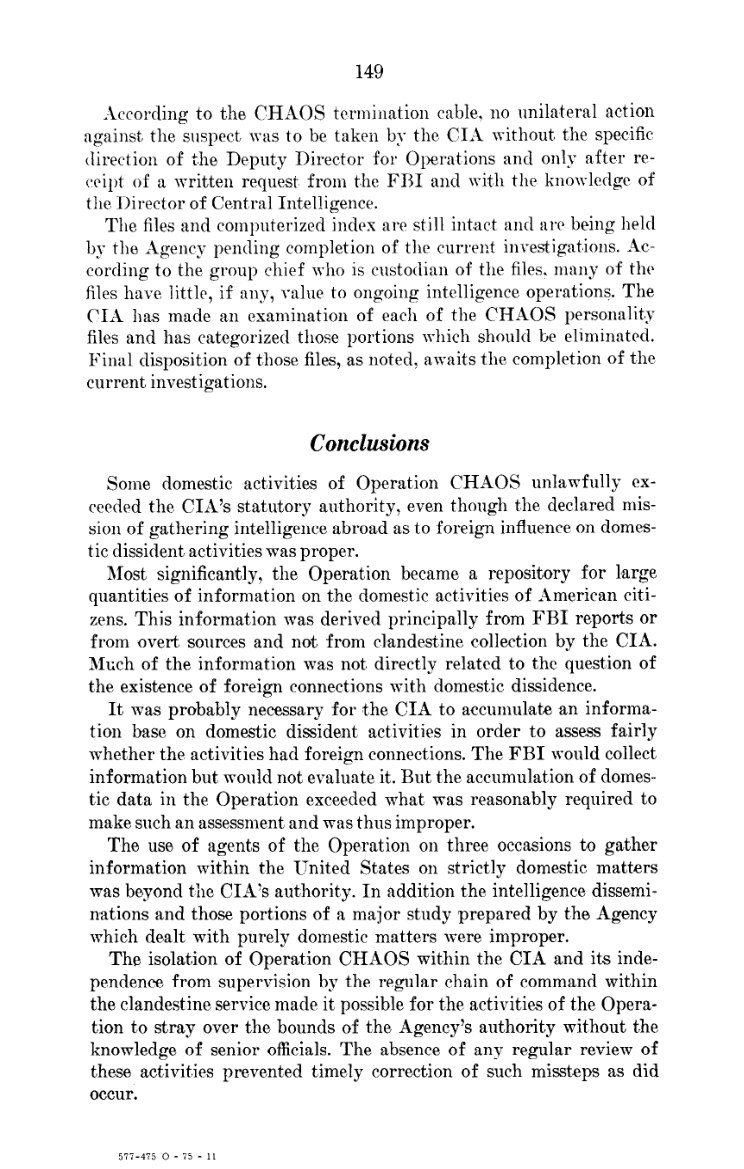
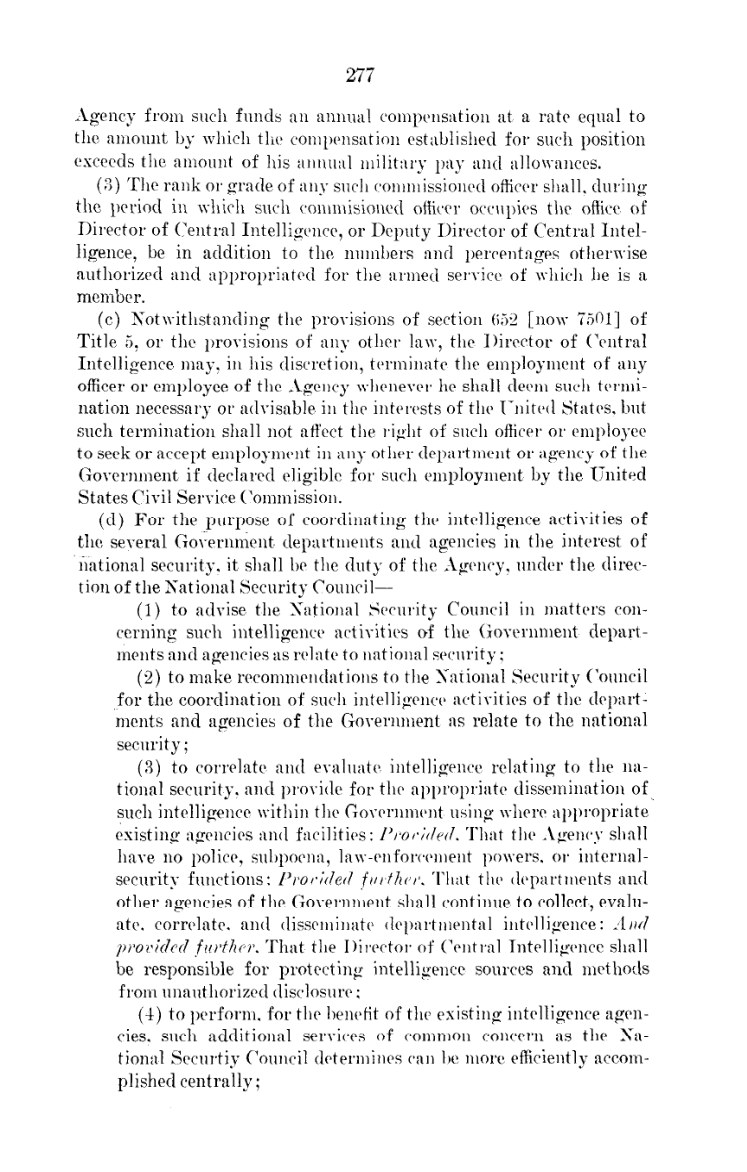
The CIA’s founding law gave it national-security intelligence responsibilities while denying it police, subpoena, law-enforcement and internal-security functions. Those limits did not mean that every CIA activity physically inside the United States was forbidden. Training personnel, obtaining foreign intelligence from willing sources and protecting Agency secrets required domestic work. The difficult question was when support for a foreign mission became investigation of American political life. CHAOS made that distinction a working problem rather than an abstract debate.
In 1967 racial unrest, urban violence and opposition to the Vietnam War challenged President Lyndon Johnson’s administration. Some protest participants advocated revolutionary change, some pursued nonviolent reform, and some engaged in violence. Foreign governments and Communist organizations had reasons to welcome American division and sometimes offered propaganda, contacts or assistance. None of those facts established that a single foreign power directed the many different movements. The pressure to demonstrate such direction became part of the history the intelligence agencies themselves investigated.
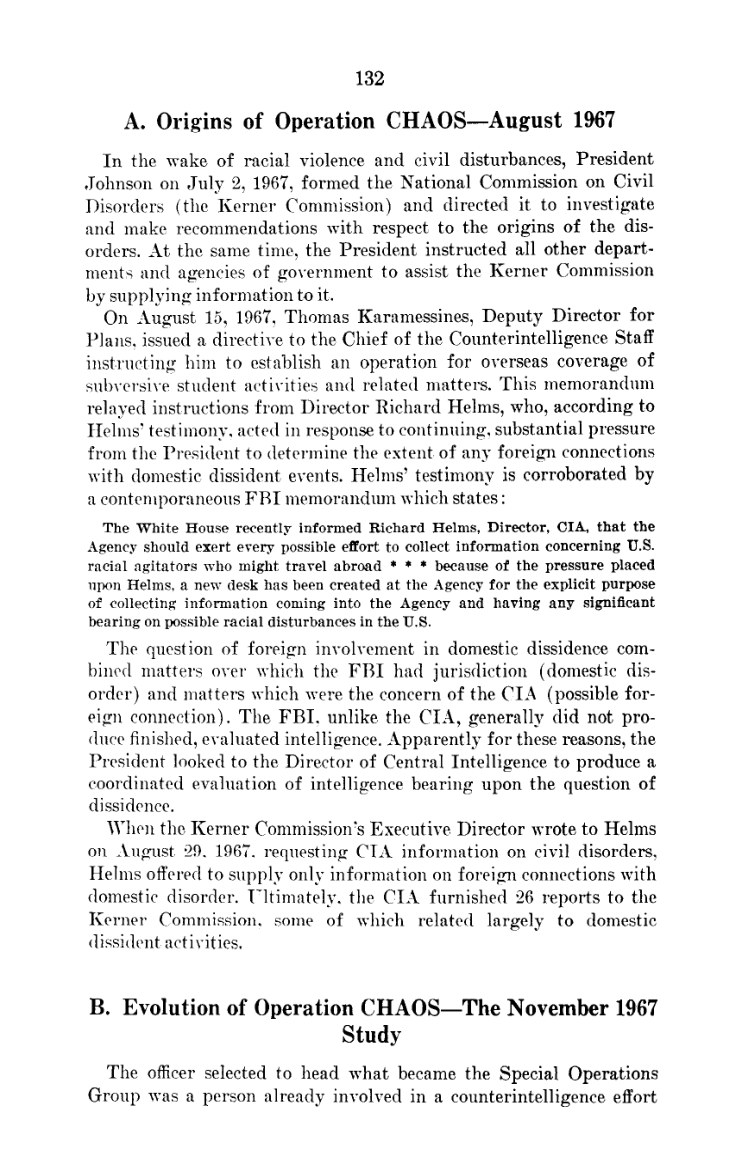
Within the CIA, Richard Ober had already examined possible foreign connections around Ramparts magazine and begun assembling information on Americans. In August, Director Richard Helms broadened the effort. The Church Committee found no written founding directive from Helms to his deputy. The first recorded authorization was a 15 August 1967 memorandum from Deputy Director for Plans Thomas Karamessines to counterintelligence chief James Angleton. It called for an officer to coordinate collection with domestic counterintelligence aspects, secure handling and dissemination to the appropriate domestic agencies. Angleton selected Ober, who led the Special Operations Group.
Helms later described persistent presidential interest rather than a single specific written order launching this exact program. That testimony, the memorandum and contemporary interagency reporting establish a chain of political pressure and agency action without requiring an invented signed presidential instruction. The designation CHAOS was applied after the effort began. Later correspondence also associates the activity with MHPASHA and MHVAPOR. Names changed; the questions about the mission, the information gathered and its use require the underlying records. The central issue is what the CIA actually did under those instructions.