Interpretation 01
A criminal enterprise inside a lawful profession
Strongest fit for the admitted conduct
The strongest version
Abramoff and Scanlon exploited real lobbying relationships to extract secret profits, while a subset of officials exchanged public action for benefits. The fraud and public corruption are related activities with distinct legal elements.
Accept
P1 · P2 · P3 · P4 · P5 · P6
P1’s useful early representation, P2’s concealed partnership, P3’s diversions and P5’s admitted exchanges. It does not require that every client victory or contact be corrupt.
Remove or revise
Remove any inference that criminal acts made every service fictitious or every associate guilty.
Add to the path
Add transaction-level authorization and recipient evidence to extend the demonstrated scheme to a proposed additional person.
What must be wrong or incomplete
The concealed-return and admitted-exchange evidence would have to be materially wrong to displace the core criminal account.
Must still explain
P4 shows a particularly aggressive conflict; repeated gifts and staff channels make this more systematic than a single opportunistic theft. The model must avoid treating the profession’s surrounding rules as irrelevant.
Assessment
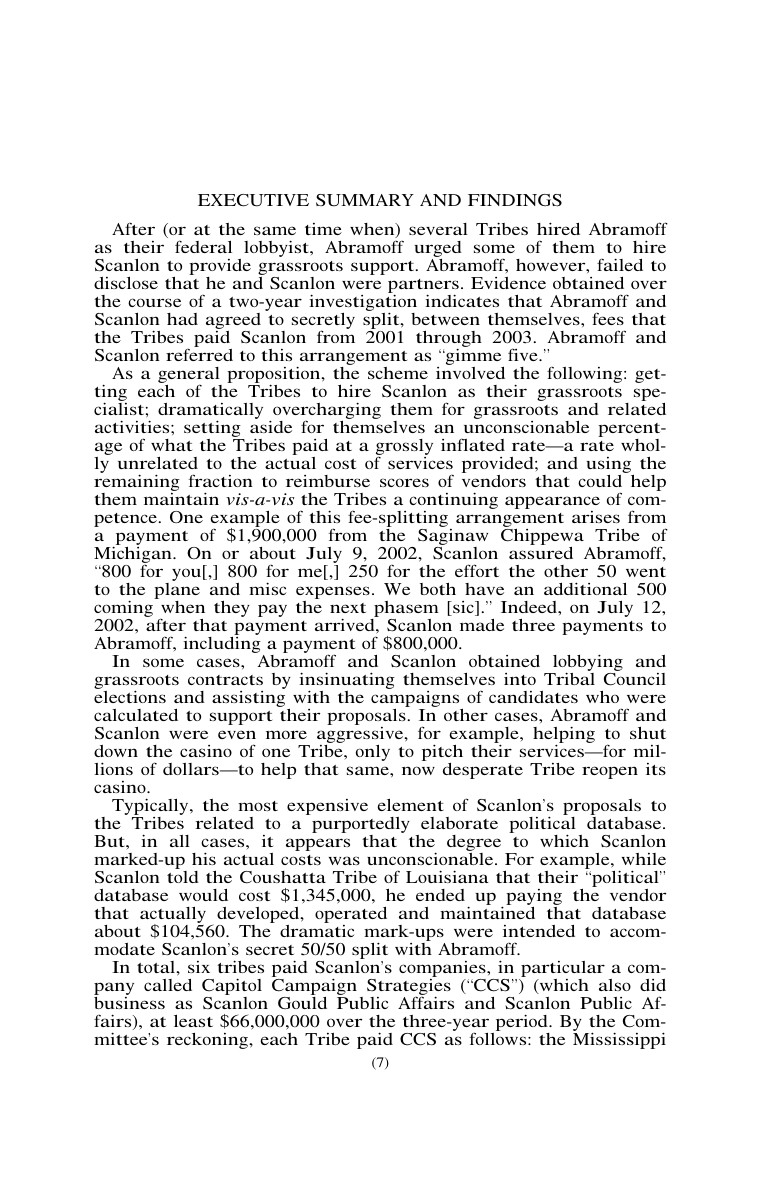
Internal financial allocations, transfers and guilty pleas support this account directly. The government’s own distinction between corrupt and noncorrupt relationships makes bounded guilt compatible with extensive wrongdoing.
What would change this assessment
Authenticated evidence of client disclosure and consent could alter specific fee-fraud findings; a judicial order would be needed to change a reported plea or judgment. New recipient communications could widen or narrow the corruption map.
Sources: S01 · S05 · S08 · S09 · S13
Interpretation 02
A symptom of a wider influence system
Substantial institutional interpretation; scope is not a conviction count
The strongest version
The affair exposed repeatable incentives: dependence on intermediaries, fundraising access, hospitality and the prospect of well-paid staff employment. Criminal exchanges used channels that also operate legally, so punishing the defendants alone could leave much of the influence problem intact.
Accept
P1 · P2 · P3 · P4 · P5 · P6
P1–P6, especially the relationship between P3’s financing and P5’s official access. Abramoff’s later account offers a participant’s description of these incentives.
Remove or revise
Revise the inference that convictions of named defendants exhaust the significance of recurring access, employment and fundraising channels.
Add to the path
Add comparable records across offices, legal and illegal transactions, enforcement and measured reform outcomes.
What must be wrong or incomplete
The narrowness of the proven roster need not be wrong; what must be shown is that the identified practices also explain a wider institutional pattern.
Must still explain
Legal access and private influence differ from an admitted agreement to exchange an official act for a benefit. The strongest version cannot convert Abramoff’s boast about many offices into proof of guilt for every member or party.
Assessment
The repeated channels in the case records support a systemic critique. The universality of that critique requires evidence beyond these cases. It can be persuasive as political analysis while remaining unproven as a claim that all officials were bribed.
What would change this assessment
A representative documentary sample of additional offices, with payments, knowledge and decisions, would test prevalence. Independent evidence of genuinely effective controls would also matter. Another sweeping insider assertion would not resolve the scale. Enforcement data showing how the enacted 2007 provisions and 2019 conviction disclosure worked in practice would test the claim that the reforms failed.
Sources: S08 · S09 · S16 · S17 · S22 · S25 · S26
Interpretation 03
Clients paid for results in an expensive business
Explains trust and some services; fails as an explanation of the concealment
The strongest version
Lobbying and political campaigns are costly, many clients had urgent problems, early work produced results and some billed services were performed. Rival factions and failed projects could make later client complaints sound more comprehensive than the original bargain. At sentencing, defense counsel Abbe Lowell argued that tolerated practices had been stretched beyond the legal boundary.
Accept
P1 · P2 · P3
P1 and real vendor spending in P2–P3. Milanovich and Sprague’s accounts contain internal political conflict, so contemporaneous documents are needed rather than assuming every accusation was exact.
Remove or revise
Remove an equation between an expensive/failed service and fraud, but retain the separately proven secret interest and admitted exchange.
Add to the path
Add contemporaneous scopes, work products, cost records and informed client disclosure of the actual financial interest before payment.
What must be wrong or incomplete
The documented concealment would have to be incomplete or contradicted by authentic prior disclosure to turn the central scheme into merely a fee dispute.
Must still explain
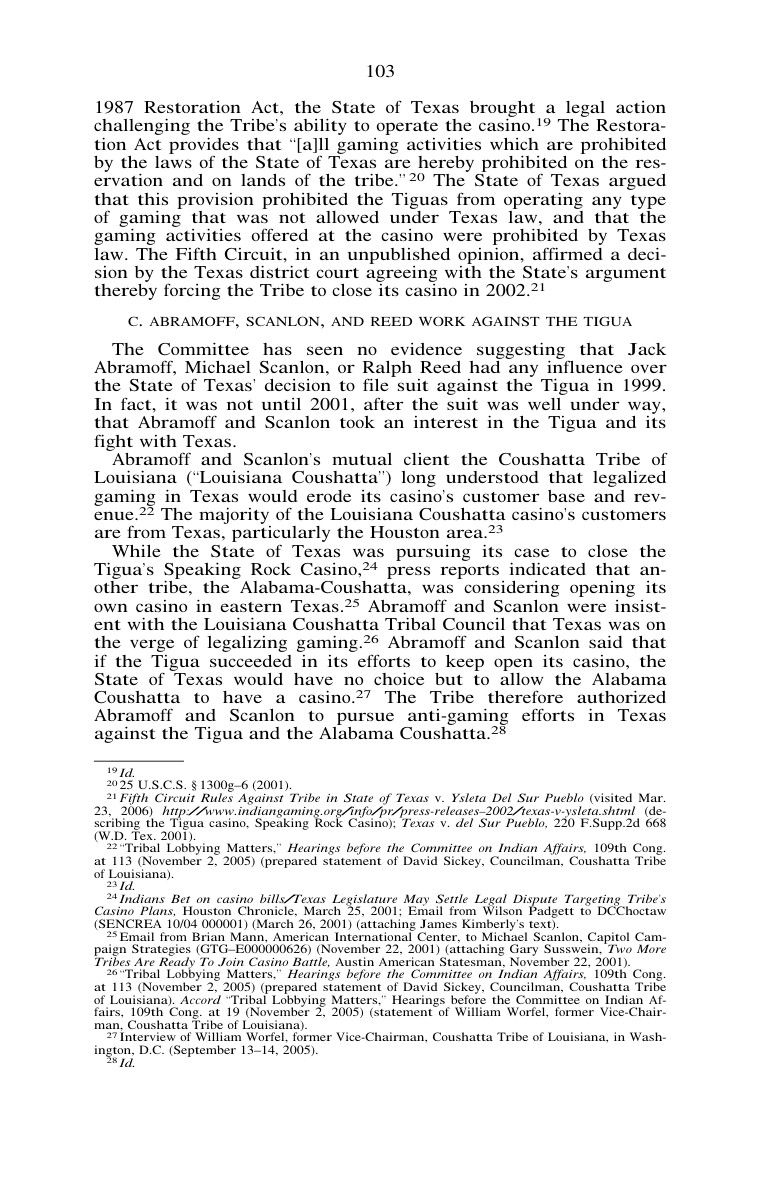
P2’s secret half-profit interest, the specific cost/markup records, P4’s undisclosed opposition and the admitted P5 exchanges cannot be answered by saying that expensive services sometimes work. Those facts concern disclosure and agreement, not satisfaction alone.
Assessment
The record gives this explanation genuine force for why the relationships began and why not every dollar was an illicit payment. It cannot displace the documented kickbacks and guilty pleas.
What would change this assessment
Complete contemporaneous scopes of work and cost records could revise judgments about service value. To change the concealment assessment they would also need to establish informed client knowledge of the adviser’s financial interest before the payment.
Sources: S01 · S03 · S04 · S05 · S08 · S24
Interpretation 04
Partisan exposure magnified guilt by association
Valid warning about the perimeter; unsupported as a dismissal of the core
The strongest version
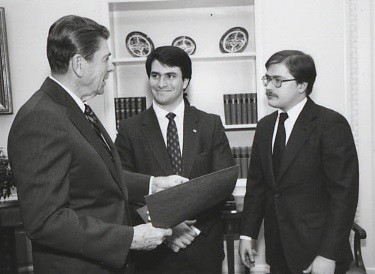
An election-year scandal encouraged photographs, donations and friendships to become shorthand for corruption. Republican institutions were central to Abramoff’s access, while tribal clients could contribute across party lines. The public scandal was wider than the list of adjudicated defendants.
Accept
P1 · P5 · P6
P6’s specific convictions and the need for P5’s recipient-level evidence. A partisan framing can exaggerate the network without making the underlying fraud imaginary.
Remove or revise
Remove guilt inferred from a photograph, contribution or partisan affiliation; retain independently corroborated transfers and admissions.
Add to the path
Add authenticated evidence of material editing, false attribution or claim-specific witness problems and the relevant court’s treatment.
What must be wrong or incomplete
The core records and admissions would need specific defects; general partisan incentives for exposure cannot alone overturn them.
Must still explain
The case includes client witnesses, internal emails, money transfers and admissions. The committee approved its report unanimously among voting members. Political incentives for exposure do not explain away P2 or Ney’s separate admission at P5.
Assessment
Guilt by association is a real analytical hazard, and the government expressly distinguished some relationships from criminal ones. That supports narrower individual judgments. It does not support calling the documented scheme merely a partisan fabrication.
What would change this assessment
Authenticated records of selective editing, false transfer attribution, undisclosed witness inducements affecting a specific claim, or court findings rejecting evidence would require revisions. General accusations of bias cannot overturn the corroborated chain.
Sources: S01 · S08 · S09 · S11 · S17