The AI Files · Iran-Contra Affair · plain reading edition
Arms, Hostages, Diversion: every entry
All 55 entries of the guide, grouped by period and case, each with its bottom line and its sources. This page needs no JavaScript. The interactive guide adds the story in 20 chapters, the people, the timeline, the theories, the 15 checked claims and the media.
Visual timeline
38 dated events
Contra war and Boland 1981–1984
Boland amendments
Congress cuts the purse.
The first Boland cut — no overthrow money
Record · Documented
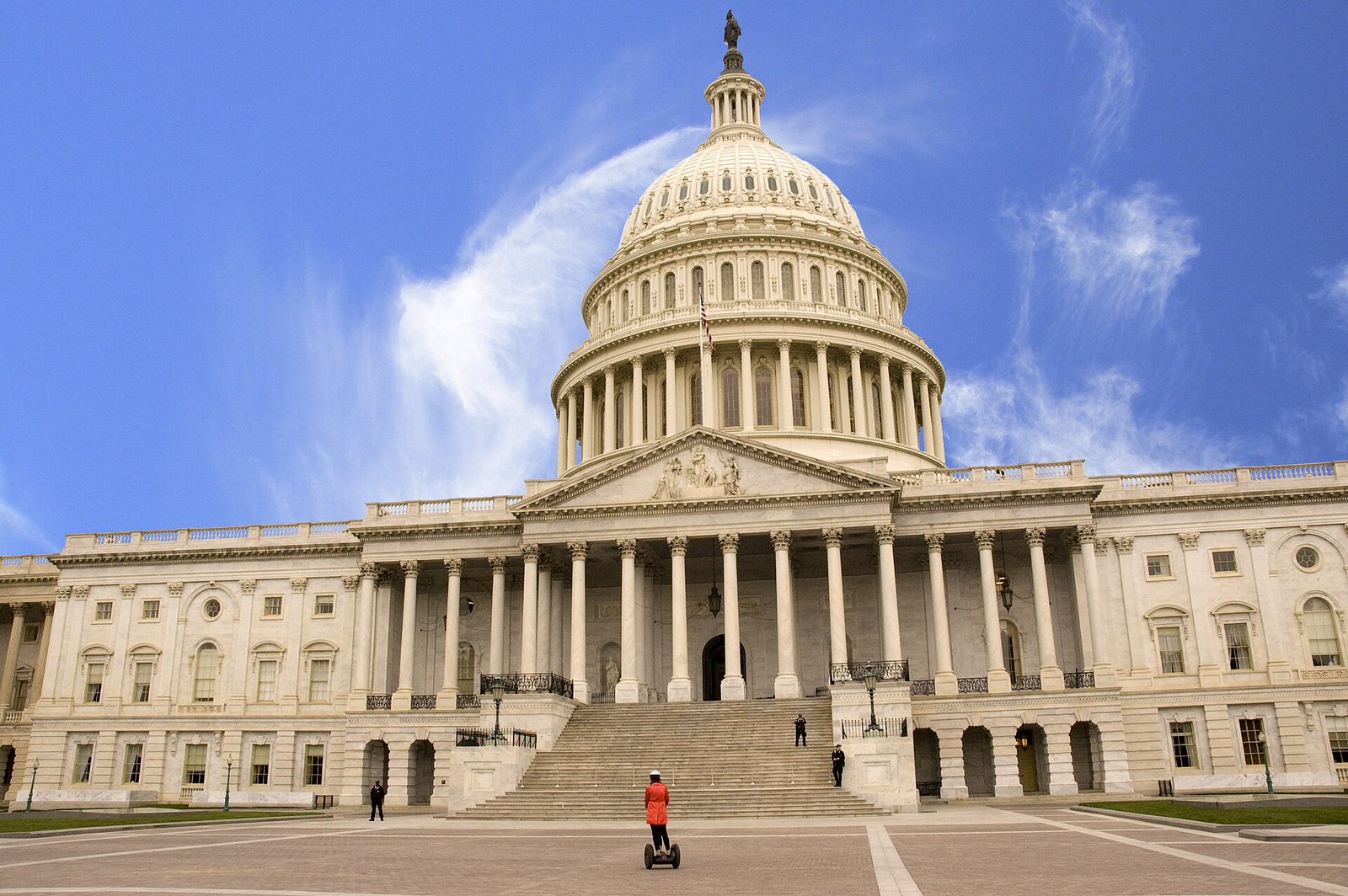
United States Capitol Building.jpg David Maiolo · CC BY-SA 3.0
December 1982: Congress bars CIA/DoD funds for the purpose of overthrowing Nicaragua.
After the CIA's Contra program became a political fight, Boland language in Defense appropriations restricted agency funds for overthrowing the Sandinista government or provoking conflict with Honduras. [1][2]
It was the start of a multi-year statutory tug-of-war, not the end of Contra policy. [2]
Bottom line Documented
Boland I is the first hard congressional brake on Contra war aims.
What the record can’t settle
Exact conference language sits in report appendices; this entry uses the committees' summary.
United States Capitol Building.jpg David Maiolo · CC BY-SA 3.0
October 1984: funds available to CIA, DoD, or any other intelligence agency barred for military/paramilitary ops in Nicaragua.
The 1984 restriction is the wall later debates say the NSC staff walked around. [1][2]
CIA and Defense understood it as stopping their covert Contra military program. The claim that NSC staff sat outside 'intelligence agency' limits became the legal-political fight. [2][3]
Bottom line Documented
This is the statute the Enterprise was built to outflank.
What the record can’t settle
Criminal enforceability against NSC staff remained contested in court and in the minority report.
United States Capitol Building.jpg David Maiolo · CC BY-SA 3.0
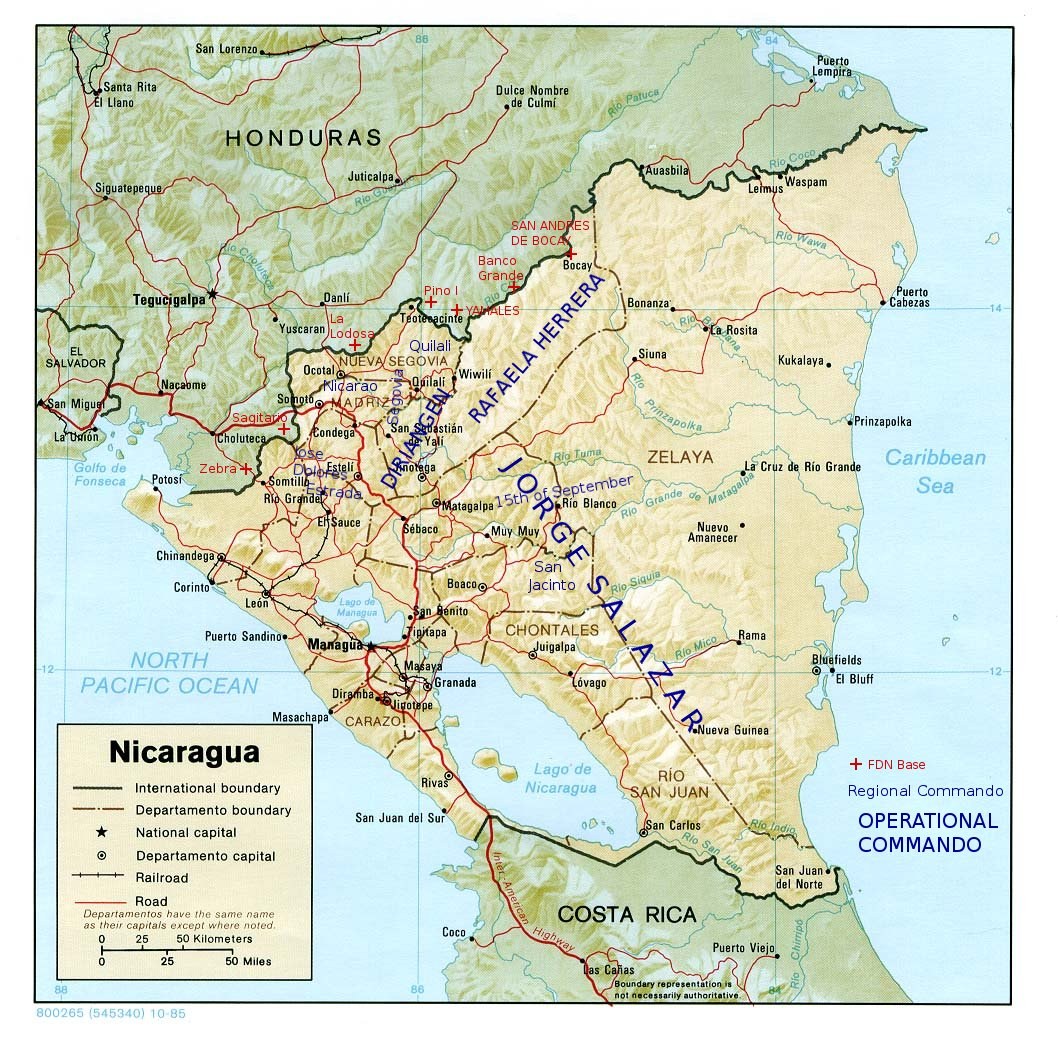
U.S. support for anti-Sandinista forces was Reagan Central America policy before the scandal had a name.
The Sandinistas held power in Nicaragua after 1979; the Reagan administration backed Contra forces as part of a wider Cold War Central America strategy. [1][2]
Harbor mining and CIA exposure earlier in the decade helped turn Congress from funder to restricter. [2]
Bottom line Documented
Without the Contra war, there is nothing to divert money to.
What the record can’t settle
Battlefield body counts and human-rights records of all sides are a larger war history than this scandal page can hold.
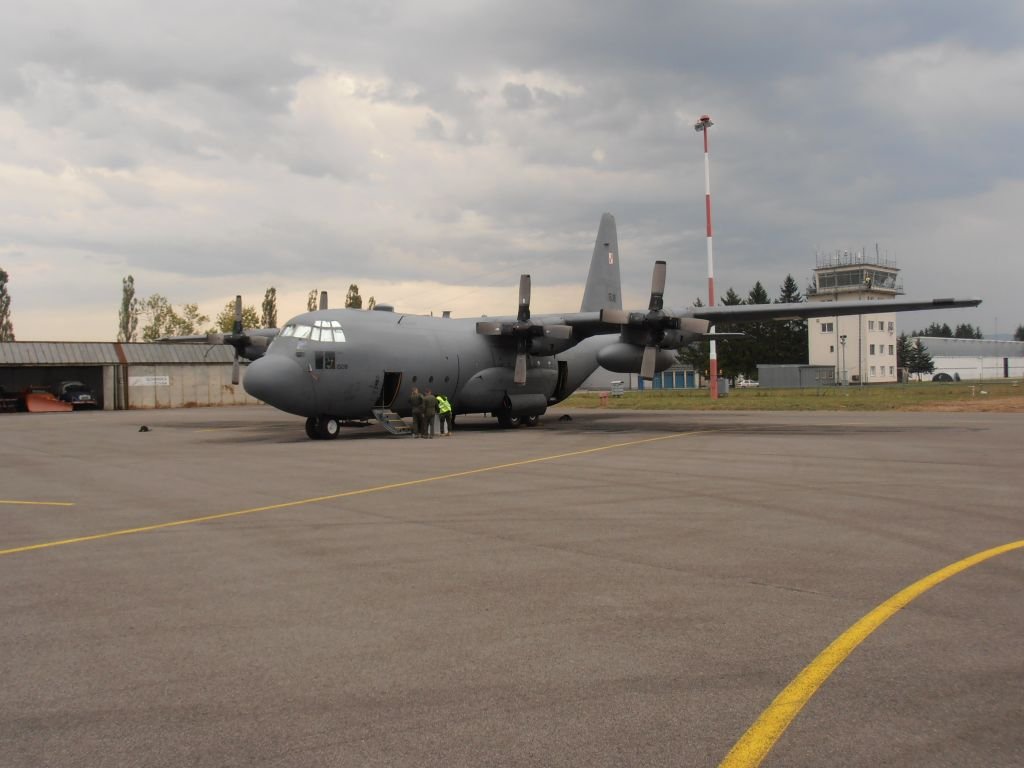
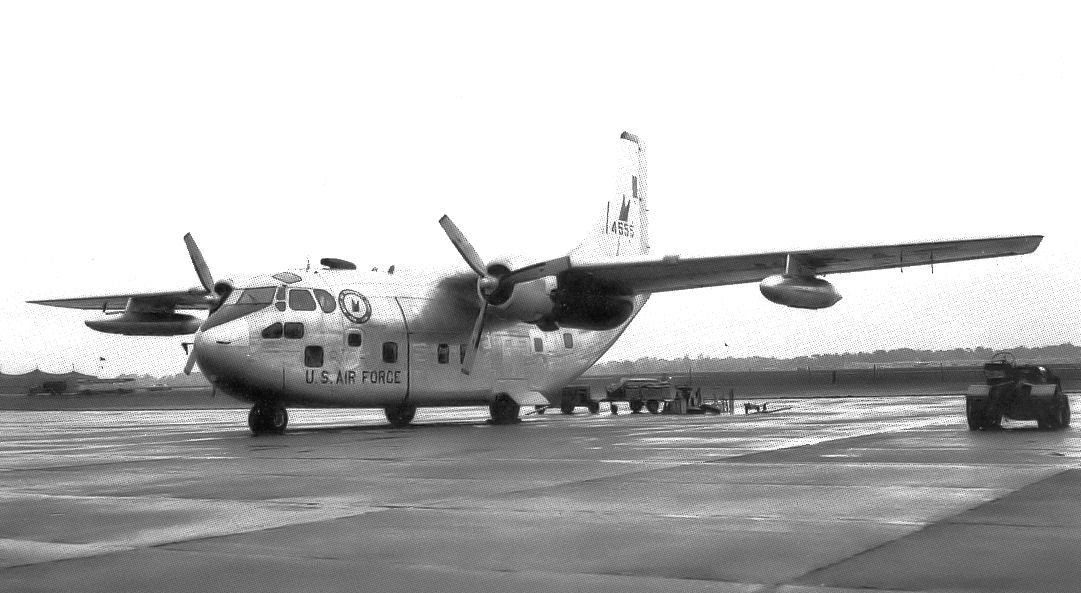
Lockheed C-130E Hercules.jpg Andrej-airliner · CC BY 3.0
1984–86: with appropriated Contra military aid blocked, the White House raised tens of millions from other countries and private donors.
The Congressional report describes roughly $34 million from other countries between mid-1984 and early 1986, plus millions more from private contributors cultivated by North. [1][2]
Assistant Secretary Motley had assured Congress the administration was not soliciting third countries — while solicitation was happening out of sight. [1]
Bottom line Documented
The money trail is not a rumor; it is a committee finding.
What the record can’t settle
Donor-by-donor exhibits are denser in appendices than in this summary entry.
Lockheed C-130E Hercules.jpg Andrej-airliner · CC BY 3.0
Secord and Hakim, steered by North, built Swiss accounts, planes, pilots, and secure communications outside CIA appropriations.
At Casey's suggestion (per the Congressional narrative), North recruited retired Maj. Gen. Richard Secord. With Albert Hakim he built what they called the Enterprise. [1][2]
For about sixteen months it functioned as a secret arm of the NSC staff: private money, non-appropriated logistics, Contra resupply. [1]
Bottom line Documented
The Enterprise is the machine that makes both Contra resupply and later Iran markups operational.
What the record can’t settle
Internal profit splits and every Swiss ledger line are not reproduced here.
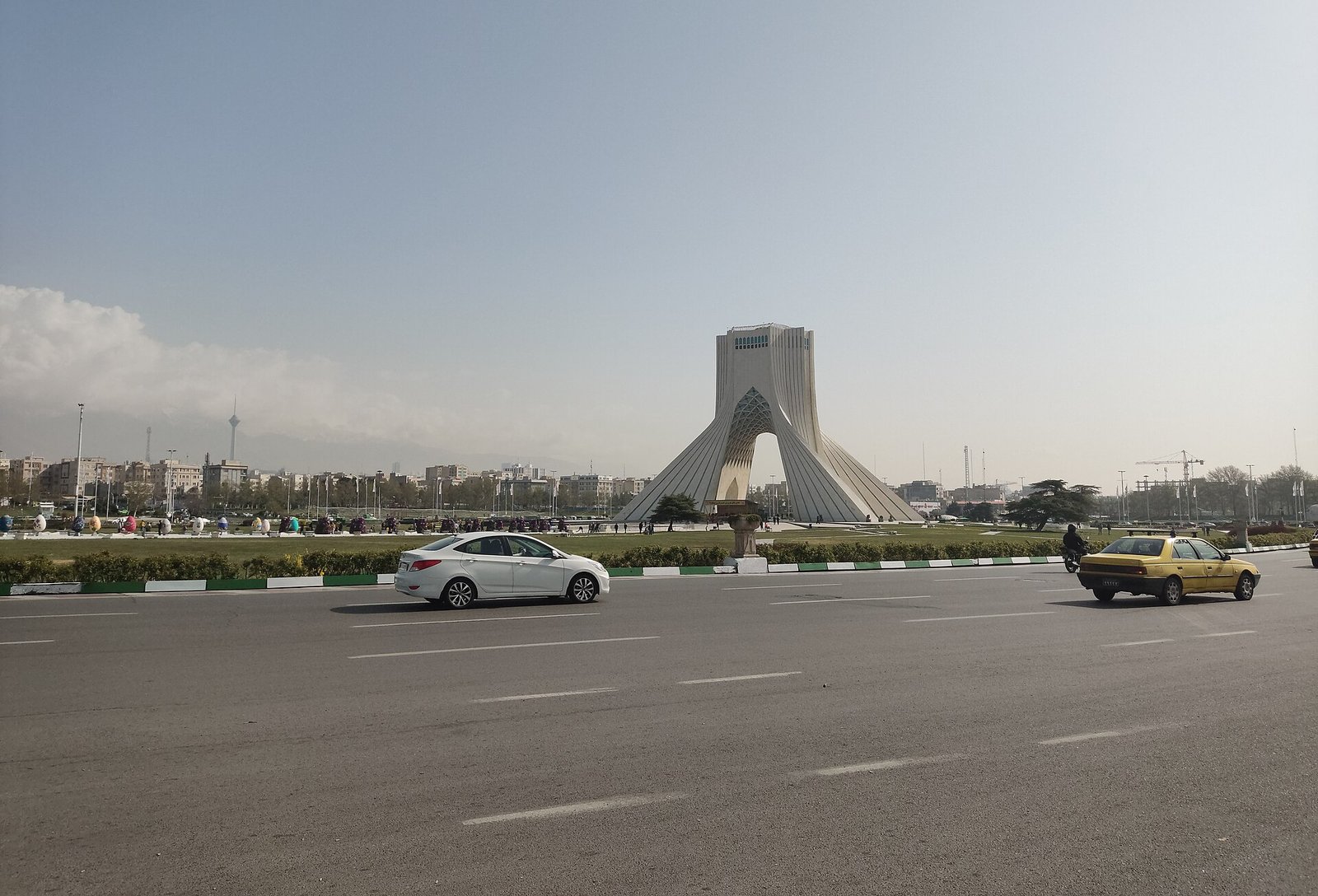
Azadi Square (2022).jpg Wikimedia Commons · CC BY-SA 4.0
Summer 1985: Israel suggests selling missiles to Iran to free Americans held in Lebanon and open a political channel.
Shultz and Weinberger opposed an arms-for-hostages deal with a terrorism-listed state still under embargo. [1][3]
Reagan nonetheless authorized Israel to proceed; NSC staff who already ran Contra logistics took operational control. No timely Finding or congressional notification. [1][2]
Bottom line Documented
The Iran half of Iran-Contra begins as an Israeli-mediated proposal the President green-lights.
What the record can’t settle
Internal Israeli deliberations are not fully in the U.S. public record cited here.
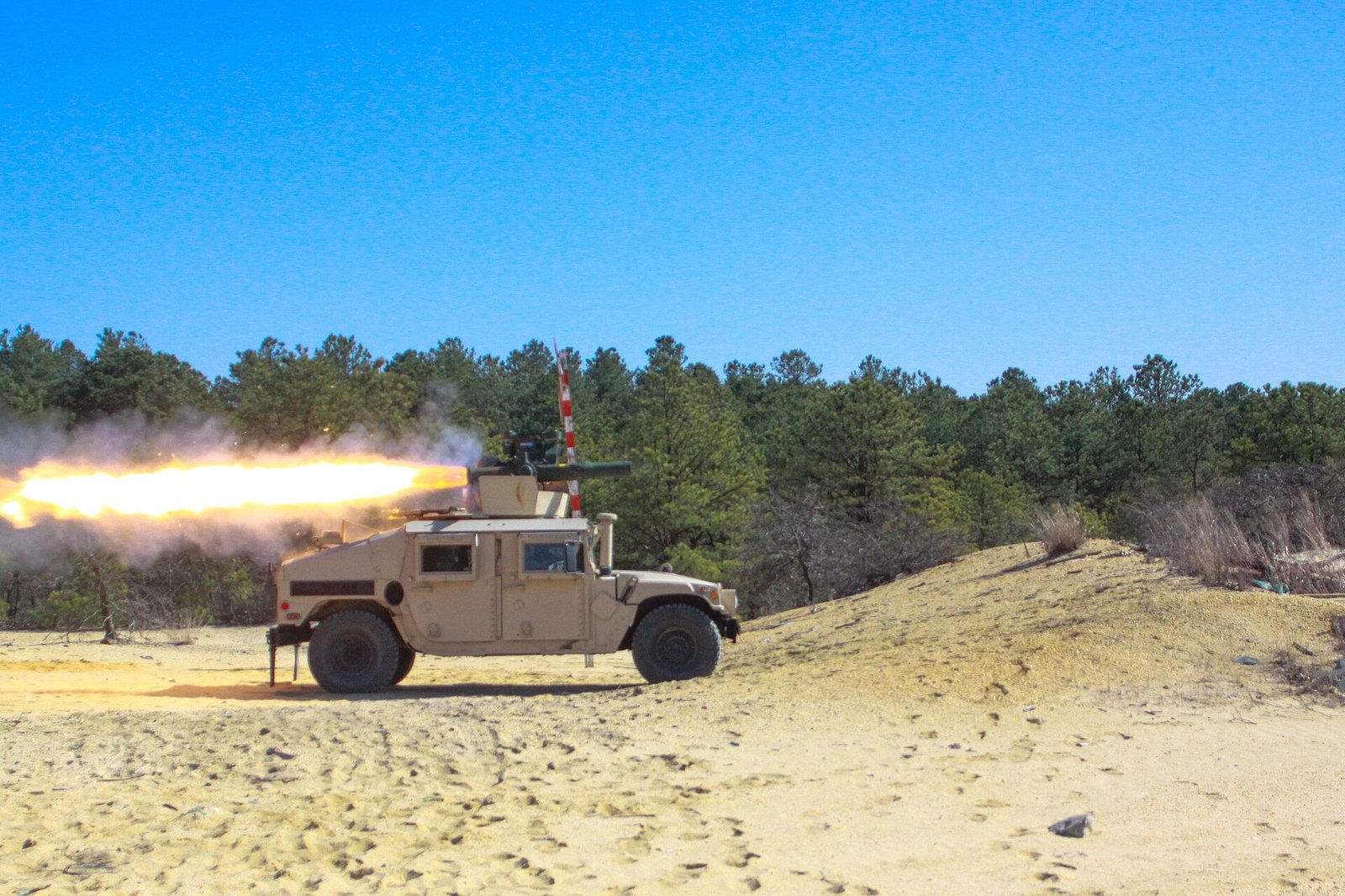
170323-A-QM442-544 - 50th Infantry Brigade Combat Team trains with TOW missile system (Image 8 of 15).jpg Staff Sgt. Nicholas Young · Public domain
1985–86 shipments moved missiles to Iran; hostage releases did not match the promises.
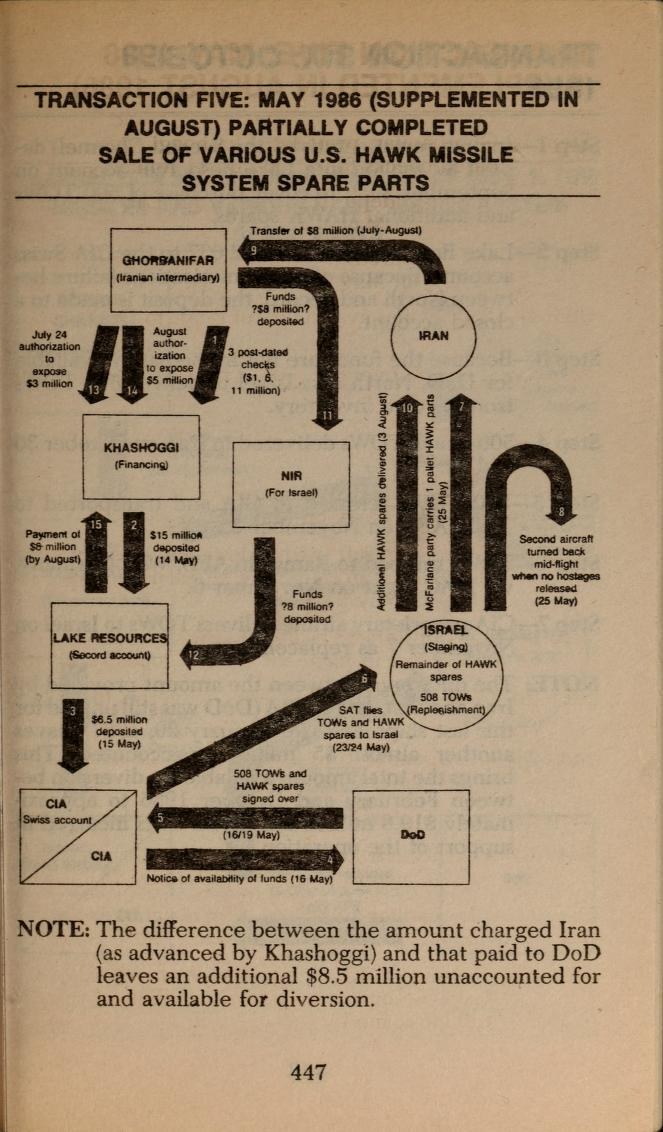
Israel shipped hundreds of TOWs in 1985; later U.S.-directed Enterprise sales included 1,000 TOWs in February 1986 and HAWK-related transfers, plus intelligence about Iraq. [1]
Hostages were supposed to come out in packages; they did not. Some were released over time; others remained. The Congressional report calls the strategic opening a failure measured against arms delivered. [1][3]
Bottom line Documented
Arms went; the hostage ledger never balanced.
What the record can’t settle
Exact missile counts by flight are in exhibits; this entry uses committee totals.
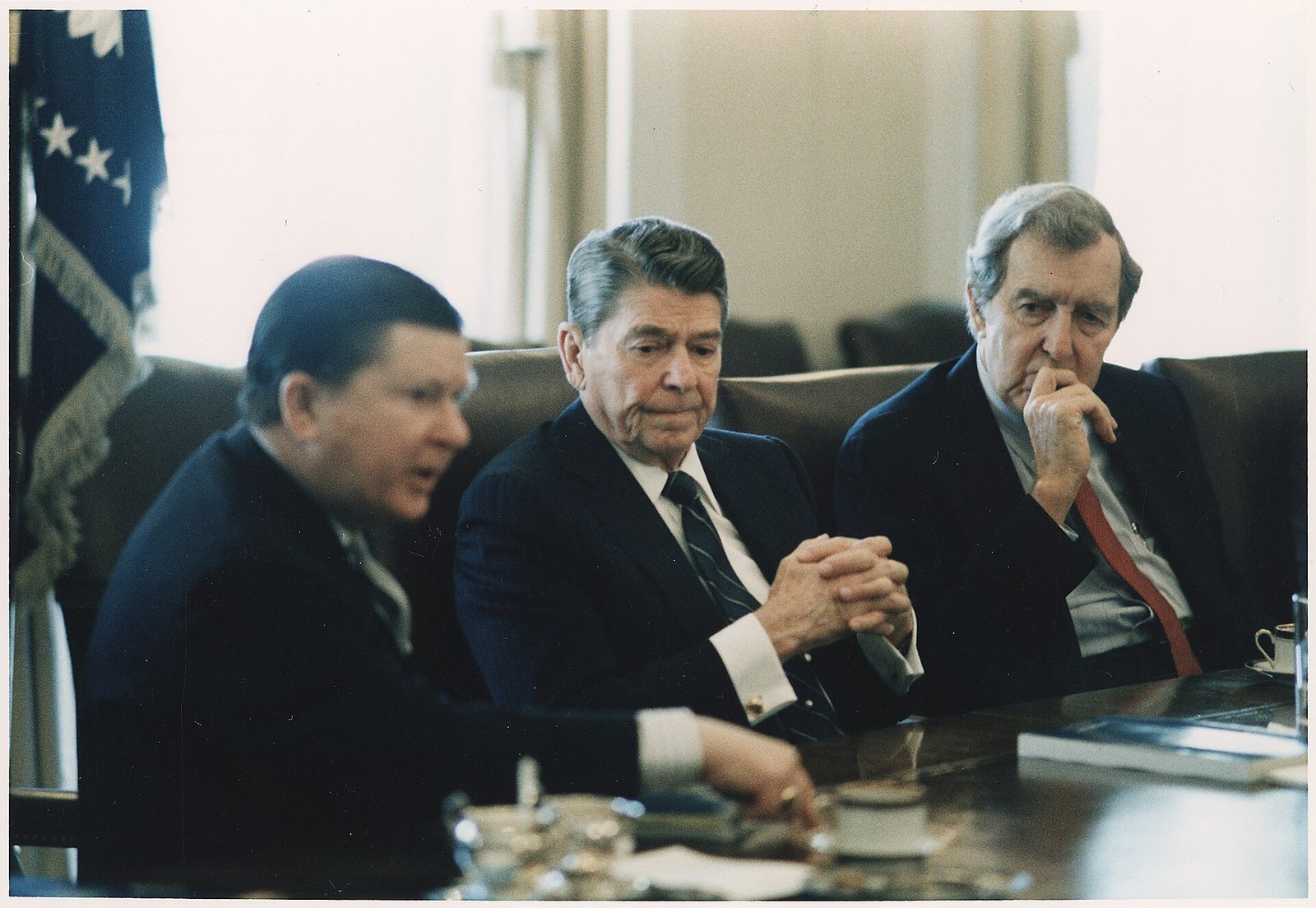
Photograph of President Reagan receiving the Tower Commission Report in the Cabinet Room - NARA - 198581.jpg
Unknown authorUnknown author or not provided · Public domain
Manucher Ghorbanifar was central to early Iran contacts; U.S. officials doubted his reliability.
Committee narratives place Ghorbanifar in the Israeli-Iranian channel; polygraph failures and distrust appear throughout the record. [1][2]
A bad middleman does not erase the missiles that moved; it helps explain why the channel was chaotic. [1]
Bottom line Documented
The Iran initiative ran through a broker many Americans did not trust.
What the record can’t settle
His full intelligence allegiances are not settled in open U.S. findings cited here.
Official Portrait of President Reagan 1981.jpg Michael Evans · Public domain
The central presidential question: Poindexter said he shielded the President; critics call that convenient.
Poindexter testified he authorized diversion and did not tell Reagan. [1][2]
Tower criticized Reagan's management; Walsh pursued obstruction around 1985 arms knowledge and later diary issues involving Bush; no diversion conviction of Reagan exists. [2][3][4]
Bottom line Disputed
Documented: mismanagement and Iran-track authorization. Not documented as adjudicated fact: Reagan ordered or knew the diversion.
What the record can’t settle
Private unrecorded conversations cannot be subpoenaed from the dead.
WhiteHouseSouthFacade.JPG
This image or media was taken or created by Matt H. Wade. To see his entire portfolio, click here.@thatmattwade
This image is protected by copyright! If · CC BY-SA 3.0
November 21–25, 1986: the Attorney General's inquiry finds the diversion; North is fired; Poindexter resigns.
On Nov. 25 the White House discloses that proceeds of Iran arms sales were diverted to the Contras. [2][1][3]
Document shredding and alteration around North's office — including secretary Fawn Hall's role — became part of the obstruction story Walsh later prosecuted. [4][5]
Bottom line Documented
The scandal becomes a single hyphenated name on a Tuesday in November.
What the record can’t settle
Exactly what each principal destroyed versus what Meese's team found first remains partly a race-of-the-clock narrative.
Photograph of President Reagan receiving the Tower Commission Report in the Cabinet Room - NARA - 198581.jpg
Unknown authorUnknown author or not provided · Public domain
May–August 1987: Congress puts Iran-Contra on live TV; North and Poindexter testify under immunity.
House and Senate select committees (Hamilton / Inouye chairs) began public hearings May 5, 1987. [1][2]
North's July testimony made him a celebrity defendant; Poindexter said he authorized diversion and kept it from Reagan. [3][4][7]
Joint report issued Nov. 18, 1987, with minority views dissenting on criminalization. [5][6]
Bottom line Documented
The hearings wrote the public memory faster than any trial could.
What the record can’t settle
Immunity that made great TV later wrecked some convictions.
Photograph of President Reagan receiving the Tower Commission Report in the Cabinet Room - NARA - 198581.jpg
Unknown authorUnknown author or not provided · Public domain
Immunized hearings created a cultural North — medals, Marine posture, divided polls — distinct from the later vacated convictions.
July 1987 testimony dominated U.S. political television. [1][2]
Memory of Iran-Contra often is memory of those hearings, not of Walsh's 1993 footnotes. [3]
Bottom line Documented
The scandal's iconography outran its docket.
What the record can’t settle
Poll specifics belong in memory phases with named pollsters when cited.
Photograph of President Reagan receiving the Tower Commission Report in the Cabinet Room - NARA - 198581.jpg
Unknown authorUnknown author or not provided · Public domain
Argument-making media get measured: which critical-path steps they support or break.
Official reports remain the yardstick; memoirs and movies are evidence of memory, not automatic proof. [1][2]
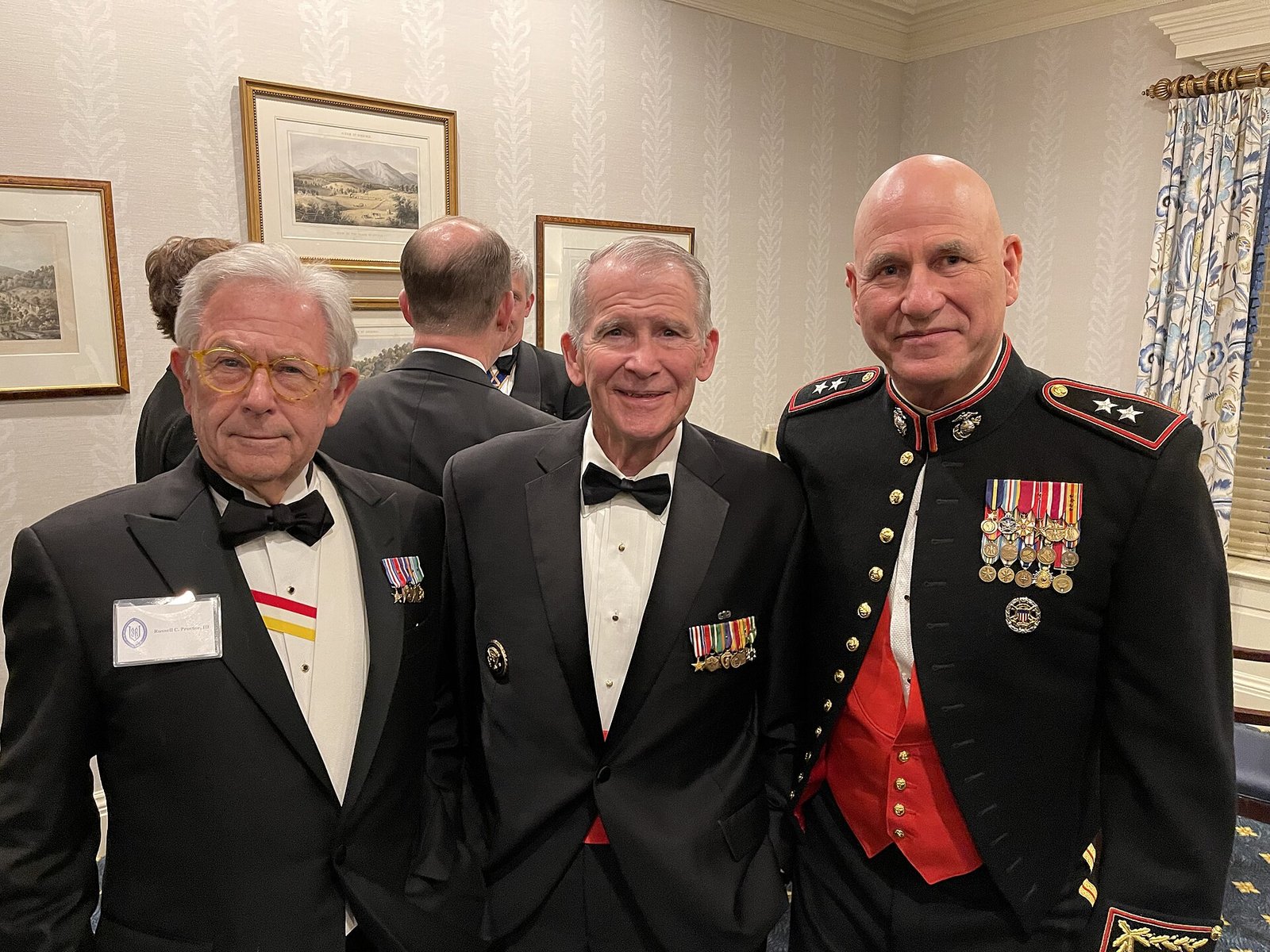
LtCol Oliver North and MajGen Paul Brier.jpg Sbooke1666 · CC BY-SA 4.0
Indicted 1988; convicted on three counts in 1989; convictions vacated and case dismissed after immunity fights.
North was the NSC officer most directly involved in Contra support and Iran operational detail until fired Nov. 25, 1986. [1]
Central conspiracy and theft counts fell to classification problems; remaining convictions did not survive the immunized-testimony taint analysis. [1][2][3]
Bottom line Documented
North is convicted in the public mind more securely than in the final criminal docket.
What the record can’t settle
Vacatur is not the same as factual exoneration of the underlying conduct investigators described.
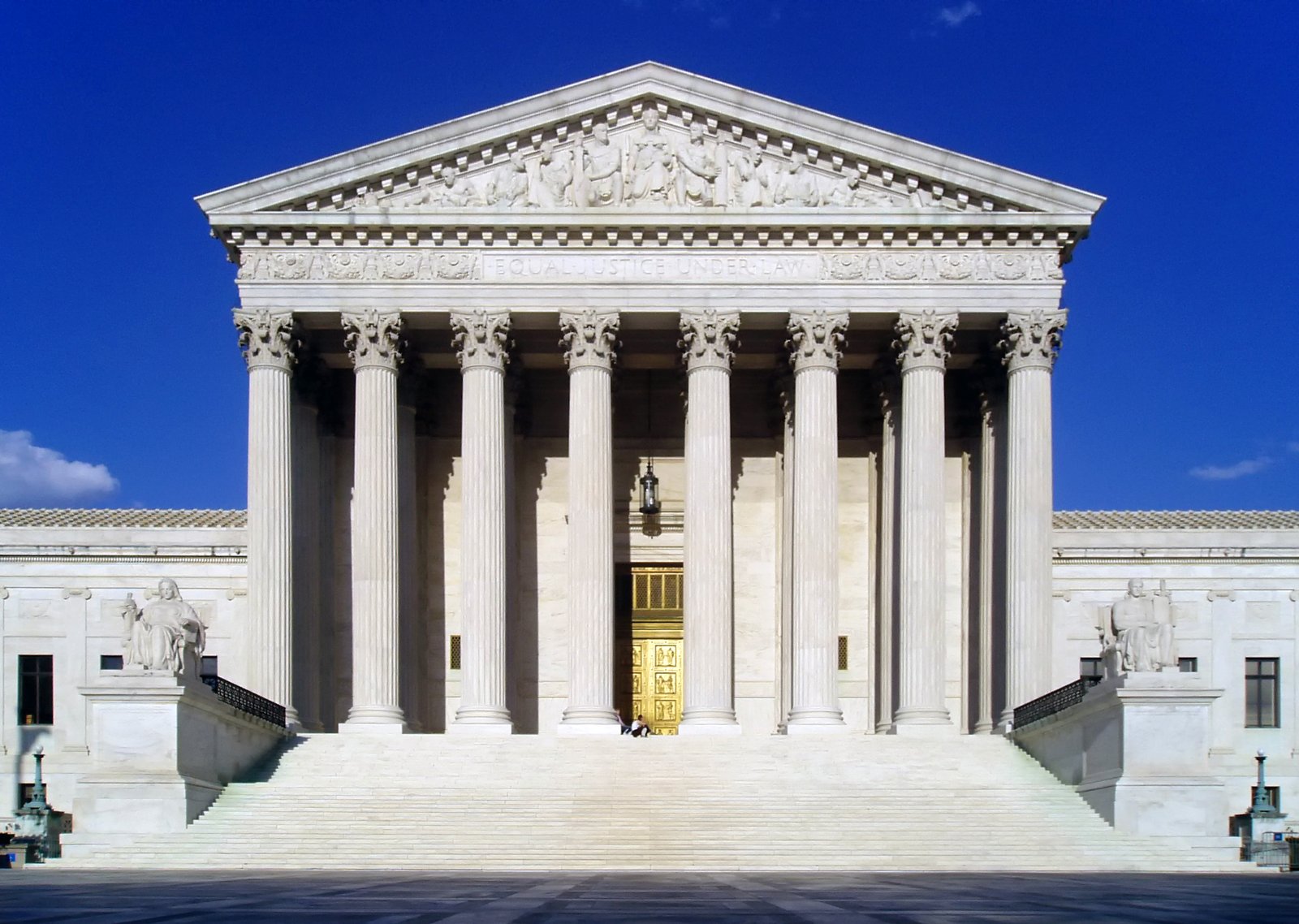
USSupremeCourtWestFacade.JPG UpstateNYer · CC BY-SA 3.0
CIA Costa Rica station chief Joseph Fernandez sees prosecutions collapse under CIPA.
Walsh's chronology tracks venue fights, attorney-general affidavits, and eventual dismissal after the government refused to allow certain classified disclosures. [1][2]
It is a structural limit: some covert-action trials cannot be tried in open court as charged. [3]
Bottom line Documented
National-security privilege can end a prosecution without a verdict on the facts alleged.
What the record can’t settle
Dismissal is not a factual finding that southern-front support never happened — Congress already described Tambs/North cooperation.
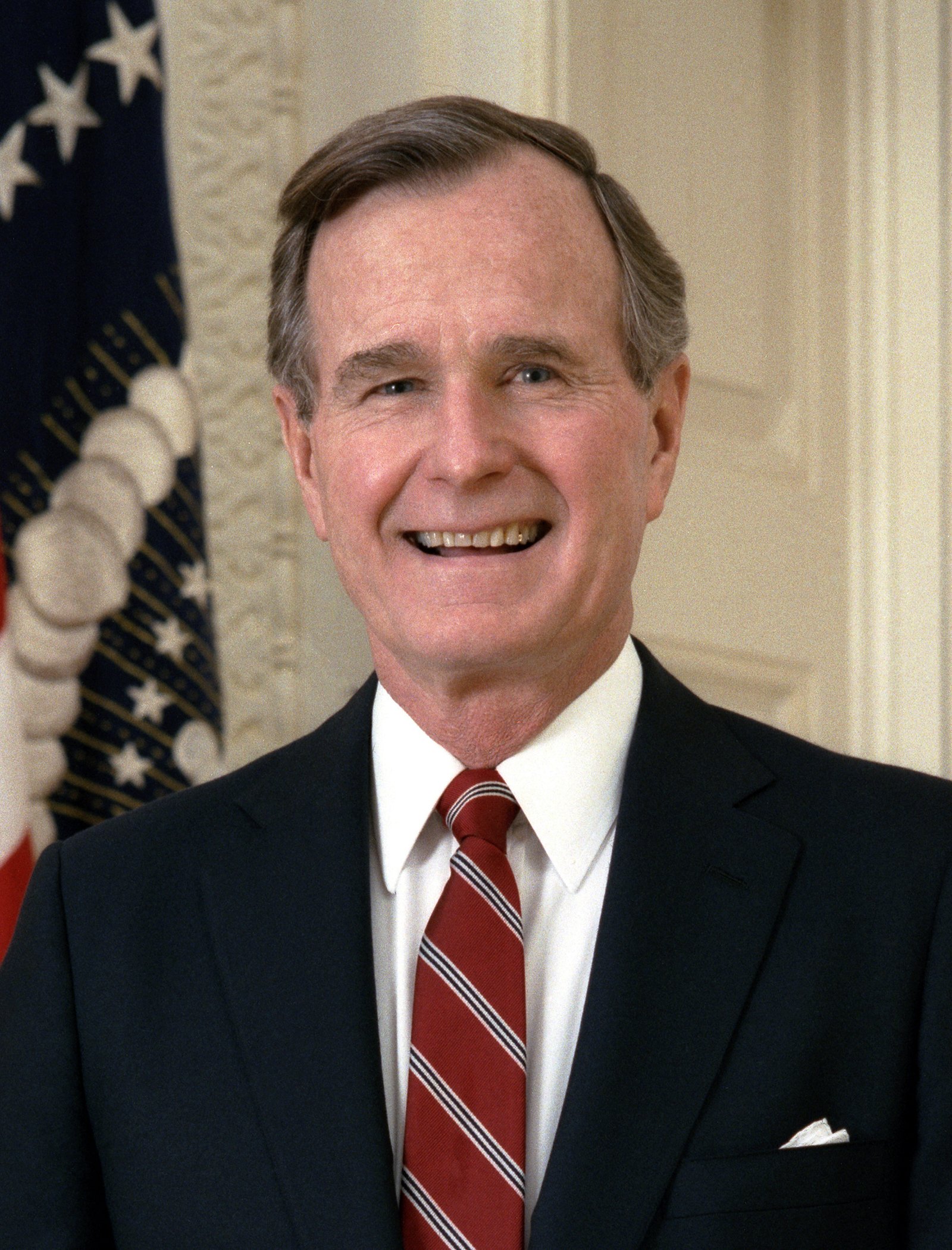
George H. W. Bush presidential portrait (cropped).jpg David Valdez · Public domain
President Bush pardons Weinberger, Clarridge, McFarlane, Fiers, Abrams, and George — Walsh denounces it.
On Dec. 24, 1992, Bush pardoned six Iran-Contra figures, including former Defense Secretary Weinberger on the eve of trial. [1][2][3]
Clair George had just been convicted; Clarridge had been awaiting trial. Independent Counsel called the pardons an impediment to full accountability. [4][5]
Bottom line Documented
The criminal endgame is closed by pardon, not by a complete jury ledger.
What the record can’t settle
Whether pardons prove a cover-up of a cover-up is politics; that they stopped trials is fact.
Chicago MSI exterior view aug 2006.jpg Wikimedia Commons · Public domain
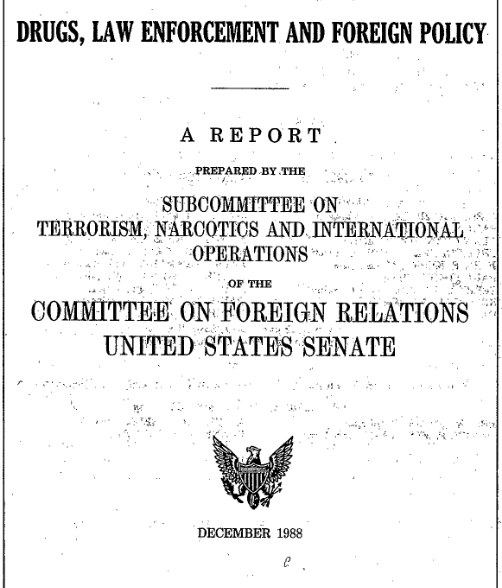
1989 Senate subcommittee finds substantial narcotics smuggling linked to some Contra-related networks and U.S. negligence — not a CIA master-plot finding.
The Kerry report examined conflicts between narcotics enforcement and Contra policy, including payments that reached companies tied to traffickers. [1]
It is real oversight history. It is not the same claim as a CIA plan to flood American cities. [1][2]
Bottom line Partly true
Kerry documents a serious problem at the edges of Contra logistics; it does not rewrite the arms-diversion critical path.
What the record can’t settle
Case-level detail fills a long report; this entry states the scope, not every name.
Chicago MSI exterior view aug 2006.jpg Wikimedia Commons · Public domain
1996 San Jose Mercury News series; later criticized; CIA and DOJ inspectors general reject the strongest Agency-orchestration claims.
Gary Webb's series alleged a CIA-connected Contra narcotics pipeline fed Los Angeles markets. Major papers attacked overreach; his paper later criticized the series' standards. [1][3]
CIA IG Hitz (1998) found no Agency conspiracy with Ross, Blandón, or Meneses as charged in the California story; DOJ OIG likewise rejected CIA orchestration. Hitz also reported troubling continued relationships despite narcotics allegations. [2][3]
Bottom line Disputed
Treat Dark Alliance as a contested theory with a documented Kerry-era kernel — not as a substitute for Tower and Walsh on arms and diversion.
What the record can’t settle
IG reports are not the last cultural word; they are the official factual bound used on this page.