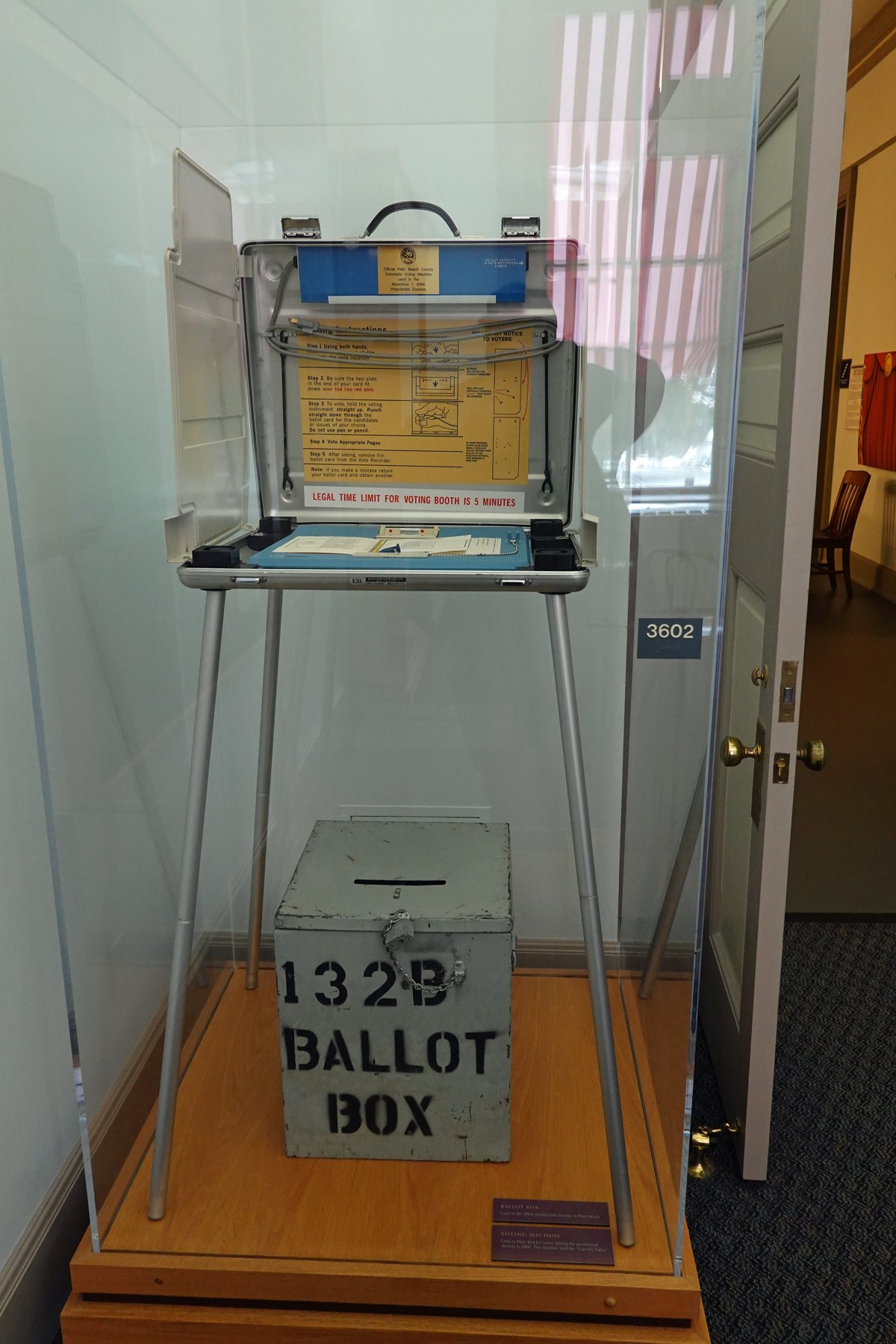
GAO’s post-election review examined registration, absentee voting, Election Day operations, counting, certification and recounts. That range is important: a reliable tabulator cannot fix a registration record that prevents a voter from obtaining a ballot, or instructions that lead someone to mark a different choice than intended. [1]
A separate GAO statistical analysis found meaningful effects involving equipment and demographics, but state-level differences explained more variation in uncounted presidential votes than those factors. Such differences could include education, standards for valid votes and other administrative practices. That is evidence against treating technology as the entire explanation. [2]
The analytical limit also matters. County-level associations do not identify the intended vote of an individual person, and a high rejection rate alone does not establish a deliberate plot. The appropriate response is to inspect mechanisms: where an error arose, who was exposed to it, whether officials could detect it, and what remedy was available. A broad claim of integrity and a broad claim of fraud can both skip that essential work.