The AI Files · Private email, the Foundation, Midyear Exam, Uranium One, the hacks, and the reviews that followed · plain reading edition
The Clintons: the emails and the Foundation: every entry
All 44 entries of the guide, grouped by period and case, each with its bottom line and its sources. This page needs no JavaScript. The interactive guide adds the story in 35 chapters, the people, the timeline, the theories, the 20 checked claims and the media.
The Clinton Foundation / Clinton Global Initiative orbit. Clinton Foundation · Public domain
Bill Clinton built a global charity that mixed philanthropy with a vast donor network.
After leaving the White House in 2001, Bill Clinton established what became the Clinton Foundation (originally the William J. Clinton Foundation). It grew into an operating charity with programs in HIV treatment access, climate and economic development. [1]
Unlike a pass-through grantmaker, it ran many programs itself. PolitiFact later showed why counting only grants to other groups made its “overhead” look worse than an operating charity’s program share — around 80% of 2013 expenses in one commonly cited year. [2]
Foreign governments and wealthy individuals were major donors from early on. That fact is not disputed; what it meant when Hillary Clinton returned to power is the fight. [3]
Bottom line Documented
The Foundation was a real, large operating charity with foreign donors long before the email story.
What the record can’t settle
Form 990s show totals and categories, not every donor’s motive.
Clinton Global Initiative imagery. Northern Ireland Office · CC BY 2.0 (https://creativecommons.org/licenses/by/2.0)
Health access and pledging summits made the Foundation famous — and fundraising-dependent.
The Clinton Health Access Initiative negotiated lower prices for HIV drugs in developing countries. The Clinton Global Initiative, launched in 2005, staged annual meetings where corporations and governments announced pledges. [1]
Those programs required constant fundraising. Critics say the brand and the access were the product; defenders point to measurable health outcomes. Both the fundraising machine and the program work are documented. [2]
Bottom line Documented
Program work and elite fundraising grew together; neither cancels the other.
What the record can’t settle
Impact metrics come mainly from the Foundation and partners, not independent audits cited here.
The Clinton Foundation / Clinton Global Initiative orbit. Clinton Foundation · Public domain
State and Gulf donors gave large gifts; disclosure lagged at times.
Foreign governments including Australia, Norway and Gulf states donated millions over the years. Reuters confirmed a $1 million Qatari gift connected to a Bill Clinton birthday event while Hillary Clinton was secretary of state. [1]
The 2008 ethics agreement was supposed to channel new foreign-government money through State review. Later reporting and the Foundation’s own admissions showed gaps between the pledge and the practice. [2][3]
Bottom line Documented
Foreign-government money is documented; whether any gift bought a State act is a separate question.
What the record can’t settle
Gift confirmations often come from press and Foundation statements, not a single public ledger of every dollar.
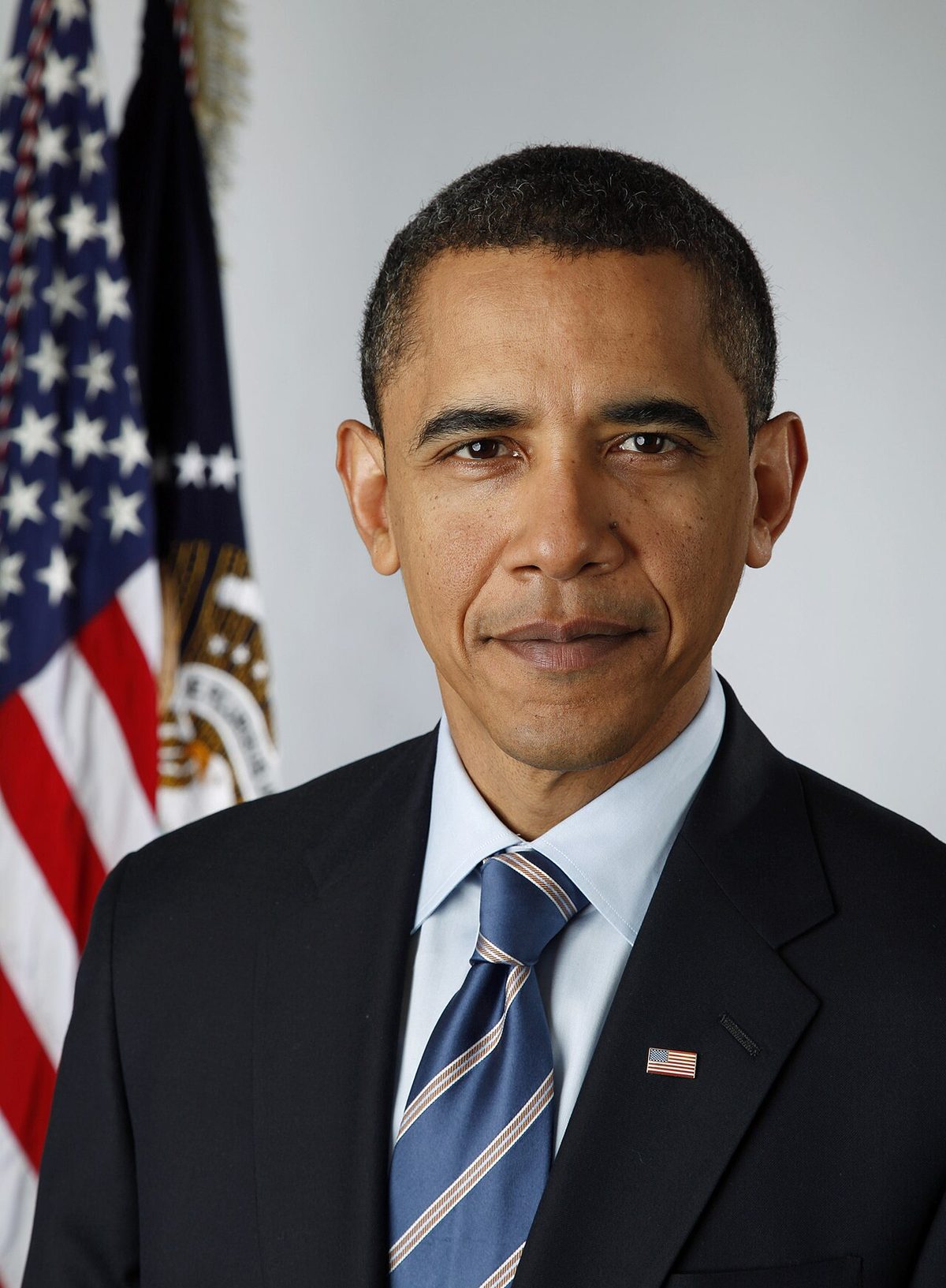
Barack Obama. Pete Souza · CC BY 3.0 (https://creativecommons.org/licenses/by/3.0)
Disclosure and State review were promised before she took office.
In December 2008, as Barack Obama prepared to nominate Hillary Clinton, the Foundation agreed to annual donor disclosure and to submit new foreign-government donations for State Department review. [1]
The memorandum was a political and ethics compromise, not a criminal statute. Breaches of its spirit fueled later pay-to-play arguments; proving a bribe requires an official act tied to a payment. [2]
Bottom line Documented
The ethics rules were real; compliance disputes are documented; a quid pro quo is not established by the MOU alone.
What the record can’t settle
The documentcloud text is the public copy of the arrangement; internal State clearance memos are not fully public.
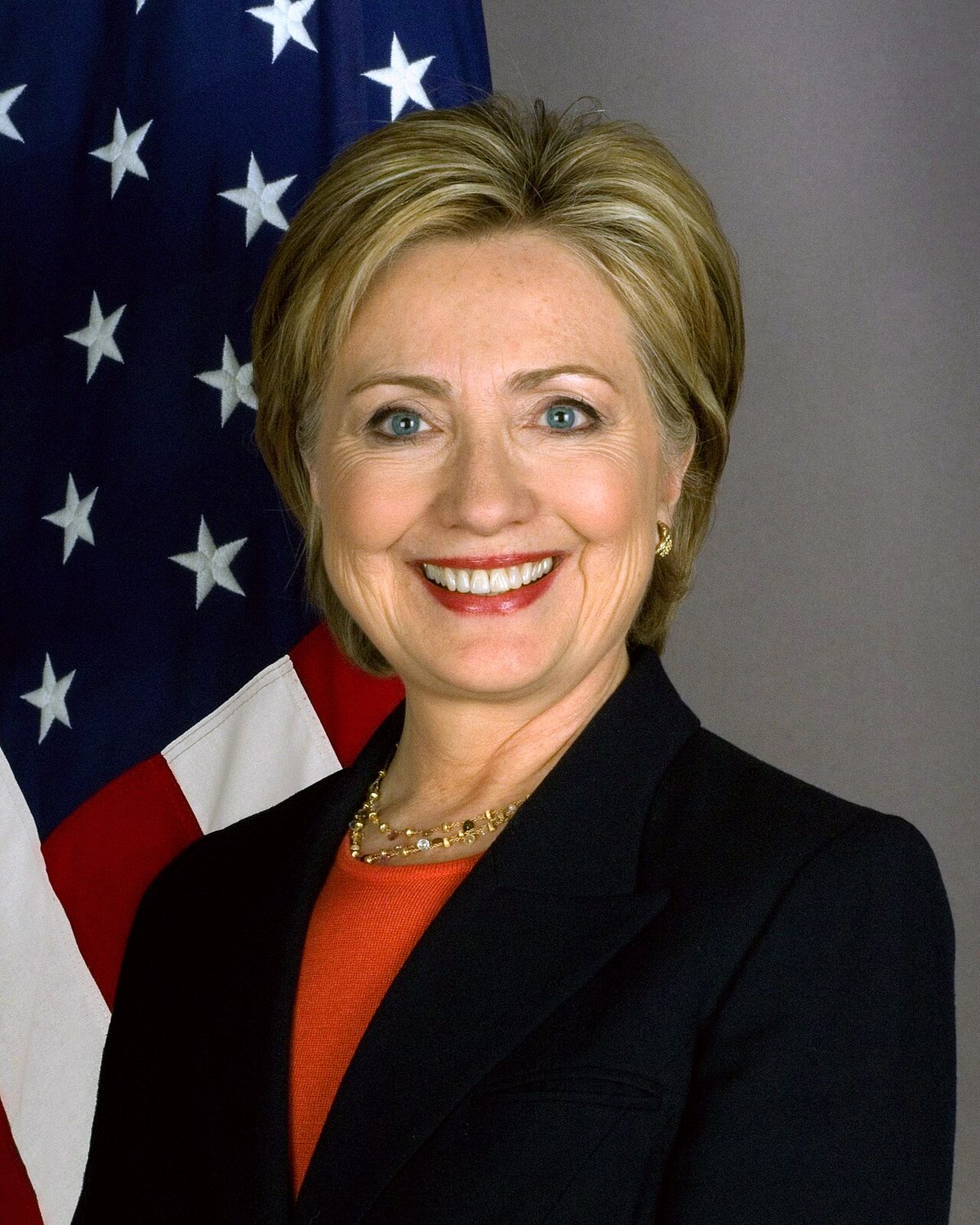
Hillary Rodham Clinton. United States Department of State · Public domain
AP found overlap between Foundation donors and State meetings; a traded act is the missing piece.
In 2016 the Associated Press reported that a large share of people outside government who met Clinton in her first years as secretary were Foundation donors. Aides sometimes tried to help donors with requests. [1]
Overlap is not proof of a sale. Cabinet secretaries meet many people; donors seek access everywhere. The record shows conflict-of-interest risk and uneven ethics-agreement compliance — not a signed trade of a visa, contract or CFIUS vote for a check. [2][3]
Bottom line Partly true
Access for donors is documented; pay-to-play as a specific crime remains unproven.
What the record can’t settle
AP’s methodology counted meetings it could see in released schedules; not every contact is public.
Hillary Rodham Clinton. United States Department of State · Public domain
She ran four years of State email on a private system.
From her first day as secretary in January 2009, Hillary Clinton used a personal email account on a private server for official business. State’s inspector general found she used personal email exclusively for day-to-day operations. [1]
Officials in Diplomatic Security and Information Resource Management told OIG they did not — and would not — have approved exclusive reliance on a personal account, because of FAM restrictions and security risk. [1]
Comey later said she used several server configurations and numerous mobile devices over four years, and that only a small circle emailed her address directly. [2]
Bottom line Documented
Exclusive private-server use is documented by State OIG and the FBI.
What the record can’t settle
OIG did not interview Clinton; eight former aides also declined.
Hillary Rodham Clinton. United States Department of State · Public domain
She said convenience; critics say she kept control of her records.
Clinton publicly said she used one device for convenience. Earlier secretaries had mixed practices: Powell used personal email for some work; Rice’s representative said she did not; Albright’s said she used neither Department nor personal email. [1]
What was unusual was exclusive use of a private server for all work email, without seeking approval, and the failure to surrender work records promptly when she left. OIG documents those points. Motive beyond convenience is inferred by critics, not found as a legal conclusion. [1]
Bottom line Mixed
Practice and rule-breaking are documented; inner motive is not a finding.
What the record can’t settle
OIG compares tenures carefully; “everyone did it” overstates Powell and erases Rice/Albright.
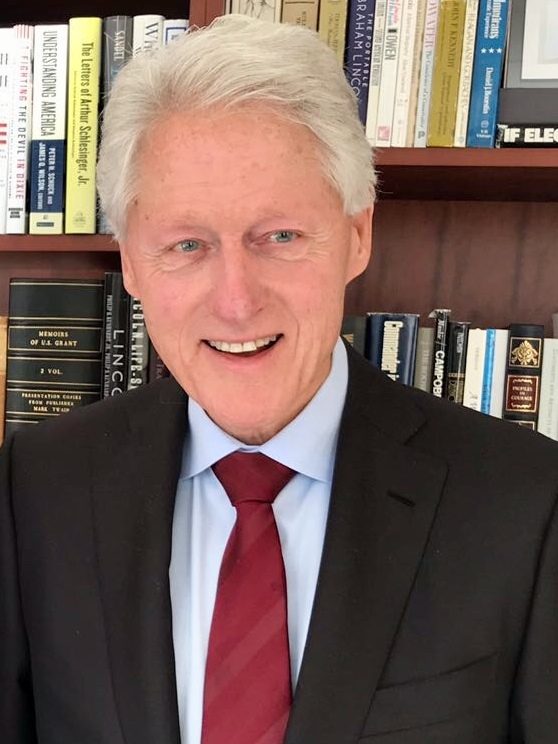
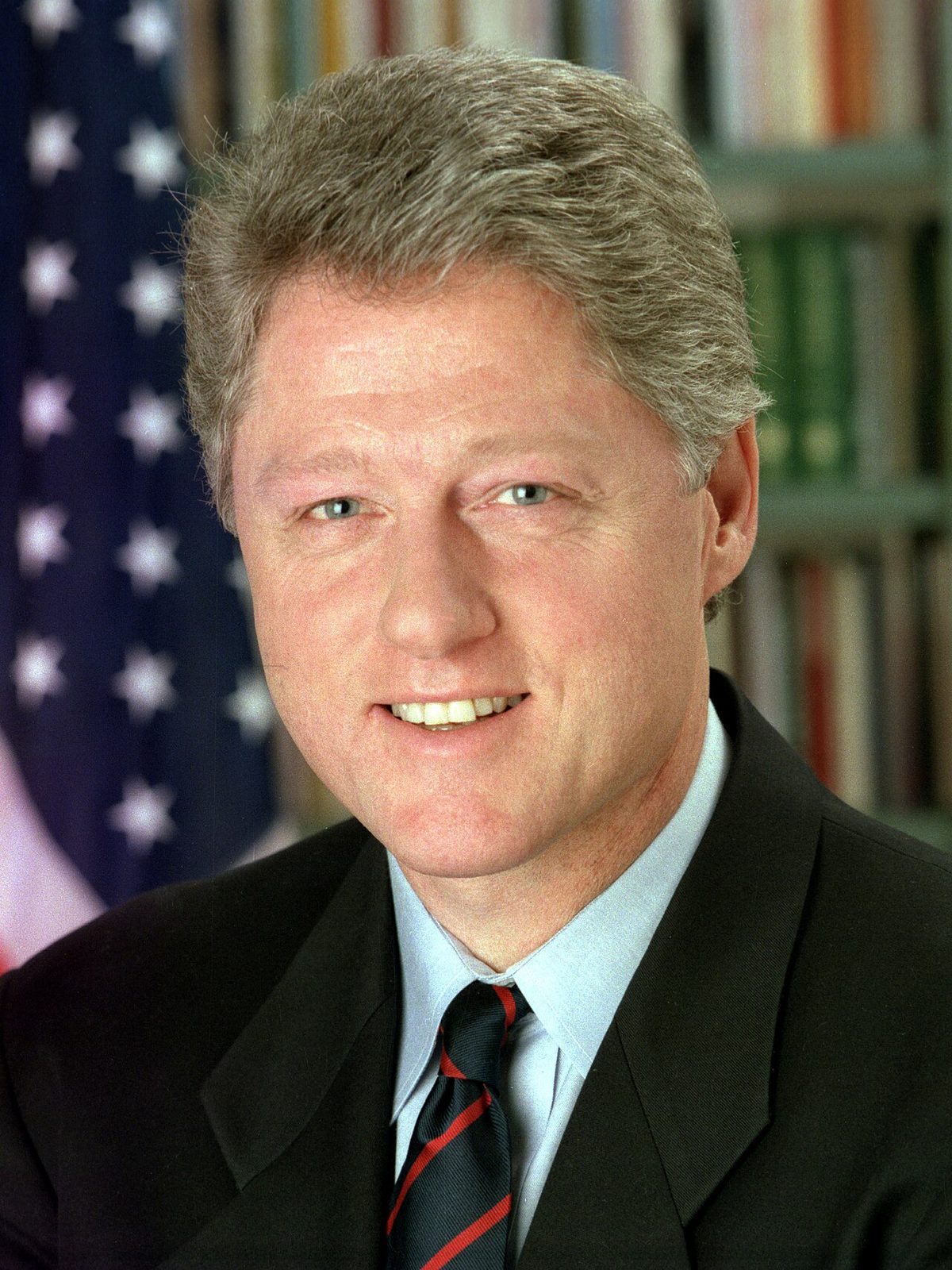
Bill Clinton. Bob McNeely, The White House[1] · Public domain
Paid speeches and Teneo sat beside Foundation fundraising.
While Hillary Clinton was secretary, Bill Clinton earned large speaking fees worldwide. Doug Band’s 2011 memo, later published in the Podesta emails, described how Teneo brought in both Foundation donations and paid work — “Bill Clinton Inc.” in press shorthand. [1][2]
The memo is primary evidence of intentional overlap between charity, consulting and personal income. It does not, by itself, prove State Department acts were sold. [3]
Bottom line Documented
The business–charity overlap is documented in Band’s own memo.
What the record can’t settle
The memo arrived via a hack; its authenticity has not been seriously contested by the parties.
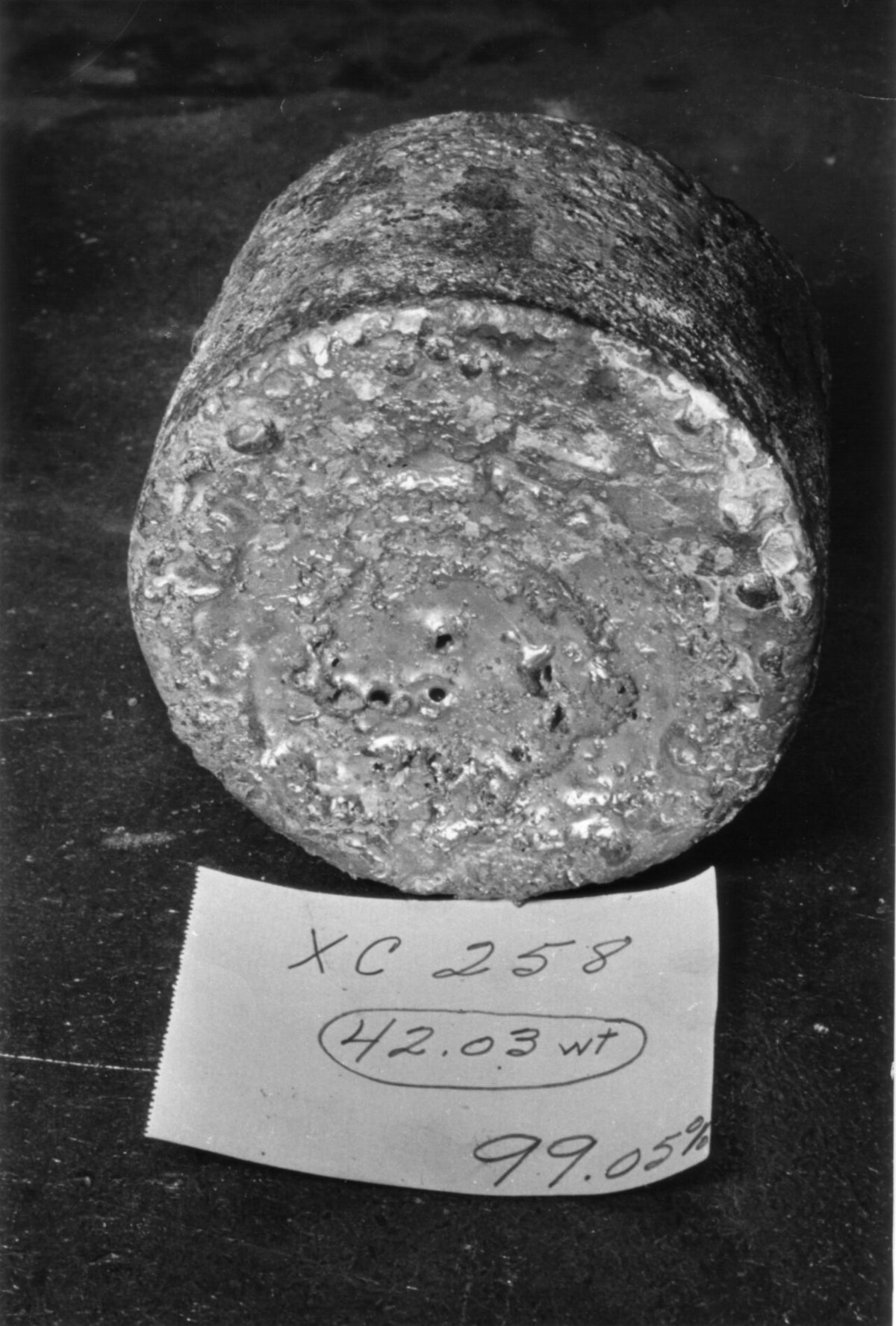
Uranium mining imagery standing in for the Uranium One CFIUS fight. Unknown authorUnknown author · Public domain
A Russian state nuclear firm took control of a Canadian miner with U.S. licenses.
On 8 June 2010 Uranium One announced that ARMZ, the mining arm of Russia’s Rosatom, would take at least 51% of the company. Uranium One held Wyoming in-situ recovery licenses. [1][2]
The Nuclear Regulatory Commission said those mines were about 20% of then-licensed U.S. in-situ recovery capacity — capacity, not “20% of U.S. uranium,” and not a figure Hillary Clinton personally conveyed. [1]
NRC approved license transfers in November 2010 and stated that uranium from the facilities could not be exported to Russia without separate authorizations. FactCheck reports NRC later said none had been shipped to Russia. [2][1]
Bottom line Documented
The corporate deal and export limits are documented; the slogan “sold 20% of our uranium” is not.
What the record can’t settle
CFIUS deliberations are confidential unless a deal is blocked.
Bill Clinton. Bob McNeely, The White House[1] · Public domain
Bill Clinton’s speech fee landed between announcement and approval.
On 29 June 2010 — three weeks after the Rosatom deal was announced and before CFIUS approval — Renaissance Capital paid Bill Clinton $500,000 for a Moscow speech. The New York Times reported the firm had Kremlin ties and had been promoting Uranium One’s stock. [1][2]
The fee and timing look bad. No public investigation has shown the speech bought a CFIUS vote or an NRC license. [2]
Bottom line Documented
Speech fee and timing are documented; a quid pro quo is not.
What the record can’t settle
Renaissance Capital’s exact ownership and intent are characterized by press, not a court.
Hillary Rodham Clinton. United States Department of State · Public domain
State could object; only the President could block.
CFIUS has nine members, including the secretary of state. It can recommend blocking; only the President has authority to suspend or prohibit a covered transaction. None of the nine objected to Uranium One. [1][2]
Former Assistant Secretary Jose Fernandez told the Times he represented State on CFIUS and that Clinton never intervened with him on any CFIUS matter. We do not have a full public record of her personal involvement. [3][2]
Bottom line Documented
Institutional facts cut against “she sold uranium”; they do not prove she never knew.
Uranium mining imagery standing in for the Uranium One CFIUS fight. Unknown authorUnknown author · Public domain
Telfer’s family foundation gave about $2.35 million; disclosure was incomplete.
Uranium One chairman Ian Telfer’s family foundation donated about $2.35 million to the Clinton Foundation around the deal years. The Times and FactCheck document the gifts; the Foundation had failed to itemize some Canadian conduit donors as the ethics agreement contemplated. [1][2]
FBI opening papers later released by Sen. Grassley alleged those four donations were not disclosed as required. That is an investigative allegation in Bureau paper, not a proven crime. [3]
Bottom line Documented
Donations and disclosure failures are documented; bribery is not proven.
What the record can’t settle
Canadian charity pass-throughs complicate public itemization.
Peter Schweizer, author of Clinton Cash. Gage Skidmore · CC BY-SA 3.0 (https://creativecommons.org/licenses/by-sa/3.0)
Schweizer alleged a pattern; some threads checked out, others did not.
Peter Schweizer’s 2015 book Clinton Cash argued foreign governments and businesses enriched the Clintons through Foundation gifts and speech fees while Hillary Clinton held power. [1]
The New York Times built on its Uranium One chapter. Fact-checkers confirmed donations and the Moscow speech, and rejected the stronger claim that she personally “gave away” U.S. uranium for cash. [2][3]
Treat the book as an argument to test: useful for leads, not as a verdict. [1][3]
Bottom line Partly true
Leads from Clinton Cash produced real facts and real overreach.
What the record can’t settle
Schweizer’s think-tank affiliation is relevant to motive; it does not automatically falsify documents he cites.
Hillary Rodham Clinton. United States Department of State · Public domain
March 2015 turns a practice into a crisis.
On 2 March 2015 the New York Times reported that Clinton had exclusively used personal email at State, possibly breaking federal records rules. The story relied in part on Benghazi Committee document trails. [1]
FOIA suits, especially by Judicial Watch, then forced State to release tens of thousands of messages through 2015–16. [2][3]
Bottom line Documented
Public discovery of the server is dated and sourced.
What the record can’t settle
The Times story’s legal conclusion (“possibly breaking rules”) was later sharpened by State OIG.
Hillary Rodham Clinton. United States Department of State · Public domain
Lawyers sorted; thousands of work emails were later found elsewhere.
In December 2014 Clinton’s representatives produced about 30,000 work emails (~55,000 pages) to State and did not produce others treated as personal. [1]
Comey said the lawyers used search terms and headers and “did not individually read the content of all of her e-mails.” The FBI later found several thousand work-related emails that had not been turned over. [2]
Bottom line Documented
The handover scale and the incomplete sort are documented by OIG and Comey.
What the record can’t settle
Contents of emails never recovered remain unknown.
Hillary Rodham Clinton. United States Department of State · Public domain
Deletions happened; an order to obstruct was not found.
After the House Benghazi Committee’s 4 March 2015 subpoena, a Platte River Networks employee deleted an email archive and used BleachBit on exported files — what he later called an “oh shit” moment about an unmet retention request from late 2014. [2][3]
An aide told the FBI that old phones were destroyed with a hammer. Comey said the FBI found no evidence emails were deleted to conceal them from investigators. [1][2]
Popular versions that Clinton personally “bleached” evidence go beyond the FBI’s finding. [1][2]
Bottom line Partly true
Tools and deletions are real; proven obstructive intent by Clinton is not.
What the record can’t settle
The FBI never recovered every deleted item’s content.
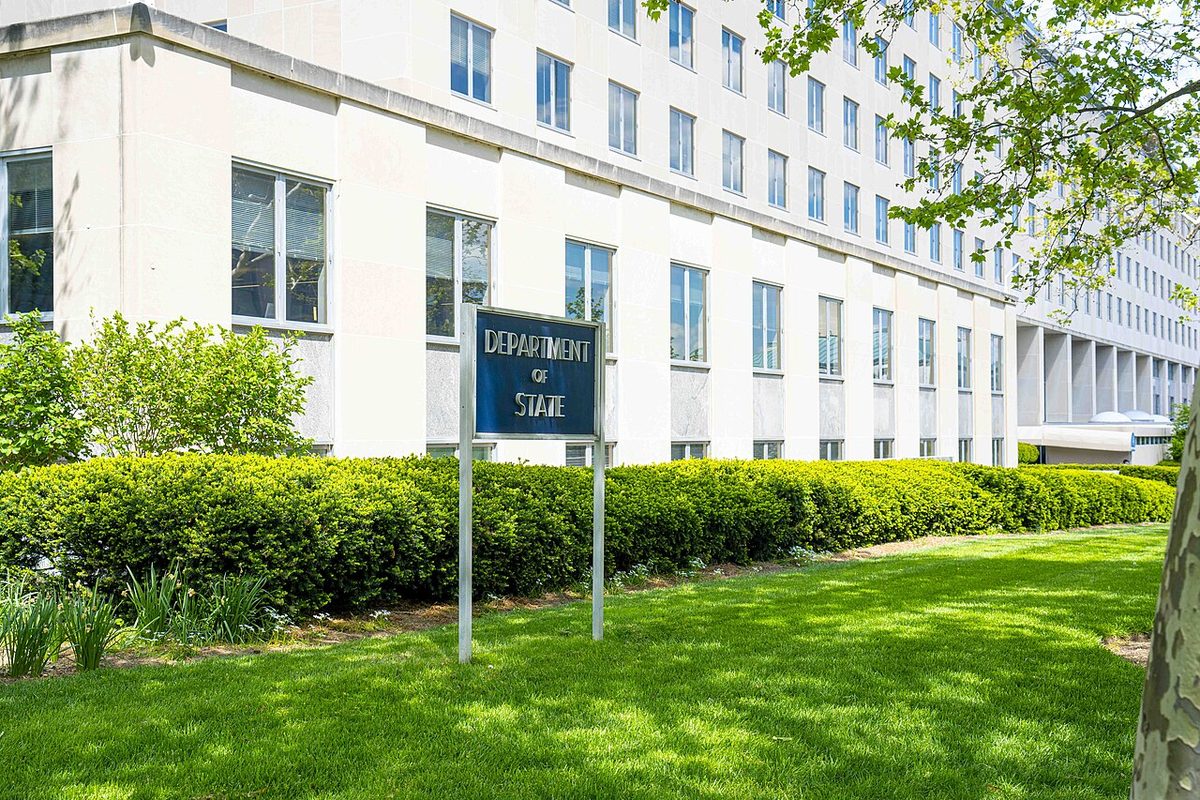
The U.S. Department of State. U.S. Department of State · Public domain
Exclusive personal email was unapproved and would not have been.
On 25 May 2016 State OIG released ESP-16-03. It found email practices varied across five secretaries, and that Clinton’s exclusive personal-server use stood apart. [1]
DS and IRM officials said they did not — and would not — approve exclusive personal-email reliance. Clinton, through counsel, declined OIG’s interview request; eight former employees also declined. [1]
OIG made eight recommendations on guidance, penalties and quality assurance. The Department concurred. [1]
Bottom line Documented
Rule-breaking on records and cybersecurity process is an OIG finding.
What the record can’t settle
OIG evaluates compliance; it does not bring criminal charges.
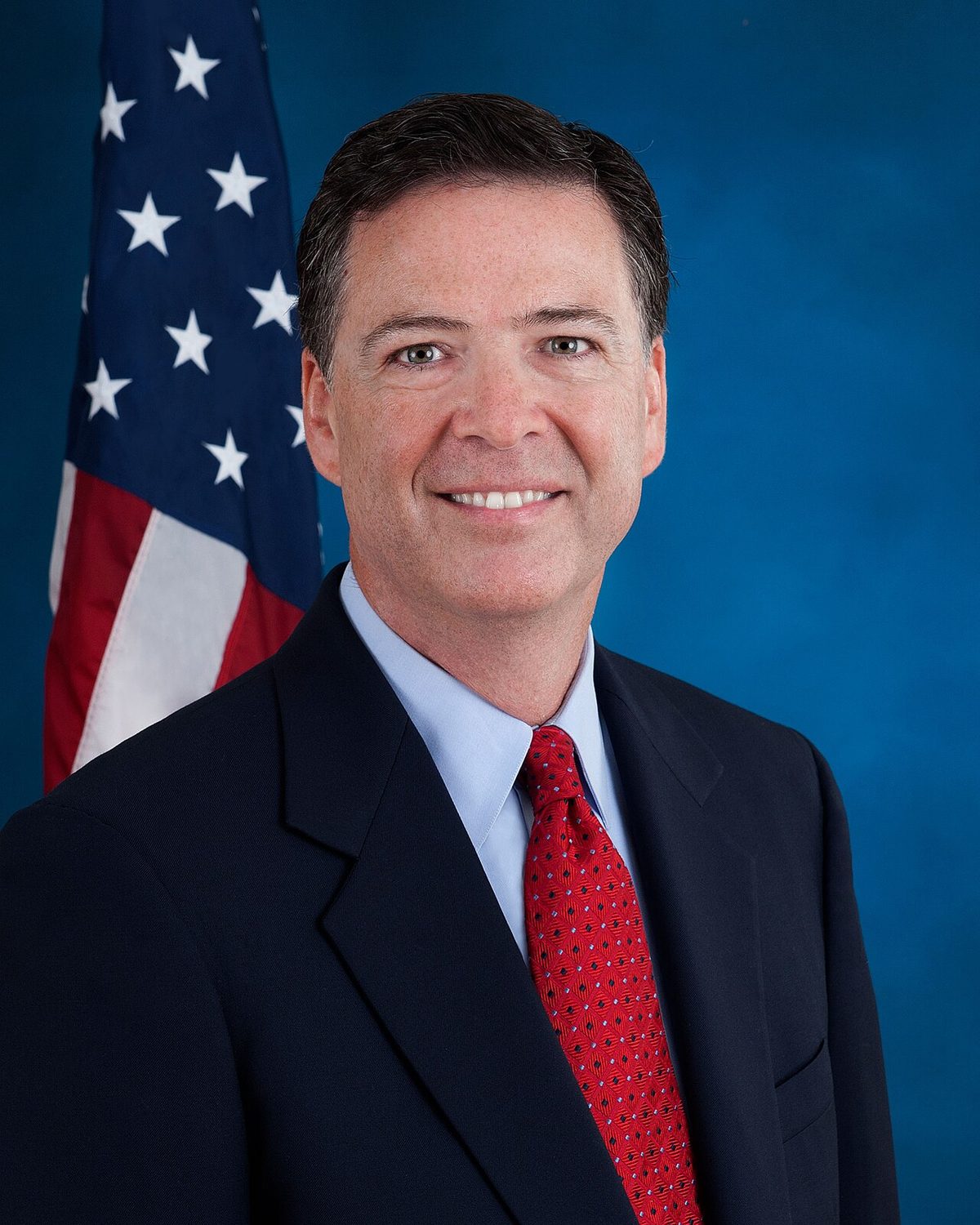
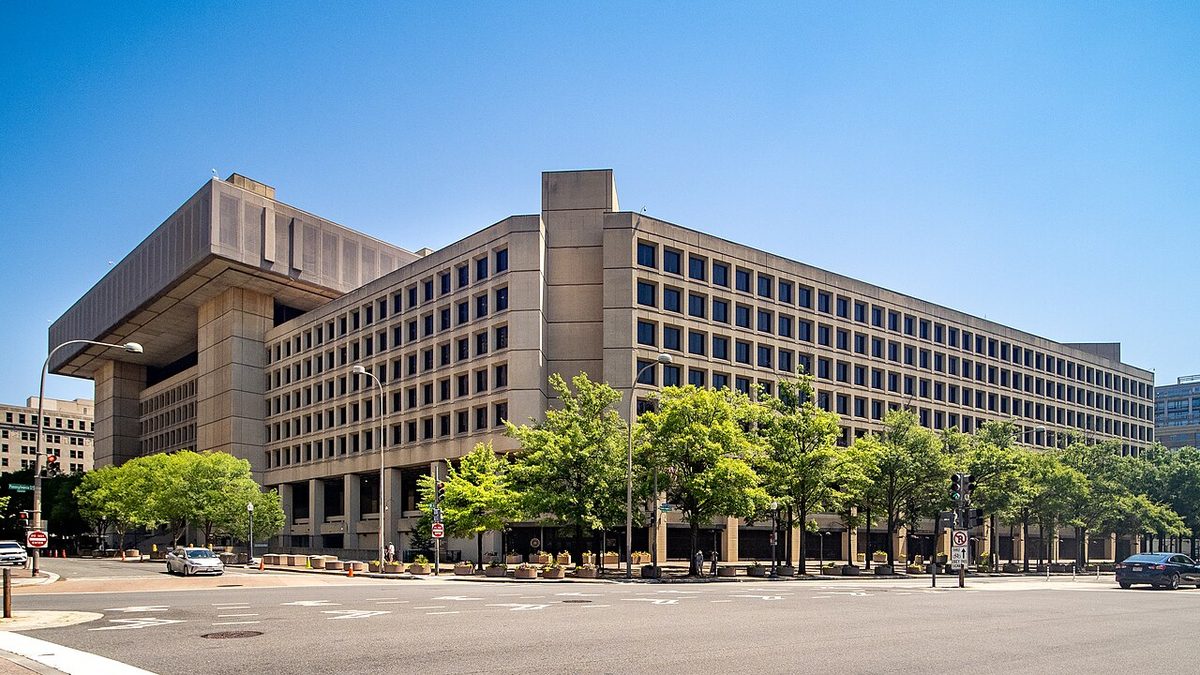
James B. Comey, FBI Director during Midyear Exam. Federal Bureau of Investigation · Public domain
Some were Top Secret / SAP when sent.
From the ~30,000 emails returned to State, Comey said 110 emails in 52 chains contained information classified at the time they were sent or received: eight chains Top Secret, 36 Secret, eight Confidential. Seven chains involved Top Secret/Special Access Program matters. [1]
About 2,000 additional emails were classified later. “She sent classified material” is true; “she sent material marked classified in the headers she saw” is a narrower, more contested claim Comey addressed carefully. [1][2]
Bottom line Documented
Classified content on the server is an FBI finding.
What the record can’t settle
Classification decisions after the fact are not the same as markings on the day.
The Federal Bureau of Investigation. ajay_suresh · CC BY 2.0 (https://creativecommons.org/licenses/by/2.0)
The FBI’s classified-email investigation.
The FBI’s Midyear Exam investigated whether classified information on Clinton’s server violated federal law. Agents used consent searches, immunity agreements for some aides’ devices, and a voluntary interview of Clinton on 2 July 2016. [1][2]
The IG later reviewed charging analysis under statutes including 18 U.S.C. § 793(f). Prosecutors concluded the case lacked the intent or aggravation historically required for charges. [2][3]
Bottom line Documented
A full FBI investigation happened; its legal theory is in Comey’s statement and the IG report.
What the record can’t settle
Interview notes are not a transcript; no recording was made.
James B. Comey, FBI Director during Midyear Exam. Federal Bureau of Investigation · Public domain
What § 793(f) required became a lasting legal argument.
18 U.S.C. § 793(f) criminalizes gross negligence in handling national-defense information. Critics of the no-charge decision say Comey rewrote the statute into an intent requirement. [1]
Comey and Midyear prosecutors said historical practice required intent, disloyalty or obstruction before charging comparable cases, and that “extremely careless” was their factual description. The IG reviewed that reasoning and did not find it was a product of political bias. [2][3]
Bottom line Disputed
The statutory text and the prosecutorial practice tension are real; courts never adjudicated this case.
What the record can’t settle
No judicial opinion construed § 793(f) on these facts.
The Federal Bureau of Investigation. ajay_suresh · CC BY 2.0 (https://creativecommons.org/licenses/by/2.0)
Possible, not proven.
Comey said the FBI found no direct evidence that Clinton’s personal domain was successfully hacked, but that given the setup and known targeting of people she emailed, hostile actors might have gained access. [1]
Absence of forensic proof is not proof of safety. Claims of specific successful foreign intrusions onto her server remain unproven in the public Midyear record. [1]
Bottom line Unproven
“Not proven hacked” and “might have been” are both in Comey’s statement.
What the record can’t settle
Classified annexes may hold more; they are not in this guide’s sources.
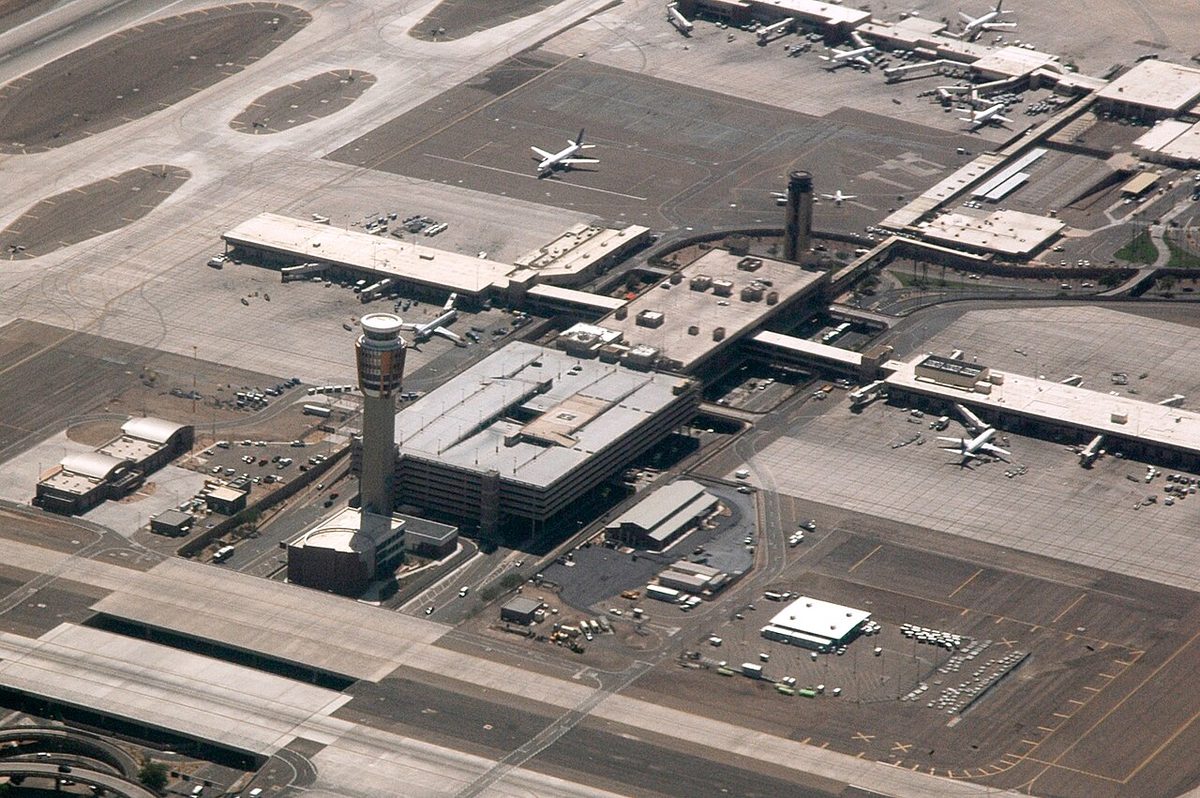
Phoenix-area tarmac imagery standing in for the June 2016 Bill Clinton–Loretta Lynch meeting. Braboowi at en.wikipedia · CC BY-SA 3.0 (https://creativecommons.org/licenses/by-sa/3.0)
Bill Clinton met Lynch; Comey’s calculus changed.
On 27 June 2016 former President Bill Clinton boarded Attorney General Loretta Lynch’s plane in Phoenix. Both said they discussed social topics, not Midyear. [1]
The IG found no evidence they discussed the investigation, and found that the meeting “tipped the scales” toward Comey deciding to announce Midyear’s result himself to protect the appearance of independence. [1]
Bottom line Documented
The meeting happened; discussion of Midyear on the plane was not found; its effect on Comey’s process is documented by the IG.
James B. Comey, FBI Director during Midyear Exam. Federal Bureau of Investigation · Public domain
Comey’s July 5 statement became the political Rorschach test.
On 5 July 2016 Comey publicly stated Midyear’s findings: classified chains including Top Secret/SAP material; “extremely careless” handling; no clear evidence of intent to violate statutes; “no reasonable prosecutor would bring such a case”; no direct evidence of a successful foreign hack, though hostile access could not be ruled out. [1]
He spoke without the Attorney General announcing the decision — a break from Department practice the IG later condemned as a serious mistake, while still finding no bias in the no-charge conclusion. [2]
Critics note § 793(f) speaks of gross negligence. Comey said comparable cases had not been charged without intent, disloyalty or obstruction. [3][2]
Bottom line Documented
FBI findings and the no-charge judgment are primary; whether the law required more is still argued.
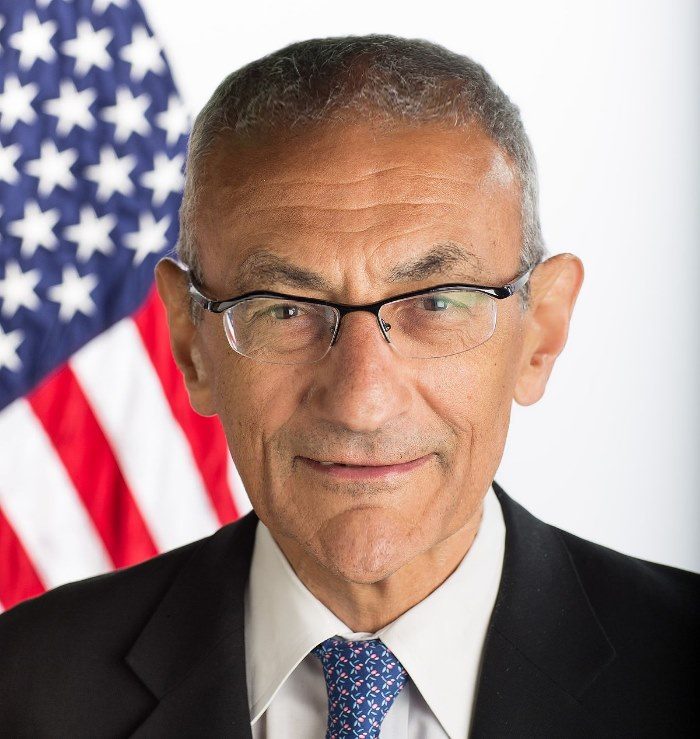
John Podesta, Clinton campaign chair whose email account was phished. White House · Public domain
Mueller and an indictment attribute the intrusions to Russian military intelligence.
In March–April 2016, GRU officers phished John Podesta and penetrated DNC networks. Mueller’s Volume I details the operation; in July 2018 a grand jury indicted twelve GRU officers. [1][2]
An indictment is an accusation. The defendants have not been tried in the United States. Forensic attribution also rests on CrowdStrike’s DNC work and U.S. intelligence assessments summarized by Mueller. [2][1]
Bottom line Documented
U.S. charging documents and Mueller’s report are the primary public attribution.
What the record can’t settle
Defendants remain beyond U.S. custody; skeptical forensic critiques exist and are noted under theories.
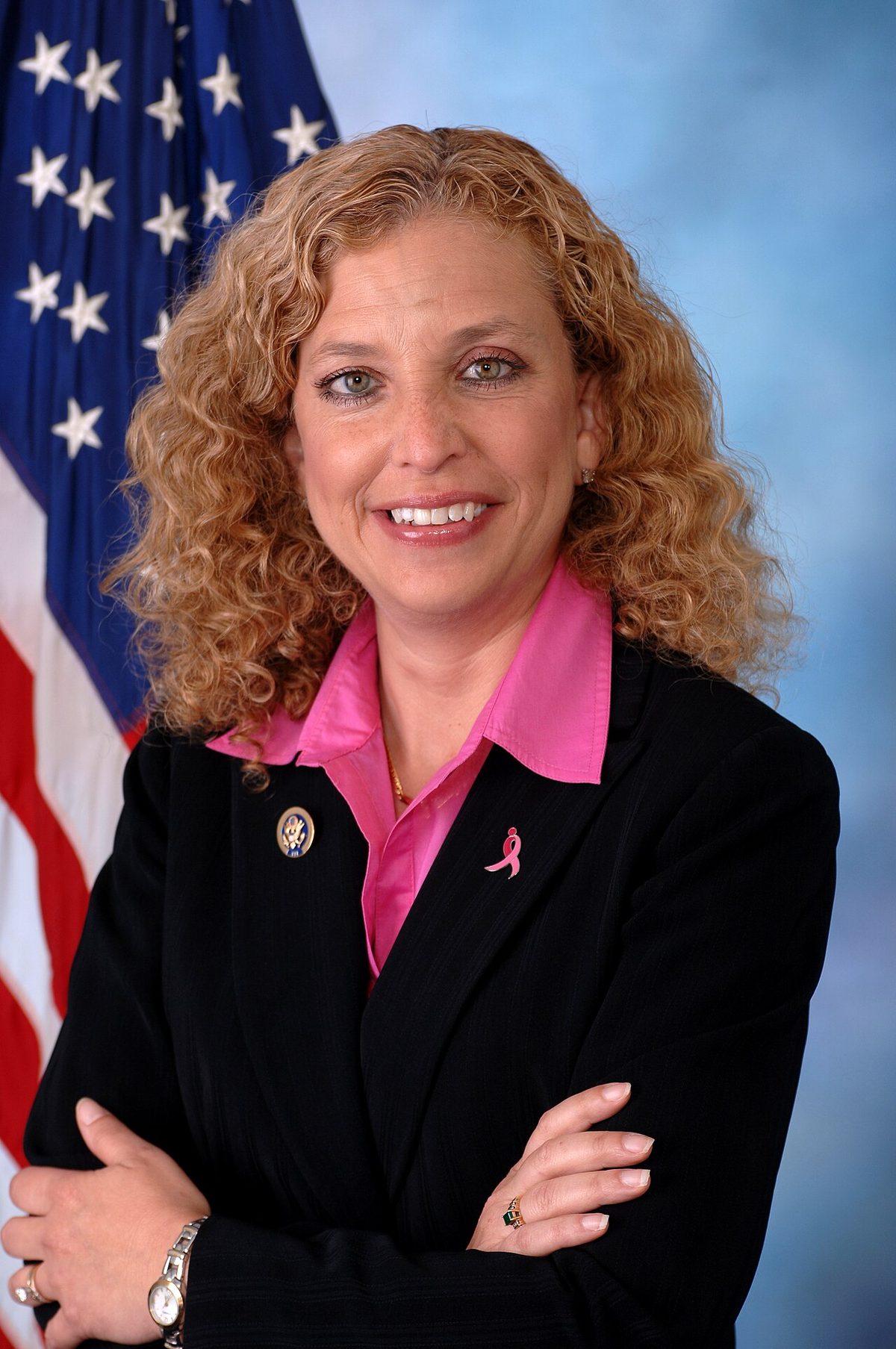
Debbie Wasserman Schultz, DNC chair during the 2016 primary leak. U.S. Congress · Public domain
Favoritism toward Clinton becomes public days before the convention.
On 22 July 2016 WikiLeaks published thousands of DNC emails. They showed institutional hostility to Bernie Sanders’s campaign. Debbie Wasserman Schultz resigned as DNC chair. [1][2]
Mueller describes the transfer path from GRU personas (including Guccifer 2.0) toward WikiLeaks. Alternative theories that a DNC insider leaked the files remain unproven and conflict with the indictment’s account. [2][3]
Bottom line Documented
The emails’ authenticity is widely accepted; the GRU attribution is the official U.S. account.
What the record can’t settle
WikiLeaks denies receiving the files from Russia; that denial is not a forensic finding.
Sources
WikiLeaks: DNC email publication, July 2016 Primary publication channel. Authenticity of many emails confirmed by recipients; attribution of the hack is from Mueller/GRU indictment.
John Podesta, Clinton campaign chair whose email account was phished. White House · Public domain
October dumps, including Brazile’s town-hall topics.
From 7 October 2016 WikiLeaks released Podesta’s emails in batches through Election Day. Contents ranged from speech excerpts to staffing fights. [1]
Donna Brazile later admitted she had shared CNN town-hall topics with the Clinton campaign — a fact visible in the dump and then in her own essays. [2][3]
Mueller ties the Podesta phish to the same GRU campaign as the DNC intrusion. [4]
Bottom line Documented
Publication and key contents are documented; attribution follows Mueller.
What the record can’t settle
Not every email in the dump is equally verified by recipients, but major threads were.
Sources
WikiLeaks: DNC email publication, July 2016 Primary publication channel. Authenticity of many emails confirmed by recipients; attribution of the hack is from Mueller/GRU indictment.
Debbie Wasserman Schultz, DNC chair during the 2016 primary leak. U.S. Congress · Public domain
A murder became a conspiracy theory the evidence does not support.
DNC staffer Seth Rich was murdered in Washington, D.C., in July 2016. Police have treated it as a botched robbery. [1]
Claims that he leaked DNC emails to WikiLeaks contradict Mueller’s GRU attribution and have not been evidenced by the family, police or U.S. charging documents. Spreading the claim has repeatedly produced retractions and settlements in the press. [1][2]
Bottom line False
As an explanation of the DNC leak, the Seth Rich theory is false on the present record.
What the record can’t settle
The murder itself remains a tragedy without a public conviction of a killer.
Debbie Wasserman Schultz, DNC chair during the 2016 primary leak. U.S. Congress · Public domain
DNC emails showed favoritism; vote tallies were not rewritten.
WikiLeaks’ DNC emails documented staff hostility to Sanders. Brazile’s town-hall topics were a separate, admitted breach of media neutrality. [1][2]
Favoritism is documented; claims that vote totals were altered are not. Clinton won more primary votes and pledged delegates. [1][2]
Bottom line Partly true
Institutional thumb on the scale: documented. Altered vote counts: not shown.
What the record can’t settle
Party rules and donor suits are a thicker legal thicket than this entry covers.
Sources
WikiLeaks: DNC email publication, July 2016 Primary publication channel. Authenticity of many emails confirmed by recipients; attribution of the hack is from Mueller/GRU indictment.
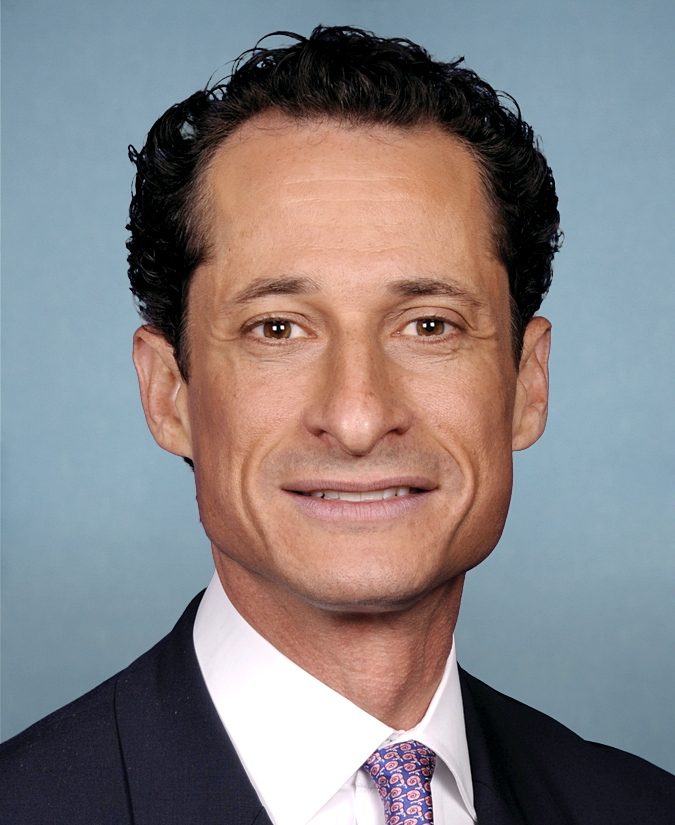
Anthony Weiner; a separate sexting case led agents to a laptop that also held Clinton work emails. The victim in that case is not named here. United States Congress · Public domain
A separate case collided with Midyear.
In late September 2016, agents investigating Anthony Weiner found Midyear-relevant emails on a laptop that also contained Huma Abedin’s messages. FBI headquarters delayed action for weeks. [1]
When Comey was briefed, he decided Congress had to be notified because he had sworn Midyear was finished. The IG later dissected that decision at length. [1]
Bottom line Documented
The laptop and the delay are IG findings.
What the record can’t settle
How many unique new work emails existed versus duplicates remains technical and partly redacted.
James B. Comey, FBI Director during Midyear Exam. Federal Bureau of Investigation · Public domain
October 28, eleven days out.
On 28 October 2016 Comey sent a letter to Congress stating the FBI was reviewing newly found emails in connection with Midyear. [2]
On 6 November he wrote that the review was complete and did not change the July result. [3]
The IG concluded the letter was a serious departure from Department norms against near-election actions that could influence a vote, and found no evidence it was driven by a desire to help Trump. [1]
Bottom line Documented
Dates, text and IG process critique are solid; electoral effect is estimated, not proven in court.
What the record can’t settle
The electoral-effect literature is cited under comey-election-effect.
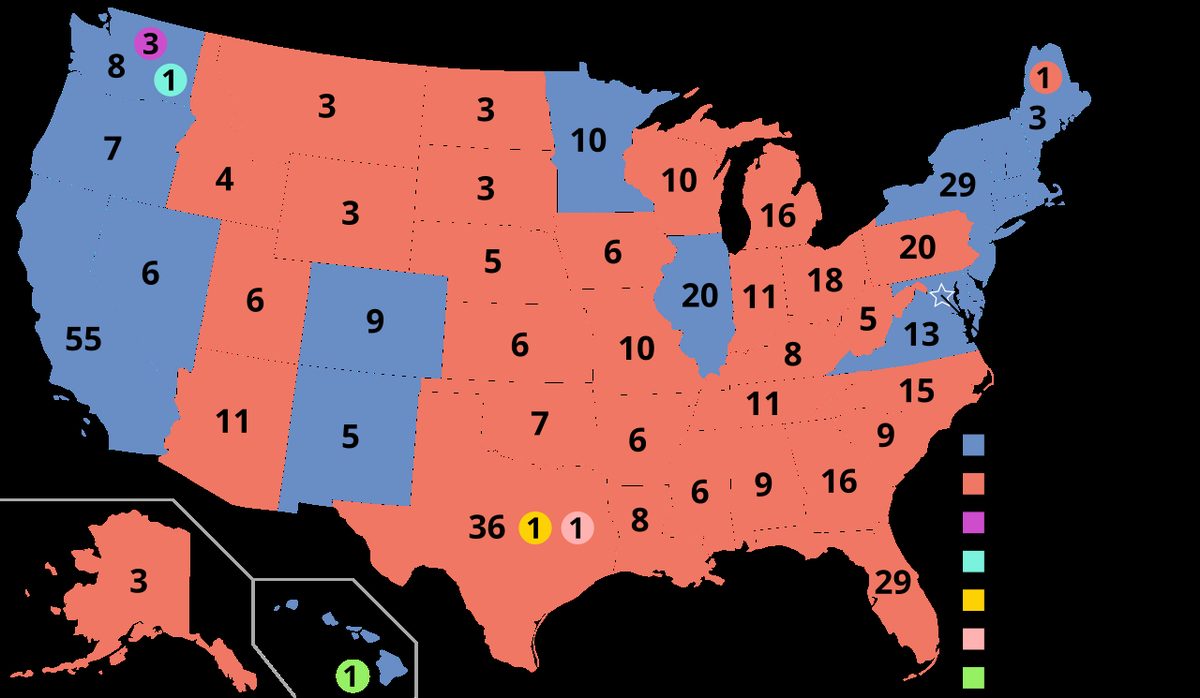
The 2016 U.S. presidential election. Gage · CC BY-SA 4.0 (https://creativecommons.org/licenses/by-sa/4.0)
Models say probably; history is not a lab.
Nate Silver and others at FiveThirtyEight estimated the letter coincided with a polling shift large enough to tip key states. [1][2]
Other factors — WikiLeaks dumps, Access Hollywood recovery, campaign strategy, Comey’s July statement — also matter. No experiment isolates the letter. Saying it “probably” mattered is an evidence-based estimate; saying it was the sole cause is overclaim. [1][2]
Bottom line Disputed
A measurable polling effect is plausible and sourced; sole causation is not established.
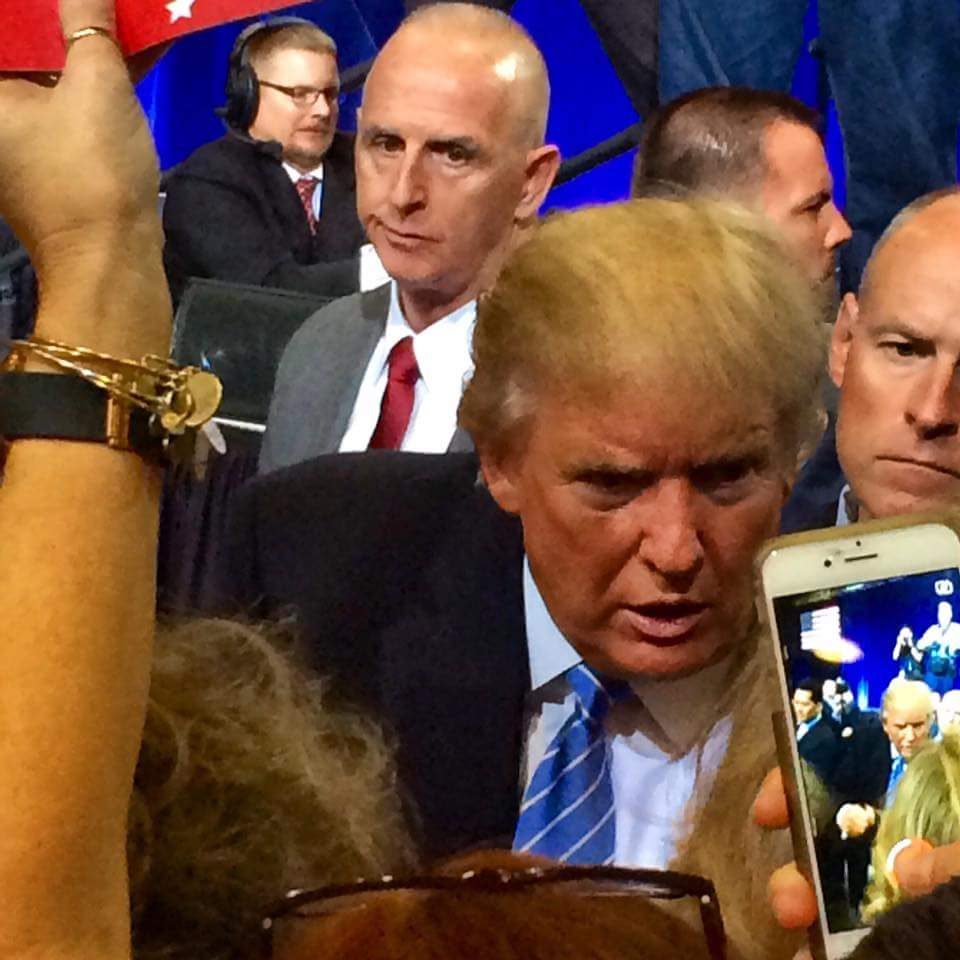
“Lock her up” became a 2016 rally chant over the uncharged email case. Jahnphx · CC BY-SA 4.0 (https://creativecommons.org/licenses/by-sa/4.0)
Prosecution theater met an uncharged case.
“Lock her up” became a defining chant at Trump rallies, tying the server, Uranium One and Foundation claims into a single demand for jail. [1]
The FBI and DOJ did not charge Clinton. The chant treated a closed judgment as unfinished business. Some supporters meant it as hyperbole; others meant it literally. [2][3]
Bottom line Partly true
The political demand is documented; a legal conviction never happened.
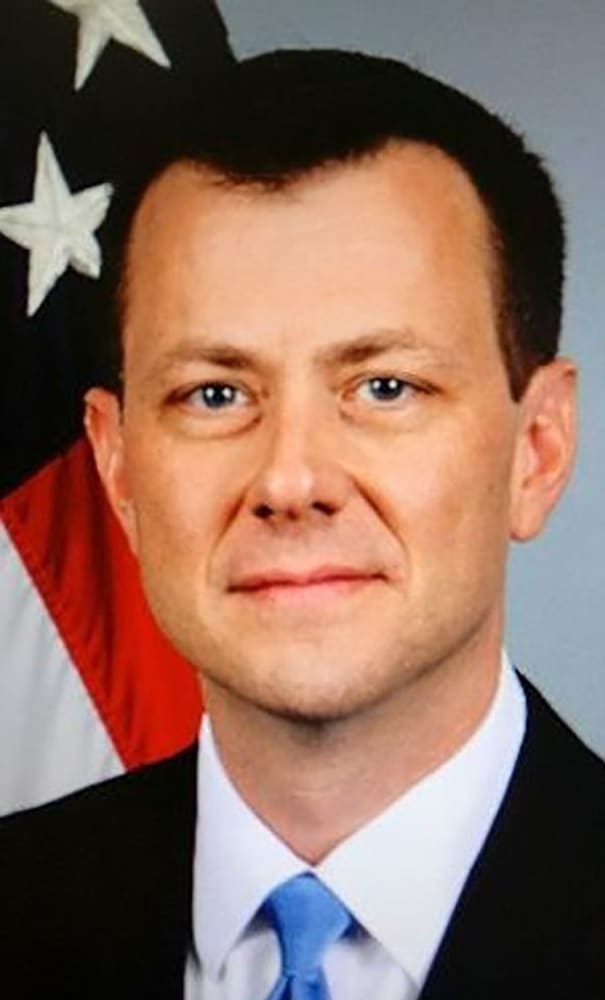
Peter Strzok, FBI agent whose texts with Lisa Page fueled bias claims. Federal Bureau of Investigation · Public domain
Hostile opinions, unproven effect on Midyear’s charge.
Peter Strzok and Lisa Page exchanged texts on FBI devices expressing hostility to Trump and concern about a Trump presidency. [1]
The IG investigated whether those views affected Midyear decisions and found no evidence they did. Separately, Durham argued the FBI’s culture and predication failures on Crossfire Hurricane were real institutional problems. Both can be true. [1][2]
Bottom line Documented
Texts are real; Midyear charging bias was not found by the IG.
What the record can’t settle
Absence of evidence of effect is not proof of pure hearts.
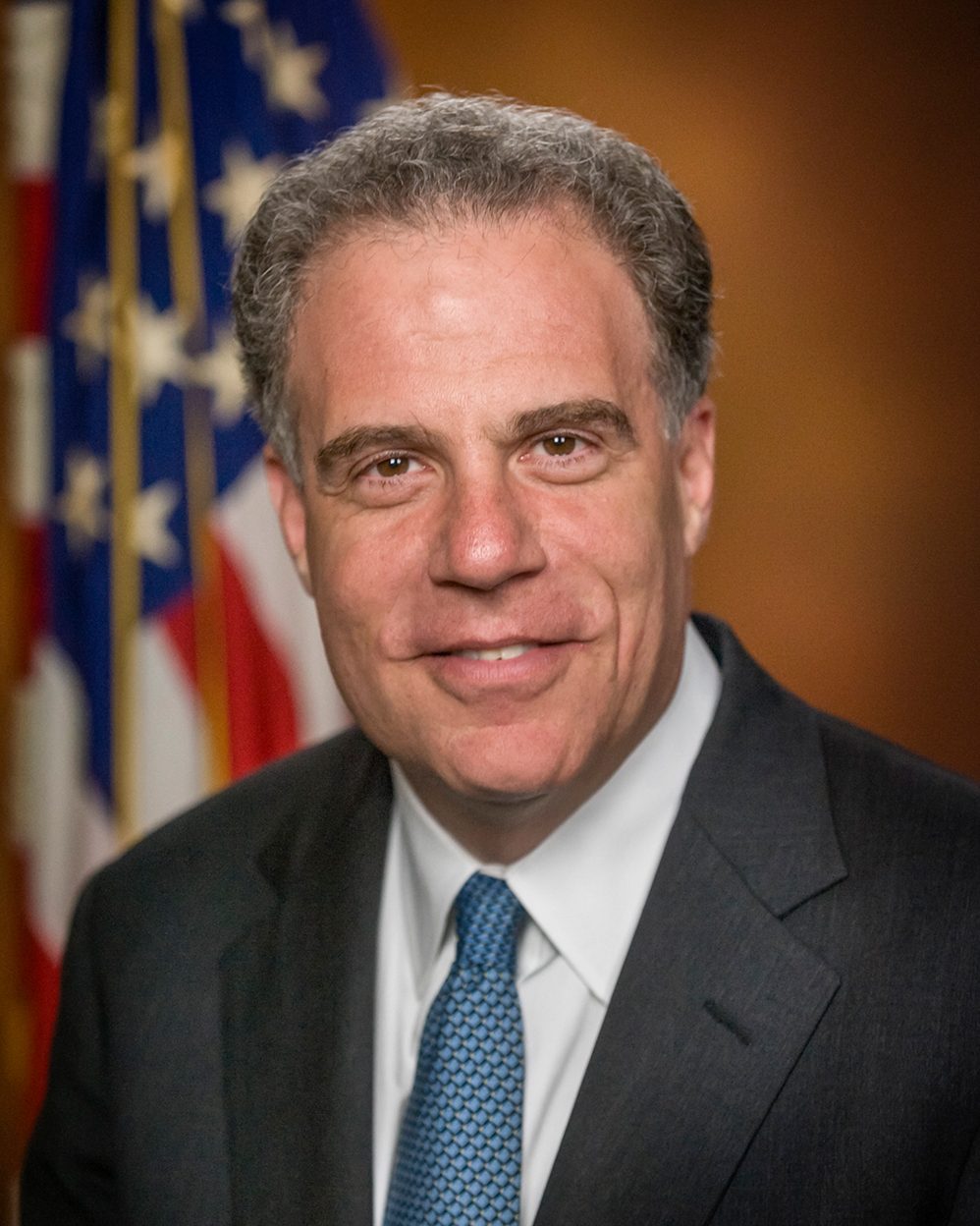
Michael E. Horowitz, Department of Justice Inspector General. United States Department of Justice · Public domain
Process condemned; charge upheld as untainted.
In June 2018 DOJ Inspector General Michael Horowitz released a sprawling review of Midyear and related actions. [1]
Key findings: Comey’s July 5 announcement and October 28 letter were serious departures from norms; Strzok/Page texts showed concerning opinions; McCabe should have recused earlier from Foundation matters; no evidence political bias affected the Midyear charging decision. [1]
Nine recommendations followed on announcements, election-sensitive steps, texts and ethics. [1]
Bottom line Documented
The IG’s dual finding — bad process, unproven biased charge — is the baseline official review.
What the record can’t settle
A classified appendix existed; later political fights concern what it held.
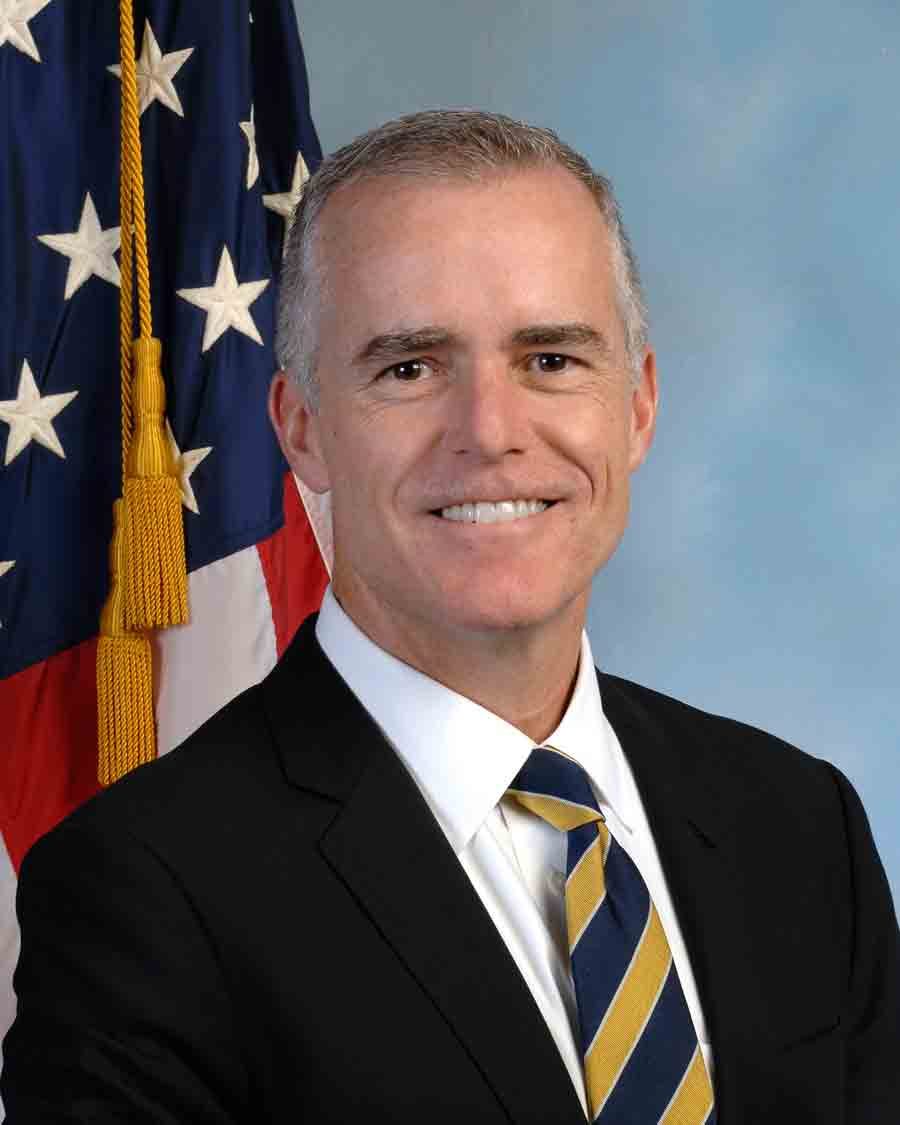
Andrew McCabe, FBI Deputy Director. Federal Bureau of Investigation · Public domain
Conflict optics hit the deputy director.
Terry McAuliffe–linked groups gave over $675,000 to Jill McCabe’s 2015 Virginia senate campaign. Andrew McCabe recused from Clinton Foundation matters on 1 November 2016 after press attention. [1][2]
The IG found he should have recused earlier. Grassley’s later releases argue headquarters limited Foundation work while McCabe still had a role — a dispute about timing and “sensitivities,” not a completed prosecution. [3][1]
Bottom line Documented
Donations and recusal date are documented; implied conspiracy is not proven.
What the record can’t settle
Campaign finance of a spouse is not automatically the agent’s bribe.
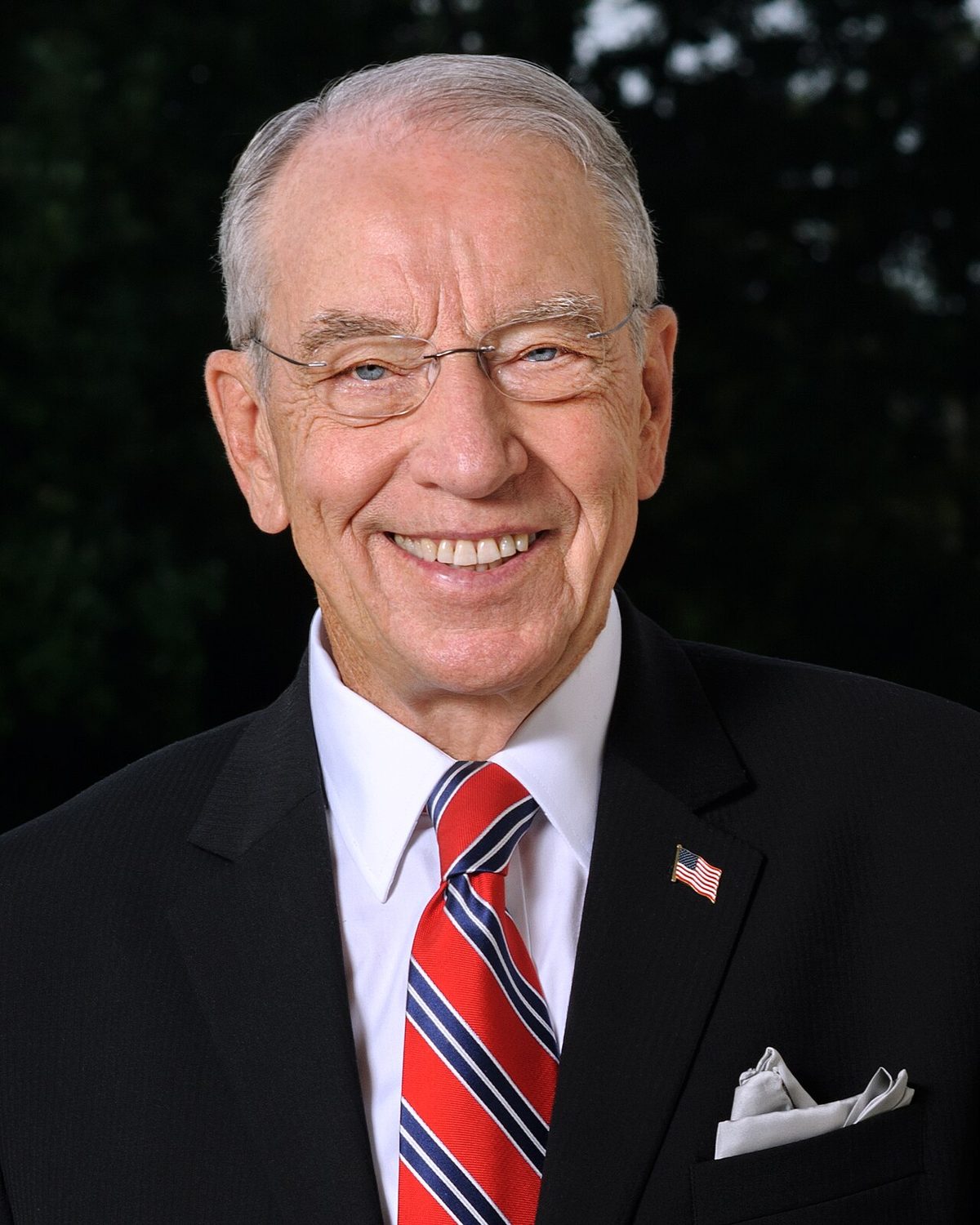
Sen. Chuck Grassley, longtime Foundation and Midyear overseer. United States Congress · Public domain
Agents wanted further steps; headquarters cited sensitivities.
FBI emails released by Sen. Grassley in December 2025 show a January 2016 opening citing undisclosed Uranium One–linked donations, and a July 2016 instruction not to issue new subpoenas or do interviews “based on the sensitivities surrounding the Clinton Foundation.” [1]
Arkansas prosecutors later recommended an IG referral about interference, per Grassley’s account. Separately, the Sessions-ordered Huber review ended without public charges. [1][2]
Documented constraint is not the same as proof the Foundation committed a federal crime. [1][2]
Bottom line Mixed
Headquarters limits are evidenced in emails; guilt of the Foundation is not established by those emails.
What the record can’t settle
Grassley’s release selects and frames; read the emails, not only the headline.
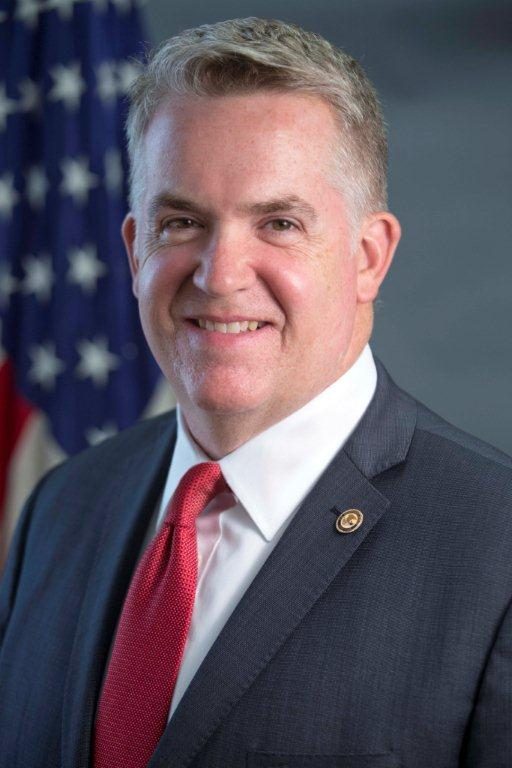
John W. Huber, Utah U.S. Attorney assigned a review of Foundation and related matters. US Dept. of Justice · Public domain
A review championed by Trump allies produced no public case.
In 2017 Attorney General Jeff Sessions tasked U.S. Attorney John Huber and others with evaluating Clinton-related referrals from Congress. [1]
On 9 January 2020 the Washington Post reported the review had found nothing of consequence and was winding down. There is no public final Huber report. [2]
Bottom line Partly true
Assignment is documented; “nothing of consequence” rests on press from unnamed officials.
What the record can’t settle
Without a public report, the review’s full scope is opaque.
John H. Durham, special counsel. United States Attorney's Office, District of Connecticut · Public domain
Crossfire’s origins, not a retry of Midyear.
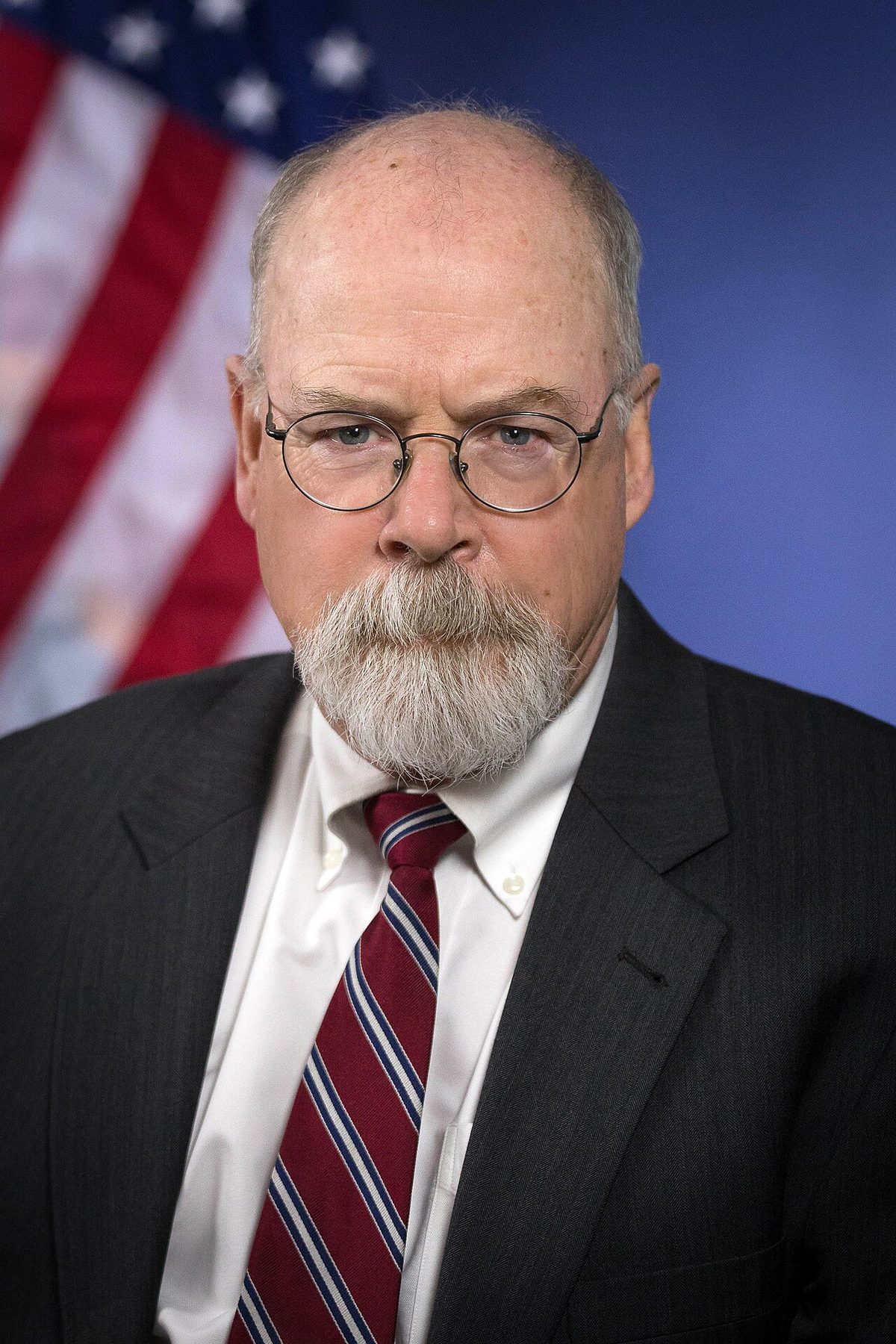
Special Counsel John Durham examined intelligence activities and investigations arising from the 2016 campaigns — especially how the FBI opened and ran Crossfire Hurricane. [1]
His May 2023 report argues predication was thin, verification failed (notably on Steele and Alfa Bank tips), and Clinton-linked warnings were not taken seriously enough. [1]
Midyear’s no-charge decision was not Durham’s main target; Horowitz had already reviewed it. [1][2]
Bottom line Documented
Durham’s critique of FBI process is a primary special-counsel finding.
What the record can’t settle
A special counsel’s opinions are not jury verdicts — as his own trial record shows.
John H. Durham, special counsel. United States Attorney's Office, District of Connecticut · Public domain
The courtroom scorecard constrains the narrative.
Kevin Clinesmith pleaded guilty to altering an email used in a Carter Page FISA application. [1]
Michael Sussmann, who brought the Alfa Bank tip, was acquitted of lying about his clients. Igor Danchenko, Steele’s primary sub-source, was acquitted of lying about his sources. [2][3]
Supporters of Durham emphasize the report; critics emphasize the acquittals. Both are part of the record. [4][2][3]
Bottom line Documented
Trial outcomes are facts; they neither erase nor vindicate every sentence of the report.
What the record can’t settle
Acquittal means not guilty beyond a reasonable doubt, not “the conduct was ideal.”
John H. Durham, special counsel. United States Attorney's Office, District of Connecticut · Public domain
Russian-sourced, unverified, and argued over.
In late July 2016 U.S. intelligence received reporting alleging Clinton campaign approval of a plan to tie Trump to Russia as a distraction from the email scandal. [1][2]
DNI Ratcliffe’s 2020 letter said the intelligence community “does not know the accuracy of this allegation.” Durham said the FBI failed to assess it properly while pursuing Trump-related leads. [1][2]
Russian intelligence has a history of forging or injecting narratives. The report’s existence is documented; its truth is not. [1][2]
Bottom line Unproven
Receipt and FBI inattention are in the Durham/Ratcliffe record; the plan’s reality is unverified.
James B. Comey, FBI Director during Midyear Exam. Federal Bureau of Investigation · Public domain
May 2017 detonates the next phase.
On 9 May 2017 President Trump fired James Comey. The White House first cited Rod Rosenstein’s memo criticizing the Clinton email handling, then Trump said the Russia investigation was on his mind. [1][2]
The firing led to Mueller’s appointment. It is part of this guide only as the hinge between Midyear’s aftermath and the Durham-era fights over 2016 — not as a full Russia-probe history. [3][2]
Bottom line Documented
The firing’s date and competing explanations are documented.
Sen. Chuck Grassley, longtime Foundation and Midyear overseer. United States Congress · Public domain
Held material and Russian reports still unsettled.
In July 2025 Sens. Grassley and Crawford asked the FBI to review thumb-drive material held since 2018, citing a declassified IG annex describing Russian-language reporting. [1]
Those reports are Russian-sourced and unverified. A 2026 Florida grand-jury probe has generated subpoenas, including to Comey, without public charges as of this edition. [2]
This entry will track charges if filed — an investigation is not a finding. [2][1]
Bottom line Unproven
Process fights continue; new criminal findings against Clinton on the server have not appeared.
What the record can’t settle
Ongoing probes can change the record; this edition’s date matters.
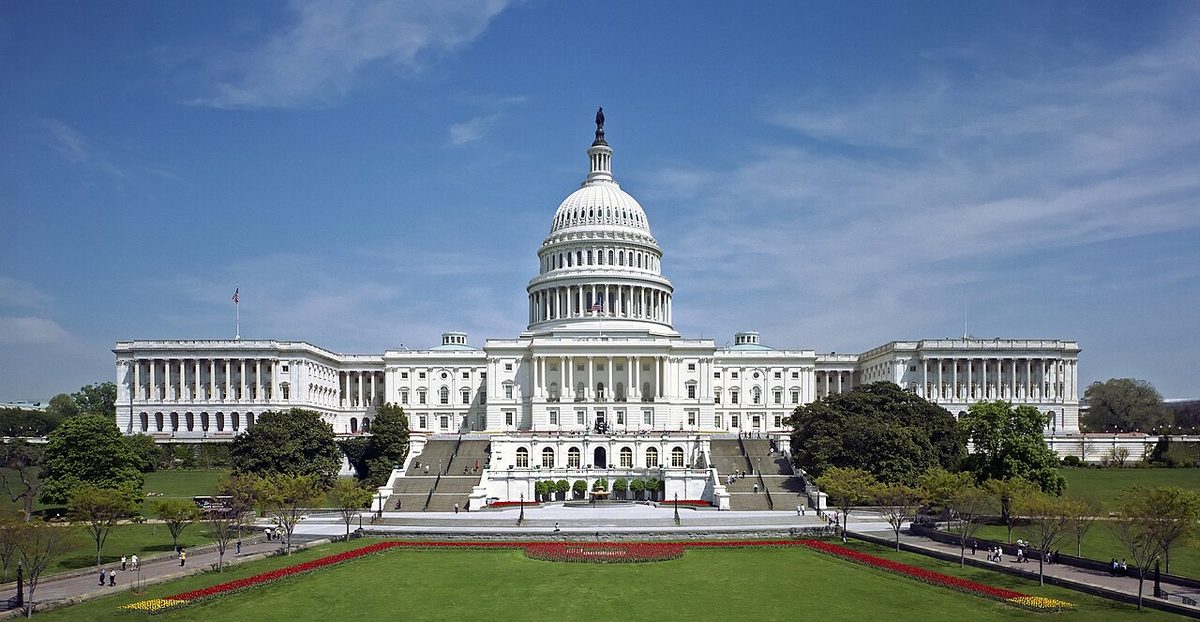
The U.S. Capitol. United_States_Capitol_-_west_front.jpg: Architect of the Capitol derivative work: O.J. · Public domain
Congress and agencies moved after the scandal.
The Presidential and Federal Records Act Amendments of 2014, and later agency guidance, tightened expectations that federal email is a record regardless of the system used. [1][2]
State OIG’s eight recommendations pushed penalties and oversight for personal-email use. Culture and compliance remain imperfect across government. [3]
Bottom line Documented
Statutory and policy changes are real legacies of the episode.
What the record can’t settle
Law on the books is not the same as perfect practice.
The Clinton Foundation / Clinton Global Initiative orbit. Clinton Foundation · Public domain
Overlap, timing and stalled probes — still short of a traded act.
Steelmanned: foreign and corporate donors flooded a Foundation run by a secretary of state’s family; Band’s memo shows intentional monetization of access; Uranium One donors and a Moscow speech bracketed a CFIUS deal; AP showed donor meetings; FBI agents believed they were blocked from following the money in 2016. [1][2][3][4]
What the steel case still needs: proof of a specific official act exchanged for a specific donation — the core of federal bribery theories after binding case law. No indictment of the Clintons on that theory has been sustained. [2][6]
Bottom line Unproven
This is the strongest honest version of the allegation; it remains unproven as a crime.
What the record can’t settle
Absence of charges can reflect politics or lack of evidence; the guide will not pretend to know which.
Comment, dispute or support a claim, submit a source or rate this page through a short Google Form. It asks you to sign in with Google so we know you are a real person; your email is never shown. Nothing appears here until it has been reviewed. Conversation on X tagged #AIFiles #AIFilesClintonEmails shows up below after the daily refresh.
Approved reader comments and ratings are shown on the interactive edition. This plain reading edition does not load them.
On X
This plain reading edition does not load posts. You can read this subject’s threads on the forum: Forum: #AIFilesClintonEmails.
Reader comments are shown only after review, and rows removed from the form’s sheet disappear at the next refresh. X posts are a read-only daily snapshot; posts deleted or made private there are removed at the next refresh. Inclusion is not endorsement. A submitted source stays pending review until a page update says otherwise.

Approved reader comments and ratings are shown on the interactive edition. This plain reading edition does not load them.