The AI Files · Hillary Clinton’s 2016 presidential campaign · plain reading edition
The 2016 campaign: every entry
All 51 entries of the guide, grouped by period and case, each with its bottom line and its sources. This page needs no JavaScript. The interactive guide adds the story in 20 chapters, the people, the timeline, the theories, the 15 checked claims and the media.
Announcement & email cloud 2015
Email as campaign issue
Server politics on the trail
The announcement
Record · History
Announce — campaign-2016 guide asset (re-encoded; EXIF stripped). AI Files image pool / Wikimedia-derived stand-ins as in sibling guides · Various freely licensed sources; re-encoded for this guide
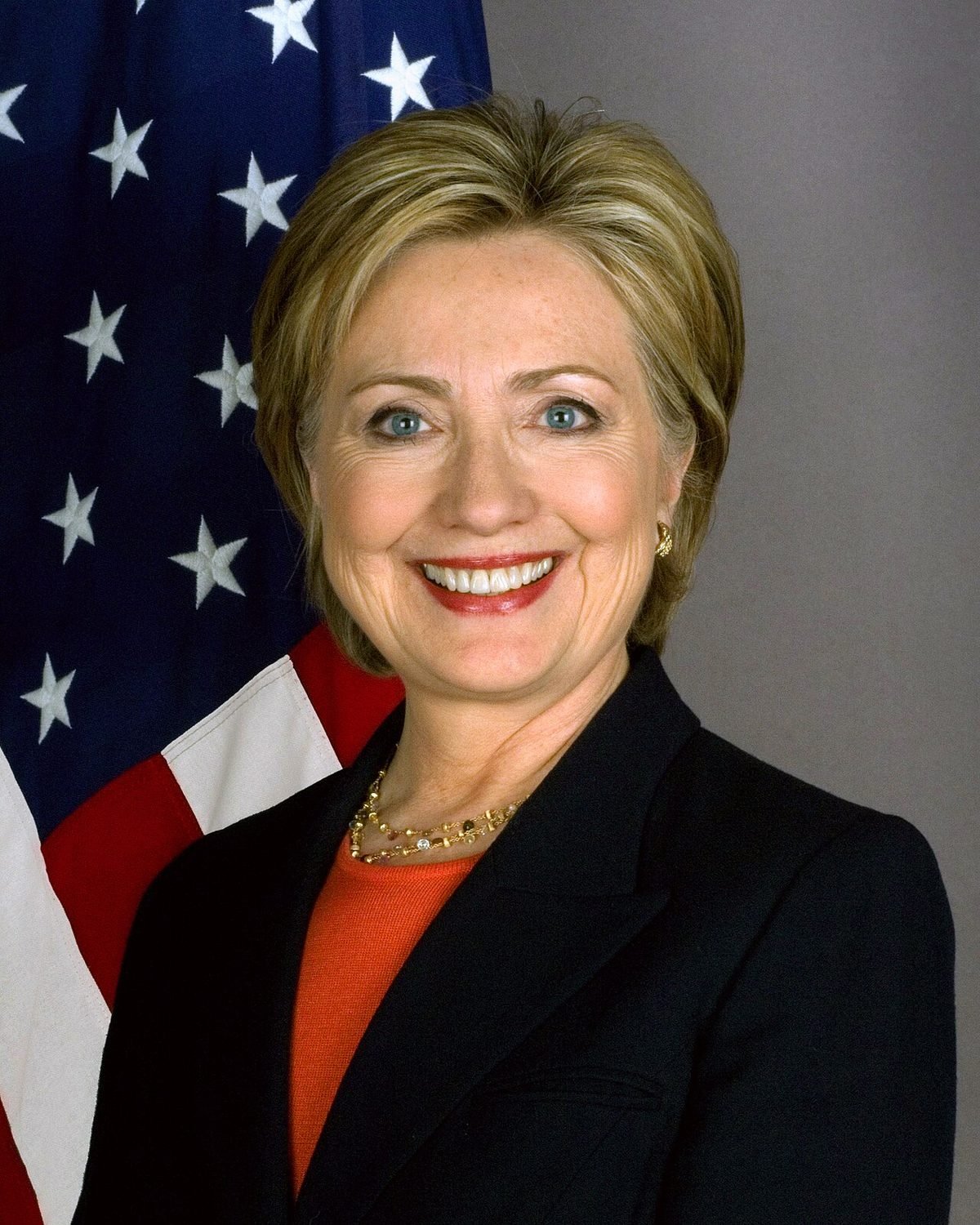
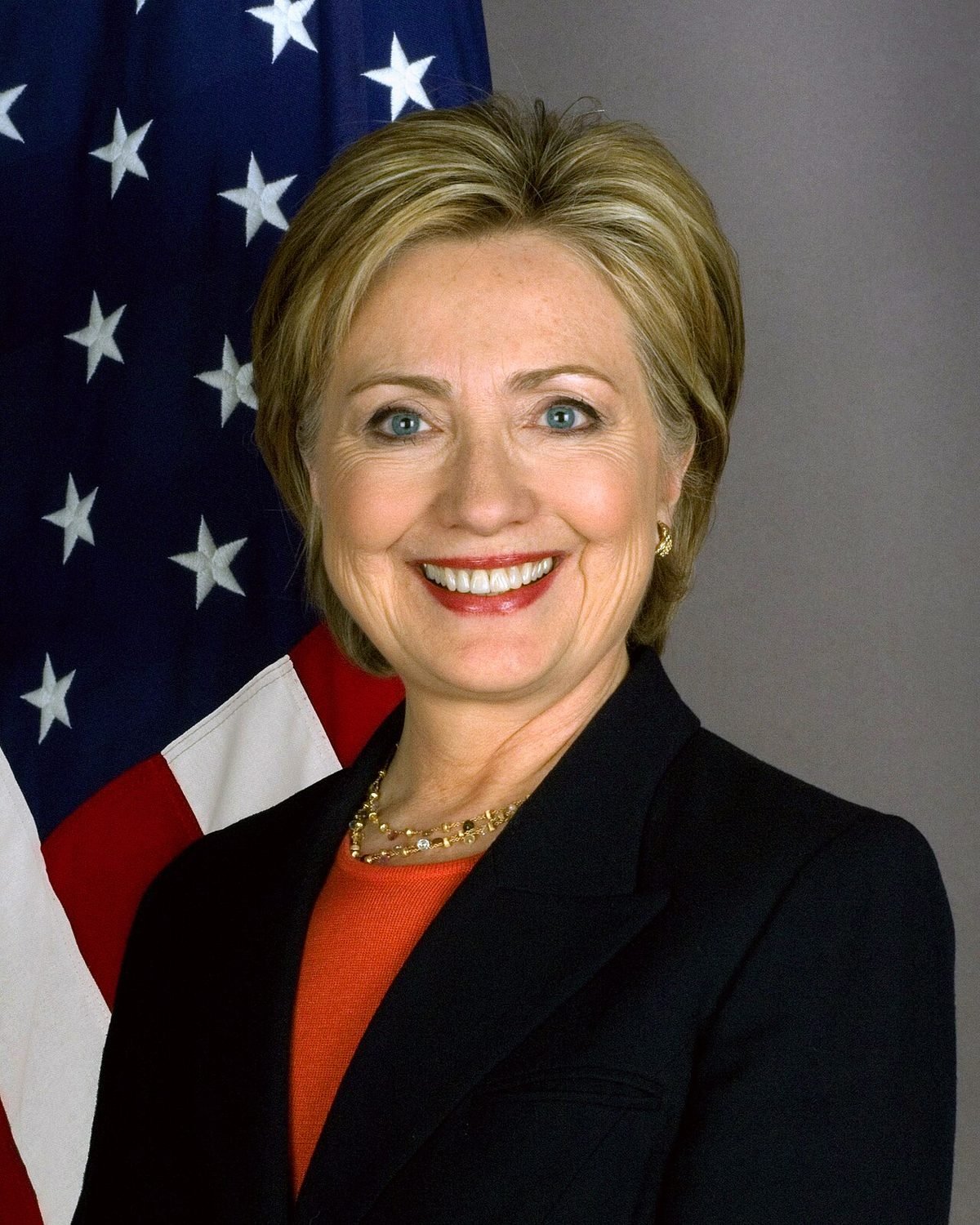
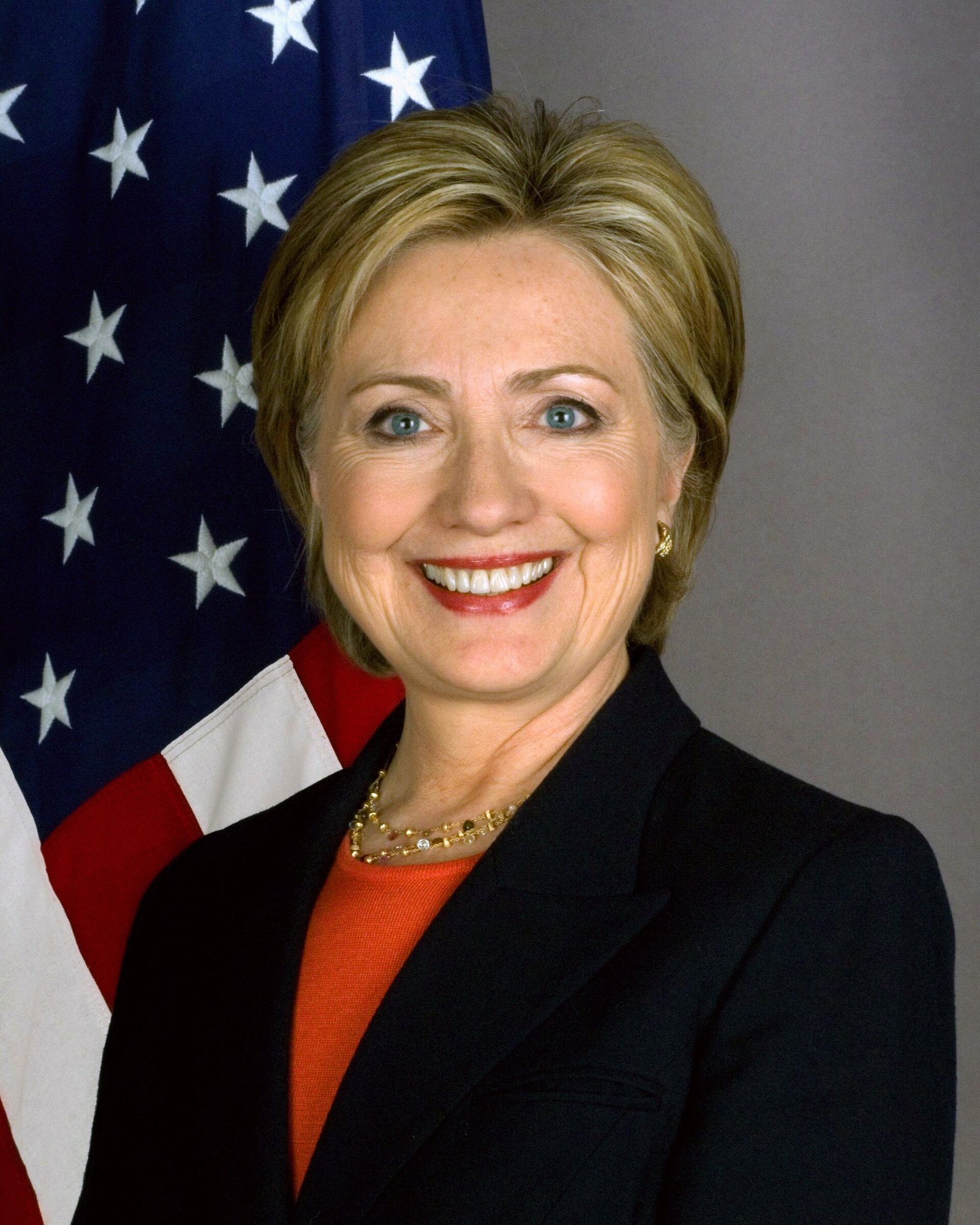
Clinton enters the 2016 race in April 2015 as the clear Democratic favorite.
On April 12, 2015, Hillary Clinton announced a presidential campaign that had been organizing for months under Ready for Hillary and related vehicles. [1]
She entered with name recognition, donor networks, and a party establishment already largely aligned — advantages that shaped every later fight over fairness. [1][2]
Bottom line History
Documented start of the campaign year.
What the record can’t settle
Early organizational details are campaign-history secondary sources.
Comey — campaign-2016 guide asset (re-encoded; EXIF stripped). AI Files image pool / Wikimedia-derived stand-ins as in sibling guides · Various freely licensed sources; re-encoded for this guide
The private server was not only a security story — it was a permanent trail issue.
From 2015 onward, Clinton’s private email system was a continuous campaign problem: press briefings, debate prep, and opponent messaging all ran through it. [1][2]
The technical and classification substance is covered in the Emails and the Foundation guide; this file tracks how the issue hit votes and headlines. [1]
Bottom line Documented
Documented political fact; substance cross-linked.
Lynch — campaign-2016 guide asset (re-encoded; EXIF stripped). AI Files image pool / Wikimedia-derived stand-ins as in sibling guides · Various freely licensed sources; re-encoded for this guide
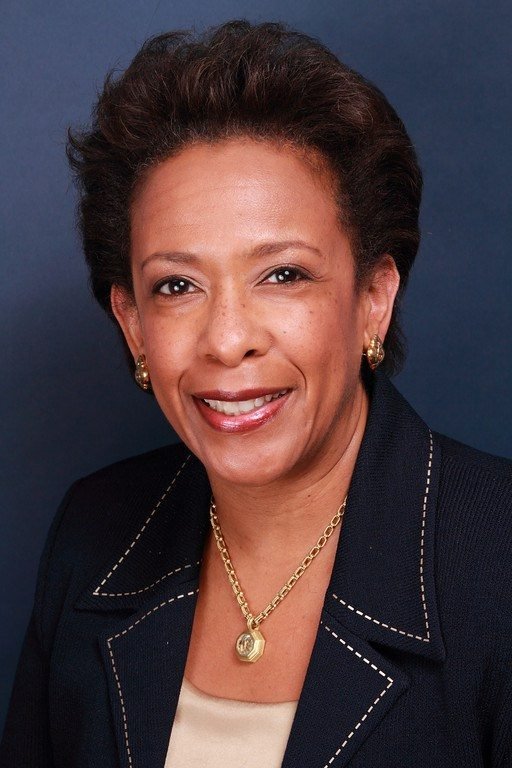
Bill Clinton’s private meeting with Attorney General Lynch became an appearance crisis before Comey’s July statement.
On June 27, 2016, Bill Clinton met Loretta Lynch on her plane in Phoenix. Both said they did not discuss the email case; the meeting still detonated trust questions. [1]
The episode is part of why Comey later said he felt he had to speak publicly on July 5 without DOJ leadership in the usual way — a choice the IG would criticize. [2][3]
Bottom line Documented
Meeting documented; content claims rest on their denials.
Comey — campaign-2016 guide asset (re-encoded; EXIF stripped). AI Files image pool / Wikimedia-derived stand-ins as in sibling guides · Various freely licensed sources; re-encoded for this guide
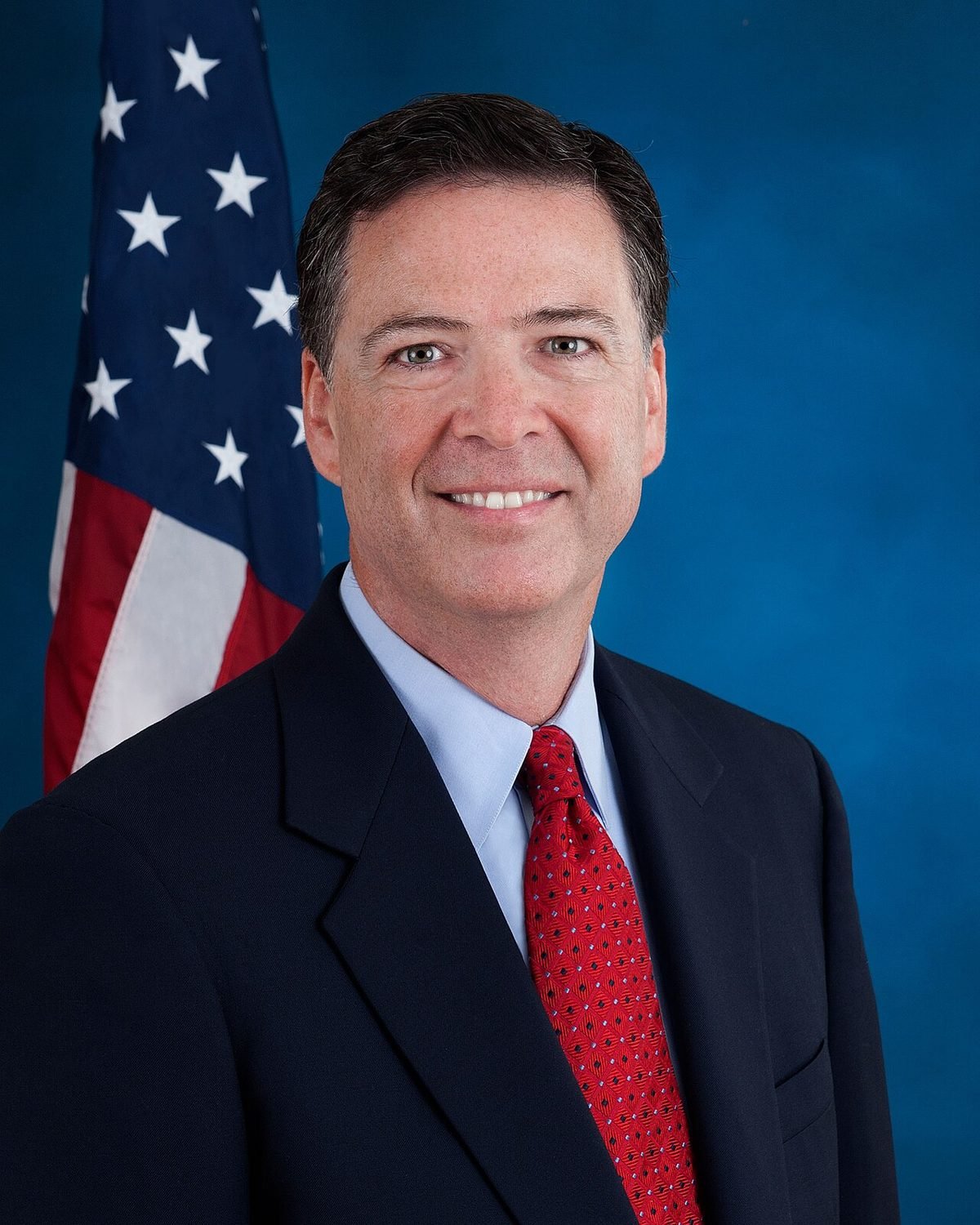
No charges — and an unusual public rebuke: ‘extremely careless.’
On July 5, 2016, FBI Director James Comey announced he would not recommend charges over Clinton’s email practices, while condemning her and her staff as ‘extremely careless.’ [1]
The DOJ Inspector General later found Comey departed from norms by freelancing the announcement apart from Department leadership. [2]
Server substance remains in the Emails guide; here the point is the mid-campaign shock. [3]
Bottom line Official
Official FBI statement; IG later criticized the process.
What the record can’t settle
Not a judicial finding of guilt or innocence beyond the charging decision.
Hillary — campaign-2016 guide asset (re-encoded; EXIF stripped). AI Files image pool / Wikimedia-derived stand-ins as in sibling guides · Various freely licensed sources; re-encoded for this guide
Clinton Foundation pay-to-play charges were a parallel general-election theme.
Opponent messaging fused the Foundation with the email server as a corruption brand. Detailed Foundation record lives in the Emails & Foundation guide. [1][2]
This campaign guide notes the trail fusion without rebuilding that file. [1]
Bottom line Mixed
Trail fusion documented; Foundation merits cross-linked.
Press — campaign-2016 guide asset (re-encoded; EXIF stripped). AI Files image pool / Wikimedia-derived stand-ins as in sibling guides · Various freely licensed sources; re-encoded for this guide
Coverage volume became its own postmortem argument.
Clinton allies argue email received disproportionate coverage relative to policy; critics argue a secretary’s private server was inherently major. [1][2][3]
There is no official ‘correct minutes of cable news’ metric. [1]
Fbi — campaign-2016 guide asset (re-encoded; EXIF stripped). AI Files image pool / Wikimedia-derived stand-ins as in sibling guides · Various freely licensed sources; re-encoded for this guide
Horowitz: Comey’s choices broke with Department practice.
The IG’s Midyear review is the official critique of how the FBI Director handled public communication in a campaign season. [1]
That critique coexists with the substance decision not to charge. [2][1]
Bottom line Official
Official process critique.
What the record can’t settle
Does not convert into an automatic election-nullification claim.
Sanders — campaign-2016 guide asset (re-encoded; EXIF stripped). AI Files image pool / Wikimedia-derived stand-ins as in sibling guides · Various freely licensed sources; re-encoded for this guide
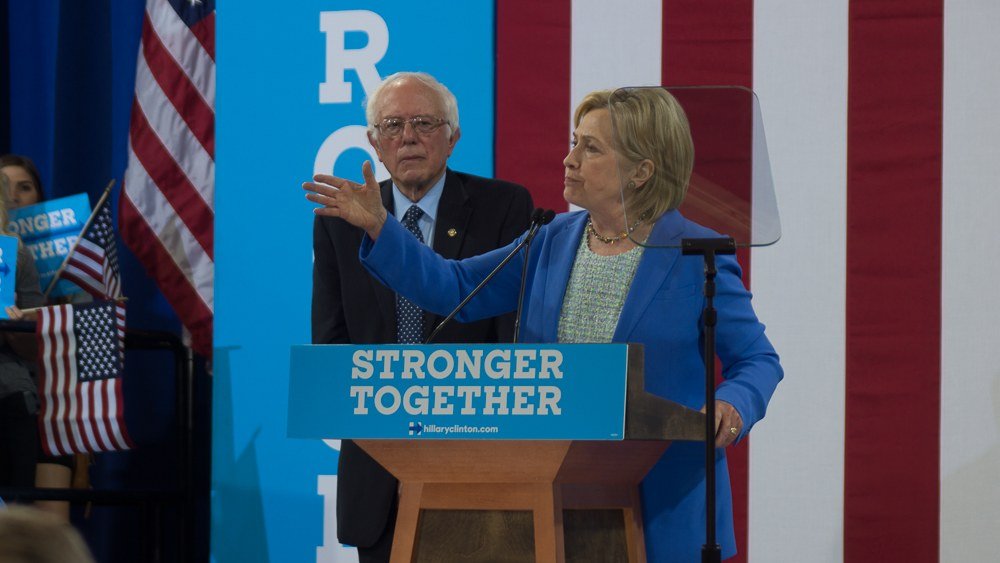
The Vermont senator turned a coronation narrative into a real primary.
Bernie Sanders won contests and nearly half the pledged-delegate fight in a way few expected in 2015, forcing policy and turnout battles through June. [1]
His coalition’s anger at party process became a lasting cleavage even after his July endorsement. [2][3]
Bottom line History
Documented competitive primary.
What the record can’t settle
Caucus vs primary vote totals are not always comparable.
Sources
FEC: Federal Elections 2016 Official primary and general results tables. Caucus popular-vote aggregation needs care.
Brazile — campaign-2016 guide asset (re-encoded; EXIF stripped). AI Files image pool / Wikimedia-derived stand-ins as in sibling guides · Various freely licensed sources; re-encoded for this guide
Brazile later described a 2015 agreement that put Clinton’s campaign in control of key DNC money decisions.
Donna Brazile, after becoming interim DNC chair, said she found a 2015 memorandum that prevented the DNC from running a fully independent operation — ‘the cancer’ she would not ‘kill the patient’ over. [1][2][3]
She also said she found no evidence that ballots or the nominating process were altered. [1]
That distinction — compromised party independence versus stolen votes — is the hinge of every serious ‘rigged primary’ claim. [4]
Bottom line Documented
Favoritism/independence problems documented in Brazile’s account; ballot rigging not shown.
What the record can’t settle
The memo’s full text and every spending decision are not reconstructed here entry-by-entry.
Primary — campaign-2016 guide asset (re-encoded; EXIF stripped). AI Files image pool / Wikimedia-derived stand-ins as in sibling guides · Various freely licensed sources; re-encoded for this guide
Automatic delegates and media projections fueled ‘rigged’ language before voters finished.
Democratic superdelegates — automatic party elites — were free to endorse early, and news outlets counted them in ways that made Clinton’s lead look insurmountable. [1][2]
That was party design and media practice, not evidence that state-run primary ballots were altered. [3][4]
Bottom line Documented
Documented structural advantage and messaging effect.
What the record can’t settle
Cannot prove how many voters stayed home because of early math.
Brazile — campaign-2016 guide asset (re-encoded; EXIF stripped). AI Files image pool / Wikimedia-derived stand-ins as in sibling guides · Various freely licensed sources; re-encoded for this guide
Brazile forwarded potential CNN town-hall topics to Clinton staff; she later called it a mistake she would forever regret.
Emails later published showed Brazile, then a CNN contributor and DNC vice chair, sharing potential topics ahead of a spring 2016 town hall. [1]
She publicly apologized; CNN’s relationship with her ended. [1][2]
There is no public evidence Clinton personally ordered the tip — the misconduct is Brazile’s. [1]
Press — campaign-2016 guide asset (re-encoded; EXIF stripped). AI Files image pool / Wikimedia-derived stand-ins as in sibling guides · Various freely licensed sources; re-encoded for this guide
AP’s June 6 projection of Clinton’s nomination landed before the final primary day.
On June 6, 2016, the Associated Press projected Clinton had secured the delegates to be the nominee — a story that landed as California and other contests were still voting. [1]
Sanders backers read it as the party and press closing ranks; Clinton’s team read it as arithmetic catching up to pledged delegates. [1][2]
Bottom line History
Documented media event that intensified process anger.
Brazile — campaign-2016 guide asset (re-encoded; EXIF stripped). AI Files image pool / Wikimedia-derived stand-ins as in sibling guides · Various freely licensed sources; re-encoded for this guide
Take the strongest process critique seriously — then separate it from ballot theft.
Strongest version: the DNC’s money deal, debate schedule, superdelegate theater, and staff emails show a party that was not a neutral umpire. [1][2][3]
Even that steelman does not show altered vote totals in state-run primaries. Brazile herself drew that line. [1][4][5]
Bottom line Partly true
Process critique can be partly true without ‘stolen ballots.’
Mook — campaign-2016 guide asset (re-encoded; EXIF stripped). AI Files image pool / Wikimedia-derived stand-ins as in sibling guides · Various freely licensed sources; re-encoded for this guide
The campaign’s analytics culture became part of the postmortem.
Reporting in Shattered and elsewhere described heavy reliance on analytics and a belief the Midwest firewall would hold. [1][2]
Confidence is not fraud; misread turnout models are not ‘rigging.’ [3]
Docs — campaign-2016 guide asset (re-encoded; EXIF stripped). AI Files image pool / Wikimedia-derived stand-ins as in sibling guides · Various freely licensed sources; re-encoded for this guide
1996’s party-money fights are ancestors — not this case.
Clinton-world fundraising controversies stretch back to 1996 soft money; that story has its own full guide. [1]
2016’s Joint Fundraising Agreement is a different legal era (post-BCRA) and a different fight. [2][1]
Podesta — campaign-2016 guide asset (re-encoded; EXIF stripped). AI Files image pool / Wikimedia-derived stand-ins as in sibling guides · Various freely licensed sources; re-encoded for this guide
On July 22, thousands of DNC emails hit the public — days before the convention.
WikiLeaks published a large archive of Democratic National Committee emails on July 22, 2016, exposing internal contempt for the Sanders campaign among some staff. [1]
U.S. findings (ODNI ICA; Mueller Vol. I) attribute the underlying intrusion to Russian intelligence and track dissemination toward WikiLeaks — details live in the Russiagate guide. [2][3][4]
Publication is a fact; the political wound at the convention was immediate. [5]
Bottom line Documented
Publication documented; attribution cross-linked.
What the record can’t settle
This entry does not retry the full Russiagate case.
Dws — campaign-2016 guide asset (re-encoded; EXIF stripped). AI Files image pool / Wikimedia-derived stand-ins as in sibling guides · Various freely licensed sources; re-encoded for this guide
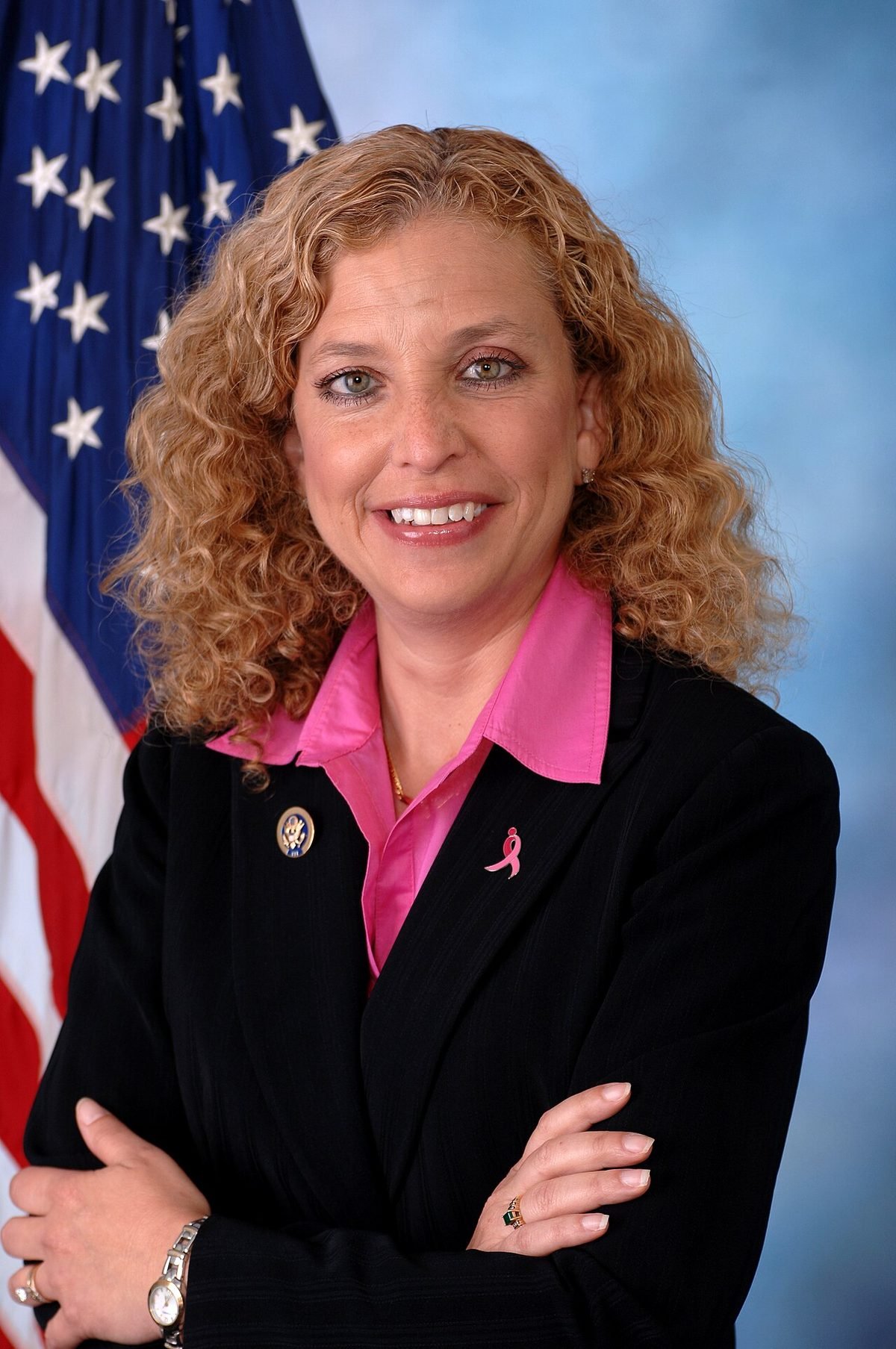
The DNC chair stepped down as the leak consumed convention week.
Debbie Wasserman Schultz announced she would leave the DNC chair after the convention amid the email fallout; Brazile became interim chair. [1][2]
The resignation was damage control, not a finding that primary ballots had been altered. [2][3]
Bottom line History
Documented personnel consequence.
What the record can’t settle
Motive inferences beyond the public statements are contested.
Sanders — campaign-2016 guide asset (re-encoded; EXIF stripped). AI Files image pool / Wikimedia-derived stand-ins as in sibling guides · Various freely licensed sources; re-encoded for this guide
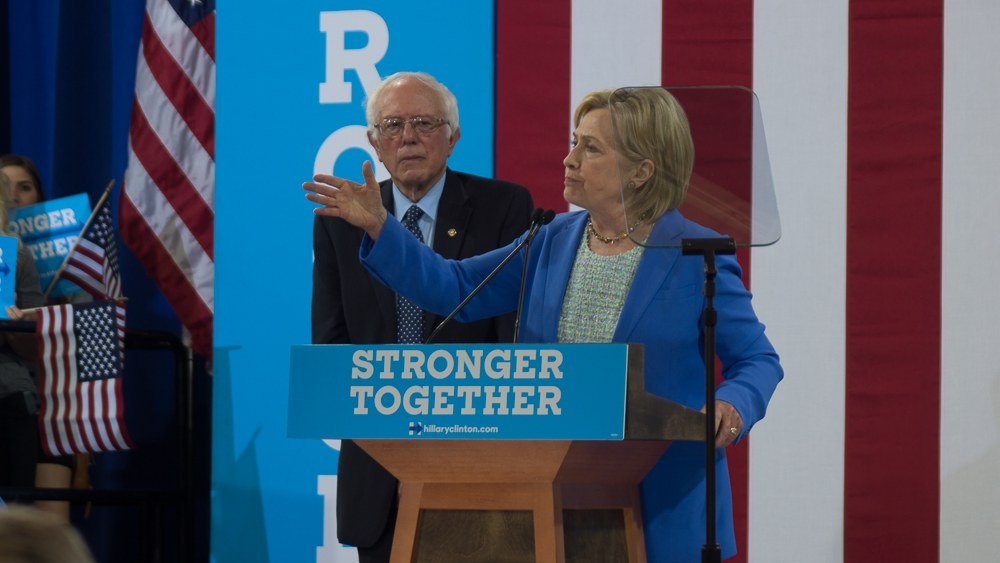
On July 12, Sanders endorsed Clinton — before the convention stagecraft.
Sanders endorsed Clinton in New Hampshire on July 12, 2016, after the primary calendar ended, seeking to transfer his coalition. [1]
Endorsement did not end progressive distrust of the DNC, especially after the July 22 dump. [2][3]
Bottom line History
Documented.
What the record can’t settle
Turnout effects among Sanders voters in November remain debated.
Convention — campaign-2016 guide asset (re-encoded; EXIF stripped). AI Files image pool / Wikimedia-derived stand-ins as in sibling guides · Various freely licensed sources; re-encoded for this guide
Clinton formally nominated; Kaine introduced; unity after a leak week.
The Democratic National Convention in Philadelphia nominated Clinton and showcased Tim Kaine as the vice-presidential pick amid protests and the fresh DNC dump. [1][2]
Obama, Biden, and Sanders appeared in a unity sequence that papered over, but did not erase, the primary fracture. [3]
Bottom line History
Documented convention events.
What the record can’t settle
Speech texts are secondary except where cited elsewhere.
Dws — campaign-2016 guide asset (re-encoded; EXIF stripped). AI Files image pool / Wikimedia-derived stand-ins as in sibling guides · Various freely licensed sources; re-encoded for this guide
The dump showed real contempt for Sanders inside the committee.
Published DNC emails included staff discussion hostile to Sanders’s candidacy — evidence of attitude and messaging bias. [1]
Attitude is not the same as altering county canvasses. [2][3]
Bottom line Documented
Documented content in published emails.
What the record can’t settle
Selection/publication bias by WikiLeaks is a separate issue (Russiagate).
Kaine — campaign-2016 guide asset (re-encoded; EXIF stripped). AI Files image pool / Wikimedia-derived stand-ins as in sibling guides · Various freely licensed sources; re-encoded for this guide
The safe-hand VP choice signaled general-election consolidation.
Tim Kaine’s selection aimed at governing credibility and swing-state familiarity rather than a progressive unity pick. [1]
Some Sanders allies read it as another establishment tell. [2][1]
Debate — campaign-2016 guide asset (re-encoded; EXIF stripped). AI Files image pool / Wikimedia-derived stand-ins as in sibling guides · Various freely licensed sources; re-encoded for this guide
Three presidential debates and one VP debate structured September–October.
The Commission on Presidential Debates staged presidential debates on September 26, October 9, and October 19, plus a Kaine–Pence VP debate on October 4. [1][2][3][4][5]
The second debate fell days after Access Hollywood and amid the Podesta drip — a compressed crisis week. [6][7]
Podesta — campaign-2016 guide asset (re-encoded; EXIF stripped). AI Files image pool / Wikimedia-derived stand-ins as in sibling guides · Various freely licensed sources; re-encoded for this guide
Access Hollywood and the Podesta WikiLeaks dump landed the same day.
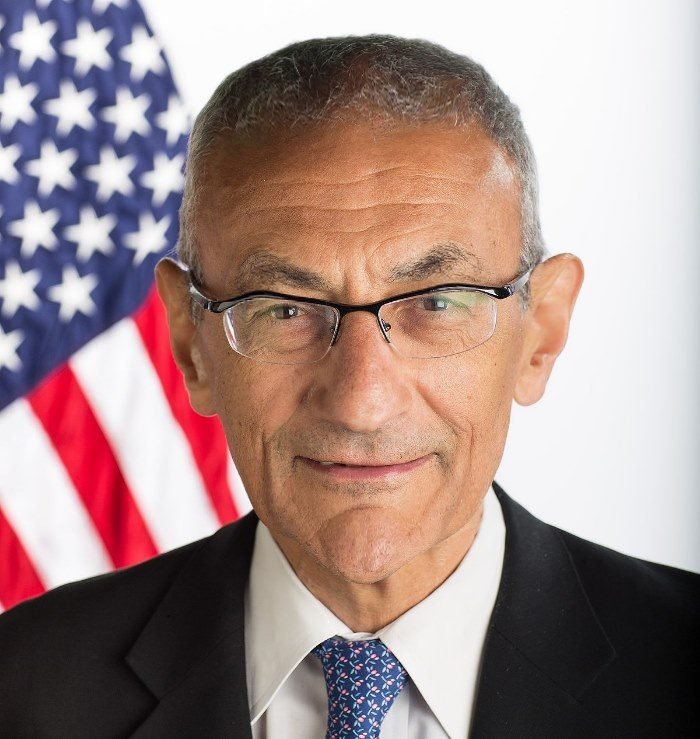
On October 7, 2016, the Access Hollywood tape of Trump was published, and WikiLeaks began releasing John Podesta’s emails. [1][2]
Mueller Vol. I treats the Podesta intrusion and WikiLeaks dissemination as part of the Russian interference operation — see Russiagate for that spine. [3][4]
Same-day timing shaped the month: Trump in personal crisis, Clinton’s campaign in document crisis. [5]
Comey — campaign-2016 guide asset (re-encoded; EXIF stripped). AI Files image pool / Wikimedia-derived stand-ins as in sibling guides · Various freely licensed sources; re-encoded for this guide
Eleven days before the election, Comey told Congress the FBI had found additional emails.
On October 28, Comey wrote Congress that in connection with an unrelated case the FBI had learned of emails that appeared pertinent to the Midyear investigation. [1][2]
The letter did not say charges were coming; it reopened a wound Clinton’s team thought closed on July 5. [3][1]
Horowitz’s IG report later criticized the letter as inconsistent with Department practice, while also criticizing the July press conference. [4]
Comey — campaign-2016 guide asset (re-encoded; EXIF stripped). AI Files image pool / Wikimedia-derived stand-ins as in sibling guides · Various freely licensed sources; re-encoded for this guide
Two days before Election Day, Comey said the review was done — conclusion unchanged.
On November 6, Comey wrote that the FBI had reviewed the additional emails and stood by the July 5 conclusion. [1]
The pair of letters bookended the campaign’s final week and remain central to ‘Comey cost her’ arguments. [2][3]
Comey — campaign-2016 guide asset (re-encoded; EXIF stripped). AI Files image pool / Wikimedia-derived stand-ins as in sibling guides · Various freely licensed sources; re-encoded for this guide
Treat the late letter as a genuine late shock — without pretending models are FEC facts.
Strongest version: an unprecedented public reopen eleven days out moved late deciders in tipping-point states; Silver and Clinton both argue the letter mattered. [1][2][3]
Even if the letter hurt, it does not erase Midwest fundamentals, email fatigue, or WikiLeaks. [4][5]
Press — campaign-2016 guide asset (re-encoded; EXIF stripped). AI Files image pool / Wikimedia-derived stand-ins as in sibling guides · Various freely licensed sources; re-encoded for this guide
National polls were closer to the popular vote than to the EC map.
Clinton did win the national popular vote by a wide margin — so some ‘polls were wrong’ talk confuses national with state tipping points. [1][2]
State-level polling in the Midwest is where the miss hurt forecasting. [3][4]
Bottom line Mixed
Distinguish national vs state error.
What the record can’t settle
Pollster methodologies varied.
Sources
FEC: Federal Elections 2016 Official primary and general results tables. Caucus popular-vote aggregation needs care.
Trump — campaign-2016 guide asset (re-encoded; EXIF stripped). AI Files image pool / Wikimedia-derived stand-ins as in sibling guides · Various freely licensed sources; re-encoded for this guide
The email issue became stadium chant and debate bait.
Republican convention and rally rhetoric turned the email investigation into a criminal slogan — political speech, not an indictment. [1][2]
Comey’s July decision undercut the literal chant; the October letter revived the cloud. [1][3]
Debate — campaign-2016 guide asset (re-encoded; EXIF stripped). AI Files image pool / Wikimedia-derived stand-ins as in sibling guides · Various freely licensed sources; re-encoded for this guide
Snap polls swung; the EC map still came down to late state margins.
Post-debate snap polls often favored Clinton, especially after the first debate, yet the Electoral College still broke for Trump. [1][2][3]
Debates can move narratives without guaranteeing electors. [4]
Steelman: Access Hollywood should have ended Trump
Steelman · Debated
Trump — campaign-2016 guide asset (re-encoded; EXIF stripped). AI Files image pool / Wikimedia-derived stand-ins as in sibling guides · Various freely licensed sources; re-encoded for this guide
Take seriously how abnormal the tape was — and how the race still moved on.
Strongest version: a major-party nominee caught on tape bragging about sexual assault would, in prior cycles, have ended a campaign; Oct 7 was that tape. [1]
It did not end Trump’s campaign. Same-day Podesta emails and partisan sorting are part of why. [2][3]
Bottom line Debated
Tape documented; ‘should have ended’ is normative/counterfactual.
Hillary — campaign-2016 guide asset (re-encoded; EXIF stripped). AI Files image pool / Wikimedia-derived stand-ins as in sibling guides · Various freely licensed sources; re-encoded for this guide
The September 11 memorial episode became opposition research theater.
Clinton’s illness at a September 11 memorial event fueled conspiracy-tinged health attacks and campaign damage control. [1][2]
Pneumonia reporting is not proof of a hidden incapacity plot. [2]
Election — campaign-2016 guide asset (re-encoded; EXIF stripped). AI Files image pool / Wikimedia-derived stand-ins as in sibling guides · Various freely licensed sources; re-encoded for this guide
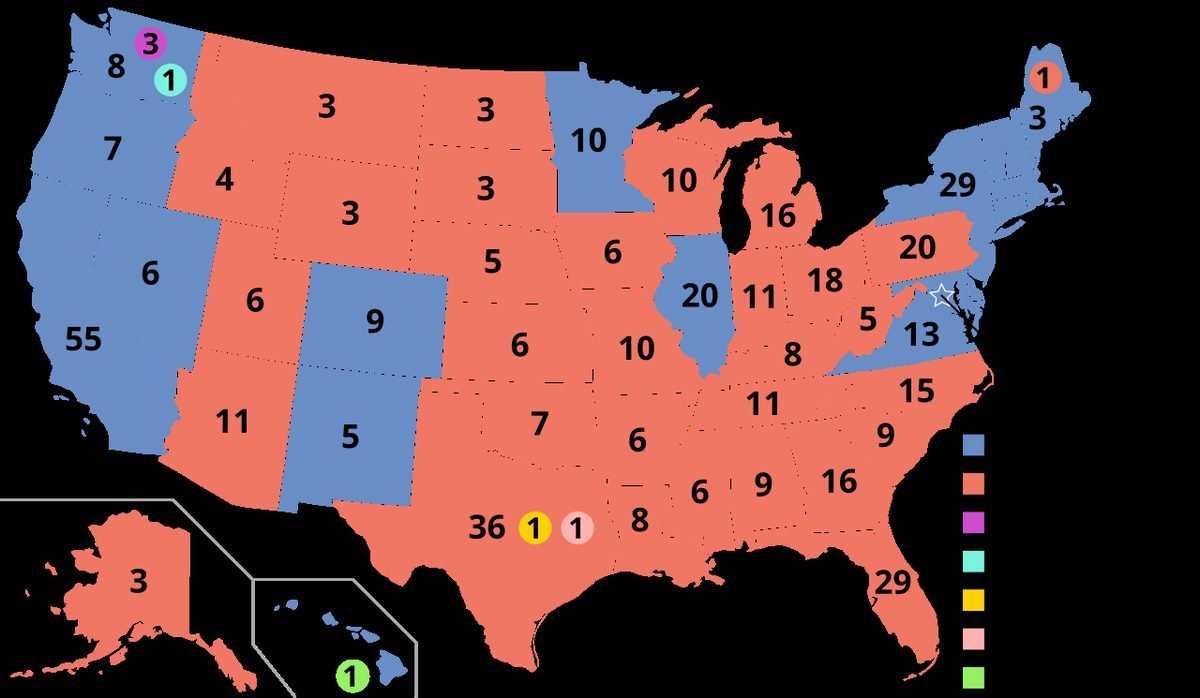
Clinton received more votes nationally; Trump won the electors.
Federal Election Commission tables show Clinton with about 65.9 million votes to Trump’s about 63.0 million, while Trump won 304 electoral votes to Clinton’s 227 (after faithless electors). [1][2][3]
Michigan, Wisconsin, and Pennsylvania’s narrow margins decided the map. [4][1]
Bottom line Official
Official certified outcome.
What the record can’t settle
Popular-vote totals can shift slightly with late certifications; EC math is settled.
Sources
FEC: Federal Elections 2016 Official primary and general results tables. Caucus popular-vote aggregation needs care.
Map — campaign-2016 guide asset (re-encoded; EXIF stripped). AI Files image pool / Wikimedia-derived stand-ins as in sibling guides · Various freely licensed sources; re-encoded for this guide
Tiny margins in MI/WI/PA outweighed a multi-million popular vote lead.
Clinton’s national popular-vote margin did not translate into the three ‘blue wall’ states whose combined electors decided the presidency. [1][2]
That arithmetic — not a rewritten FEC table — is why ‘she won the vote’ and ‘she lost the presidency’ are both true. [2]
Hillary — campaign-2016 guide asset (re-encoded; EXIF stripped). AI Files image pool / Wikimedia-derived stand-ins as in sibling guides · Various freely licensed sources; re-encoded for this guide
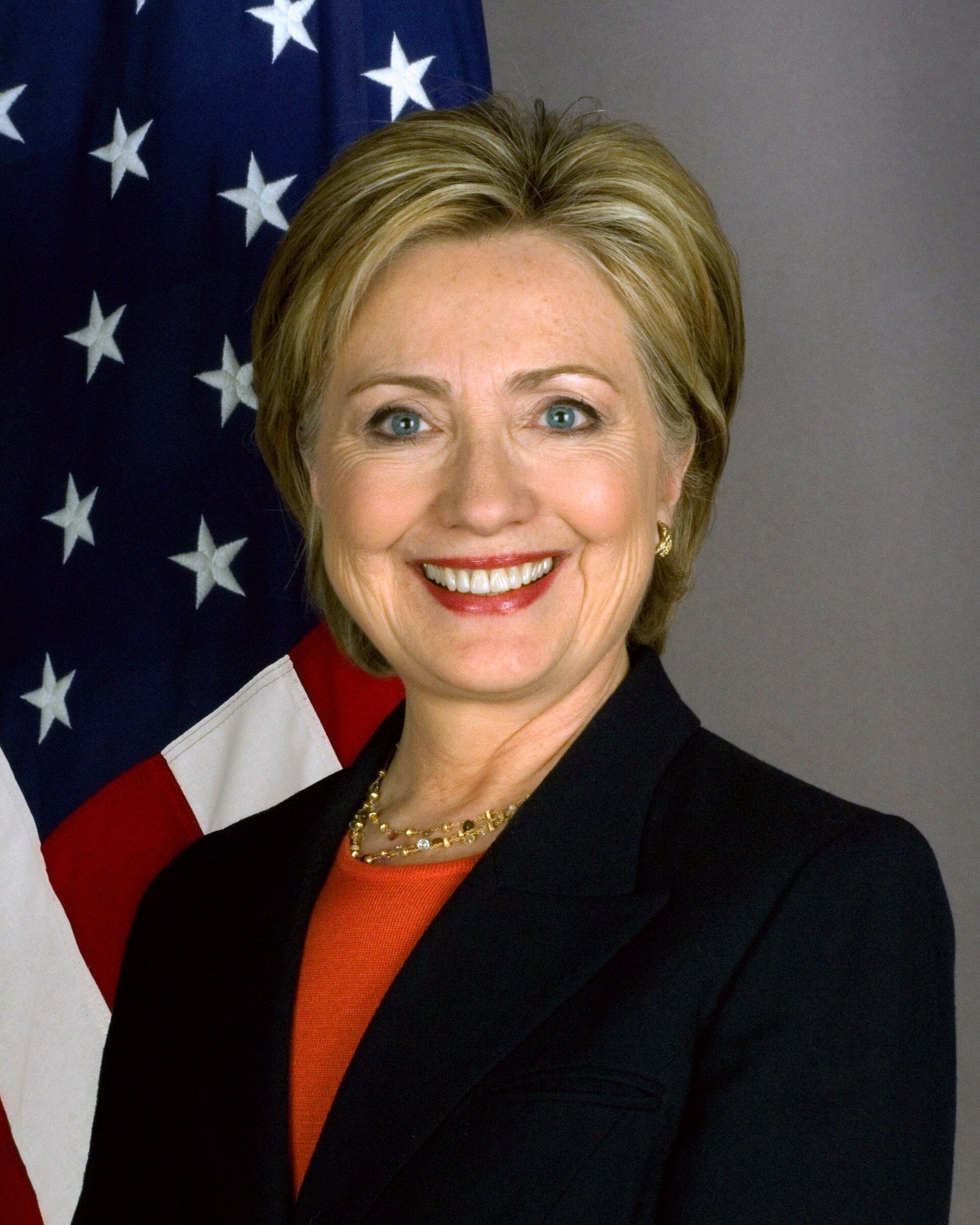
Clinton conceded the morning after.
On November 9, 2016, Clinton publicly conceded and urged a peaceful transfer — the normal close of a lost presidential race. [1]
Concession is political custom, not a legal certification step; electors and Congress still had formal roles. [2][3]
Bottom line History
Documented.
What the record can’t settle
Does not resolve later ‘illegitimate EC’ political arguments.
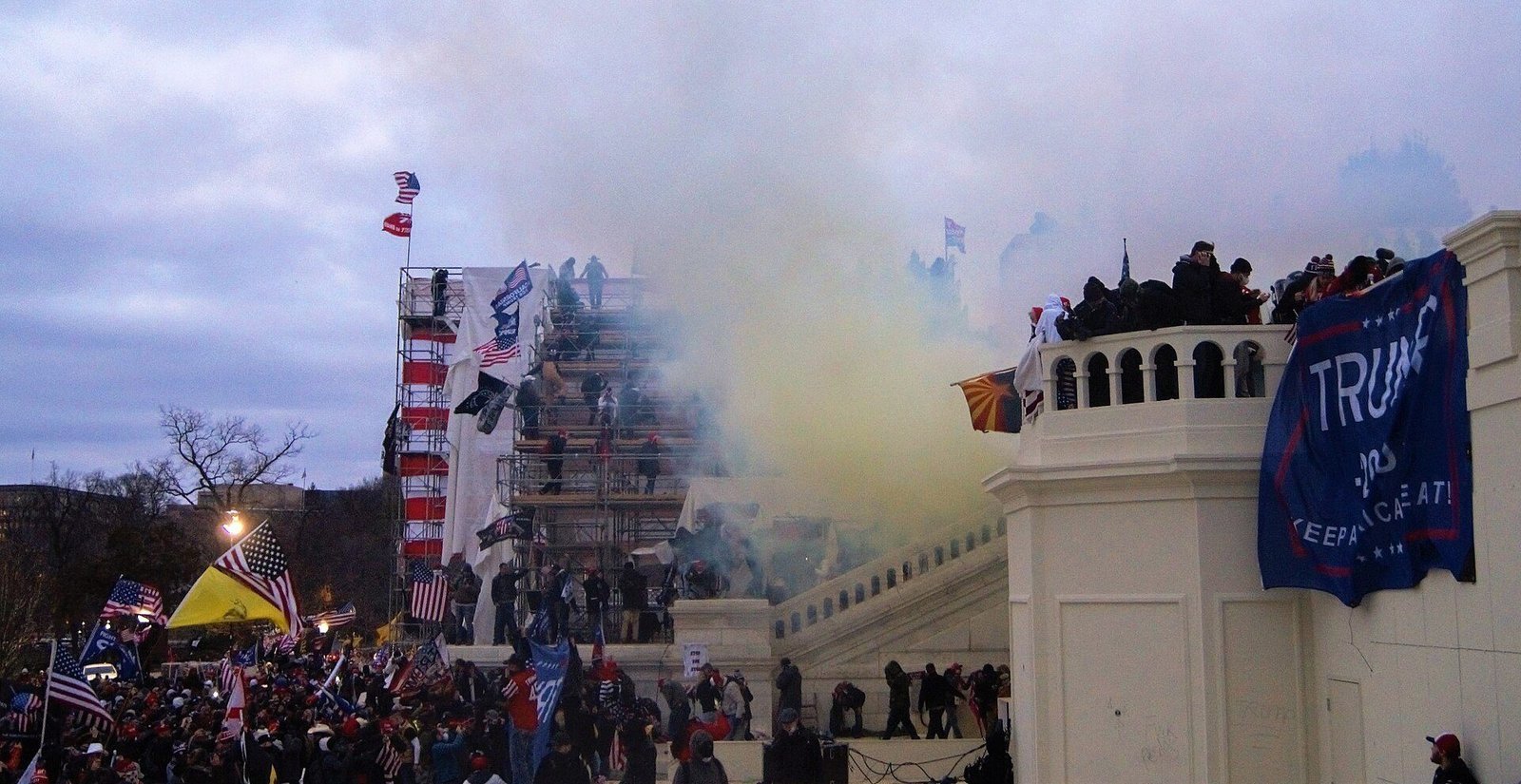
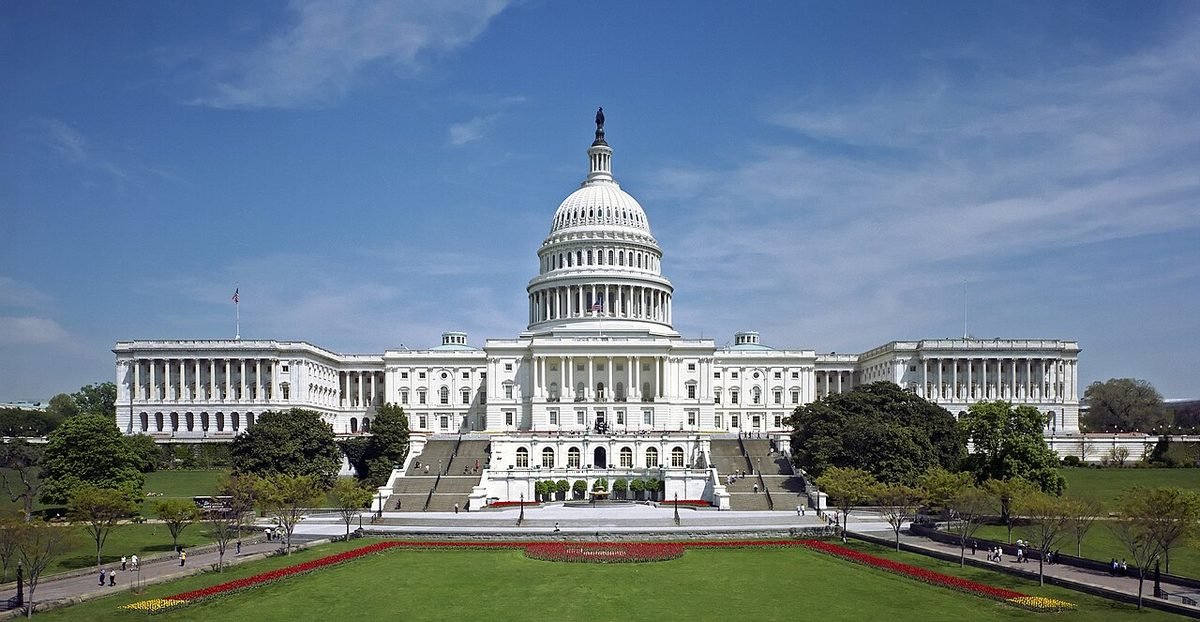
Capitol — campaign-2016 guide asset (re-encoded; EXIF stripped). AI Files image pool / Wikimedia-derived stand-ins as in sibling guides · Various freely licensed sources; re-encoded for this guide
December 19 did not flip the result.
When electors voted on December 19, 2016, faithless electors altered individual votes but not the majority outcome. [1][2]
Stein — campaign-2016 guide asset (re-encoded; EXIF stripped). AI Files image pool / Wikimedia-derived stand-ins as in sibling guides · Various freely licensed sources; re-encoded for this guide
Stein-backed recount efforts did not change certified winners.
Jill Stein’s campaign pursued recounts in several states; none reversed a statewide presidential outcome. [1][2]
Recounts test tabulation; they are not the same as proving a DNC primary was ‘rigged.’ [3]
Bottom line History
Documented failed outcome change.
What the record can’t settle
Not every precinct’s every ballot was hand-audited.
Stein — campaign-2016 guide asset (re-encoded; EXIF stripped). AI Files image pool / Wikimedia-derived stand-ins as in sibling guides · Various freely licensed sources; re-encoded for this guide
Stein’s share in MI/WI/PA entered endless counterfactuals.
Green Party totals in the three tipping-point states were larger than Trump’s margins in some comparisons — a staple of spoiler debates. [1][2][3]
Whether those voters would have backed Clinton, Trump, or stayed home is unprovable. [1]
Bottom line Debated
Arithmetic real; counterfactual unproven.
What the record can’t settle
Voter-intent surveys after the fact are soft evidence.
Obama — campaign-2016 guide asset (re-encoded; EXIF stripped). AI Files image pool / Wikimedia-derived stand-ins as in sibling guides · Various freely licensed sources; re-encoded for this guide
Obama met Trump; inauguration followed the EC path.
After the election, Obama hosted Trump at the White House and the January 20 inauguration proceeded — the constitutional close of the 2016 race. [1][2]
Peaceful transfer is separate from later arguments about interference or legitimacy. [3]
Map — campaign-2016 guide asset (re-encoded; EXIF stripped). AI Files image pool / Wikimedia-derived stand-ins as in sibling guides · Various freely licensed sources; re-encoded for this guide
Clinton’s popular majority relaunched the EC reform argument.
Clinton’s multi-million popular-vote edge became central to ‘mandate’ and National Popular Vote Compact arguments. [1][2]
The Constitution awards the presidency via electors; calling the EC ‘illegitimate’ is a reform position, not a description of 2016 law. [3][4]
Bottom line Disputed
Both the popular plurality and EC rules are real.
What the record can’t settle
Reform desirability is political, not a 2016 legal defect.
Obama — campaign-2016 guide asset (re-encoded; EXIF stripped). AI Files image pool / Wikimedia-derived stand-ins as in sibling guides · Various freely licensed sources; re-encoded for this guide
The sitting president campaigned as the closer Clinton needed.
Obama’s fall appearances were meant to transfer his coalition; the Midwest still slipped. [1][2]
His post-election hosting of Trump modeled transfer norms. [1]
Mueller — campaign-2016 guide asset (re-encoded; EXIF stripped). AI Files image pool / Wikimedia-derived stand-ins as in sibling guides · Various freely licensed sources; re-encoded for this guide
January 2017 ICA stated Russian activities aimed at the 2016 election.
The January 6, 2017 ODNI Intelligence Community Assessment described Russian activities and intentions regarding the 2016 election. [1]
Full interference and attribution detail belongs in the Russiagate guide; this campaign guide only notes the assessment as aftermath context. [2][3]
Bottom line Official
Official IC product; campaign vote-effect size still debated.
Brazile — campaign-2016 guide asset (re-encoded; EXIF stripped). AI Files image pool / Wikimedia-derived stand-ins as in sibling guides · Various freely licensed sources; re-encoded for this guide
Hacks (2017) put the funding memo and ‘cancer’ metaphor at center stage.
Brazile’s book and November 2017 interviews restated that she found a compromising funding arrangement and still found no vote-rigging evidence. [1][2][3]
The book became a primary text for both ‘it was rigged’ popular talk and ‘independence ≠ ballots’ rebuttals. [4]
Bottom line Documented
Her account is documented; it is still one insider’s account.
Hillary — campaign-2016 guide asset (re-encoded; EXIF stripped). AI Files image pool / Wikimedia-derived stand-ins as in sibling guides · Various freely licensed sources; re-encoded for this guide
Her 2017 memoir centers Comey, Russia, misogyny, and campaign limits.
In What Happened, Clinton argued the Comey letter, Russian interference, and other headwinds were decisive alongside her own campaign’s shortcomings. [1]
It is an essential primary source for her framing — and a partisan one. [1][2]
Bottom line Mixed
Documented as her account; causal weights remain debated.
Press — campaign-2016 guide asset (re-encoded; EXIF stripped). AI Files image pool / Wikimedia-derived stand-ins as in sibling guides · Various freely licensed sources; re-encoded for this guide
Allen and Parnes described Brooklyn’s data confidence and strategic blind spots.
Shattered (2017) portrayed a campaign strong in finance and analytics that still misread the Midwest map. [1][2]
Useful secondary narrative; not an official investigation. [1]
Bottom line Mixed
Insider-reported autopsy — handle as journalism/book.
What the record can’t settle
Anonymous sourcing limits verification of some scenes.
Horowitz — campaign-2016 guide asset (re-encoded; EXIF stripped). AI Files image pool / Wikimedia-derived stand-ins as in sibling guides · Various freely licensed sources; re-encoded for this guide
The 2018 IG report faulted Comey’s independence on both July and October.
DOJ Inspector General Michael Horowitz’s Midyear Exam review concluded Comey departed from norms in the July press conference and the October letter — without finding that the underlying charging decision was wrong. [1]
That split matters: process can be irregular while the ‘no charges’ call still stands. [2][1]
Mueller — campaign-2016 guide asset (re-encoded; EXIF stripped). AI Files image pool / Wikimedia-derived stand-ins as in sibling guides · Various freely licensed sources; re-encoded for this guide
Hacking + WikiLeaks dissemination documented; conspiracy with Trump campaign not established.
Mueller Volume I details Russian military intelligence hacking of Democrats and the release path involving WikiLeaks. [1]
It also states the investigation did not establish a conspiracy between the Trump campaign and Russia — the deeper case is in Russiagate. [1][2]
Bottom line Official
Official SCO report — use the right volume for the right claim.
What the record can’t settle
Vote-swing magnitude is outside Mueller’s charging narrative.
Gavel — campaign-2016 guide asset (re-encoded; EXIF stripped). AI Files image pool / Wikimedia-derived stand-ins as in sibling guides · Various freely licensed sources; re-encoded for this guide
The 11th Circuit affirmed dismissal in October 2019.
Donors and voters sued over alleged DNC neutrality breaches. The Eleventh Circuit affirmed dismissal — standing and pleading failures — and did not try a ‘was the primary fair?’ bench trial. [1]
The opinion even noted deep disagreements about DNC conduct while declining to resolve them as adjudicated fact. [1][2]
Perez — campaign-2016 guide asset (re-encoded; EXIF stripped). AI Files image pool / Wikimedia-derived stand-ins as in sibling guides · Various freely licensed sources; re-encoded for this guide
After 2016, Democrats curbed first-ballot superdelegate power.
The party’s Unity Reform Commission and later rules changes reduced automatic delegates’ ability to decide a first ballot — a direct institutional answer to 2016 anger. [1][2]
Rule reform concedes a legitimacy problem in party design; it is not an admission of ballot fraud. [3][4]
Memory — campaign-2016 guide asset (re-encoded; EXIF stripped). AI Files image pool / Wikimedia-derived stand-ins as in sibling guides · Various freely licensed sources; re-encoded for this guide
‘Rigged primary,’ ‘Comey did it,’ and ‘Russia did it’ still compete.
Public memory split into durable camps: Sanders-world process betrayal; Clinton-world Comey/Russia headwinds; Trump-world vindication narratives. [1][2][3][4]
The FEC table did not change while the stories hardened. [5]
Light contrast: 2020’s ‘stolen election’ claims are a different legal and factual fight — see that overview. [6]
Docs — campaign-2016 guide asset (re-encoded; EXIF stripped). AI Files image pool / Wikimedia-derived stand-ins as in sibling guides · Various freely licensed sources; re-encoded for this guide
Emails, Russiagate, 2020, and 1996 fundraising are sibling spines.
Do not treat this page as a second email-server investigation, a Mueller rewrite, a 2020 fraud court, or a 1996 Chinagate rebuild. [1][2][3][4]
Use the critical path here for the *campaign*; follow links for the deep adjacent cases. [1]
Memory — campaign-2016 guide asset (re-encoded; EXIF stripped). AI Files image pool / Wikimedia-derived stand-ins as in sibling guides · Various freely licensed sources; re-encoded for this guide
As of this edition, the FEC result is unchanged; the arguments are not.
No lawful process has reassigned the 2016 electors. The live arguments are about blame, reform, and analogy to later cycles. [1][2]
Open questions below mark what remains model-dependent or unknown. [3][4]
Bottom line History
Outcome settled; narrative unsettled.
What the record can’t settle
Future archives may still add detail on interference ops.
Sources
FEC: Federal Elections 2016 Official primary and general results tables. Caucus popular-vote aggregation needs care.