The AI Files · Brandon M. Scott · plain reading edition
The Brandon Scott File: every entry
All 50 entries of the guide, grouped by period and case, each with its bottom line and its sources. This page needs no JavaScript. The interactive guide adds the story in 20 chapters, the people, the timeline, the theories, the 15 checked claims and the media.
Visual timeline
35 dated events
Story chapters
Encyclopedia narrative for brandon-scott-gvrs-bridge — same twenty chapters as the interactive guide. Keep stickers apart: evaluation ≠ verdict; allegation ≠ finding; campaign speech ≠ canvass. Brandon Scott hub Bio/SNA and sibling Form items untouched.
Chapter 1: Park Heights, MERVO, St. Mary's
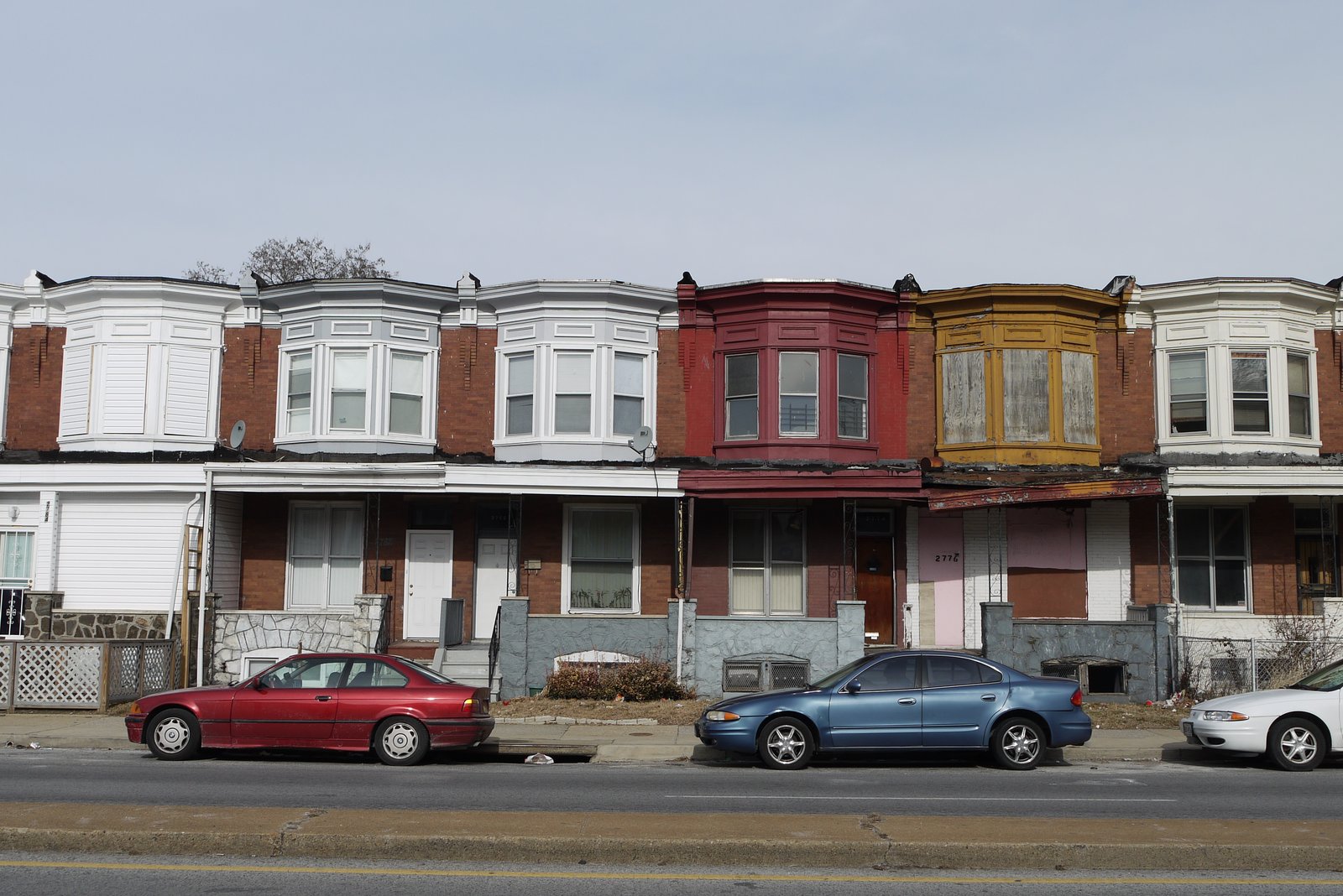
Park Heights, northwest Baltimore Famartin · CC BY-SA 4.0
Brandon Maurice Scott was born in Baltimore on 8 April 1984 and raised in Park Heights — the northwest neighborhood that later became the stage set for every authenticity speech. City and state biographies treat that geography as biography, not metaphor: the same blocks that appear in campaign launches appear in the maintained record as childhood address. Spec hygiene keeps the birth and upbringing as fact of record without converting a neighborhood into a moral certificate.
He ran track at Mergenthaler Vocational-Technical High School, graduated in 2002, and took a political-science degree from St. Mary's College of Maryland in 2006. Profiles say he grew up admiring Elijah Cummings. Soft detail sits beside hard geography. MERVO and St. Mary's are load-bearing on the critical path because they place him inside Baltimore's vocational pipeline and Maryland's public-college ladder before any City Hall badge.
Readers who want a self-made outsider myth have to erase the staff apprenticeship that follows. Readers who want a pure machine product have to erase Park Heights as more than a backdrop. The maintained path holds both: a northwest childhood and a formal education that preceded liaison work under Council President Stephanie Rawlings-Blake. Neither fact is a conviction about later crime policy; both are hinges later branding rides on.
Primary spine objects for this chapter are municipal and Maryland State Archives biographical pages, contemporaneous school and college records as cited in city biographies, and the campaign geography that repeatedly returns to Park Heights. Press color about Cummings is labeled profile soft detail, not a primary act. No Grokipedia cite belongs here; checklist topics from any secondary encyclopedia stay research notes only.
This chapter's job is to plant the person before the plan. Without Park Heights, the 2019 mayoral launch speech loses its claimed home field. Without MERVO and St. Mary's, the staff-kid ladder looks accidental. Cross-link the matching critical-path cards and timeline nodes for 1984, 2002, and 2006. Keep walking so City Hall liaison years are not mistaken for the first public office.
Encyclopedia voice refuses chat coaching as visitor copy and refuses AI faces in the image set. Shared fonts load from site-wide /assets/fonts/; rasters for this slug sit on image1.theaifiles.fun. Provenance remains Grok Bot at high reasoning under Spec v7. The Brandon Scott hub biography and other sibling Form items stay untouched — this deep file owns GVRS, the bridge, and the credit war as the existing guide already frames them.
Chapter 2: The liaison years
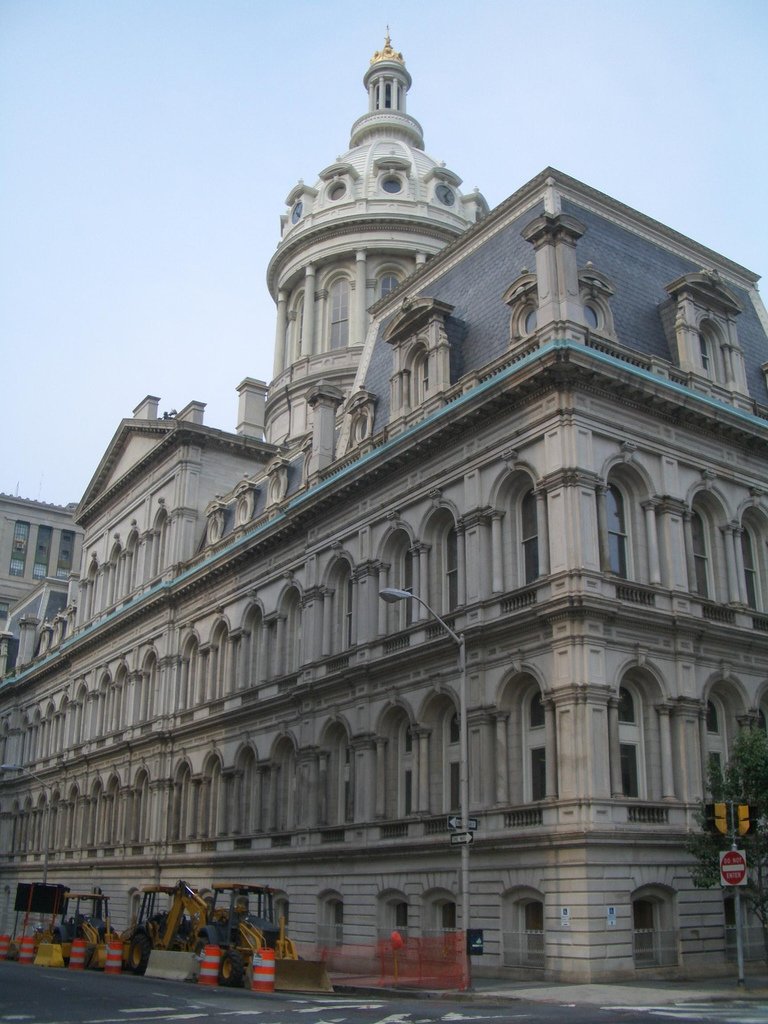
Baltimore City Hall Wikimedia Commons · CC BY 2.0
Before anyone voted for him, Scott learned City Hall from the inside: outreach liaison to Northeast Baltimore for Council President Stephanie Rawlings-Blake, neighborhoods-office work, Recreation and Parks, and a seat on the body-worn-camera working group after Freddie Gray-era pressure made cameras a compliance object. Those roles are staff acts, not electoral mandates. Spec hygiene keeps them labeled apprenticeship.
The ladder matters. Scott is not a protest outsider who wandered into the mayor's suite. He is a staff kid who stayed. That continuity is a hinge for rivals who claim he never understood policing from the street and for allies who claim he understood bureaucracy before he inherited it. Both arguments need the same staff years; they disagree about what those years taught.
Primary objects include city biography timelines, council-president office descriptions, and the body-worn-camera working-group record as contemporaneously described. Secondary profiles that romanticize the ladder are labeled profile. Allegation that staff work equals policy authorship for later GVRS must show a document chain — it does not follow from a liaison title alone.
Without the liaison years, the 2011 council seating looks like a sudden jump. With only the liaison years, nothing yet explains Public Safety chair fights or the 2020 budget cut. Cross-link critical-path step three and the 2007–2010 timeline band. Keep the Freddie Gray context as climate around cameras, not as a finding that Scott wrote the consent decree — that decree arrives later under different names and a federal court.
Uniform evidence applies: staff proximity is not guilt, innocence, or genius. It is a documented path into the building. Denials that he was ever inside City Hall before the council fail immediately; claims that staff work settled the homicide curve also fail — those years precede GVRS by a decade.
Hold the apprenticeship open. The story chapters that follow convert staff knowledge into a district seat, a committee gavel, a council presidency, and only then a mayoral emergency. Skip this hinge and the credit war later looks like it began with a slide deck instead of a building.
Chapter 3: District 2 and the Public Safety chair
Baltimore policing / public-safety climate Guide documentary pool · as credited
In December 2011 Scott took the Second District council seat — among the youngest members in modern memory — and climbed to chair of the Public Safety Committee. Open-data rules, police-oversight fights, a vote against aerial surveillance, and later a visible role in the 2020 fight to cut roughly twenty-two million dollars from the police budget sit on this span. Committee chairs do not convict; they set hearing agendas and vote records.
The 2020 budget-cut fight is contested credit and contested meaning. Progressive allies heard a reimagining down payment. Police-union and tough-on-crime voices heard a retreat. Spec hygiene records the cut as a council act in a pandemic summer, not as proof that later homicide declines were caused by austerity or by its reversal. Budgets after he became mayor raised police spending again — a fact rivals use both ways.
Primaries for this chapter are council journals, contemporaneous budget documents, and recorded votes where available. Press narratives that treat a single cut as the whole policing philosophy are labeled press compression. The body-worn-camera working-group experience from the staff years reappears here as oversight literacy, not as a federal decree.
Without District 2, the Public Safety chair never opens. Without the chair, the later mayoral claim to have lived inside violence policy before CVPP loses a paper trail. Cross-link critical-path steps four and five. Keep walking so the 2018 Shea lieutenant-governor ticket is not mistaken for the first citywide test — that ticket is statewide theater with a city sequel.
Rival soft-on-crime cartoons must still account for the oversight votes and the later consent-decree compliance rhetoric. Rival brand-over-substance cartoons must still account for dated committee work before national cameras arrived. Contested characterizations stay labeled; the seat and the chair do not.
Hold the district record open. GVRS is not yet born. The bridge has not fallen. What exists is a young councilman learning how Baltimore argues about police money, surveillance, and data — arguments that return when he sits on the other side of the budget table.
Chapter 4: A statewide ticket, then a vacant chair
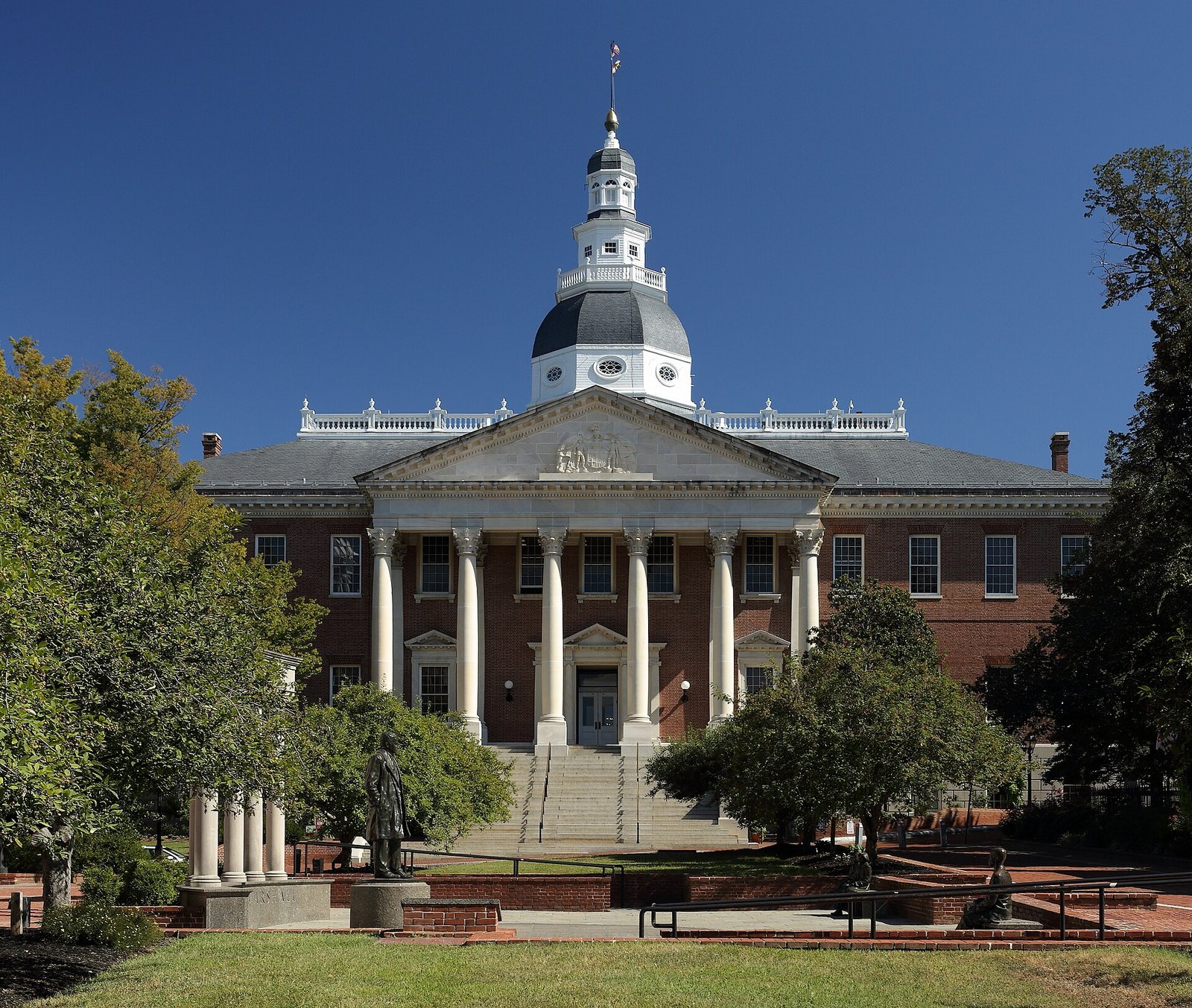
Maryland State House, Annapolis CC BY-SA 3.0 · Wikimedia Commons
Jim Shea put Scott on a 2018 lieutenant-governor ticket. The statewide run failed; the relationship did not — Shea later became Scott's city solicitor after the 2020 mayoral win. Ticket politics are not convictions. They are alliance markers. Spec hygiene keeps the failed ticket as biography and network, not as a finding about later crime strategy authorship.
The real vacancy opened in 2019. Catherine Pugh resigned amid the Healthy Holly scandal. Bernard C. "Jack" Young became mayor. On 6 May 2019 the council unanimously elected Scott council president. He used the gavel to pass a requirement Baltimore had oddly lacked: a biennial, public, public-health violence-prevention plan. That ordinance is a document hinge — it forces CVPP into existence before Scott is mayor.
Primaries include the council vote seating him as president, the ordinance text requiring the plan, and contemporaneous reporting on Pugh's resignation as stage furniture, not as Scott's act. Scandal adjacency is labeled carefully: Pugh's fall created the vacancy; it does not transfer her conduct onto him.
Without the ordinance, the June 2021 CVPP release looks like a mayoral brochure. With the ordinance, CVPP is a mandated public instrument. Cross-link critical-path step six and the May 2019 timeline node. Keep the Shea relationship visible so later solicitor appointment is not a surprise cameo.
Contested readings split here. Strategy-worked narrators treat the plan mandate as proof of seriousness. Brand-over-substance narrators treat it as paperwork. Both still need the ordinance PDF. Soft-on-crime narrators who skip from Pugh's scandal to Scott's presidency without the unanimous council vote erase a recorded act.
Hold the vacant chair as machinery, not morality play. The next chapter launches a Park Heights mayoral bid into a fractured primary; the plan mandate is already on the books waiting for a mayor who will have to publish it.
Chapter 5: Park Heights launch, fractured primary
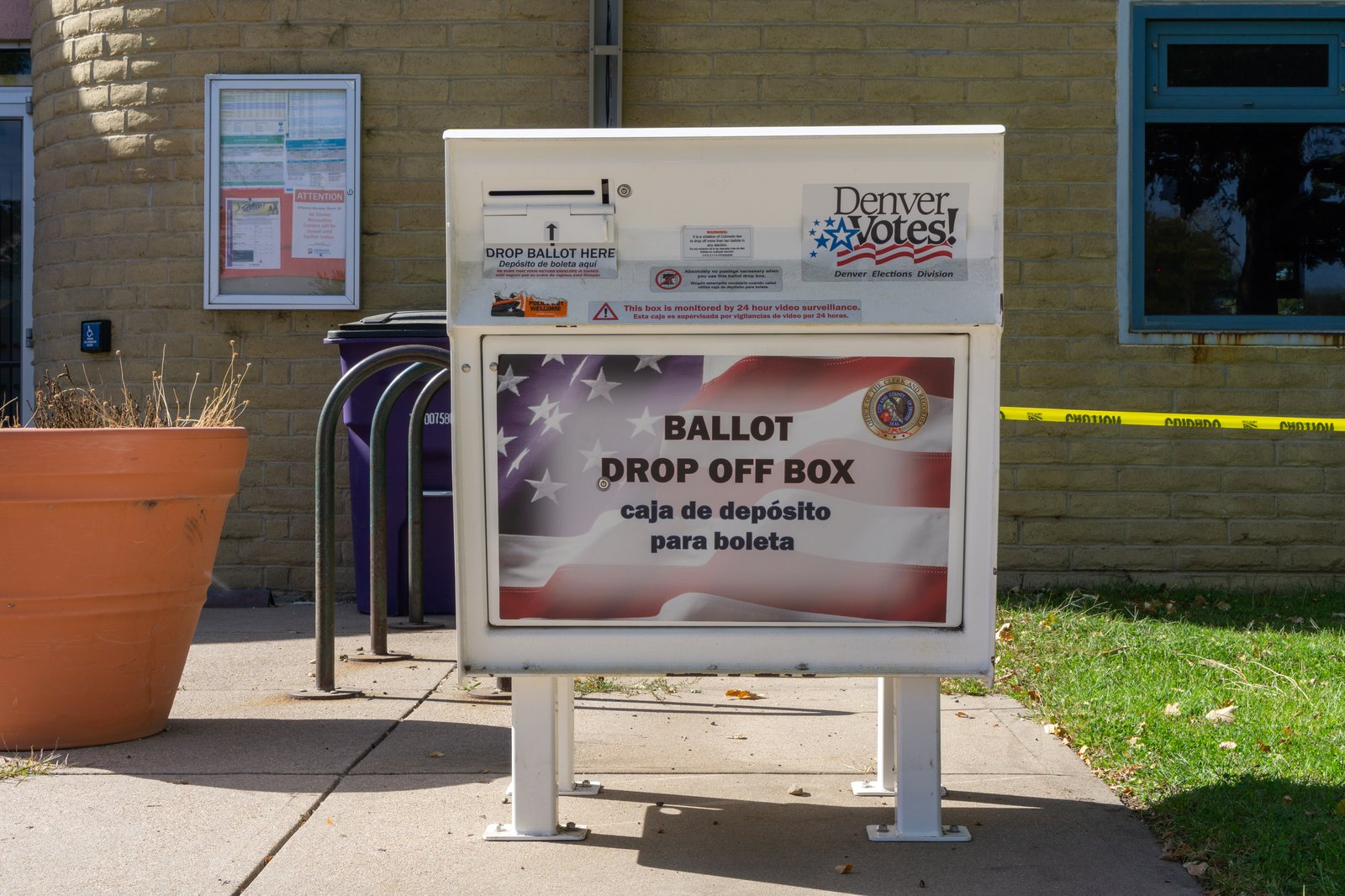
Ballot / election climate Guide documentary pool · as credited
In September 2019 Scott announced for mayor in the neighborhood that raised him. Geography again does political work. The launch does not prove competence; it proves the campaign chose Park Heights as the opening frame. Spec hygiene separates campaign theater from governing record while still filing the launch on the timeline.
On 9 June 2020, in a crowded Democratic primary, he took about 29.6 percent — enough. Sheila Dixon finished second. Incumbent Young finished in single digits. November delivered the general-election formality at roughly seventy percent. Sworn in on 8 December 2020, he called gun violence and COVID twin public-health emergencies. Primary plurality is not a landslide mandate; it is a win under Baltimore's rules.
Primaries for this chapter are Board of Elections canvass figures, the announcement geography, and the oath date. Press frames about a progressive wave are labeled press. Dixon's second-place finish matters because she returns in 2024 — rematch is already latent in 2020's math.
Without the fractured primary, later claims that "Baltimore chose the GVRS mayor" overstate a plurality. Without the twin-emergency framing on night one, the first-year doubt chapter loses its own words. Cross-link critical-path steps seven and eight. Keep COVID capacity caps and vaccine fights for the next chapter rather than collapsing them into the oath.
Rival theories must account for Dixon's persistent vote share and Young's collapse. Culture-war narrators who treat Scott as imposed by national Democrats still face local primary arithmetic. Brand narrators who treat the Park Heights launch as the whole story still face the governing years ahead.
Hold the plurality honest. The credit war later argues about homicide charts; this chapter only seats the mayor who will publish CVPP, open GVRS in the Western District, and stand under bridge lights he did not choose.
Chapter 6: Day-one emergency, year-one doubt
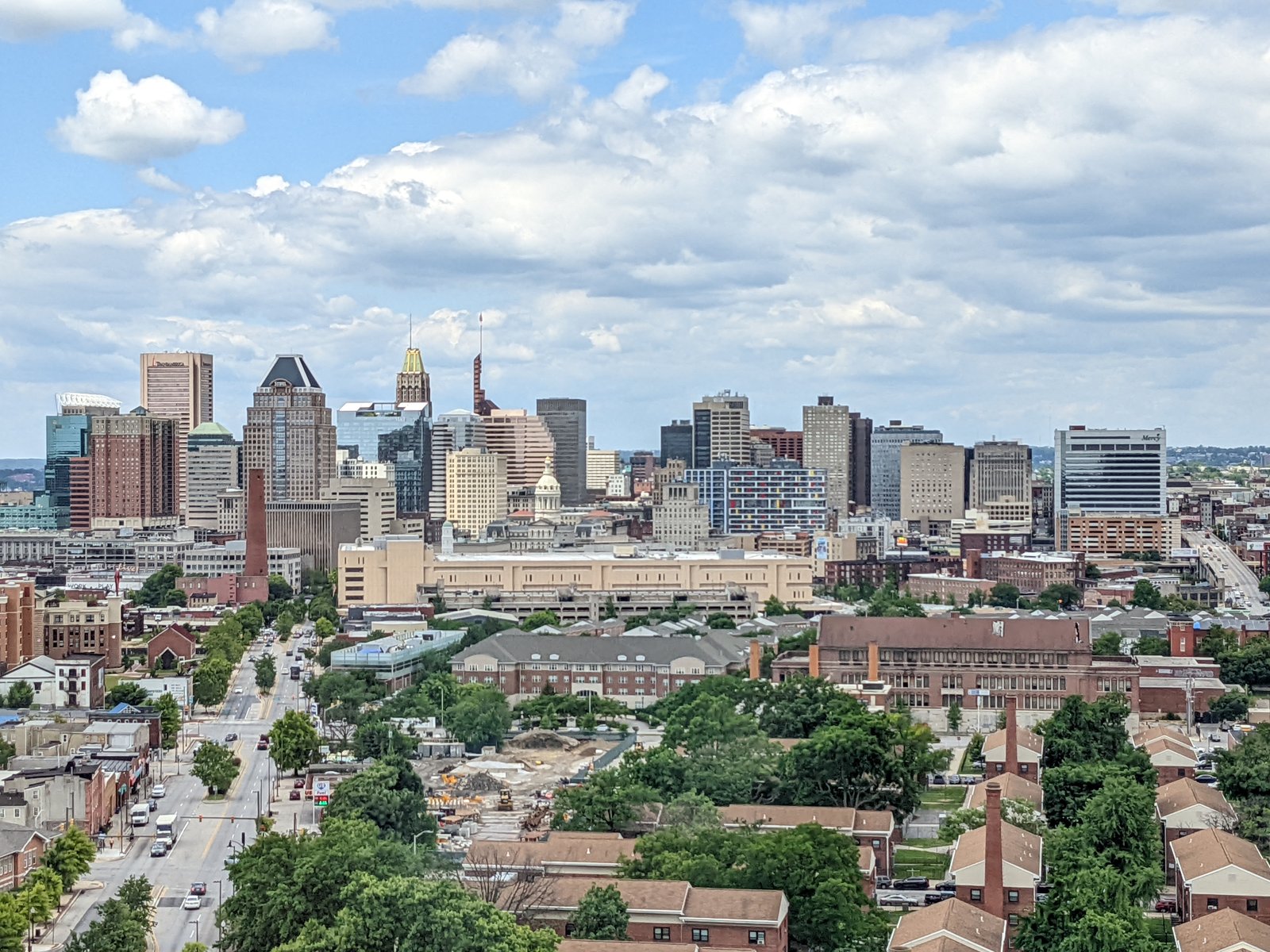
Baltimore cityscape Wikimedia Commons · as credited
Night one brought capacity caps, mask cycles, a public spat with Governor Larry Hogan over vaccine doses, and a positive COVID test of Scott's own. Those are contemporaneous public-health acts and conflicts, not crime verdicts. Spec hygiene keeps pandemic governance labeled pandemic even when it shares microphones with violence rhetoric.
The harder test was the old one. Homicides stayed ugly — mid-300s across 2020, 2021, and 2022 — while early budgets raised police spending and progressive allies accused him of blinking. He said reimagining would take years. Doubters heard an excuse. The maintained record holds both the elevated counts and the verbal timeline he asked the public to accept.
Primaries include city homicide tallies as published, budget documents showing police spending direction, and recorded Hogan–Scott vaccine friction. Secondary narratives that treat mid-300s as proof GVRS could never work skip that GVRS had not yet launched in the Western District. Sequencing matters.
Without year-one doubt, the later celebration of 133 reads as inevitable. With only year-one doubt, readers miss the plan and district strategy still to come. Cross-link the 2020–2022 timeline band and the still-future cp09/cp10 nodes. Keep the Shea solicitor appointment in view as continuity of the 2018 ticket.
Contested credit begins early in rhetoric even before the curve bends. Soft-on-crime voices treat mid-300s as the real Scott. Strategy voices treat them as the baseline GVRS was built to leave. Neither may erase the counts; neither may pretend CVPP already existed as a published plan on inauguration night — that PDF lands in June 2021.
Hold the doubt. The next chapter puts the Comprehensive Violence Prevention Plan on paper and opens Group Violence Reduction Strategy on the west side — the hinge where evaluation literature later enters the credit war.
Chapter 7: The plan on paper, then on the west side
West Baltimore street climate Wikimedia Commons · as credited
On 25 June 2021 the city released its first Comprehensive Violence Prevention Plan — the document the 2019 ordinance had forced into existence. CVPP is a public instrument with pillars, partners, and update cycles. It is not a randomized trial. Spec hygiene keeps plan ≠ proof while still filing the PDF as a critical-path object any serious reading must open.
In January 2022 the Group Violence Reduction Strategy opened in the Western District: weekly violence reviews, focused outreach to a small set of people most likely to shoot or be shot, services alongside enforcement, and partnership among the Mayor's Office, BPD, the State's Attorney, and later state partners. Baltimore Brew and other outlets asked whether the street version matched the slide deck. That question never fully leaves.
Primary objects include the CVPP PDF, MONSE/BPD descriptions of GVRS mechanics, and the University of Pennsylvania Crime and Justice Policy Lab's public evaluation summary estimating roughly a quarter reduction in Western District homicides and shootings in the first eighteen months, with little evidence of crime moving elsewhere and without a detected rise in overall arrests. Those estimates are research findings, not court judgments — label them evaluation, not verdict.
A later National Bureau of Economic Research paper (working paper series, announced by the city with Penn's lab) estimates large focused-deterrence effects in the Western District and argues Baltimore's citywide homicide path ran about twenty-five percent below a synthetic counterfactual of similar cities. City press releases amplify that paper; rivals may contest methods. Spec hygiene puts the paper on the table as research, not as a guilty or innocent finding about a person.
Without CVPP, GVRS looks like an improvisation. Without the Western District launch date, citywide charts get mis-timed. Cross-link critical-path steps nine and ten. Keep prosecutors-and-feds and national-wave rival cards in view — evaluation that finds district-level effects still leaves citywide attribution contested.
Hold plan and district launch as separate sticks. The credit war will glue them to 2023's first big annual drop; this chapter only places the instruments that war will argue about.
Chapter 8: Brooklyn night and the first bend in the curve
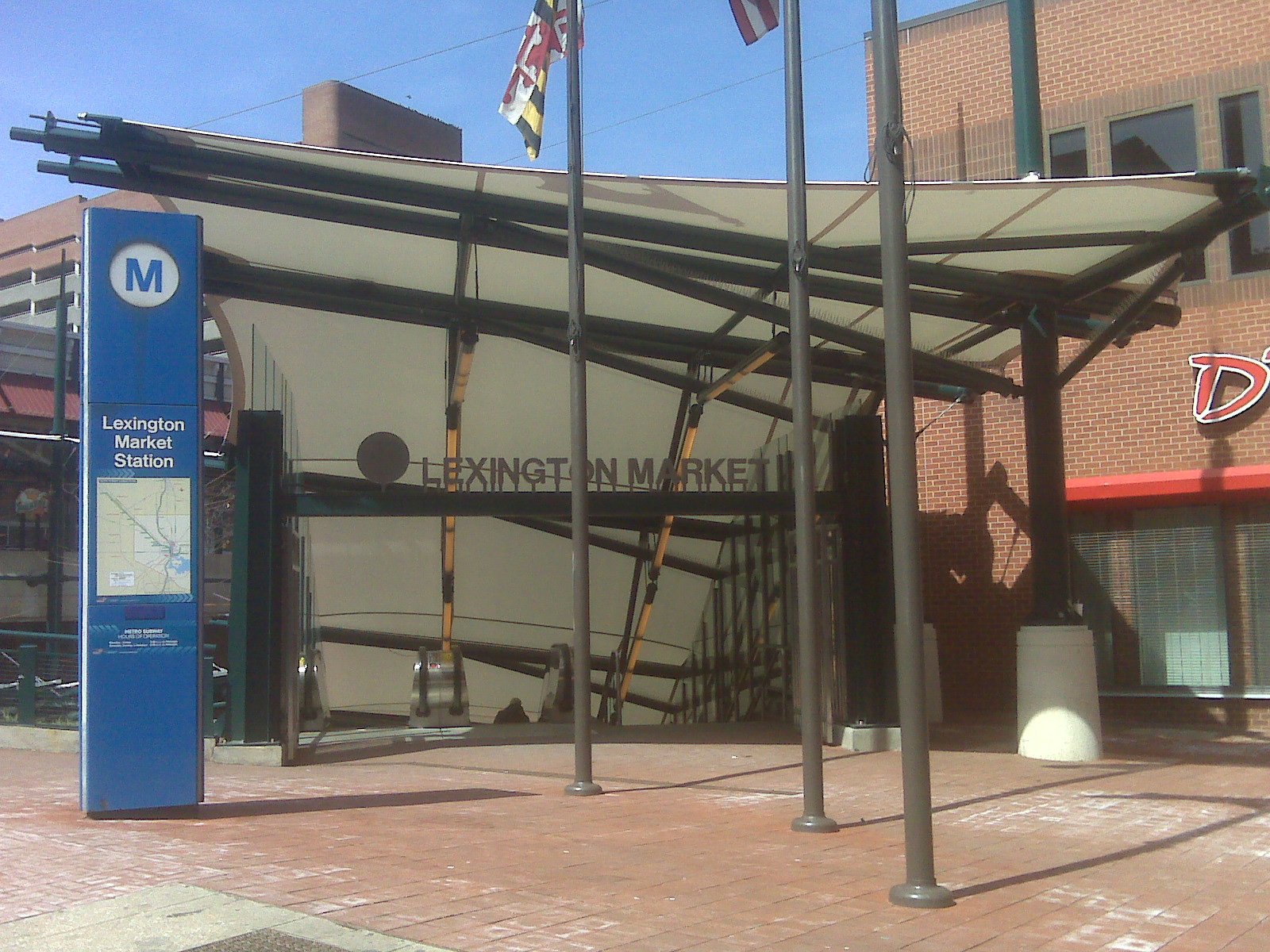
Lexington Market Station, Baltimore Public domain · Wikimedia Commons
On 2 July 2023 a Brooklyn Homes block party became a massacre — two dead, twenty-eight wounded. Scott condemned the gunmen, snapped at phone-first bystanders, and faced a city that can hold grief and politics in the same week. Mass-casualty nights are facts of harm. They are not automatic falsifications of a violence strategy, nor automatic proof of it.
Yet 2023 is also the year the annual homicide count finally breaks downward in a way City Hall can put on a chart — 262 — and the credit war begins in earnest. City Hall points to CVPP and GVRS. Analysts point to State's Attorney charging patterns, federal partnerships, and a national post-2020 decline. Spec hygiene records the count, the massacre, and the competing attributions without collapsing them.
Primaries include BPD incident reporting on Brooklyn Homes, the annual homicide tally as published, and contemporaneous statements from Scott, BPD, and prosecutors. Secondary causal essays are labeled analysis. Allegation that Scott ordered anyone not to prosecute must show a document — rivalry with Ivan Bates later makes that a live contested claim, not a settled finding here.
Without Brooklyn Homes, the 2023 drop risks looking like a smooth curve. With only Brooklyn Homes, readers miss that the annual total still fell. Cross-link critical-path step eleven. Keep national-wave and prosecutors-and-feds theories mapped onto the same year so "strategy worked" cannot monopolize the calendar.
Uniform evidence: victims and families are not props for either campaign. Phone-first bystander scolding is a rhetoric act to note; it does not measure GVRS fidelity. Contested credit claims need microdata and timing, not vibes.
Hold grief and the bend together. The next chapters add vacants and cash pilots, then a bridge collapse that changes who will listen — not who invented the homicide trend.
Chapter 9: Vacants, cash pilots, inherited scars
Vacant housing / development climate Guide documentary pool · as credited
Alongside the violence file sit tax-sale relief for owner-occupants, ARPA-funded homelessness work, a guaranteed-income pilot for young parents, and a December 2023 proposal framed around roughly eight billion dollars of vacant-housing ambition. Development politics do not vanish when the homicide chart improves. Spec hygiene keeps housing instruments labeled housing — adjacent to public safety, not identical to it.
Inherited scars matter: decades of vacancy, disinvestment, and prior administrations' deals. Scott neither created the vacant landscape nor dissolves it with a press conference. Primaries include board bills, ARPA allocations as published, and the vacant-housing proposal text. Secondary praise or scorn that treats a pilot as citywide transformation is labeled advocacy or critique.
Rival brand-over-substance cards lean hard here — ribbon cuttings without delivery. Rival strategy-worked cards sometimes over-claim housing as violence prevention without a measured path. Both still need the dated proposals and pilot scopes. Contested outcomes on vacancy reduction remain open on this file's spine.
Without the housing chapter, GVRS looks like the only tool. With only housing, readers miss that the credit war's loudest numbers are still homicide and shooting tallies. Cross-link timeline nodes for the guaranteed-income pilot and the vacant proposal. Keep equitable-development language from the second-term pillars in view without treating pillars as proof.
Allegation≠finding applies to corruption rumors around any development deal named in passing: this guide does not launder rumor into ledger. Where a specific case exists elsewhere on the site, link out; do not invent edges.
Hold the scars. March 2024 will put port steel in the water and national cameras on the mayor — a different kind of test than a vacant block.
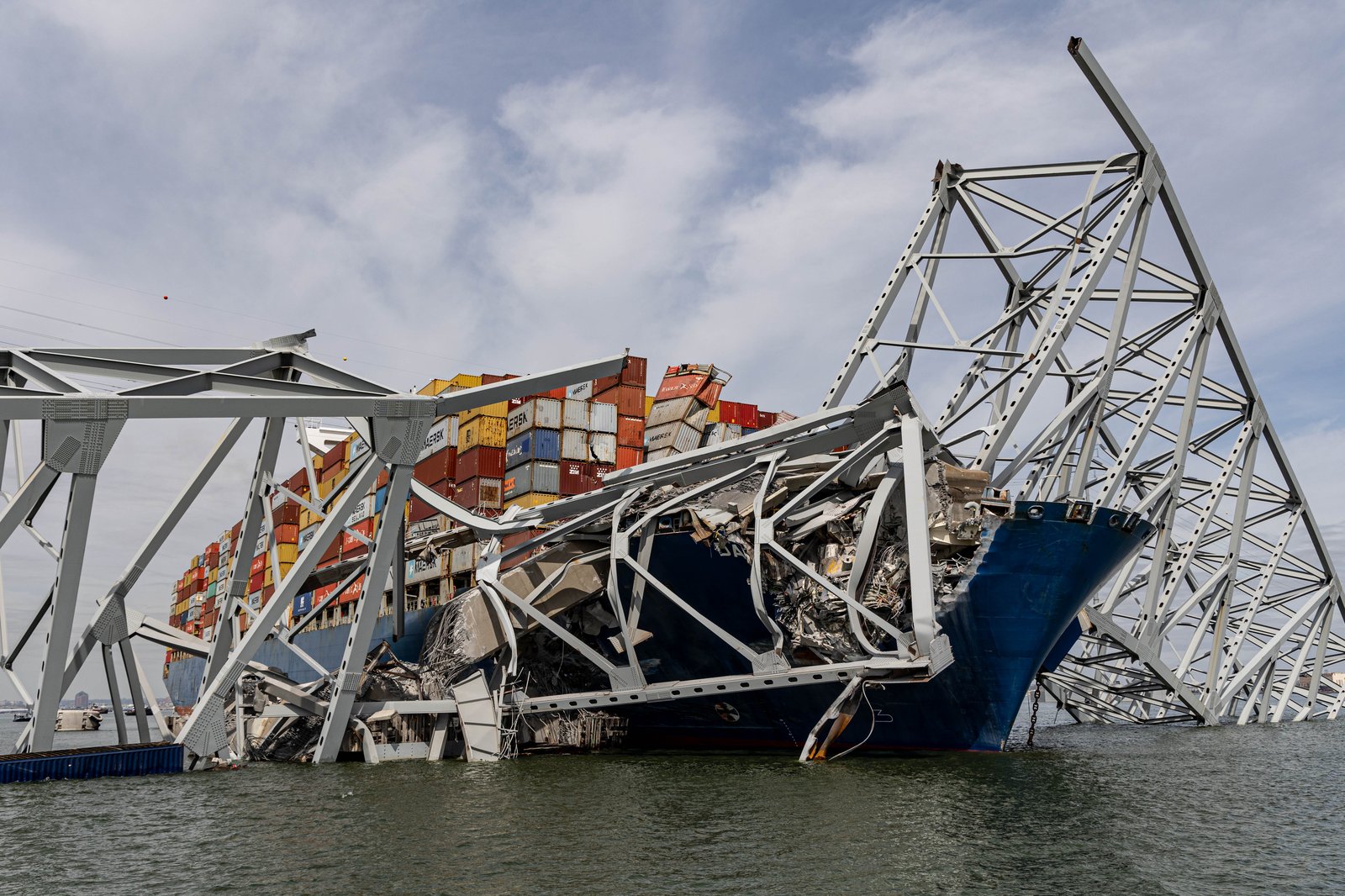
Chapter 10: The bridge
Key Bridge collapse memorial CC BY 4.0 · Wikimedia Commons
On 26 March 2024 the Francis Scott Key Bridge was gone in minutes after the container ship Dali struck a pier. Scott issued a city state-of-emergency executive order, stood at press conferences insisting search-and-rescue came before rebuild talk, and described the scene as unthinkable — "something out of an action movie" — while asking outlets not to loop traumatizing video. Those are contemporaneous public acts under a mass-casualty event.
National cameras arrived; racist sludge arrived with them. Polls that had shown him vulnerable bounced in some public surveys afterward. Spec hygiene separates three sticks: the collapse as maritime disaster, the emergency-order paper, and the political-credit claim that bridge leadership caused later electoral or crime outcomes. The bridge does not invent the homicide trend — but it changes who is willing to hear him describe it.
Primaries include the 26 March 2024 executive order text, on-the-record press conferences and NPR/CNN interviews that day, and federal partnership statements (Transportation Secretary Buttigieg and White House outreach as publicly described). NTSB and Coast Guard investigative lanes belong to the disaster record; this mayor file does not retry the ship.
Without the emergency order, "he led" is only vibes. Without the refusal to pivot to rebuild optics while people were still in the water, the moral theater claim lacks his own words. Cross-link critical-path step twelve. Keep port-economy aftermath visible as city interest without converting Scott into the federal rebuilding authority he was not.
Contested credit: allies treat the week as proof of steadiness; rivals treat national sympathy as unearned armor. Both must still account for the order, the joint pressers, and the death toll of the roadway workers. Culture-war piñata theory also starts here in earnest as national actors fold Baltimore into crime rhetoric unrelated to a bridge pier.
Hold the wreckage as wreckage. Rematch politics resume within weeks — Bates endorses Dixon; Scott has to win a primary with grief still in the harbor.
Chapter 11: Rematch
Personal / family chapter climate Guide documentary pool · as credited
Sheila Dixon tried again. State's Attorney Ivan Bates endorsed her, saying Scott would not fight quality-of-life crime the way Bates would. Police Commissioner Richard Worley publicly denied that Scott had ordered officers not to write citations — a denial that matters because the allegation was political oxygen. Allegation≠finding: endorsement rhetoric is not a court finding about a secret order.
On 14 May 2024 Scott won the Democratic primary by roughly ten points. Dixon conceded. In November he buried Republican Shannon Wright with about eighty-two percent and became the first Baltimore mayor in twenty years to win a second consecutive term. Margins are election facts; they are not peer-reviewed proof of GVRS.
Primaries include Board of Elections canvass figures, Bates's endorsement statements, Worley's denial, and Dixon's concession. Secondary narratives that treat the bridge as the sole cause of the ten-point primary margin are labeled analysis. The homicide chart's improvement was already public before May; voters' weighting of bridge vs. crime vs. machine memory stays inferred, not measured here.
Without rematch, second-term pillars have no mandate story. Without Bates's feud in the frame, later shared risers at crime celebrations look falsely unanimous. Cross-link critical-path steps thirteen and fourteen. Keep Hana Pugh engagement/marriage timeline as personal biography adjacent to the campaign, not as policy evidence.
Rival soft-on-crime cards must account for Worley's denial and the primary math. Rival strategy-worked cards must not treat eighty-two percent as a referendum solely on focused deterrence. Contested quality-of-life enforcement claims remain open where microdata are thin.
Hold the rematch as politics under a disaster shadow. Consent-decree compliance and youth-spend pillars fill the governing inbox the election did not empty.
Chapter 12: Consent decree in the room
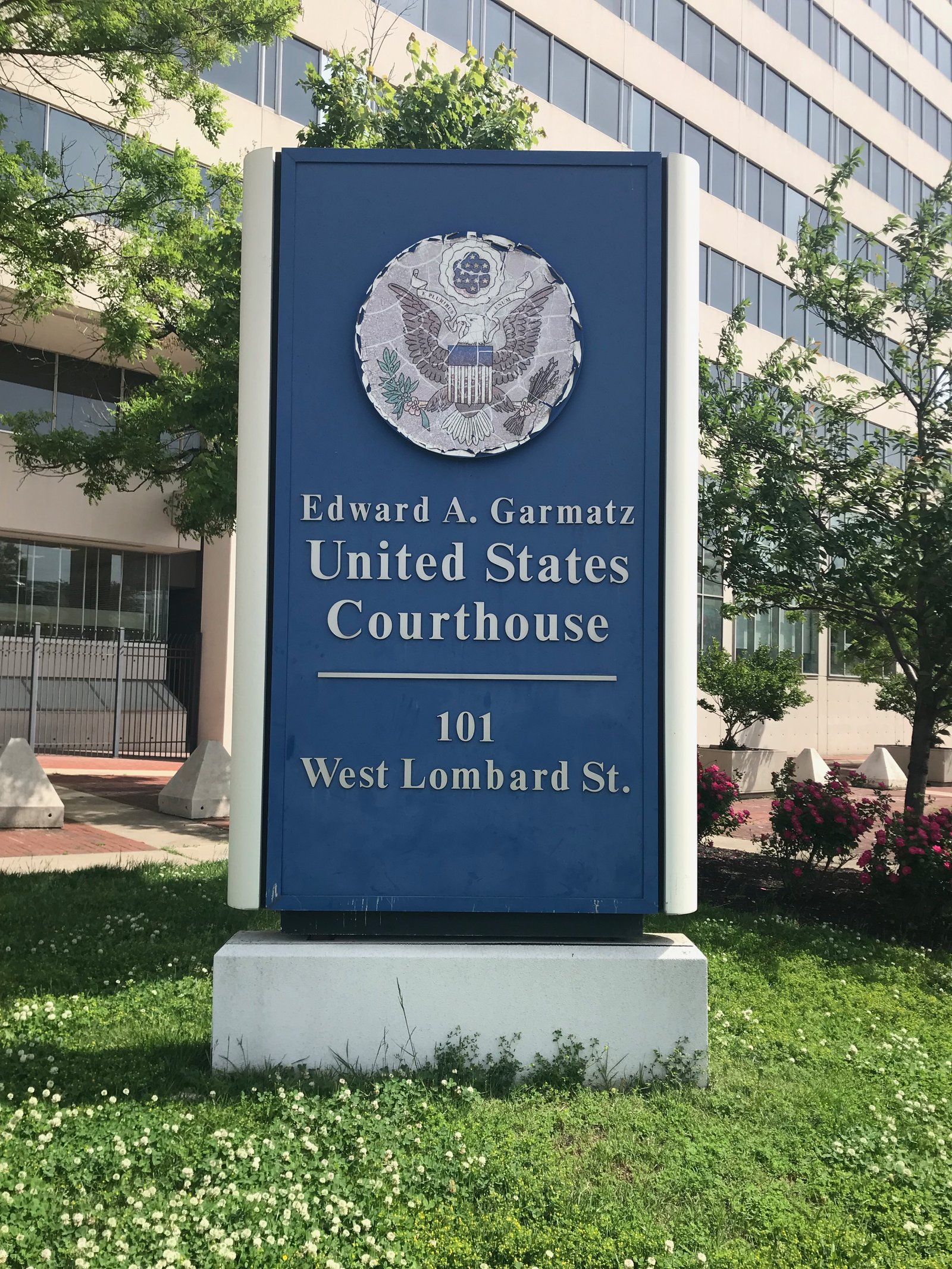
Courthouse / consent-decree climate Guide documentary pool · as credited
Every budget speech happens under a 2017 federal consent decree born from Freddie Gray–era Justice Department findings. Monitor costs, staffing expectations, and use-of-force metrics sit in the room when Scott talks public safety. He says he is committed to the reforms. City scorecards claim rising compliance beside falling use-of-force complaints. Skeptics call the decree handcuffs; reformers call it the floor.
Spec hygiene keeps consent decree ≠ mayor invention. Scott inherited the decree's obligations; he did not litigate the original findings. Primaries include the decree docket, monitor reports as published, and city compliance scorecards. Secondary culture-war claims that the decree alone caused or prevented the homicide drop are labeled theory — map them to the t-decree-bind card.
Without the decree hinge, GVRS partnership with BPD looks unconstrained. With only the decree, readers miss focused-deterrence choices inside the constraint. Cross-link theory cards for decree-bind and soft-on-crime. Evaluation literature that finds flat overall arrests beside rising serious-violence arrests in the Western District is relevant climate — still research, not a judicial finding that the decree was "beaten."
Uniform evidence: federal monitors and local politicians get the same document standard. Denials that the decree exists fail; claims that it makes electoral politics irrelevant also fail. Contested staffing and overtime fights belong in entries with sources, not in slogans.
Hold the room. Second-term youth and clean-community pillars will be sold as complements to constitutional policing — complements that still need budgets and building permits.
This chapter's job is to keep the federal floor visible whenever someone pretends Baltimore's 2023–2025 curve happened in a vacuum of unconstrained stop-and-frisk nostalgia or unconstrained abolition. The path runs through a monitored department either way.
Chapter 13: Youth spend and the second-term pillars
Youth / schools investment climate Guide documentary pool · as credited
City biographies list new and renovated schools and recreation centers among youth investments; the April 2024 CVPP biennial update added an explicit Youth Justice pillar. Five pillars — public safety, youth, clean communities, equitable development, stewardship — frame the second term. Pillars are outlines. They are not proof of delivery.
Spec hygiene separates announced capital work from completed ribbon cuttings and from causal claims about homicide. Primaries include the CVPP update PDF, capital budget lines as published, and dated facility openings where documented. Secondary praise that treats a rec center as a violence vaccine is labeled advocacy.
Rival brand-over-substance cards are strongest when openings slip or when clean-communities metrics lag the press release. Rival strategy-worked cards sometimes smuggle youth spend into GVRS's win column without a measurement path. Both still need the update document and the budget artifacts.
Without the pillars chapter, second-term governance looks like crime charts only. With only pillars, readers miss that the loudest national fight remains the homicide number and Trump-era crime rhetoric. Cross-link the April 2024 update node and youth-related entries. Keep MONSE and CVI ecosystem language precise — community violence intervention is a partner class, not a synonym for every after-school program.
Hold the outline honest. The next chapter teaches how to read the critical path so pillars and charts do not replace hinges.
Encyclopedia voice refuses process notes as visitor copy. If a facility date is unsettled, leave it open rather than invent a ribbon. Contested credit about who funded a school — city, state, or federal — should follow the funding line items when entries name them.
Chapter 14: Reading the critical path
Guide cover — GVRS, bridge, credit war Guide documentary pool · as credited
The critical path on this page is a yardstick, not a vibe checklist. It runs from a Park Heights childhood through MERVO and St. Mary's, the City Hall staff ladder, District 2, the Public Safety chair, council presidency and the violence-plan ordinance, the 2020 primary and oath, CVPP, Western District GVRS, the 2023 downward bend, Key Bridge emergency leadership, the 2024 rematch and second term, the rebuttal to national crime rhetoric, and the 2025 historic low. Remove a hinge and later branding weakens.
What a critical path is: the load-bearing chain of facts — objects, behaviors, documents, rulings, and person-acts — that any serious reading must handle. If a step is removed or shown false, later steps that depend on it need a replacement account of the same objects. Rival theories are welcome; erasures are not.
Read the sixteen steps in the path section for dates, sources, why-critical dependency language, and what rivals must account for. The numbered list in older blurbs was a map legend; the rich cards are the map. Jump to the path after this chapter if you came for the yardstick first — value-add after story is the Spec order, but the path is not optional chrome.
Epistemology labels stay glued on: indictment≠guilt where any charging language appears; evaluation≠verdict for Penn/NBER findings; allegation≠finding for Bates–Scott enforcement fights; campaign speech≠canvass. Primaries lead. Grokipedia is never a cite.
Without a taught path, theories become team jerseys. With only a path and no theories, readers miss how major camps remove or add steps. Cross-link Theories after Path. Memory of superseded beliefs — for example, that mid-300s were a permanent new normal — belongs on cards when documents moved the consensus.
Hold the yardstick. The next chapter states what each major theory needs before it can collect the city's chart as a trophy.
Chapter 15: What the theories need
Baltimore Inner Harbor night skyline CC BY-SA 3.0 · Wikimedia Commons
The public-health / strategy-worked theory needs causal identification, not only a pretty after chart — district timing, partnership mechanics, and evaluation estimates that survive alternative explanations. Prosecutors-and-feds needs microdata that outruns GVRS geography and shows charging or federal adoption as the dominant lever. National-wave needs Baltimore to track peer cities closely enough that residual gaps shrink.
Soft-on-crime progressive-capture theory needs evidence that Scott's choices systematically blocked enforcement in ways that explain the mid-300s and somehow also the later drop — a hard double claim. Consent-decree-bind theory needs to show the decree as destiny rather than constraint. Brand-over-substance needs delivery failures that swamp the homicide series. Culture-war piñata theory needs national actors' words and incentives, not only local hurt feelings.
Spec hygiene maps each theory onto the critical path: what it accepts, removes, adds, and must still explain. Denials and talking points from any camp are evidence to note, never automatic clearances. Uniform standards apply to Scott, Bates, Worley, Dixon, Hogan, Moore, and Trump alike when they enter the frame.
Primaries for theory mapping are the same path objects — CVPP, GVRS launch, tallies, emergency order, canvass, evaluation PDFs — plus each camp's own published claims. Secondary punditry is labeled commentary. No CNN-hedge: if the asked claim is whether GVRS contributed in the Western District, do not answer by changing the subject to whether Scott is nationally popular.
Without theory cards, the guide becomes a mayoral brochure. With only theory cards, it becomes a cable panel. Cross-link Path ↔ Theories. Keep open questions for the chapter that follows the 133 celebration.
Hold the needs list. A theory that cannot price Brooklyn Homes, the Western District launch date, and the 2025 NIBRS footnote does not yet deserve the whole chart.
Chapter 16: 133, with a footnote
Port of Baltimore pier Public domain · Wikimedia Commons
City and joint statements put 2025 at 133 homicides — fewest in nearly fifty years — and attach a NIBRS reclassification note so nobody treats every decimal as metaphysically pure. Non-fatal shootings and juvenile victim counts fell sharply on the city's published series; BPD reported large firearm and ghost-gun seizure totals in the same announcements. Spec hygiene keeps celebration and footnote glued together.
Scott stood with Worley, Mavronis, Bates, members of Congress, and state leaders — proof that the credit war can share a riser and still resume after the cameras leave. Shared stages are political facts. They are not signed causal settlements among the people on the stage.
Primaries include the January 5, 2026 historic-crime celebration materials, city press releases on 2025 totals, and the NIBRS methodology note as published. Penn/NBER evaluation and city amplification of a ~60% decline from the early-2020s peak sit beside the tally as research and messaging — labeled as such. Rivals may still argue national mean reversion; they must still price Baltimore's residual gap claims.
Without the footnote, 133 becomes a fetish number. Without the shared riser, readers miss that Bates can criticize and celebrate in the same political system. Cross-link critical-path steps fifteen and sixteen. Keep Trump-era Guard-threat rhetoric from August–September 2025 on the timeline as national climate Scott publicly rebutted — rebuttal≠refutation of every underlying crime statistic dispute.
Contested credit remains open at the margin even when the direction of the curve is not. Strategy-worked voices over-claim if they erase prosecutors and national trends; national-wave voices over-claim if they erase district-level evaluation timing.
Hold 133 as a published city tally with a methods asterisk. What remains open is listed next — the honest unfinished business of this file.
Chapter 17: What remains open
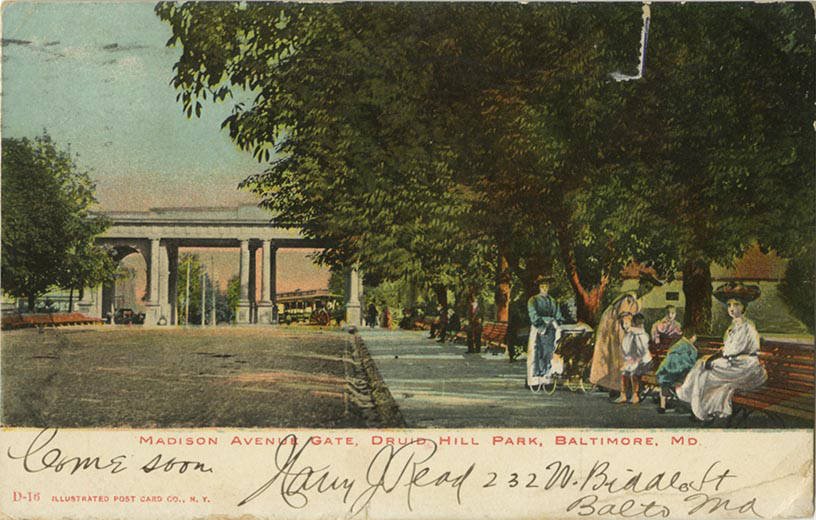
Madison Avenue Gate, Druid Hill Park Public domain · Wikimedia Commons
How much of the drop is GVRS versus prosecutors versus national mean reversion remains a live measurement fight even after Penn/NBER estimates. Whether any written order ever touched Bates's citation complaints remains allegation unless a document appears. How durable vacant reduction and youth capital delivery will be remains a future ledger. Consent-decree staffing sufficiency remains monitored, not vibed.
Spec hygiene prefers open doors to fake locks. Primaries that would close each question are named on path cards and in entries: person-level evaluation expansions, internal memos if they surface, capital audits, monitor reports. Secondary certainty from cable or social media is labeled noise.
Rival theories that declare the case closed without those objects fail the must-account tests. Rival theories that refuse to update when Western District estimates and citywide synthetic-control gaps arrive also fail. Memory tracks when mid-300s forever talk got revised by 2023–2025 tallies without pretending revision equals saint-making.
Without an open-questions chapter, A-minus deep guides rot into victory lap. With only open questions, readers miss what is already documented. Cross-link Claims and Entries for CVPP, GVRS, Bates feud, Key Bridge night, and Trump crime attacks.
Hold the opens. The through-line chapter next refuses to cartoon the Park Heights kid and the second-term mayor into one sticker.
Ukraine-war content stays off this site; national crime rhetoric appears here only as it targets Baltimore's chart and Scott's rebuttal. Sibling trump-* nests and the Brandon Scott hub Bio/SNA are pointers, not rebuilds.
Open does not mean empty. The maintained record already prices Western District launch timing, CVPP paper, emergency-order text, canvass figures, and published tallies with a NIBRS asterisk. What stays open is causal share and durability — the difference between a documented bend and a finished scientific settlement.
If new monitor reports, person-level evaluations, or internal memos appear, they should attach to the matching path cards rather than rewrite the story into a stump speech. Until then, refuse both premature trophy and premature erasure.
Chapter 18: Son of Baltimore, second term
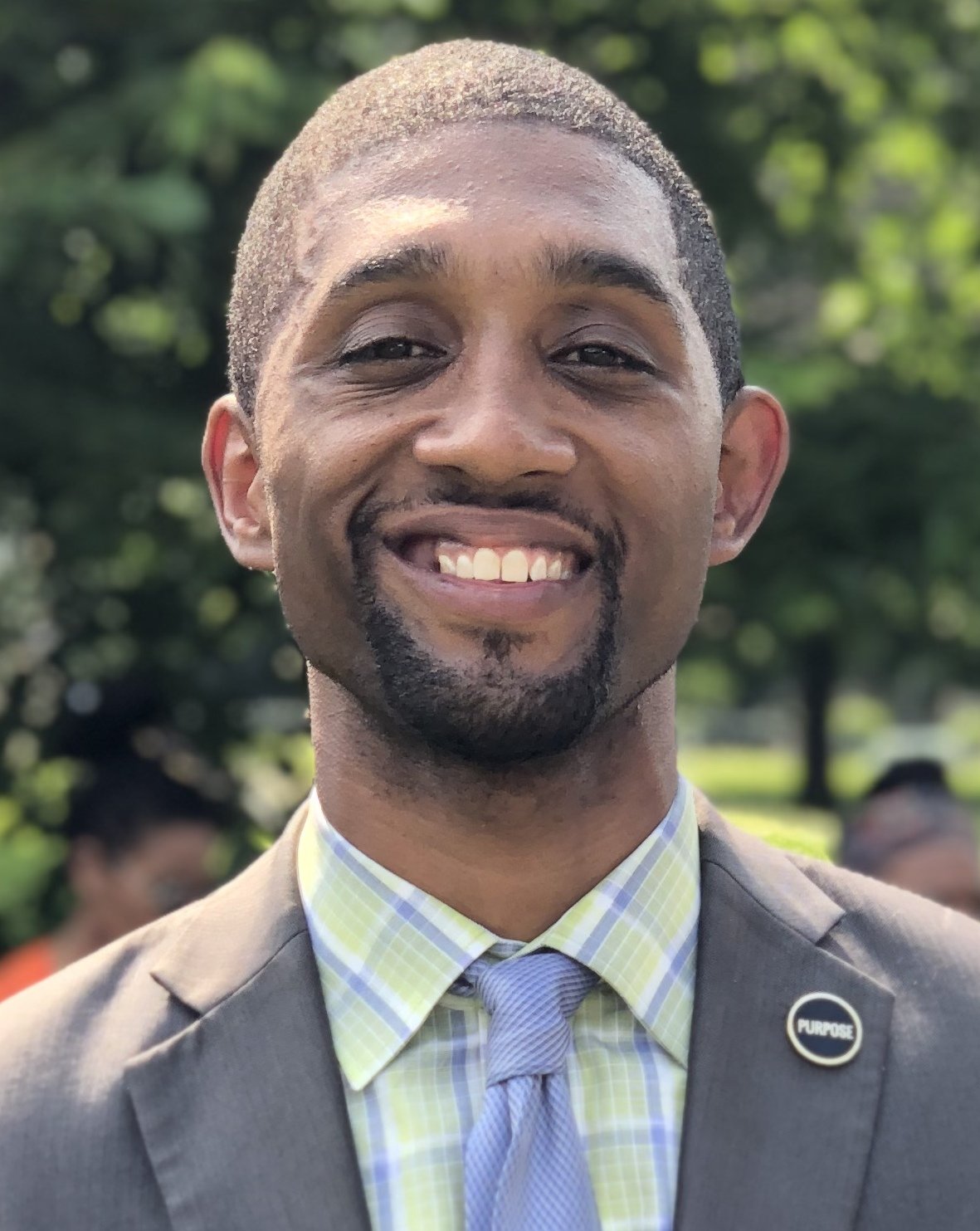
Mayor Brandon M. Scott portrait climate Guide documentary pool · as credited
The honest through-line is continuous. The Park Heights kid, the Public Safety chair, the pandemic mayor who missed early homicide targets, the Western District GVRS partner, the bridge-night executive-order voice, and the reelected mayor claiming a historic low are the same career — not a reboot. This guide does not collapse those chapters into one cartoon. It orders them.
Son of Baltimore is a brand and a biography. Spec hygiene allows the phrase in quoted politics while still demanding path objects underneath. Second term is an election fact from November 2024. Neither phrase settles attribution for 133.
Primaries remain the oath dates, canvass figures, CVPP/GVRS documents, emergency order, and tallies. Profile soft detail about family — engagement to Hana Pugh, marriage, children — stays personal biography unless a conflict-of-interest document lands. No AI portrait substitution; free-licensed documentary plates only.
Without continuity, credit war becomes personality cult or erasure. With only continuity, hard evaluation gets skipped. Cross-link People for the cast around the chair. Keep culture-war piñata moments tied to dated Trump statements rather than eternal essence.
Hold the person as a path walker. Allies, rivals, and institutional partners fill the next chapter because a mayor file without the cast is a press release.
Provenance stays Grok Bot · high · Spec v7. The hub at /files/brandon-scott/ remains the collection gateway; this deep file remains the maintained record for GVRS, the bridge, and the credit war.
Second-term continuity also means the same contested partners remain in frame: MONSE, BPD under the decree, the State's Attorney's office, CVI workers, and state and federal lanes. A son-of-Baltimore brand that erases those partners fails the same must-account tests as a national chyron that erases district evaluation.
Keep personal biography proportional. Marriage and children explain calendar texture; they do not measure shootings. The path still runs through documents and tallies, not through soft focus.
Chapter 19: Allies, rivals, the cast around the chair
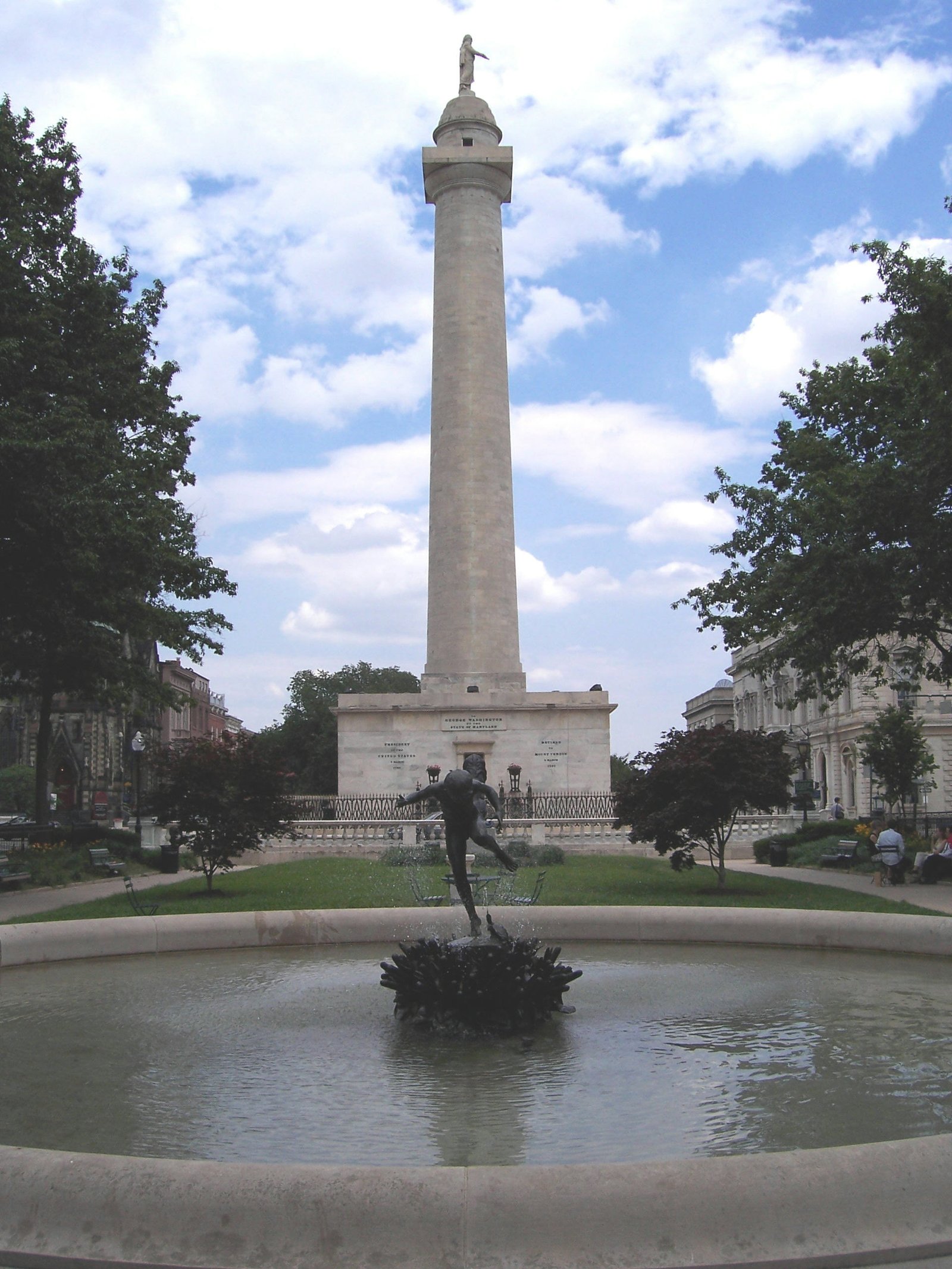
Baltimore Washington Monument CC BY-SA 3.0 · Wikimedia Commons
Dixon on the ballot twice. Bates sharing charts and withholding affection. Worley denying the order. Shea from ticket to solicitor. Pugh's scandal as stage furniture. Rawlings-Blake as the council president who employed the liaison. Young as the incumbent who collapsed in 2020. Moore and Hogan as governors in different keys. Trump as national antagonist on crime rhetoric. Cummings as admired elder in soft profile detail.
A mayor file without the cast is a press release. The People section is the roster — roles labeled, adjacency labeled, indictment≠guilt where anyone faces charges elsewhere. Spec hygiene refuses invented edges between this violence file and unrelated scandals.
Primaries for cast cards are offices held, dated endorsements, dated denials, and dated joint appearances. Secondary psychologizing about loyalty is labeled commentary. Contested claims about who drove the curve — MONSE's Stefanie Mavronis, BPD leadership including Michael Harrison then Richard Worley, federal partners, CVI workers — belong as multi-actor attribution, not single-hero mythology.
Without the cast chapter, GVRS looks like a mayoral monologue. With only personalities, documents disappear. Cross-link People and Theories. Keep federal monitor Judge Bredar's lane labeled judicial supervision, not mayoral staff.
Hold the roster. The final chapter tells readers how to move through story, path, theories, and entries without confusing a celebration riser for a completed causal proof.
Uniform evidence: the same conduct standards apply across the cast. Denials are noted; they do not auto-clear. Applause lines are noted; they do not auto-prove.
When the cast shares a riser at a historic-low celebration and then returns to primary-season knives, file both acts. Coalition photography is not a causal co-author list; feud rhetoric is not a secret order. The roster exists so readers can watch incentives without inventing a single puppet master.
Cross-check People cards against path sources before accepting any viral claim about who "really" ran GVRS. Titles and joint statements are primary; anonymous score-settling is not.
Chapter 20: How to use this file
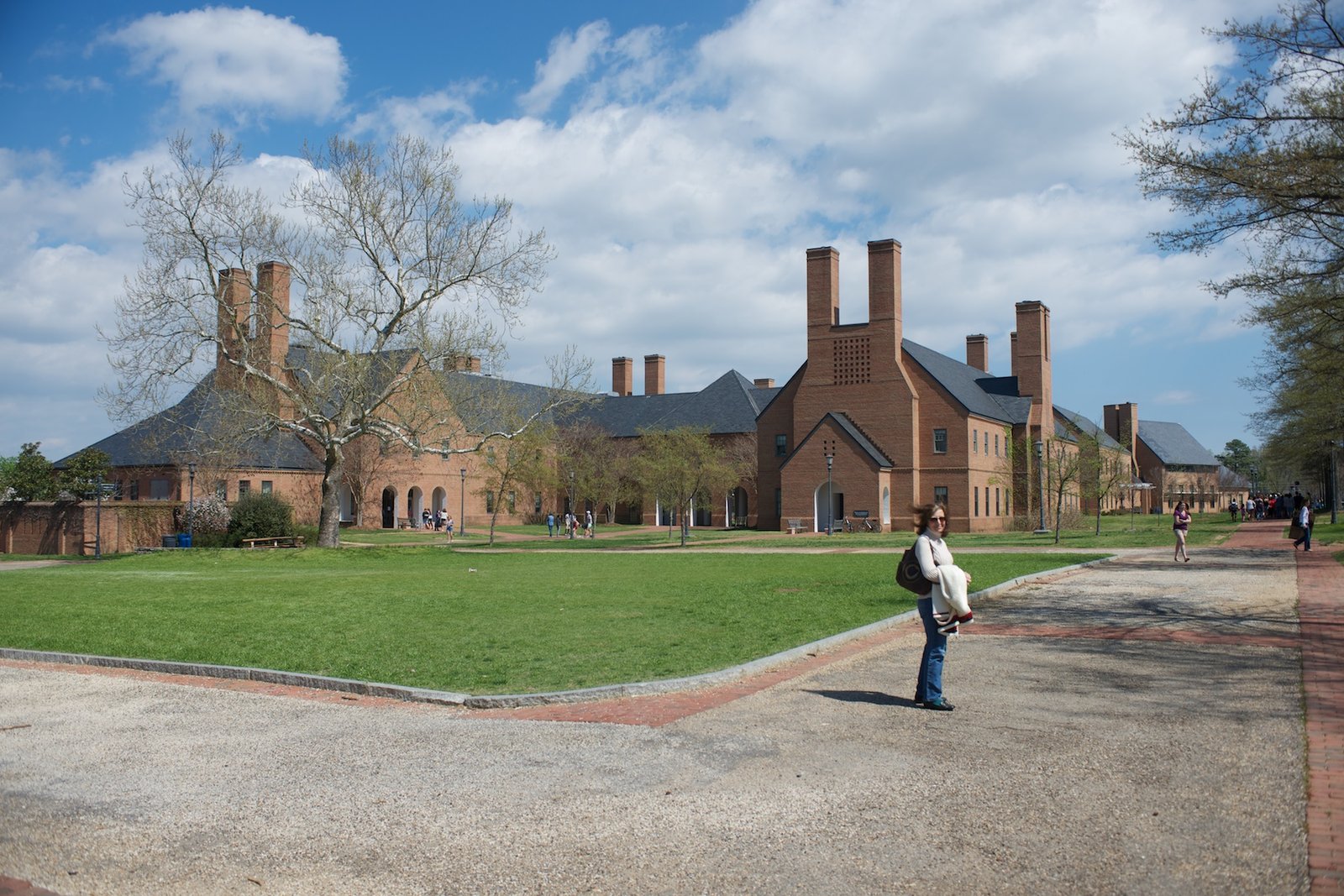
St. Mary's College of Maryland campus climate Wikimedia Commons · as credited
Start with the story chapters you just scrolled — full narrative beside photographs, not a separate click-through book. Check the critical path next: why each hinge is load-bearing, what falls if it is removed, what rivals must account for, and which sources pin it. Then read theory genealogy and rival mapping before treating Explore chrome as the main event.
Open entries for CVPP, GVRS, the credit debate, the Bates feud, Key Bridge night, and the 2025 tally footnote. Use the visual timeline graph above the list timeline to jump eras. READING.html is the long-read edition of the same spine for offline prose. Media links include primary video where the spine warrants it — labeled primary versus commentary.
Epistemology on every door: primaries first; contested credit labeled; evaluation research labeled research; allegation≠finding; no Grokipedia cite; no chat or Form text as visitor copy. Shared fonts from /assets/fonts/; images on image1.theaifiles.fun for this slug. Spec v7 stamps and Grok Bot · high provenance sit in the footer.
Untouched on purpose: the /files/brandon-scott/ hub Bio/SNA already at A-, other sibling Form items, Watergate Sample, Builder, and AdSense. This tip deepens one deep guide. Collections roll up child grades; they are not rebuilt here.
If you arrived with a team jersey — strategy-worked, prosecutors-did-it, national-wave, soft-on-crime, decree-bind, brand, or culture-war — make the jersey survive the path cards. If it cannot, revise the jersey. That is the use of the file.
Hold the method. Baltimore's dead deserve counting that does not lie and credit that does not erase partners. The maintained record is the chain between those duties.
Park Heights to City Hall staff 1984–2011
Park Heights formation
Birth, school, family.
Born in Baltimore, raised in Park Heights
Record · Documented
Park Heights, Baltimore Famartin · CC BY-SA 4.0
April 8, 1984 — a Black Baltimore childhood in a disinvested northwest neighborhood that later anchors his political brand.
Brandon Maurice Scott was born in Baltimore on 8 April 1984 and grew up in Park Heights. [1][2]
Profiles describe watching disinvestment and gun violence shape the 'Son of Baltimore' framing, with Congressman Elijah Cummings as a childhood role model. [3][2]
Bottom line Documented
Park Heights is the authenticating geography of almost every Scott origin story.
What the record can’t settle
Intimate family details beyond public soft profiles are not pursued here.
Mayor Brandon M. Scott (Baltimore City) City biography: Park Heights, youngest mayor in over a century, 2024 reelection first in 20 years, CVPP/violence reductions, schools/rec/housing claims, Hana and children, Westfield residence.
Mergenthaler Vocational-Technical High School (2002), then a B.A. from St. Mary's College of Maryland (2006).
Scott ran track and cross country at MERVO and graduated in 2002. [2][1]
He earned a political-science degree from St. Mary's College of Maryland in 2006, then briefly worked as a site program specialist for Big Brothers & Big Sisters of Central Maryland. [1]
Bottom line Documented
The education path is consistent across the Maryland Manual and city biography.
Brandon Scott (Wikipedia) Secondary synthesis with citations to Sun/Banner/Maryland Matters/SBE. Use as index; prefer primary/news cites below for contested claims.
2007–2011 staff roles under Council President Stephanie Rawlings-Blake and in the mayor's neighborhoods office.
Scott was Community Outreach Liaison to Northeast Baltimore for Council President Stephanie Rawlings-Blake (2007–10), then a Neighborhood Liaison in the Mayor's Office of Neighborhoods (2010–11), and a Recreation Neighborhood Specialist. [1]
He also sat on the 2014–15 body-worn-camera working group — an early public-safety portfolio foothold. [1]
Bottom line Documented
The staff ladder is the documented bridge from campus to the council ballot.
What the record can’t settle
Internal performance evaluations from those jobs are not public here.
family https://pixabay.com/fr/users/ClkerFreeVectorImages-3736/ · CC0
Engaged Christmas 2023; married August 2024; growing young family during the second-term campaign.
Scott became engaged to Hana Pugh on 25 December 2023; their first child arrived the next day. [2][4]
They married on 11 August 2024; a second child, a daughter, was born 8 March 2025. The city biography lists children Ceron, Charm and Camden and a Westfield / Northeast Baltimore home. [1][3]
Bottom line Documented
Family milestones are on the local-news record; they are not a scandal thread.
What the record can’t settle
Private family finances are out of scope.
Sources
Mayor Brandon M. Scott (Baltimore City) City biography: Park Heights, youngest mayor in over a century, 2024 reelection first in 20 years, CVPP/violence reductions, schools/rec/housing claims, Hana and children, Westfield residence.
Brandon Scott (Wikipedia) Secondary synthesis with citations to Sun/Banner/Maryland Matters/SBE. Use as index; prefer primary/news cites below for contested claims.
Brandon Scott (Wikipedia) Secondary synthesis with citations to Sun/Banner/Maryland Matters/SBE. Use as index; prefer primary/news cites below for contested claims.
Brandon Scott (Wikipedia) Secondary synthesis with citations to Sun/Banner/Maryland Matters/SBE. Use as index; prefer primary/news cites below for contested claims.
Mayor Brandon M. Scott (Baltimore City) City biography: Park Heights, youngest mayor in over a century, 2024 reelection first in 20 years, CVPP/violence reductions, schools/rec/housing claims, Hana and children, Westfield residence.
Brandon Scott (Wikipedia) Secondary synthesis with citations to Sun/Banner/Maryland Matters/SBE. Use as index; prefer primary/news cites below for contested claims.
Early 2018 open-data policy; votes against aerial surveillance; 2020 budget cut from BPD.
Reporting credits Scott with an open-data ordinance and with opposing BPD's aerial surveillance program while on the council. [1][2]
In 2020 he helped lead an approximately $22.4 million cut from the police budget — half described as unallocated funds — a marker of the progressive lane before he governed. [3][1]
Bottom line Reported
The oversight/defund-adjacent record is real; later budgets complicate the cartoon.
What the record can’t settle
Dollar figures come from contemporaneous press, not a re-audit of the budget book.
Sources
Brandon Scott (Wikipedia) Secondary synthesis with citations to Sun/Banner/Maryland Matters/SBE. Use as index; prefer primary/news cites below for contested claims.
Brandon Scott (Wikipedia) Secondary synthesis with citations to Sun/Banner/Maryland Matters/SBE. Use as index; prefer primary/news cites below for contested claims.
Pugh resigns; Young becomes mayor; Scott becomes president
Record · Documented
Baltimore City Hall Wikimedia Commons · CC BY 2.0
May 2019 cascade after the Healthy Holly scandal emptied the mayor's chair.
When Mayor Catherine Pugh resigned amid the Healthy Holly book scheme, Council President Jack Young became mayor; on 6 May 2019 the council unanimously elected Scott to finish Young's presidential term. [1][2]
Scott held the presidency until 8 December 2020. [2]
Bottom line Documented
Scott did not invent the vacancy — he filled the chair the scandal opened.
What the record can’t settle
Pugh's federal case is background, not re-litigated here.
Brandon Scott (Wikipedia) Secondary synthesis with citations to Sun/Banner/Maryland Matters/SBE. Use as index; prefer primary/news cites below for contested claims.
Ordinance requiring a biennial violence-prevention plan
Record · Documented
police Elvert Barnes · CC BY-SA 2.0
Council President Scott's ordinance 20-364B forced City Hall to write a public-health anti-violence plan.
Baltimore's Biennial Comprehensive Violence Prevention Plan Ordinance directed the mayor to produce a trauma-informed, public-health anti-violence plan on a two-year cycle. [1]
That legal hook is why the June 2021 CVPP and April 2024 biennial update exist as formal city documents rather than optional white papers. [1]
Bottom line Documented
The ordinance is the procedural parent of Scott's signature mayoral strategy.
What the record can’t settle
Full ordinance text is not reproduced; city PR summarizes the mandate.
Council President Scott opened the 2020 mayor's race in his childhood neighborhood.
On 13 September 2019 Scott announced for mayor at a Park Heights press conference — geography as biography. [1][2]
Bottom line Documented
The launch site telegraphed the authenticity argument he would run for a decade.
What the record can’t settle
Full speech transcript not mirrored here.
Sources
Brandon Scott (Wikipedia) Secondary synthesis with citations to Sun/Banner/Maryland Matters/SBE. Use as index; prefer primary/news cites below for contested claims.
Mayor Brandon M. Scott (Baltimore City) City biography: Park Heights, youngest mayor in over a century, 2024 reelection first in 20 years, CVPP/violence reductions, schools/rec/housing claims, Hana and children, Westfield residence.
2020 Democratic primary: Scott over Dixon and Young
Record · Documented
Ballot box Jami430 · CC BY-SA 4.0
29.6% in a fractured field — enough to become the prohibitive November favorite.
Official results: Brandon Scott 43,927 (29.6%), Sheila Dixon 40,782 (27.5%), Mary Miller 15.6%, Thiru Vignarajah 11.5%, incumbent Jack Young 6.2%. [1][2]
Press cast Scott as the more progressive alternative to Young in a post–George Floyd moment. [3]
Bottom line Documented
The plurality primary is the real contest in deep-blue Baltimore.
What the record can’t settle
Turnout explanations beyond the certified tally are interpretive.
Brandon Scott (Wikipedia) Secondary synthesis with citations to Sun/Banner/Maryland Matters/SBE. Use as index; prefer primary/news cites below for contested claims.
Roughly 51% to 41% — with State's Attorney Ivan Bates in Dixon's corner.
Scott defeated Sheila Dixon in the 14 May 2024 Democratic primary; Dixon conceded around 41% to Scott's ~51%. [1][2]
Bates endorsed Dixon, arguing a quality-of-life enforcement gap; Police Commissioner Richard Worley denied any mayoral order to starve Bates's citation docket. [3][4][5]
Bottom line Documented
The rematch tested whether homicide declines plus Key Bridge visibility outweighed constituent-service gripes.
What the record can’t settle
Precinct racial geography analyses are summarized in secondary sources, not re-mapped here.
Mayor Brandon M. Scott (Baltimore City) City biography: Park Heights, youngest mayor in over a century, 2024 reelection first in 20 years, CVPP/violence reductions, schools/rec/housing claims, Hana and children, Westfield residence.
Democratic National Convention delegate, 2020 and 2024
Record · Documented
Ballot box Jami430 · CC BY-SA 4.0
National party credentials alongside local office.
The Maryland Manual lists Scott as a Democratic National Convention delegate in 2020 and 2024 (pledged to Harris in 2024 per secondary reporting). [1][2]
Bottom line Documented
National delegate status is documented; it is not a Baltimore governing act.
Brandon Scott (Wikipedia) Secondary synthesis with citations to Sun/Banner/Maryland Matters/SBE. Use as index; prefer primary/news cites below for contested claims.
Capacity caps the night he was sworn in; later mask cycles and a public spat with Governor Hogan.
Scott's first-day order tightened restaurant and retail capacity as hospitals filled. [1]
In March 2021 he publicly clashed with Gov. Larry Hogan over vaccine doses reserved for city mass sites; each accused the other of misstating health-department requests. [2]
Scott tested positive for COVID-19 on 4 October 2021 and returned after a negative test. [1]
Bottom line Documented
Pandemic governance is part of the early mayoral record, not a side quest.
What the record can’t settle
Infection curves are not re-charted here.
Sources
Brandon Scott (Wikipedia) Secondary synthesis with citations to Sun/Banner/Maryland Matters/SBE. Use as index; prefer primary/news cites below for contested claims.
From budget cut politics to police budget increases
Record · Contested
police Elvert Barnes · CC BY-SA 2.0
The Trace captured the bind: progressive brand, consent-decree costs, rising sworn-budget lines.
Candidate/nominee Scott was associated with the 2020 ~$22M BPD cut; Mayor Scott's first budgets increased police spending, drawing taxpayer-night anger. [1][2]
Scott said reimagining public safety would take years, not one budget cycle, and cited pension/healthcare drivers. [1]
Bottom line Contested
Both facts can be true: he cut before, then funded after — the fight is over which identity governs.
What the record can’t settle
Line-item forensic budget analysis is beyond this guide's scope.
Brandon Scott (Wikipedia) Secondary synthesis with citations to Sun/Banner/Maryland Matters/SBE. Use as index; prefer primary/news cites below for contested claims.
No personal federal corruption indictment in this research pass
Record · Documented
Baltimore City Hall Wikimedia Commons · CC BY 2.0
Unlike several recent Baltimore executives, Scott's file here is policy conflict — not a charging document with his name as defendant.
Pugh went to federal prison; Dixon left over a state plea; this research pass found election fights, strategy debates, and national culture-war pressure — not a USA v. Brandon Scott indictment. [1][2]
Bottom line Documented
Absence of indictment is not proof of purity; it is a scoped research finding.
Public safety, youth, clean/healthy communities, equitable development, stewardship — the city bio frame.
The city biography says five pillars guide the second term: building public safety, prioritizing youth, clean and healthy communities, equitable neighborhood development, and responsible stewardship. [1]
Bottom line Reported
Pillars are communications architecture; entries below test the load-bearing beams.
What the record can’t settle
Self-authored framing.
Sources
Mayor Brandon M. Scott (Baltimore City) City biography: Park Heights, youngest mayor in over a century, 2024 reelection first in 20 years, CVPP/violence reductions, schools/rec/housing claims, Hana and children, Westfield residence.
City bio claims eleven new or renovated schools and four recreation centers among youth investments; the 2024 CVPP update added Youth Justice as a formal pillar. [1][2]
Bottom line Reported
Youth spend is central to Scott's 'root causes' rhetoric.
What the record can’t settle
Outcome metrics (graduation, victimization) need separate evaluation.
Sources
Mayor Brandon M. Scott (Baltimore City) City biography: Park Heights, youngest mayor in over a century, 2024 reelection first in 20 years, CVPP/violence reductions, schools/rec/housing claims, Hana and children, Westfield residence.
Transit politics: revive the killed east–west rail; reject the Baltimore–Washington maglev alignment.
Scott publicly worked to revive the Red Line canceled under Governor Hogan and in 2021 urged state planners to reject a maglev project. [1]
Bottom line Reported
Infrastructure positions are part of the equity-and-jobs brand.
What the record can’t settle
Engineering EISs are out of scope.
Sources
Brandon Scott (Wikipedia) Secondary synthesis with citations to Sun/Banner/Maryland Matters/SBE. Use as index; prefer primary/news cites below for contested claims.
Second-term mandate after twenty years of one-term mayors
Record · Documented
Baltimore City Hall Wikimedia Commons · CC BY 2.0
Breaking the Pugh/Young/one-and-done pattern matters for institutional memory.
City and Banner coverage stressed that Scott was the first Baltimore mayor in about twenty years to win a second term — ending a streak associated with scandal and interim chaos. [1][2]
Bottom line Documented
Continuity itself became a campaign argument.
What the record can’t settle
'Twenty years' is press shorthand anchored to O'Malley.
Mayor Brandon M. Scott (Baltimore City) City biography: Park Heights, youngest mayor in over a century, 2024 reelection first in 20 years, CVPP/violence reductions, schools/rec/housing claims, Hana and children, Westfield residence.
Baltimore's first formal public-health violence plan under the ordinance Scott championed as president.
Released 25 June 2021 after cross-agency and community input, the CVPP framed gun violence as a public-health epidemic needing trauma-informed intervention plus constitutional policing. [1]
The April 2024 biennial update added an explicit Youth Justice pillar and claimed a historic ~20% homicide drop in 2023. [1]
Bottom line Documented
CVPP is the written strategy the administration points to when homicide numbers fall.
What the record can’t settle
Whether the paper caused the drop is the contested leap — see theories.
Group Violence Reduction Strategy launches in the Western District
Record · Documented
police Elvert Barnes · CC BY-SA 2.0
January 2022 focused-deterrence model: identify the small group most likely to shoot or be shot, offer services, promise swift enforcement.
GVRS began in the Western District in January 2022 with weekly violence reviews, direct outreach, life coaching, and strategic policing. [1][2]
City materials later said the Western District saw a large early gun-violence decline and expanded the model to Southwestern, Central, Eastern and, by 2025 messaging, a majority of districts. [1][3]
Baltimore Brew's 2024 examination pressed on implementation quality and how 'services or else' reads on the street. [4]
Bottom line Documented
GVRS is real city policy with measurable geography — impact attribution remains debated.
What the record can’t settle
Participant-level outcome data beyond city tallies are thin in open sources used here.
Roughly 335→337→333 in 2020–22, then 262 (2023), 201 (2024), 133 (2025).
City and contemporaneous analyses place early-term annual homicides still above 300: about 335 (2020), 337 (2021), 333 (2022). [1][4]
2023 broke the pattern (262); 2024 reached 201; the January 2026 city release put 2025 at 133 — fewest in nearly fifty years — with a NIBRS reclassification footnote on historical counts. [2][3][4]
Scott's campaign promise of 15% annual cuts and sub-300 in year one was not met on the early calendar. [1]
Bottom line Documented
The downward series after 2022 is documented; the causal story is not settled.
What the record can’t settle
Always read the NIBRS footnote before treating year-to-year decimals as gospel.
City Hall says CVPP/GVRS; critics point to Bates, Barron, and a national fade in the summer spike.
FOX45's 2023 analysis noted the disappearance of the deadly summer spike coinciding with State's Attorney Ivan Bates's tenure and U.S. Attorney Erek Barron's violent-crime initiative, while City Hall insisted the strategy was planned from Scott's first months. [1]
Joint 2025 statements carefully thank BPD, interrupters, the AG and SA offices, and federal partners in one breath. [2][3]
Bottom line Contested
Credit is a political argument riding on top of a real statistical decline.
What the record can’t settle
No single regression on this page isolates mayor vs prosecutor vs national trend.
Two dead, twenty-eight wounded at a block party — a stress test for the Safe Streets narrative.
On 2 July 2023 a shooting in Brooklyn left at least two dead and twenty-eight wounded. [1]
Scott condemned the gunmen, criticized social-media video posters who did not intervene, and defended police and Safe Streets against calls to scrap intervention models. [2]
Bottom line Documented
The massacre is a documented shock inside the longer decline curve.
What the record can’t settle
Charging outcomes for every shooter are not tracked exhaustively here.
2017 decree after Freddie Gray-era DOJ findings — reform costs, staffing floors, and a monitor watching budget cuts.
The Trace summarized the bind: monitor and compliance costs, Judge James K. Bredar's warnings against drastic cuts, and Scott's stated commitment to the decree while still talking about 'reimagining' safety. [1]
The first-term report claimed rising shares of paragraphs at initial or full compliance — administration self-scoring. [2]
Bottom line Documented
The decree is structural constraint, not a Scott invention or a Scott escape hatch.
What the record can’t settle
Independent monitor reports are paraphrased via press/self-report, not re-paginated here.
Brandon Scott (Wikipedia) Secondary synthesis with citations to Sun/Banner/Maryland Matters/SBE. Use as index; prefer primary/news cites below for contested claims.
Strongest version of the City Hall story — plan early, stick through doubt, numbers follow.
Steel-man: Scott legislated the plan, published CVPP, stood up GVRS district by district, invested in CVI, and kept going when 2021–22 stayed ugly — then 2023–25 delivered historic lows. [1][2][3]
Bottom line Contested
This is the administration's best case; theories section stress-tests it.
Courthouse Baltimore Heritage from Baltimore, MD, USA · CC0
Strongest version of the Bates/Barron credit story.
Steel-man: the summer spike died when a new State's Attorney and an aggressive U.S. Attorney changed charging and federal leverage — City Hall paperwork is branding on someone else's risk. [1]
Mayor's Office of Neighborhood Safety and Engagement as the civilian violence-prevention hub.
2025 crime celebrations put MONSE Director Stefanie Mavronis beside Scott and Commissioner Worley, describing interrupters, GVRS, and youth services as one ecosystem. [1][2]
Bottom line Reported
Civilian infrastructure is part of the official theory of change.
State of the City numbers: clearance up, force and complaints down — administration statistics.
In the 2025 State of the City, Scott said BPD's homicide clearance rate rose from 42% to 68%, with large claimed drops in police shootings, use of force, and complaints, even with fewer sworn officers. [1]
Bottom line Reported
If accurate, the decree-era department is clearing more while using force less — a central reform claim.
What the record can’t settle
Self-reported speech statistics; verify against monitor reports for adjudication.
City tallies of firearms recovered alongside the Polymer80 civil track.
The January 2026 crime release said BPD seized over 2,480 firearms in 2025 including 264 ghost guns; earlier speeches claimed 10,000+ guns over four years. [1][2]
Bottom line Reported
Seizure counts are a favored administration metric beside homicide totals.
Baltimore rowhouses Baltimore Heritage from Baltimore, MD, USA · CC0
Owner-occupied homes pulled from tax sale; ARPA dollars; an $8 billion vacant plan; $1 vacant-sale debate.
Scott's administration removed owner-occupied properties from tax sale and purchased hundreds of liens to keep families housed. [1]
City materials tout vacant reductions and ARPA housing spends; December 2023 leaders floated an $8 billion vacant revitalization concept. [2][3][4]
Bottom line Documented
Housing is a second pillar beside violence in the official five-pillar frame.
What the record can’t settle
Parcel-level before/after maps are not rebuilt here.
Sources
Brandon Scott (Wikipedia) Secondary synthesis with citations to Sun/Banner/Maryland Matters/SBE. Use as index; prefer primary/news cites below for contested claims.
Mayor Brandon M. Scott (Baltimore City) City biography: Park Heights, youngest mayor in over a century, 2024 reelection first in 20 years, CVPP/violence reductions, schools/rec/housing claims, Hana and children, Westfield residence.
Poppleton / La Cité — an inherited development fight
Record · Reported
Baltimore rowhouses Baltimore Heritage from Baltimore, MD, USA · CC0
A 2006 land deal still in federal court in 2025; hollowed blocks and eminent-domain memory.
Baltimore Brew covered April 2025 arguments over whether remaining residents have standing to challenge the 2006 Land Development and Disposition Agreement that targeted hundreds of homes for acquisition. [1]
The controversy predates Scott's mayoralty; it remains part of the city's development legitimacy problem on his watch. [1]
Bottom line Reported
Include as structural controversy, not a personal Scott scandal.
What the record can’t settle
Final merits rulings after the 2025 hearing may still move.
Baltimore rowhouses Baltimore Heritage from Baltimore, MD, USA · CC0
Tens of millions in Rescue Plan funds toward beds and services, including hotel purchases.
In February 2022 Scott announced roughly $90 million in ARPA funding for homelessness services, including hotel purchases for beds. [1]
Bottom line Reported
Pandemic federal money financed a visible shelter expansion bet.
What the record can’t settle
Occupancy outcomes not independently audited here.
Sources
Brandon Scott (Wikipedia) Secondary synthesis with citations to Sun/Banner/Maryland Matters/SBE. Use as index; prefer primary/news cites below for contested claims.
Brandon Scott (Wikipedia) Secondary synthesis with citations to Sun/Banner/Maryland Matters/SBE. Use as index; prefer primary/news cites below for contested claims.
August–September 2025: presidential attacks, city statistical rebuttal, National Guard threat.
When former/returned President Donald Trump again cast Baltimore as out of control, Scott pointed to the multi-year decline. [1]
After National Guard mobilization talk, Scott said the city was exploring legal options with the state and urged residents not to feed the narrative with disorder. [2]
Bottom line Documented
National culture-war pressure sits on top of local trend lines.
What the record can’t settle
Federal-state litigation outcomes may post-date this build.
Mayors Against Illegal Guns and African American Mayors Association
Record · Documented
Baltimore skyline Ɱ · CC BY-SA 4.0
National gun-safety co-chair role and 2026 AAMA board leadership.
Scott became a co-chair of Mayors Against Illegal Guns / Everytown in 2022 and, per the Maryland Manual, president of the African American Mayors Association board of trustees in 2026. [1][2]
Bottom line Documented
National titles amplify Baltimore's violence message beyond the Beltway.
Brandon Scott (Wikipedia) Secondary synthesis with citations to Sun/Banner/Maryland Matters/SBE. Use as index; prefer primary/news cites below for contested claims.
Gift-card plea history, 2020 near-miss, 2024 concession — the lasting alternative mayor brand.
Dixon finished two points behind Scott in 2020 and lost more clearly in 2024 after apologizing again for the 2010 gift-card case that ended her first mayoralty. [1][2][3]
Bottom line Documented
Dixon is the recurring ballot test of Scott's coalition.
Homicides down, 'quality of life' still the fight?
Question · Contested
Baltimore skyline Ɱ · CC BY-SA 4.0
Dixon/Bates lane: dirt bikes, disorderly streets, and fear that violence metrics miss everyday disorder.
Bates and Dixon argued voters feel disorder even when homicide charts improve; Scott's coalition answered with GVRS geography and youth investment. [1][2]