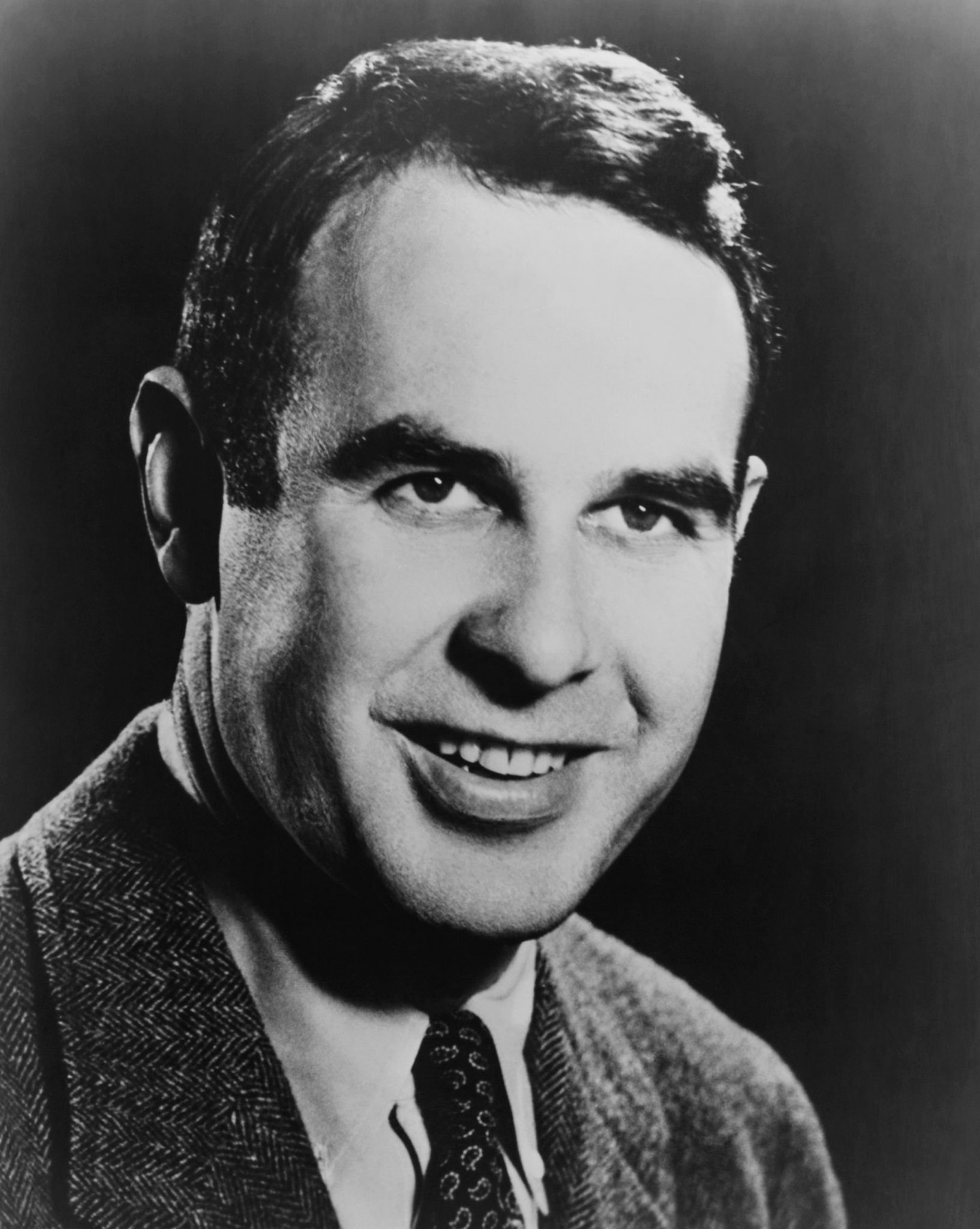
Senator Harrison A. Williams Jr., a New Jersey Democrat, was convicted in a case centered on a titanium mining venture. The indictment concerned his promises to use senatorial influence to obtain government contracts while he held a financial interest. One proposed transaction involved a $100 million loan; another involved a purchase expected to generate approximately $70 million in profit for all the venture’s owners together. Neither figure should be described as cash personally paid to Williams.[1]
The appellate opinion describes Williams accepting certificates representing an 18 percent interest in three venture corporations. The shares were issued in associate Alexander Feinberg’s name and endorsed in blank. Recorded discussions connected the financial arrangements to Williams’s ability to influence government business.[1]
Williams did refuse a separate direct cash-for-immigration offer. His defense emphasized this and argued that he had been pressured and coached. The appeals court acknowledged substantial government persuasion but found that a jury could still conclude he was predisposed. It also cited evidence concerning indirect cash arrangements and his existing interest in the venture.[1]
Williams’s nine convictions covered conspiracy and paired bribery, gratuity, conflict-of-interest and interstate-travel offenses. The court affirmed his judgment in 1983. Explaining the actual financial scheme is stronger than fitting every ABSCAM defendant into the same envelope-of-cash image: it shows what was charged, what was proved and what remained a defense argument.