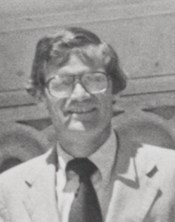
The published Myers district-court decision identifies Senator Larry Pressler and Representatives Edward Patten and John Murtha as officials who refused offers. The judge cited their recorded meetings when rejecting the argument that the inducement necessarily overwhelmed anyone placed in that situation. He particularly praised Pressler’s recognition of the boundary between a legitimate campaign need and an improper arrangement. [1]
That is a useful corrective to lists that label every person who met the operatives as “caught taking bribes.” A camera establishes that a meeting occurred; what the person actually said and did determines what further claim the recording can support. A middleman’s assertion about someone else’s willingness is also distinct from that person accepting money. Those distinctions should remain visible even when the surrounding company was disreputable. [1]
Murtha’s meeting warrants the same care. The Second Circuit’s later Murphy opinion expressly described the money offer as one Murtha declined. That statement is not a criminal conviction against Murtha. It also does not require a reader to find every surrounding conversation admirable. One can examine an official’s judgment, contacts and public explanations without converting suspicion or uncomfortable language into an adjudicated offense. Respect for the record applies to the refusals as well as to the incriminating exchanges. [2]