Interpretation 01
A limited Klan crime, not a wider institutional problem
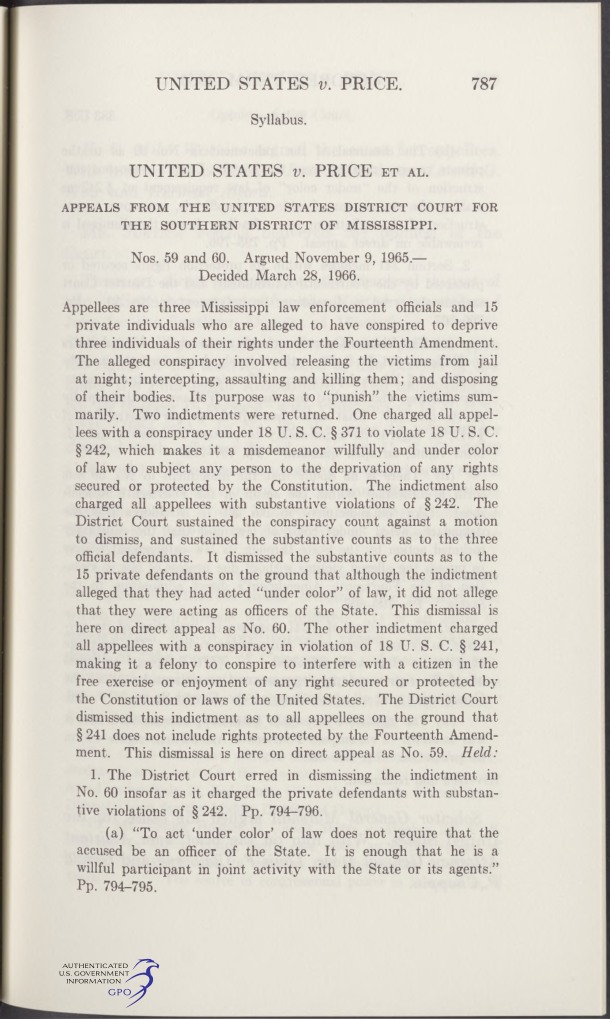
Specific conspiracy established; isolation claim too narrow
The strongest version
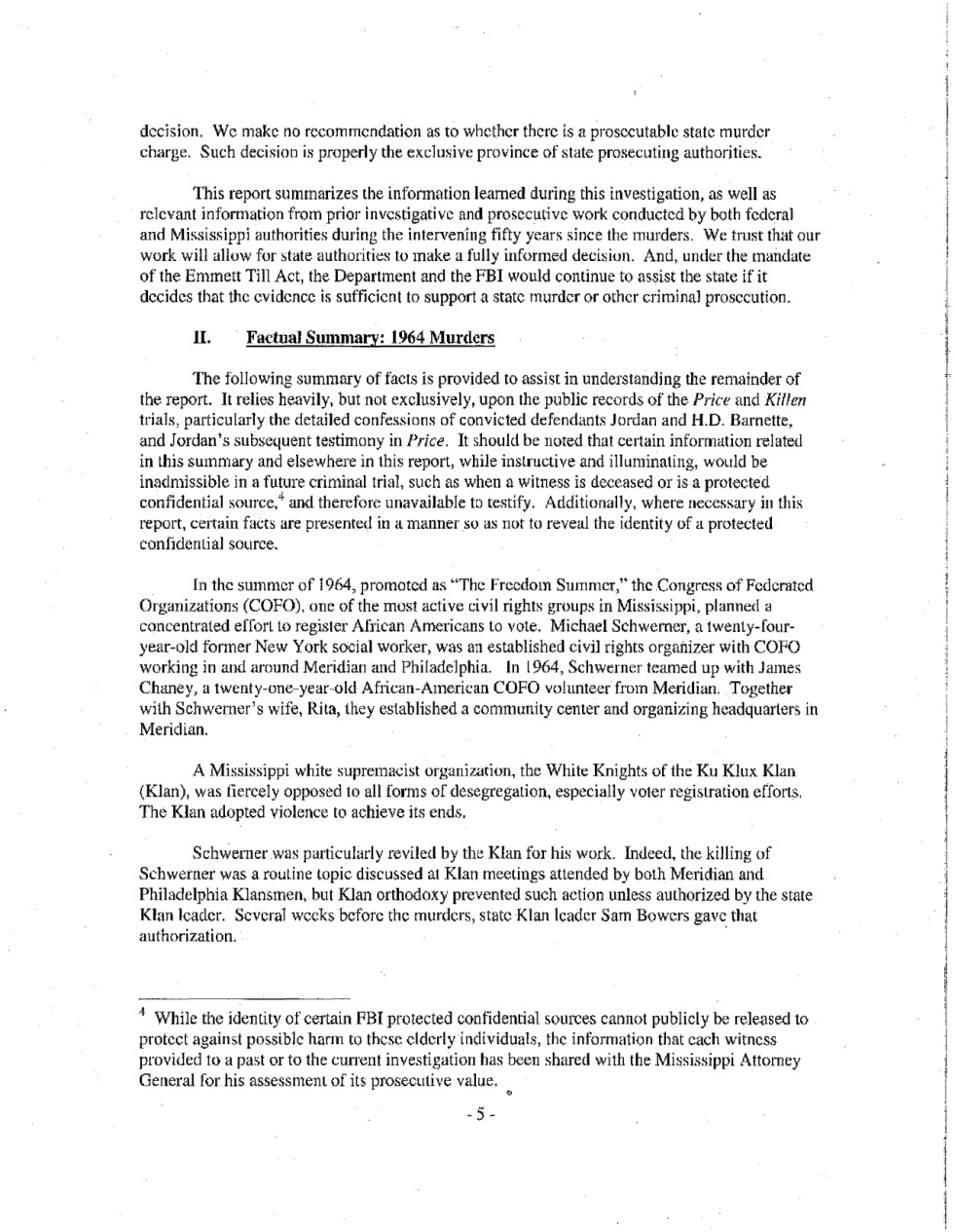
A disciplined reconstruction should attribute the murders to identified conspirators, not indict every white Mississippian, Klan member or official. Different verdicts show the importance of individual proof.
Accepts
The criminal conspiracy, Price’s actions and the actual convictions; organizational labels alone cannot establish guilt.
Must still explain
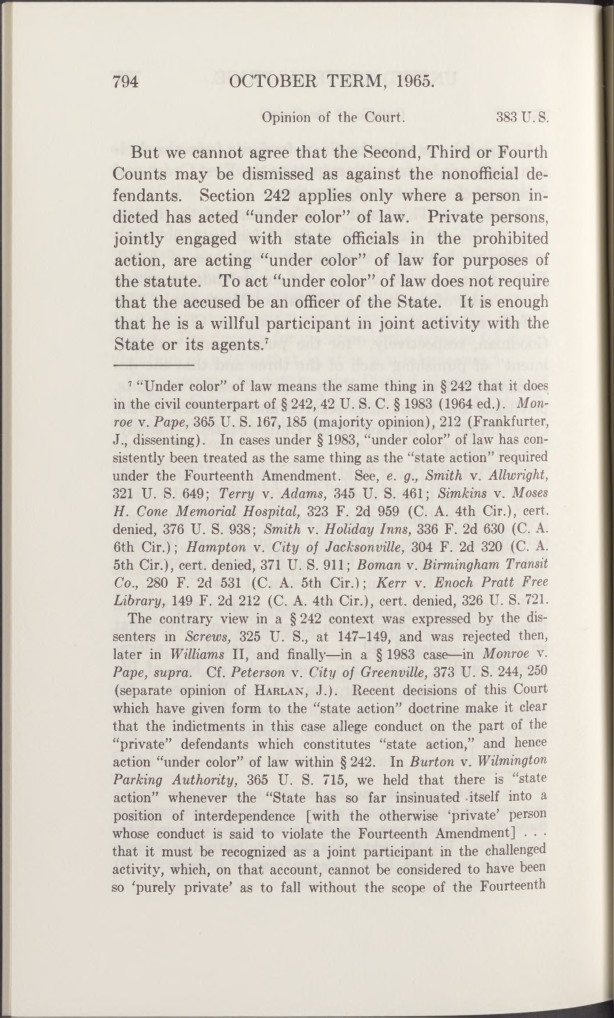
Price used public office, and state prosecution failed for decades. The leadership evidence and institutional setting cannot be removed by calling the crime merely private.
Assessment
The specific joint action is judicially supported. Wider state or federal direction requires additional links and is not presumed.
Accept these path nodes
Remove or revise this inference
- Do not remove Price’s proved official role or the documented gap in state prosecution to obtain an isolated-private-crime account.
Add this evidence
- Individual agreement, tasking and response records for each proposed extension beyond the convicted participants.
What would change this assessment
Authenticated orders narrowing or expanding the participation chain, records of official knowledge and response, or reliable evidence excluding a disputed person from the relevant acts would alter that person’s assessment.
Sources: S01 · S02 · S03 · S04 · S18
Interpretation 02
A federal investigative success that delivered justice
Important achievement; comprehensive closure not established
The strongest version
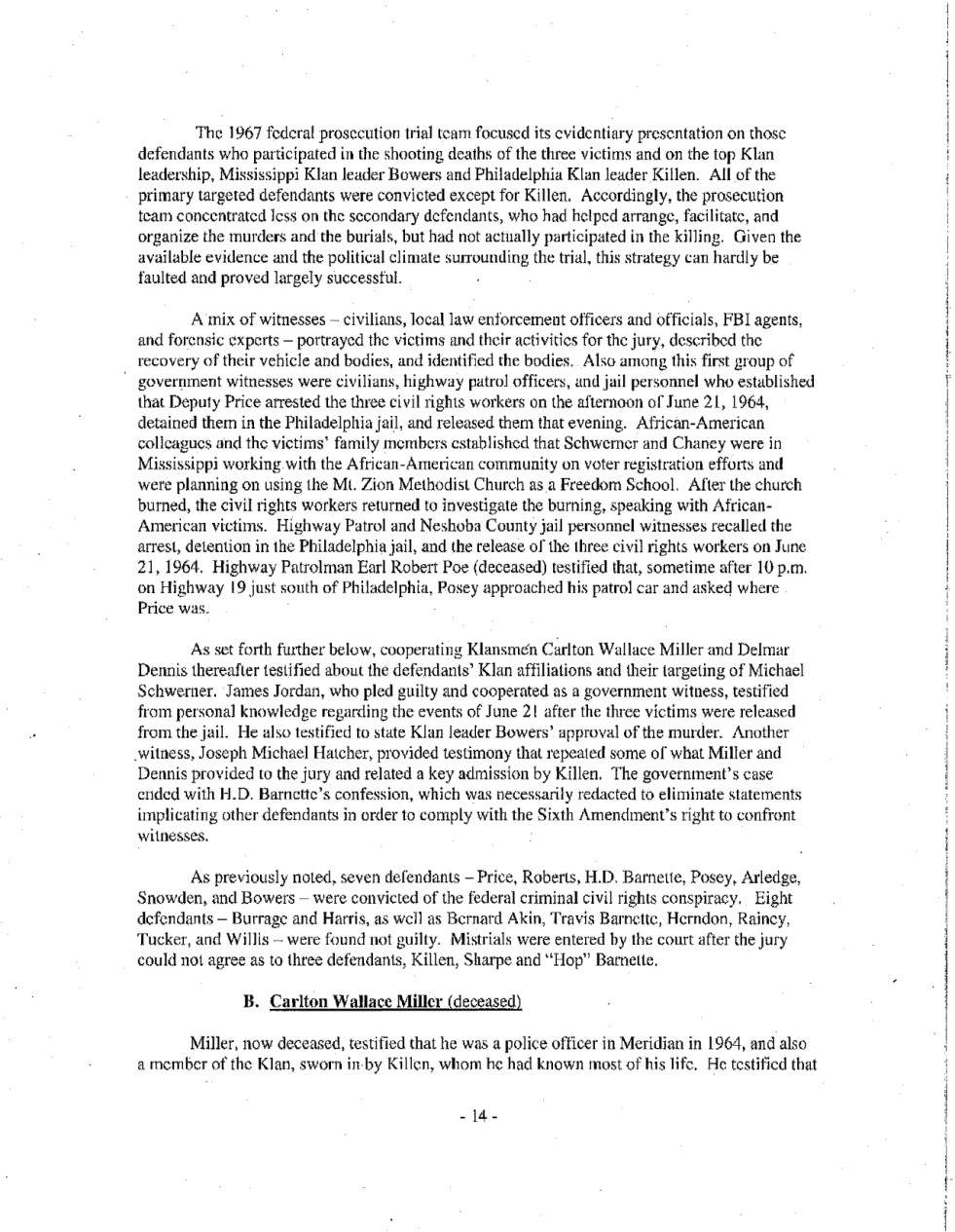
A hostile local environment made federal intervention, source development and statutory litigation essential. Recovery and sustained convictions achieved accountability that contemporary state authorities did not pursue.
Accepts
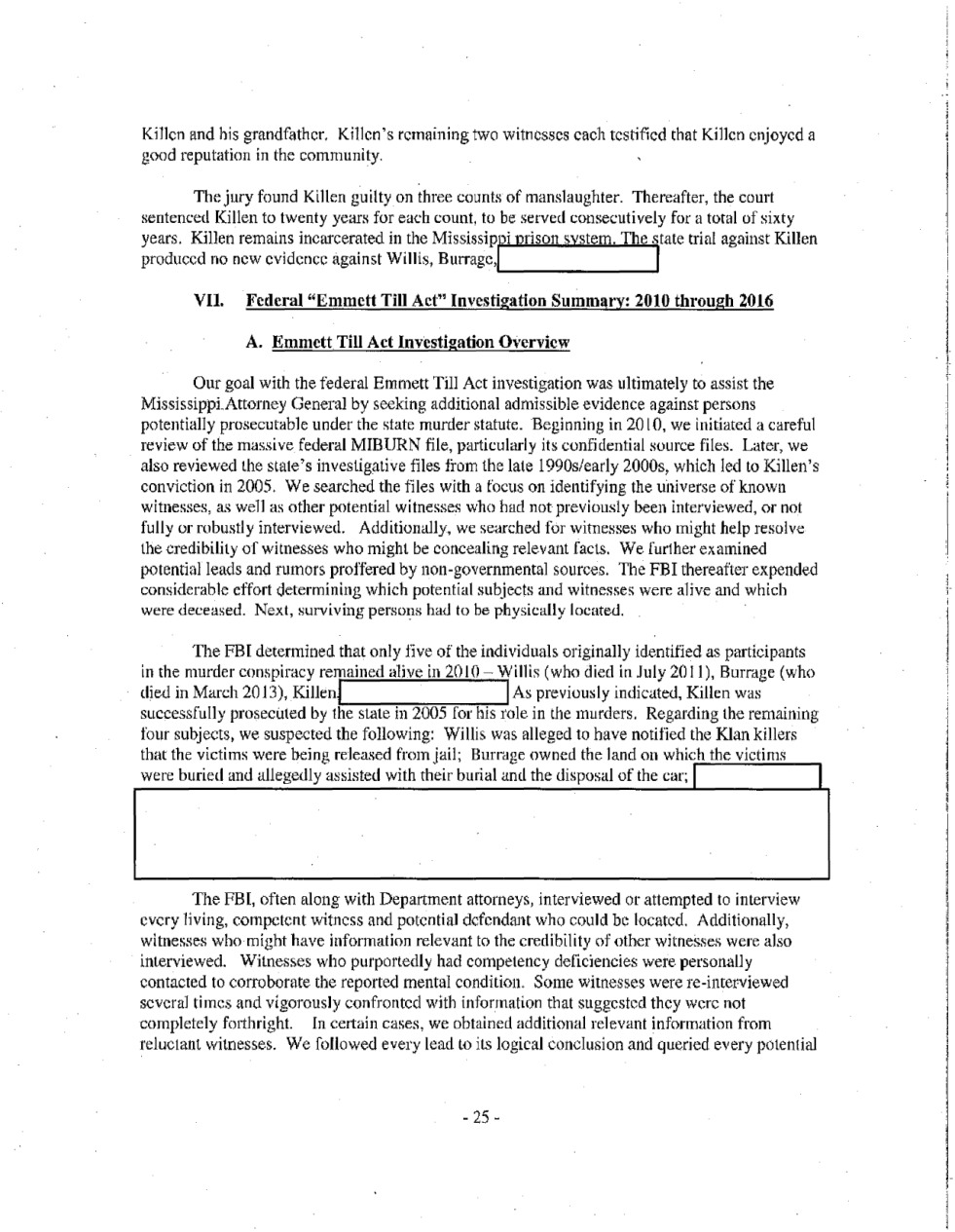
The investigation’s scale, the judicial results and the importance of cooperative testimony.
Must still explain
Investigating after the killings is different from protection beforehand. Source incentives, incomplete accountability and limited charges constrain a complete-success narrative.
Assessment
The official report provides substantial support for the achievement and also documents its limits. Neither half cancels the other.
Accept these path nodes
Remove or revise this inference
- Remove the inference from successful convictions to universal protection, flawless methods or complete accountability.
Add this evidence
- Dated pre-crime requests and agency responses, source handling evidence and individual prosecution decisions.
What would change this assessment
Complete contemporaneous protection requests/responses, independently corroborated source files and disposition records resolving remaining responsibility questions could strengthen or weaken the broader institutional assessment.
Sources: S01 · S02 · S03 · S06 · S09 · S12
Interpretation 03
Informants and official protection narrowed who was held accountable
Documented credibility and accountability limits; wider causal links open
The strongest version
Paid sources, participant bargains, protected identities, selective prosecution and local obstruction can produce a true core case while leaving some responsibility obscured. Institutional self-praise should not define the full history.
Accepts
The deaths and convictions, while testing the completeness and incentives behind the evidence used to obtain them.
Must still explain
A payment or redaction does not by itself show foreknowledge, fabrication or a direction to commit murder. The exact time, handler knowledge, conduct and effect must be linked.
Assessment
DOJ records payments, inconsistent accounts, an unpreserved identity and serious later evidentiary limits. Hopkins’s report preserves misleading official claims. These justify scrutiny without proving every proposed cover-up.
Accept these path nodes
Remove or revise this inference
- Revise any claim that an informant’s later cooperation automatically establishes earlier federal control, or that case closure means the historical record is complete.
Add this evidence
- Contemporaneous handler logs, payment timing, unredacted communications and demonstrated effects on protection, testimony or prosecution.
What would change this assessment
Authenticated pre 21 June reports reaching a named responsible official, instructions to conceal or redirect evidence, and independently corroborated links to an act or failed intervention would materially change the causal assessment.
Sources: S01 · S03 · S05 · S17 · S18
Interpretation 04
The convictions rested on tainted evidence or an unfair process
Actual objections rejected; not every misconduct allegation adjudicated
The strongest version
Participant testimony can be self-serving, payments affect incentives, redacted confessions complicate confrontation and a forty-one-year delay can harm the defense. Killen formally alleged investigative and prosecutorial misconduct.
Accepts
The legal proceedings occurred and their integrity can be tested through the actual record rather than presumed from agency denials.
Must still explain
The 1969 appeal affirmed the seven convictions; the 2007 opinion rejected Killen’s instruction and delay claims. The 2011 civil dismissal did not invalidate his conviction and was not a full evidentiary trial of investigative methods.
Assessment
Credibility limits are real but do not by themselves overcome corroboration or erase affirmed judgments. Pleading, immunity and Heck grounds are not proof that every alleged act was disproved.
Accept these path nodes
Remove or revise this inference
- To replace the current legal assessment, identify a demonstrated material error rather than treating any incentive or procedural dismissal as automatic innocence or vindication.
Add this evidence
- Original statements and revisions, disclosure records, reliable proof of coercion or fabrication and the relevant court’s resolution.
What would change this assessment
Authenticated evidence of material fabrication or suppressed exculpatory information, supported by source provenance and linked to an identified judgment, would warrant reassessment; an actual judicial reversal would change the legal-outcome entry.
Sources: S01 · S03 · S04 · S05