Chapter 01 / 1983
A revolution imagined, an organization assembled
In the fall of 1983, Robert Jay Mathews gathered a small group determined to move from white-supremacist organizing into direct action. The Ninth Circuit’s later account describes recruits who had associated with the Ku Klux Klan, National Alliance and Christian Identity movement. Their common setting supplied contacts and beliefs; the new enterprise supplied coordinated activity. The group called itself The Order or the Silent Brotherhood. It was a distinct organization, not another name for every racist group with which its members had associated.
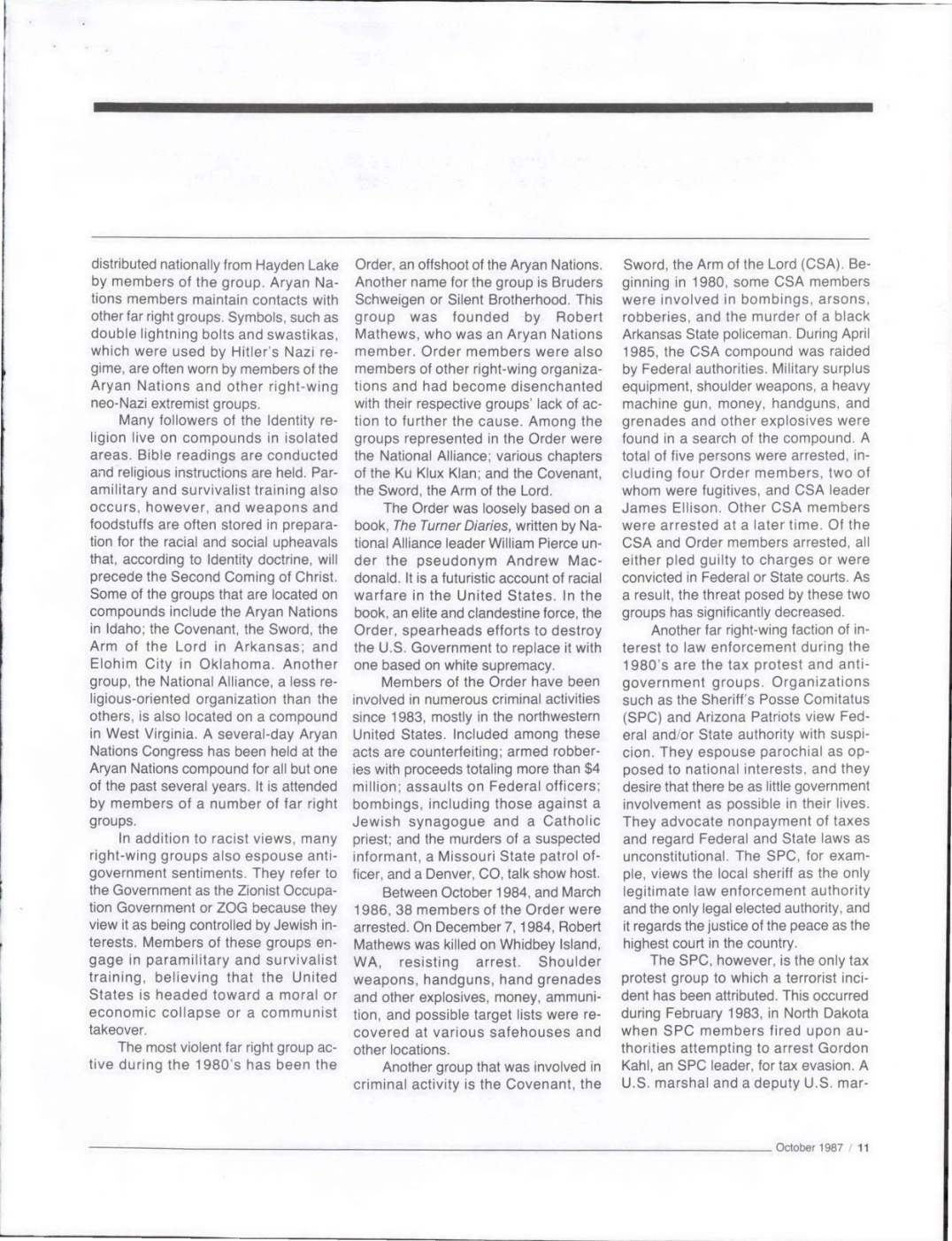
Mathews imagined overthrowing a government he believed Jews controlled. The claim described his antisemitic worldview, rather than an established fact about the government. The Turner Diaries, a racist novel, offered an imagined revolutionary model and helped shape the group’s name and ambitions. Contemporary federal analysis linked that literary model to fundraising through crimes. The significance of the book lies in the political future it encouraged members to imagine, not in a rule that reading it proves participation in an offense.
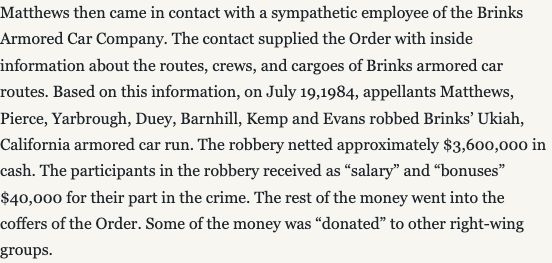
The organization needed money. Its first robbery, on 28 October 1983, targeted a Spokane adult bookstore and produced little. Counterfeiting followed, but Bruce Pierce’s arrest for passing false currency created another immediate problem: a participant now faced prosecution and the group needed resources. Bank and armored-car robberies offered much larger returns. This progression appears in the racketeering appeal, grounded in testimony from more than a hundred witnesses, including members who had pleaded guilty.
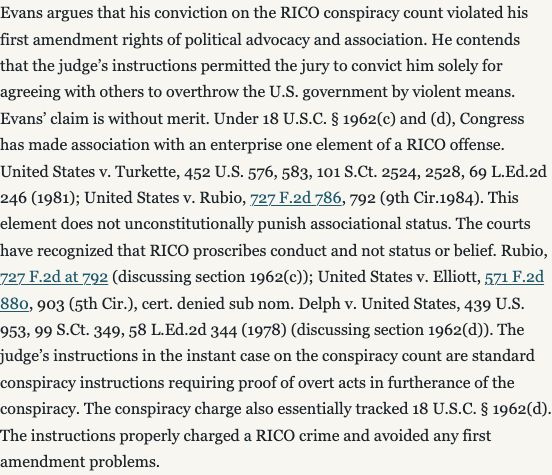
The shift from public advocacy to an enterprise matters because it identifies what the later cases had to prove. Prosecutors needed connections among people, resources and repeated crimes. A defendant’s racist beliefs could explain motive or an association, while leaving the conduct question unresolved. In the eventual appeal, a defendant argued precisely that the prosecution had punished advocacy and association. The court rejected that argument because the instructions required a criminal conspiracy and acts advancing it. The documented transition was therefore a series of choices about recruitment, money and action, rather than the automatic criminalization of an unpopular belief.