Interpretation 01
A practical support network for intended violence
Supported for the prosecuted cluster
The strongest version
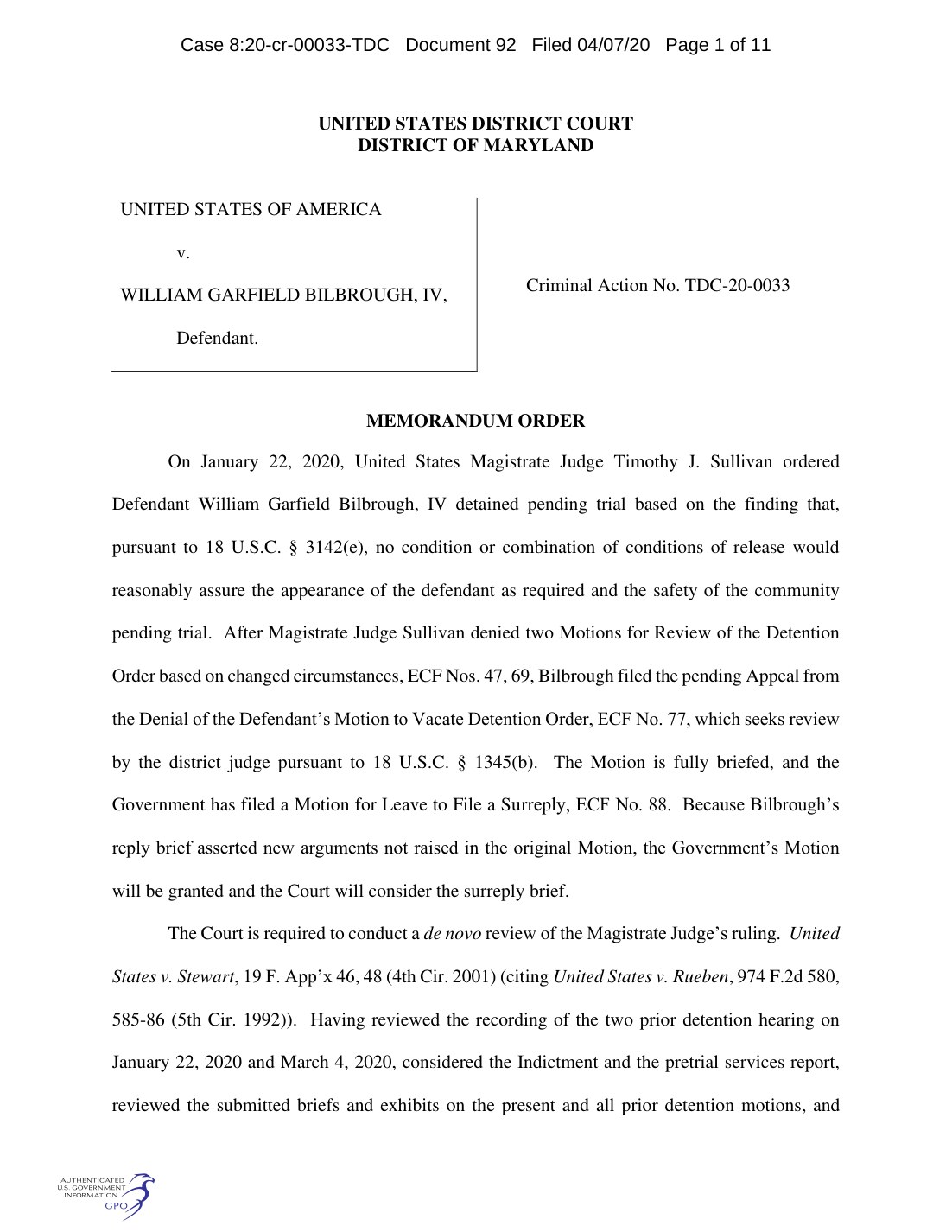
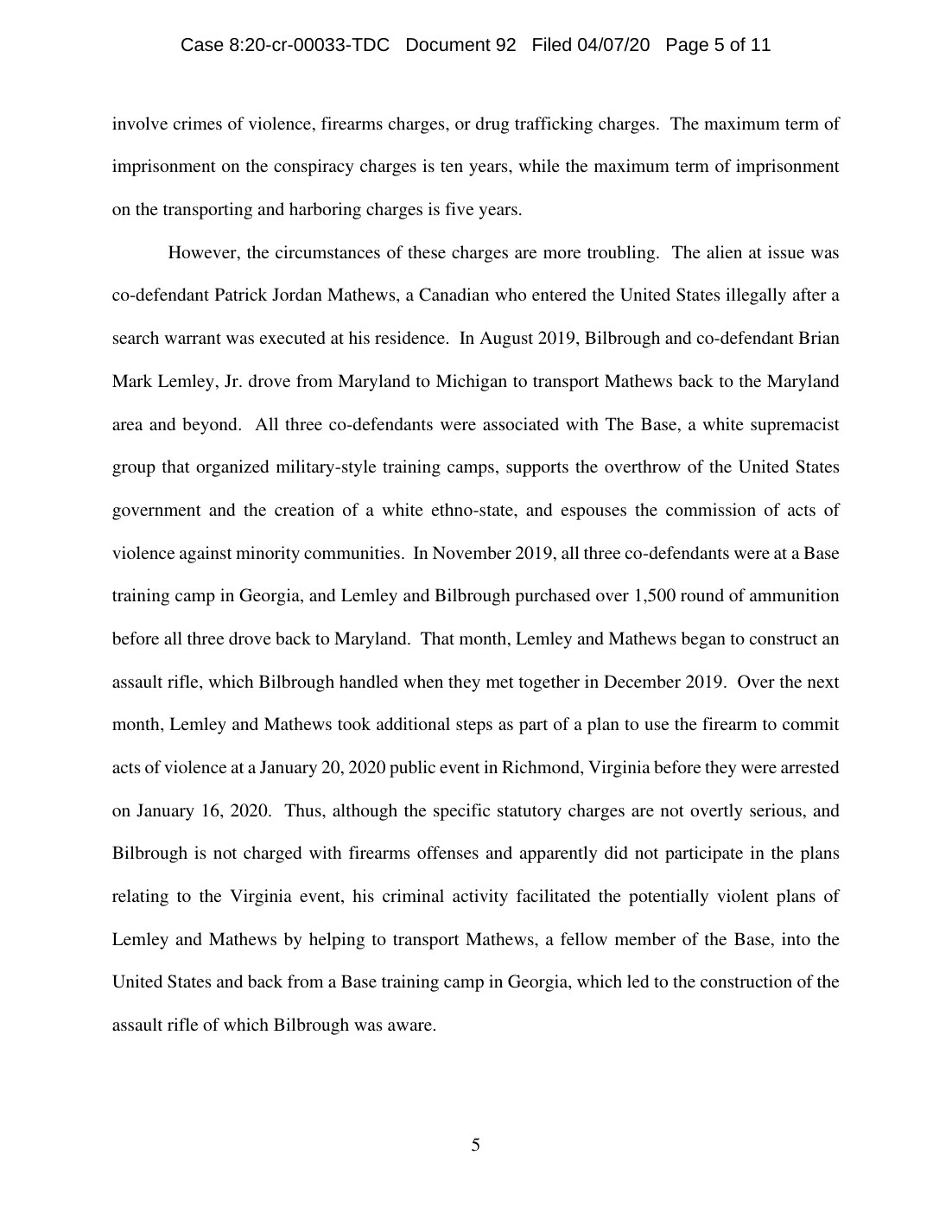
The group’s relationships provided transport, shelter and training, then connected to admitted firearms and obstruction conduct. The sentencing court found that Lemley and Mathews acted to promote terrorism crimes.
Accept
P1 · P2 · P3 · P4
P1–P4, while retaining Bilbrough’s narrower conduct and the distinct plea counts.
Remove or revise
Remove a speech-only explanation for admitted practical conduct, while also removing a presumption that every member shared every plan.
Add to the path
Add authenticated instructions and participant knowledge for any proposed higher command or additional actor.
What must be wrong or incomplete
A support-network explanation overreaches if it treats contacts as sufficient proof of a common plan; the person-specific links must do the work.
Must still explain
A network explanation cannot make every member responsible for every plan. It also cannot treat projected casualties as observed outcomes.
Assessment
Admissions, travel, observed activity and the sentencing finding support more than a speech-only account. They establish a specific cluster’s conduct rather than a complete global command map.
What would change this assessment
Authenticated instructions or additional participants’ communications could expand or narrow who knew and directed what. Later judicial orders could change the legal outcome.
Sources: S01 · S02 · S03 · S04
Interpretation 02
Boasting and undercover pressure overstated the attack plan
A documented defense argument; rejected at sentencing
The strongest version
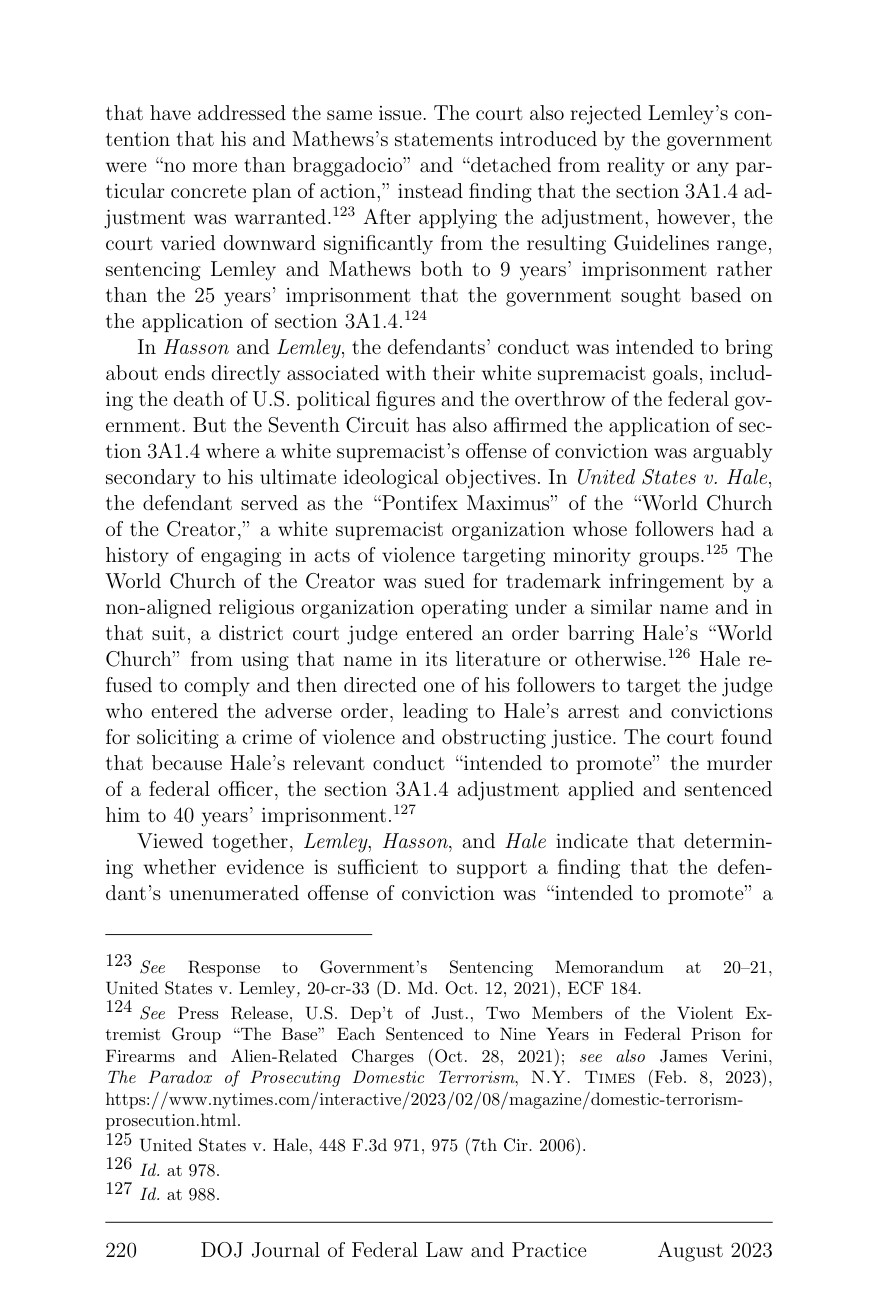
Defense counsel argued that the men’s violent statements described imaginary scenarios and that an undercover employee pressed them to formulate a plan. Disturbing talk by troubled participants might overstate their settled intention or operational capacity.
Accept
P2 · P3
The admitted firearms, transport and obstruction acts at P2–P3. This interpretation challenges how surrounding discussions proved terrorism purpose; it does not require denying every offense.
Remove or revise
Revise the inference from conversations to settled attack purpose in P4; do not erase the separate admissions simply because a conversation is contested.
Add to the path
Add unabridged recordings, the full sequence of undercover prompts and responses, and evidence of actual capacity or material omission.
What must be wrong or incomplete
The argument must explain why the physical preparation and obstruction admissions coexist with the claimed fantasy. The court rejected the characterization; an alternative historical assessment needs more than a general denial.
Must still explain
It must reconcile the full sequence of recorded statements, preparations and destruction of phones. The court rejected the characterization of the discussions as mere boasting.
Assessment
Contemporary court reporting preserves the defense position; the DOJ legal analysis records the adverse judicial finding. Full recordings and a complete independent trial-level record would allow a richer assessment than the excerpts assembled here.
What would change this assessment
Authenticated unabridged exchanges showing government initiation, misleading editing or a significant omission would matter. A general assertion that everyone was joking would not settle the physical and admitted evidence.
Sources: S01 · S04 · S05 · S12
Interpretation 03
Ordinary offenses became a prevention tool
Supported legal mechanism, with limits
The strongest version
Firearms, transportation and obstruction laws permitted intervention before a completed attack. The sentencing adjustment could address intended terrorism even though the offenses of conviction were not themselves enumerated terrorism crimes.
Accept
P2 · P3 · P4 · P6
P2–P4 and the absence of a completed Richmond attack.
Remove or revise
Remove a completed-attack account and any conflation of pretrial risk, plea admissions and sentencing purpose.
Add to the path
Add complete hearing reasons and an evidence-based account of the capacities interrupted before estimating what intervention prevented.
What must be wrong or incomplete
A prevention account becomes too strong when it converts projected casualties into observed lives saved or assumes prosecutors’ requested sentence was the court’s judgment.
Must still explain
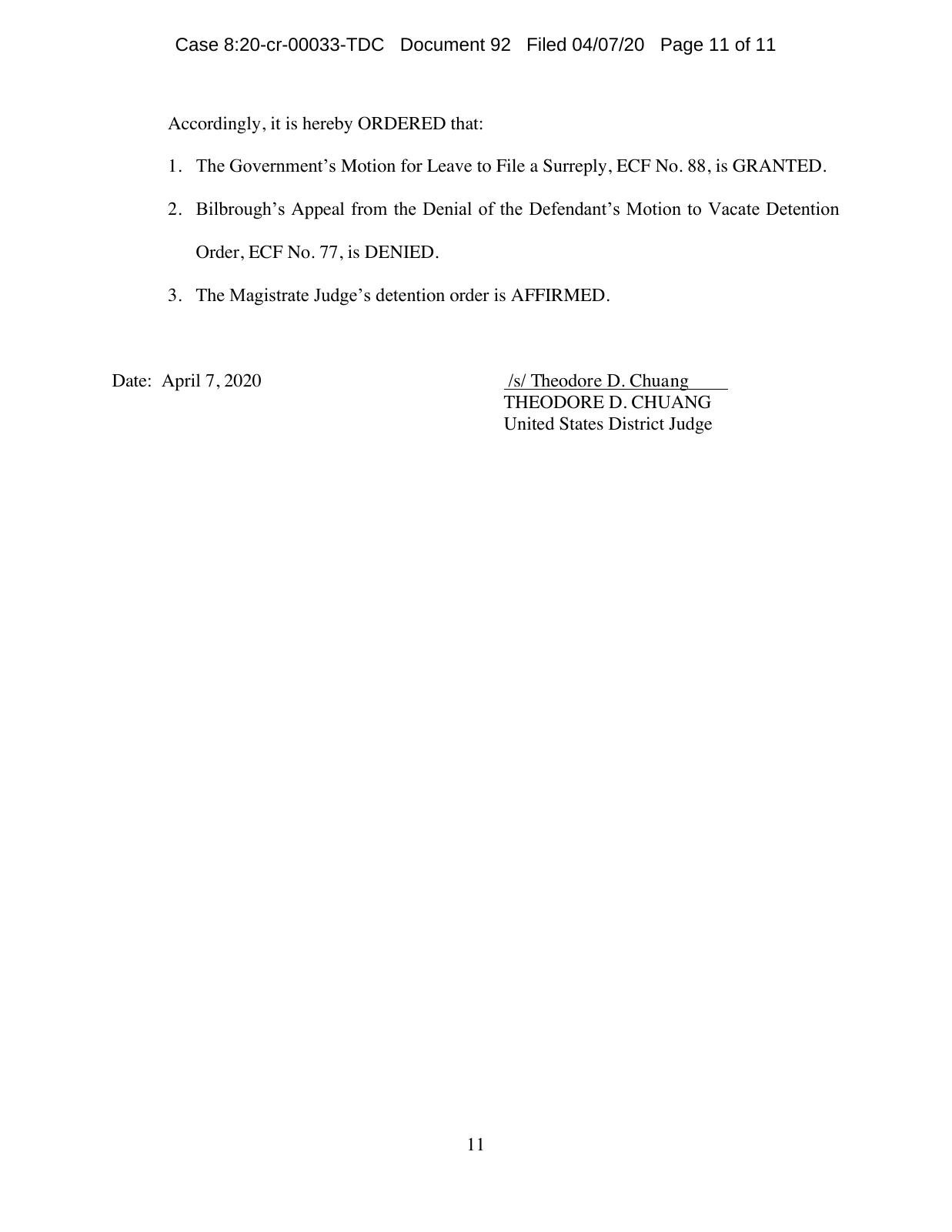
The mechanism must not collapse distinct legal standards. A detention assessment, plea admission and sentencing finding answer different questions, and prevention estimates remain counterfactual.
Assessment
The dated court order, plea accounts and later legal analysis explain those stages. The lower sentence than prosecutors sought demonstrates judicial assessment rather than automatic adoption of a demand.
What would change this assessment
The hearing transcript, appellate rulings or reliable evidence about the surveillance’s completeness could refine the legal and historical account. Evidence about actual capacity would bear on prevention claims.
Sources: S01 · S03 · S04 · S05
Interpretation 04
A disrupted cluster left a wider organizational question
Supported scope limit; current extent unknown
The strongest version
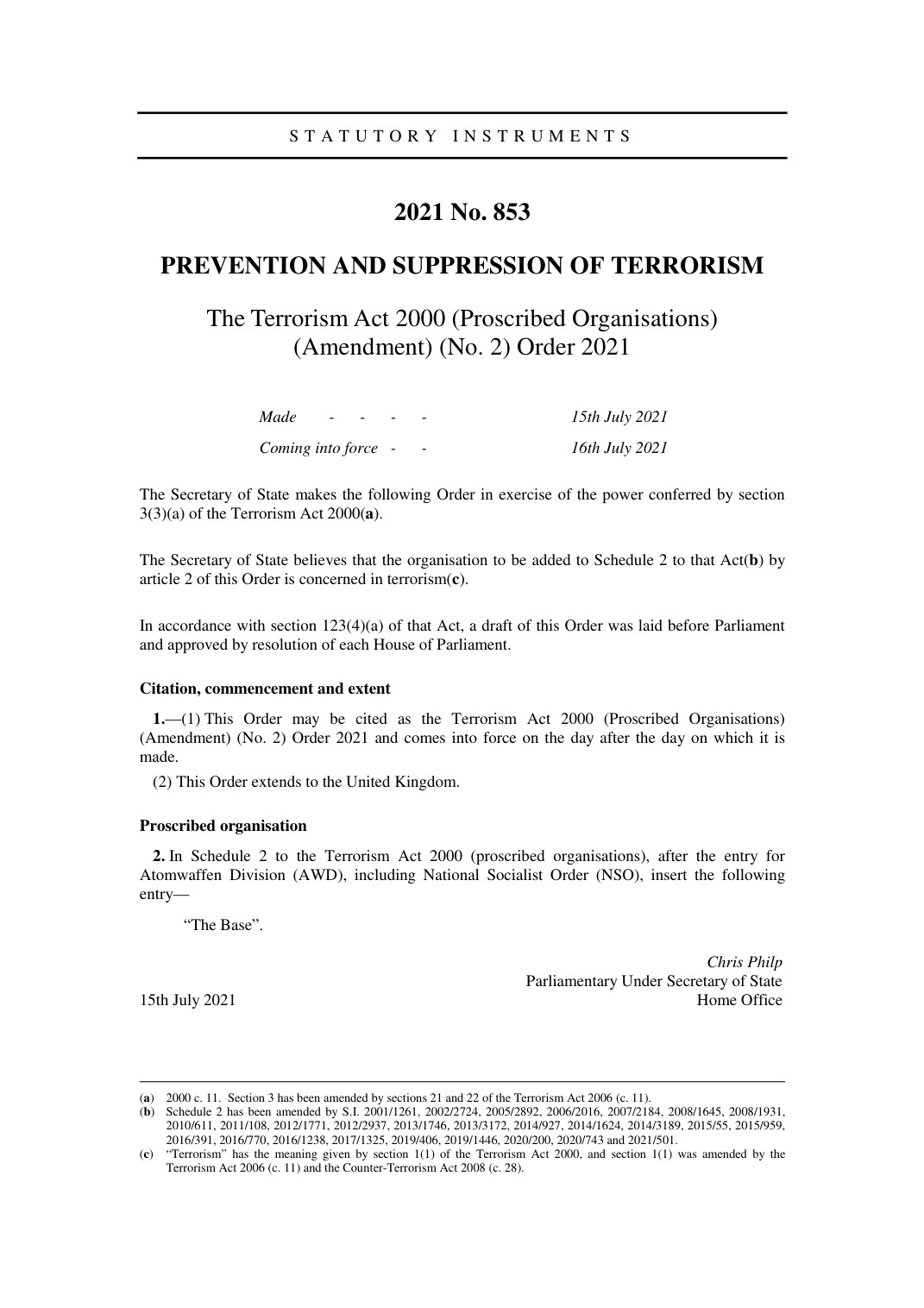
Other U.S. proceedings and a foreign proscription show that the group’s history exceeded the three federal defendants. A dispersed organization can lose a cell while its name or relationships survive elsewhere.
Accept
P1 · P5
The consequential federal disruption at P5 and the individual pleas at P2–P4.
Remove or revise
Remove worldwide elimination as an inference from a local arrest, and remove unchanged global command as an inference from a separate case or designation.
Add to the path
Add authenticated later recruitment, financing, leadership communications and actor-specific acts, with dates and jurisdiction.
What must be wrong or incomplete
A continuing-network claim must show continuity rather than repeated branding. A dissolution claim must account for the separate later measures without treating them as a current intelligence census.
Must still explain
Separate cases do not by themselves establish a unified operational command or prove an unchanged organization persists today.
Assessment
The Michigan account and original UK order establish specific additional acts and a designation. They are not a 2026 membership survey or evidence of every later allegation.
What would change this assessment
Authenticated later recruitment, direction, finances and participant records would test actual continuity. Conversely, credible organizational dissolution evidence would narrow it.
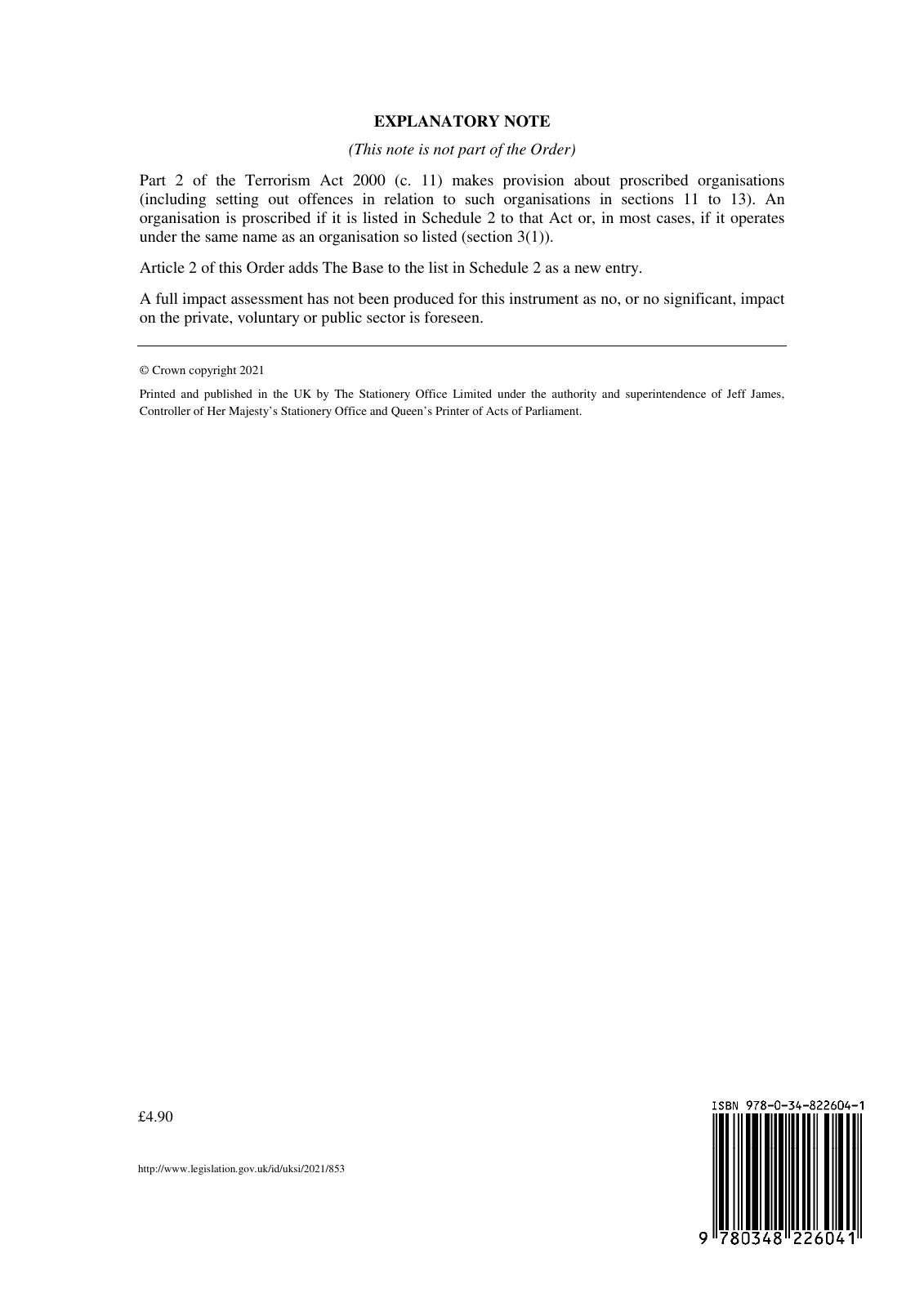
Sources: S01 · S06 · S10 · S11