Chapter 01 / 1979–1983
A regional war reaches the shipping lanes
The Sandinista revolution overthrew Anastasio Somoza’s dictatorship in 1979. The new government’s alignment with Cuba, its domestic concentration of power and its relationship to insurgents in neighboring El Salvador became central to Washington’s policy. The Reagan administration presented Nicaragua as a base for a regional revolutionary threat. Nicaraguan leaders described the armed opposition supported from abroad as an assault on their revolution and sovereignty. The conflict contained real local grievances and armed actors as well as superpower interests. Neither government’s account exhausts that history.
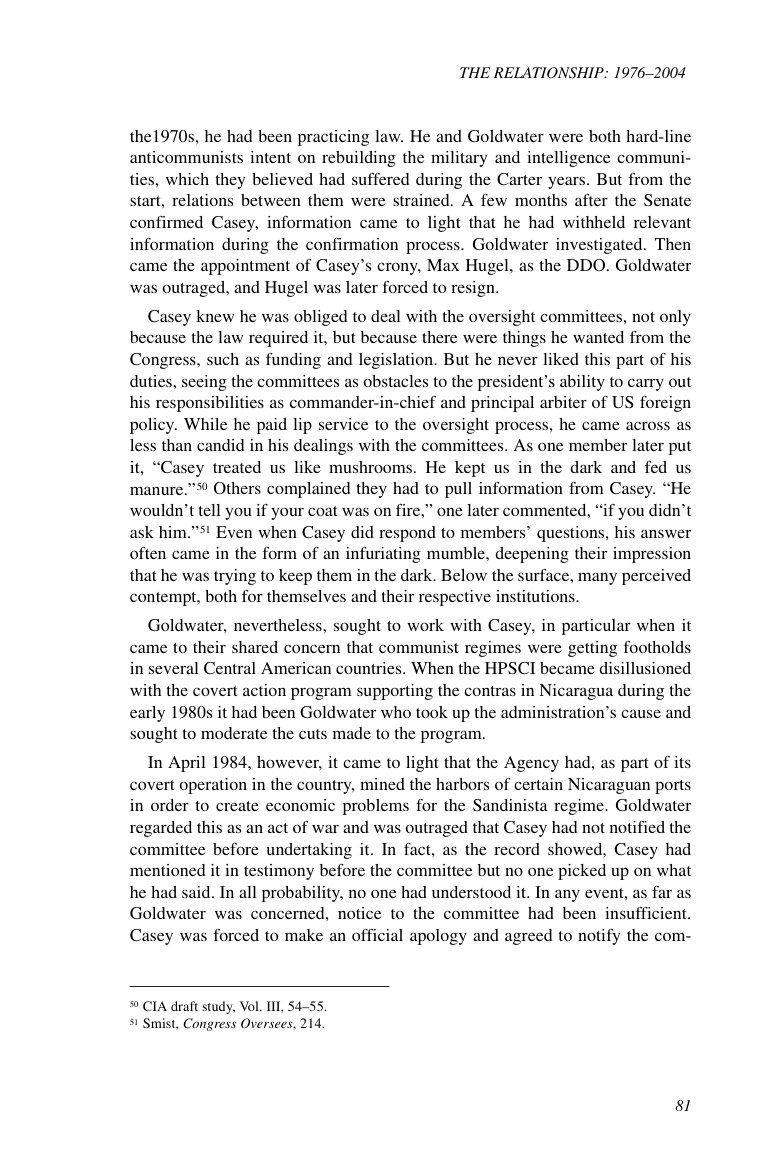
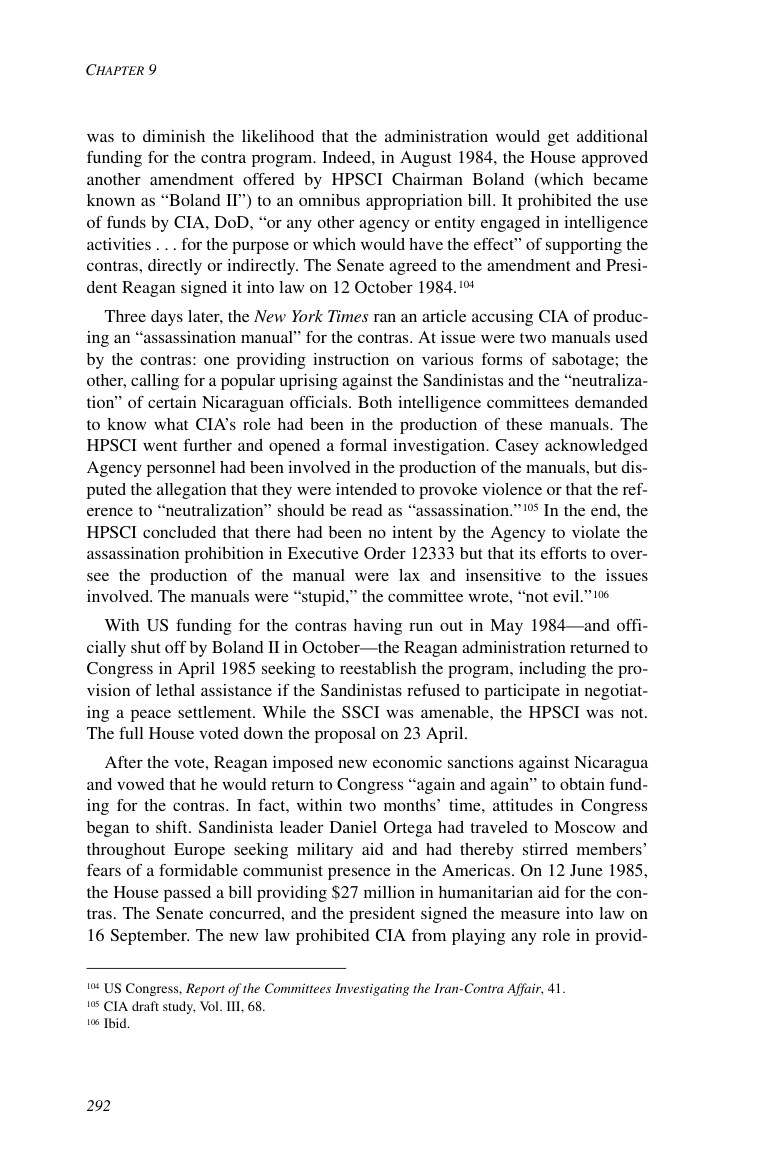
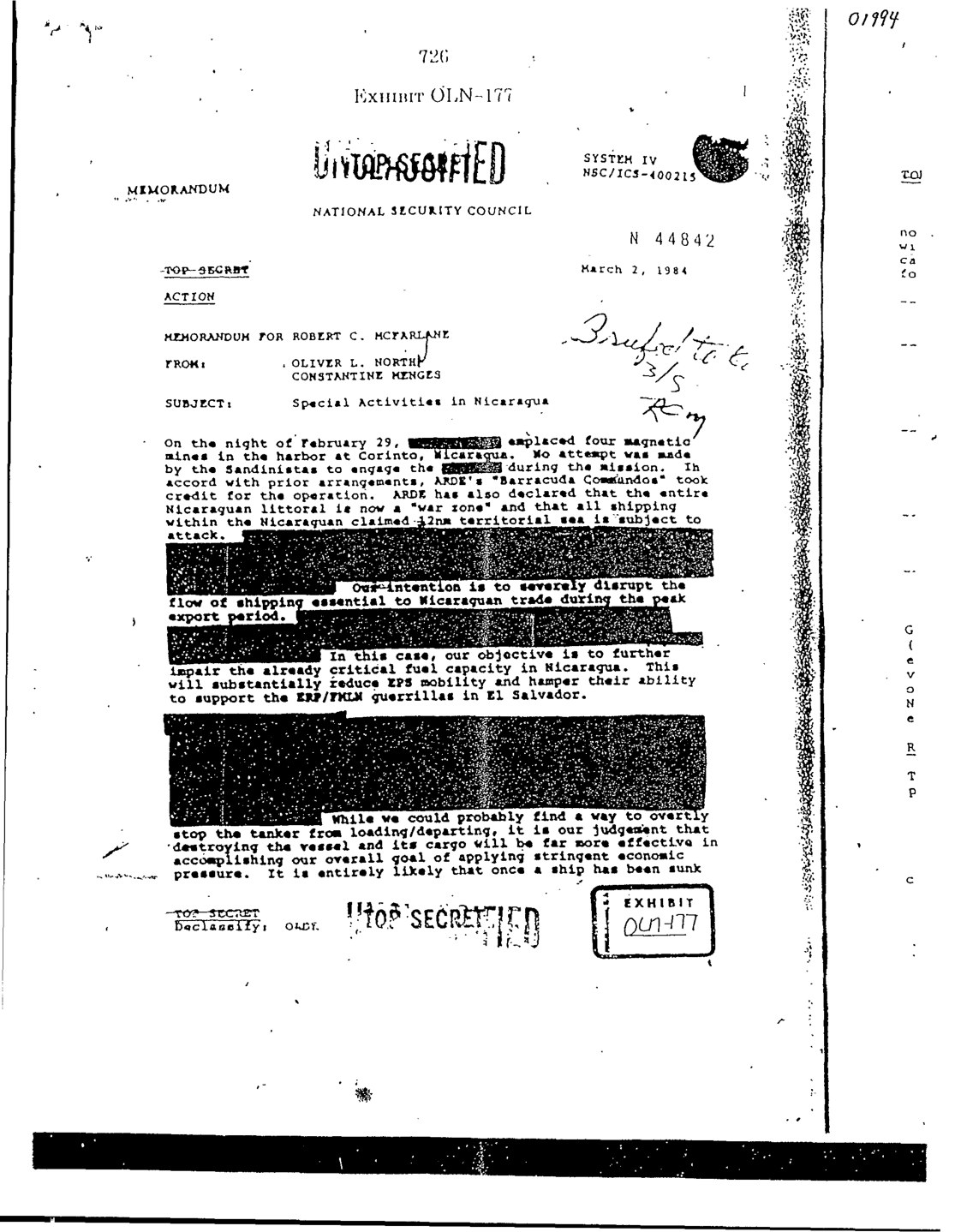
By 1981–82 the United States was supporting the armed opposition commonly called the Contras. Different organizations, commanders and political factions operated under that broad name. U.S. money, arms, training and intelligence were consequential, but they do not make every combatant a CIA employee or every attack an American-directed operation. The eventual ICJ judgment drew a careful distinction between extensive assistance and proof of effective control over particular operations. That distinction also makes the harbor-mining evidence unusually important: it concerned a more direct American chain than general sponsorship alone.
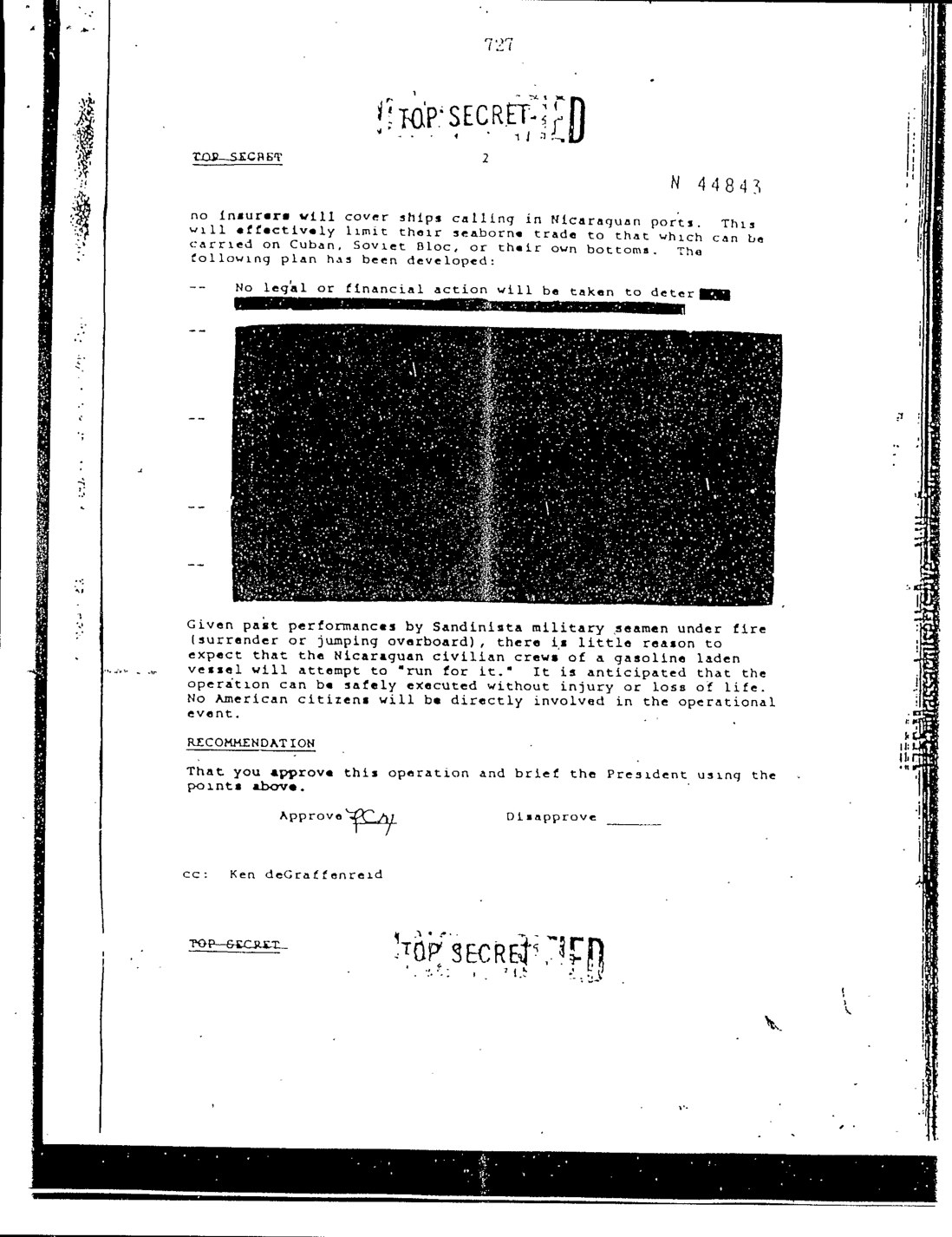
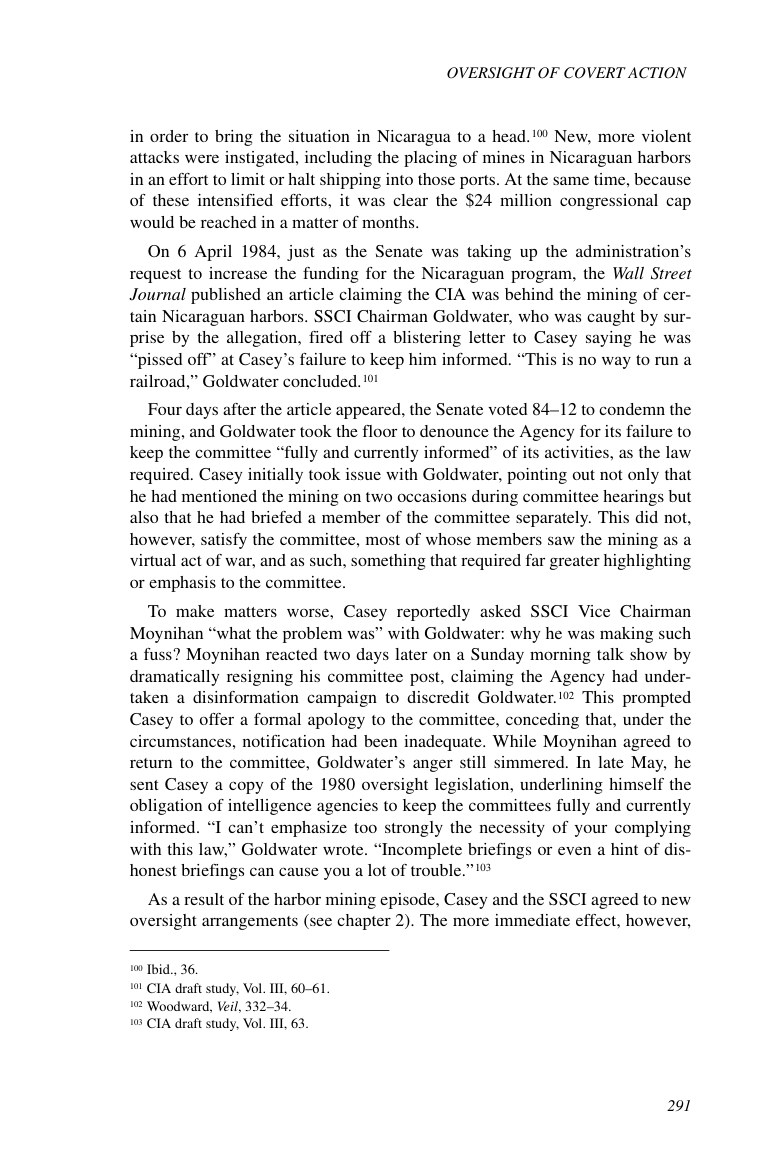
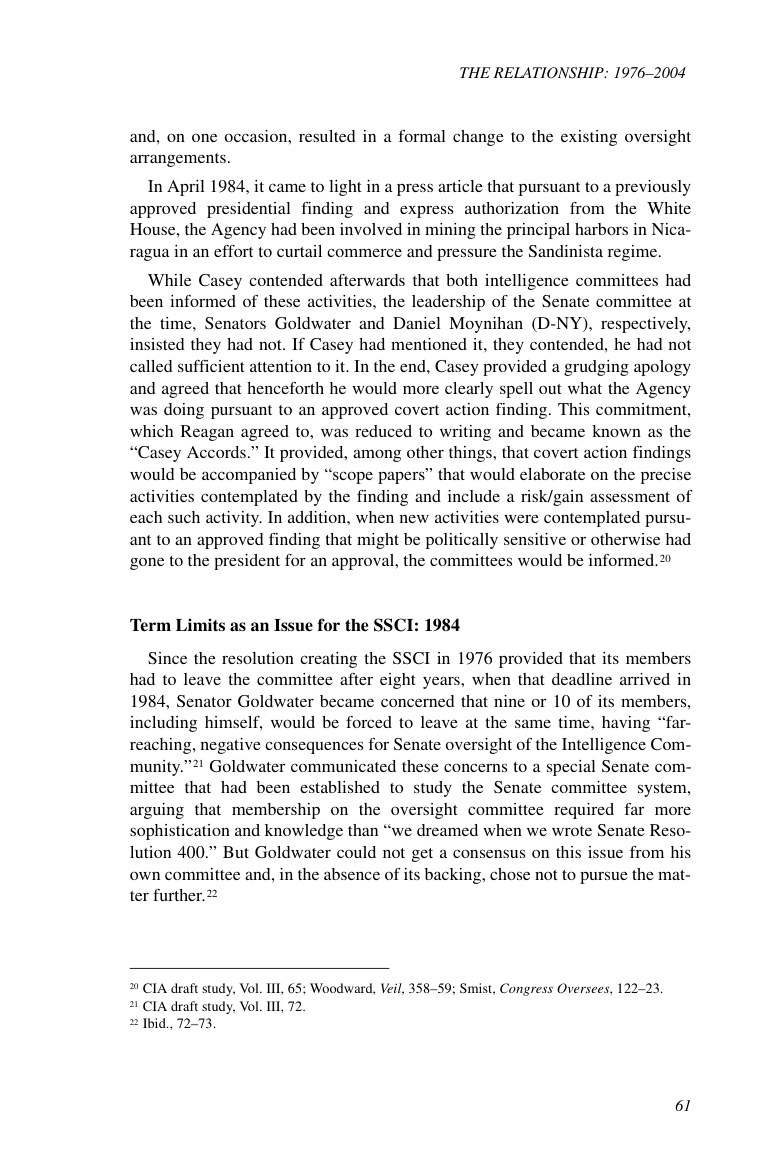
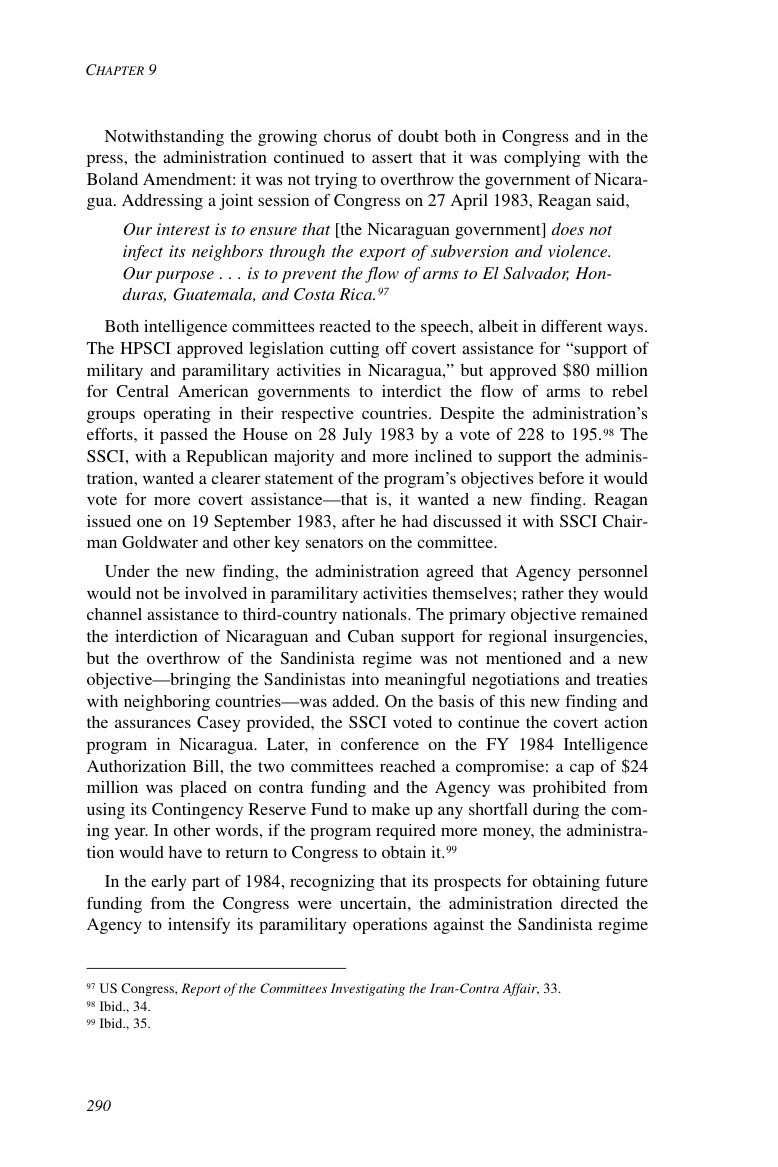
Public explanations emphasized intercepting arms bound for Salvadoran insurgents. The program also developed into pressure on the Sandinista government through attacks on economic infrastructure. Snider’s history describes congressional unease, changes in the program’s objectives and an appropriation ceiling of $24 million for fiscal 1984. A funding limit and a stated policy objective were different restraints. An operation could fit the administration’s broad strategic purpose while raising separate questions about authorization, disclosure and international law.
Ports connected those questions to ordinary economic life. Corinto and Puerto Sandino on the Pacific and El Bluff on the Caribbean served commerce, fuel supplies and transportation. Mining them exposed vessels and crews beyond the immediate government forces. Threatened access could change insurance, freight decisions and the cost of supplies without a formal naval blockade. The mining was a particular episode within the much larger Contra war. Its consequences can be established without assigning it the entire war’s casualties or assuming it alone determined Nicaragua’s later politics.