Chapter 01 / January–August 1960
Independence opened a struggle over sovereignty
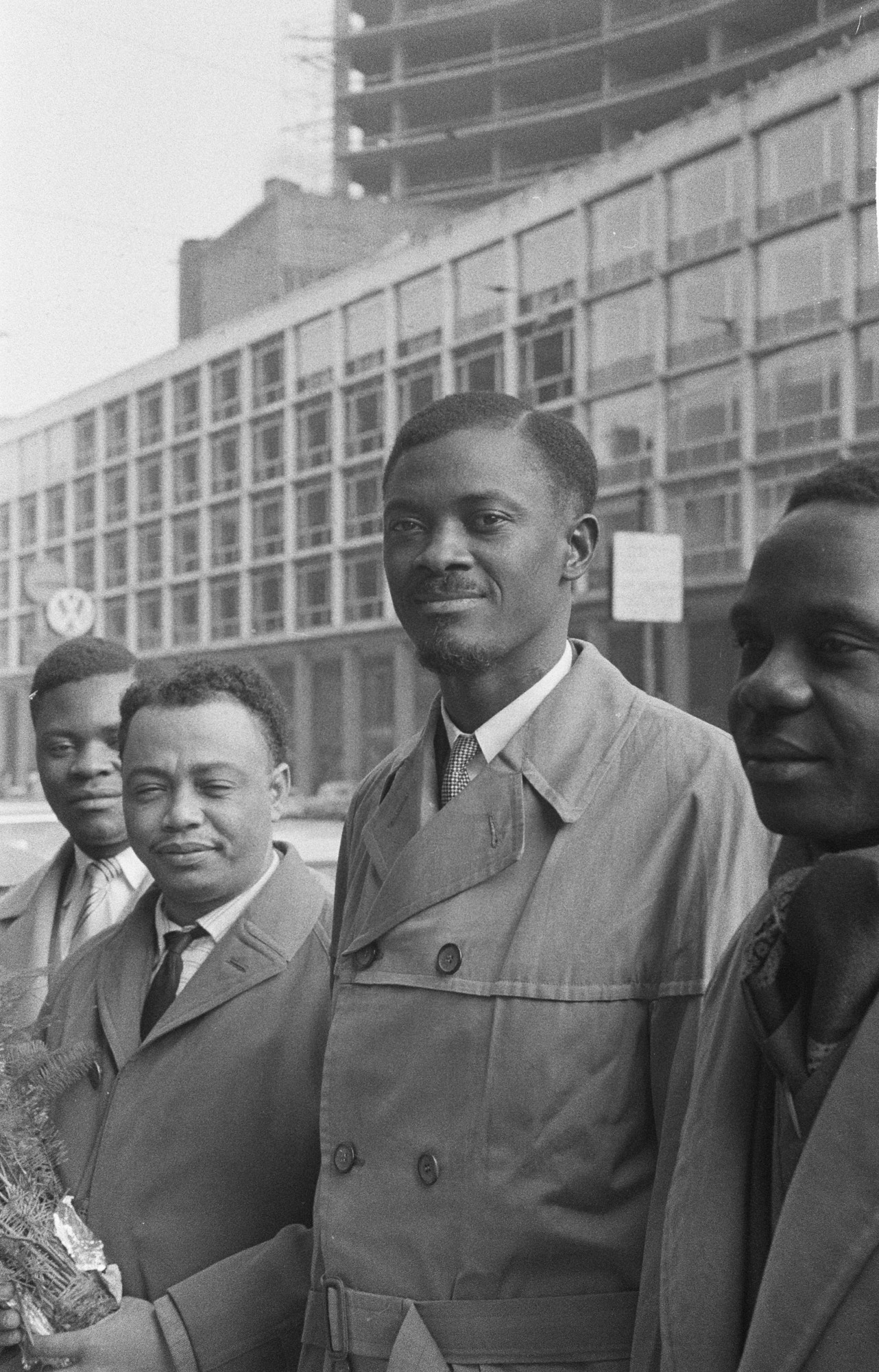
Patrice Lumumba became the first prime minister of an independent Congo on 30 June 1960. The territory emerging from Belgian rule was vast, economically unequal and governed through institutions shaped by colonial coercion. In his independence address Lumumba insisted that freedom had been won through Congolese struggle and recalled the injuries of colonial rule. His politics cannot be understood only through the labels assigned in Washington or Brussels. He sought effective sovereignty for a central government whose authority, revenue and armed forces were already under severe pressure.
An army mutiny, Belgian military intervention and Katanga’s secession rapidly transformed independence into a crisis. Moïse Tshombe’s Katangan government had local constituencies as well as Belgian support, officials and commercial connections. The mining economy gave the conflict material stakes. The Belgian inquiry later emphasized that Union Minière’s tax payments helped make Katangan secession financially possible. Lumumba’s insistence on national unity challenged that arrangement. Congolese regional, party and personal rivalries were not simply inventions of foreign services, but outside money, advice and military power changed their possibilities.
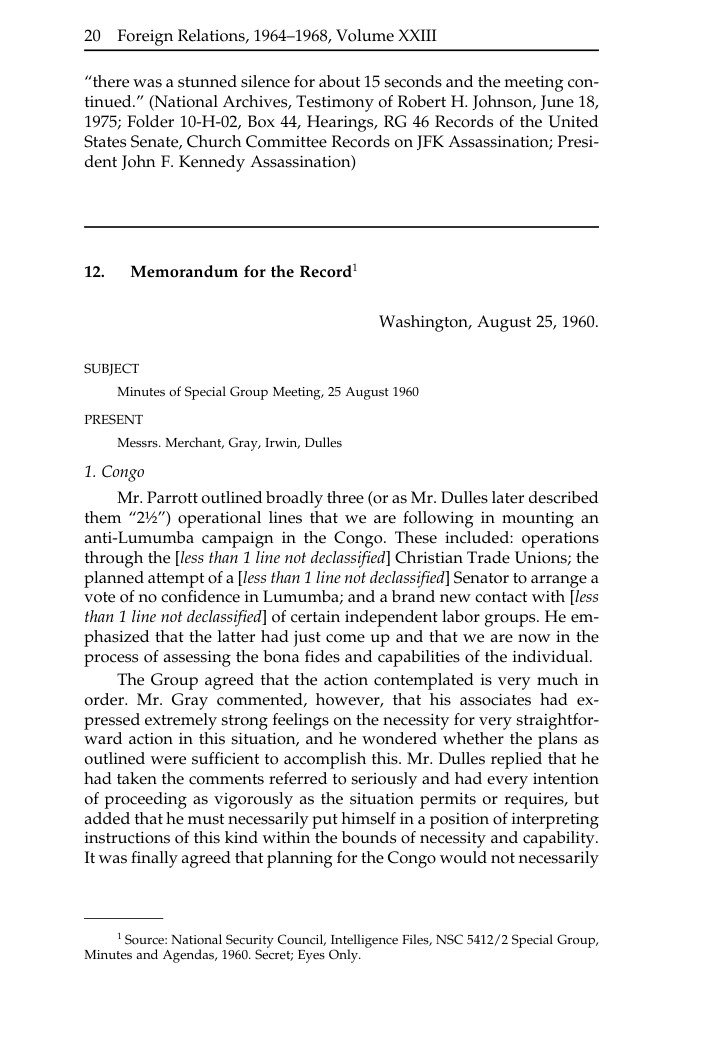
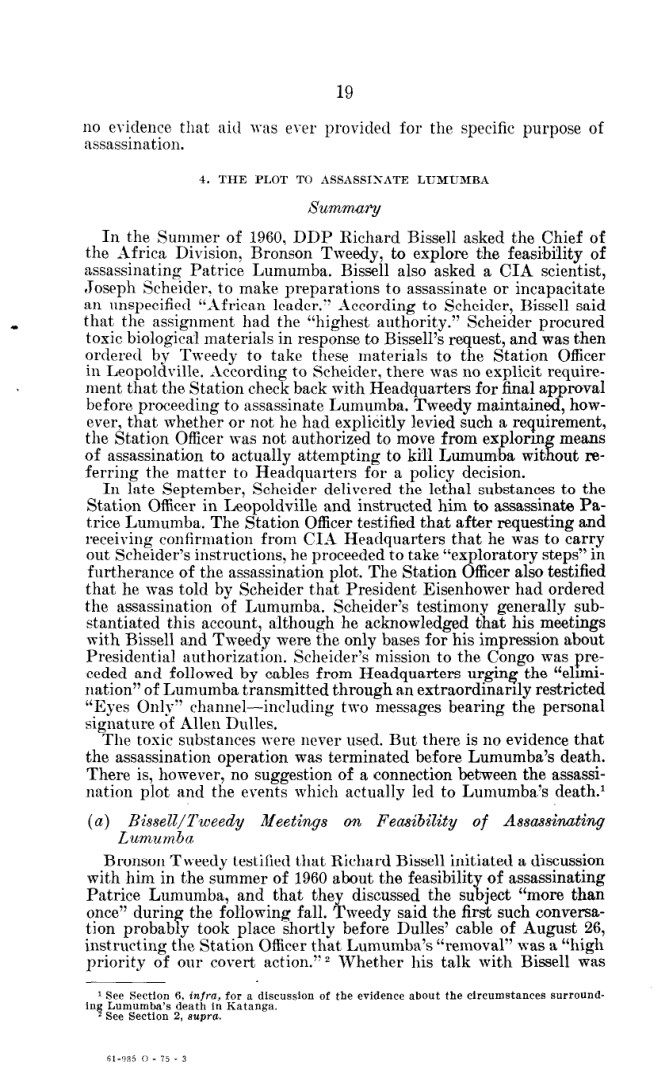
Lumumba and President Joseph Kasa-Vubu sought United Nations assistance. The UN operation, led politically by Secretary-General Dag Hammarskjöld, was not a force placed at Lumumba’s unrestricted disposal. Disagreement over Belgian withdrawal, Katanga and the use of UN troops deepened their conflict. Lumumba turned to Soviet assistance as the crisis intensified. U.S. policymakers interpreted the possibility of a Soviet foothold as a strategic danger; their anxiety about the UN losing its position helped drive action against him. This records their rationale without proving that Lumumba was a Soviet puppet or that assassination was a necessary response.
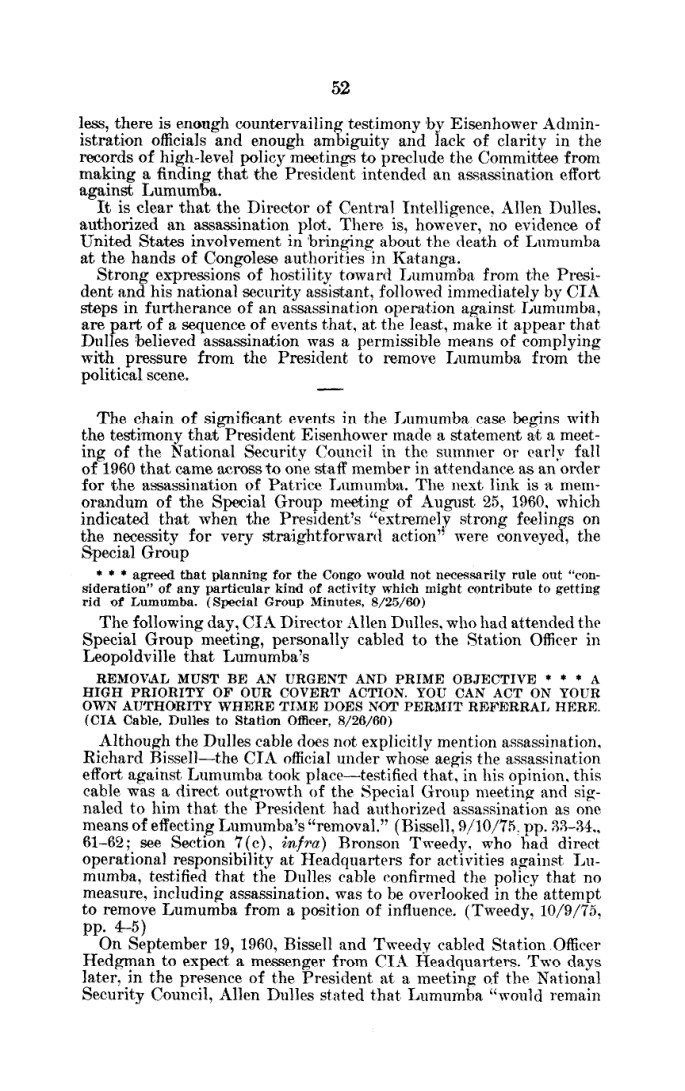
The CIA’s own pre-independence political-action paper complicates a simple ideological picture. It sought leaders friendly to the West but warned that accepting bloc help did not automatically mean ideological commitment. By August, station reporting was much more alarmed about Lumumba and urged his removal. Both assessments came from institutions pursuing influence. The transition between them matters: a new state’s political conflict was being translated into a Cold War emergency, and an American covert program was moving from cultivation of contacts toward the destruction of a particular leader’s position. The people making those decisions did not share one command chain.