Chapter 01 / 1951–1952
Oil made sovereignty tangible
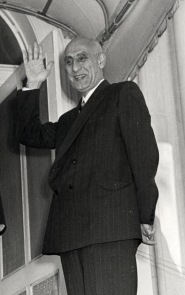
Iran’s oil dispute was also a dispute over who could govern Iran. In 1951 parliament approved nationalization of the industry dominated by the Anglo-Iranian Oil Company. Mohammad Mossadegh, a veteran parliamentarian and leader of the National Front, became prime minister that April. His government sought control over production and revenues that had long been bound to British commercial and political influence. Nationalization had broad appeal beyond his own coalition; later removal of Mossadegh did not erase it.
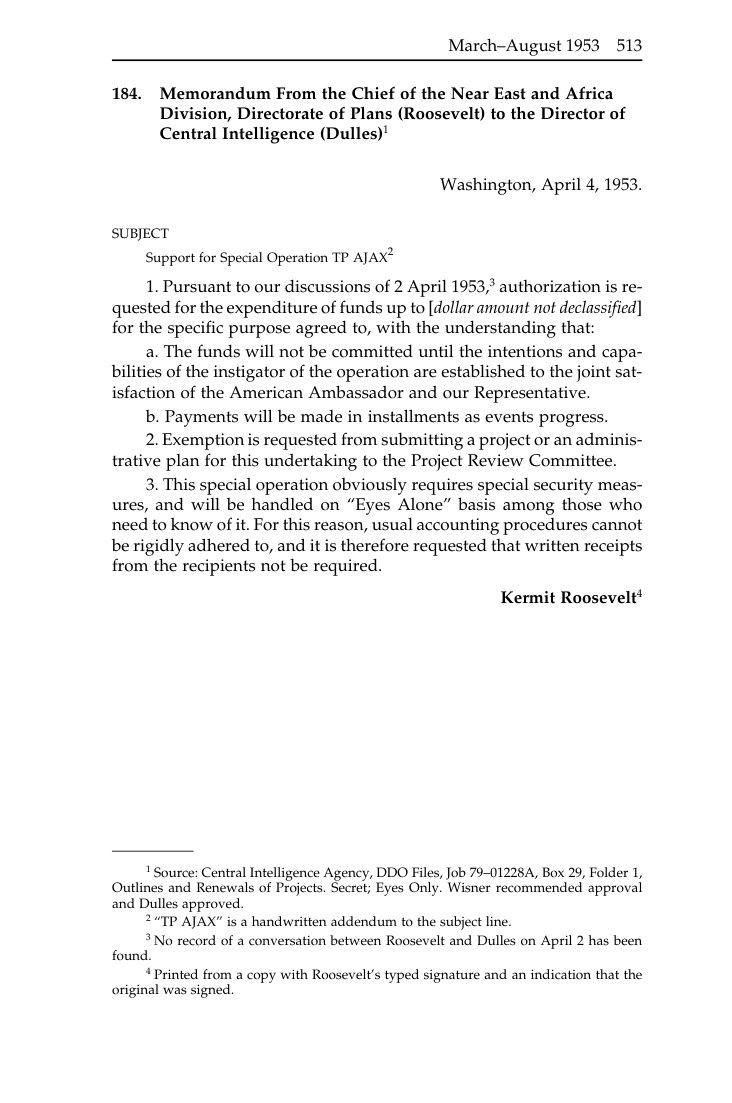
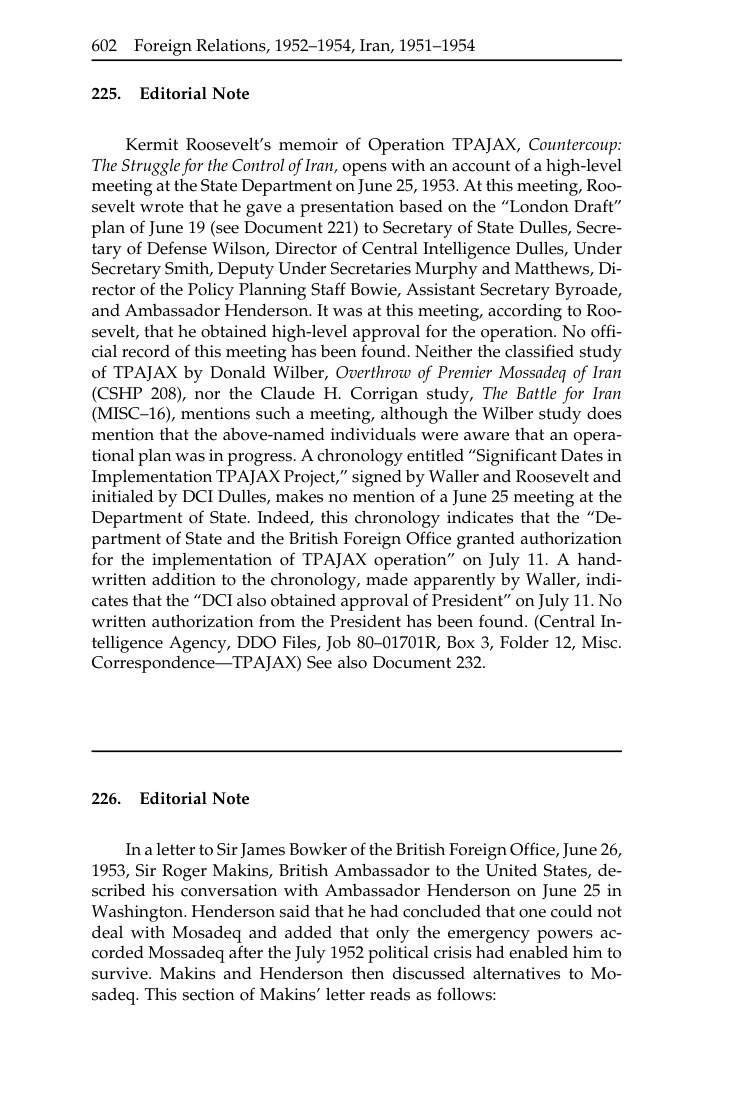
Calling Mossadegh an elected leader describes his parliamentary foundation, but he did not win a direct nationwide presidential election. Iran was a constitutional monarchy. The Majlis and the Shah both had roles in choosing governments, and the boundary between royal power and parliamentary authority was contested. Mossadegh’s movement sought to make the monarchy less interventionist. The Shah, Mohammad Reza Pahlavi, feared losing control over the armed forces and his political position. The conflict was therefore present before American officials approved TPAJAX.
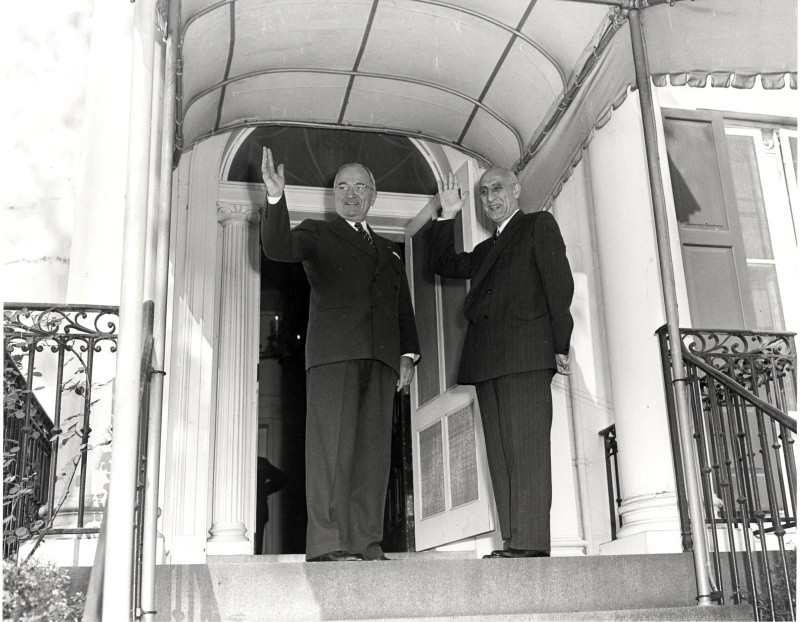
Britain resisted nationalization and applied economic pressure. The loss of oil sales and revenues burdened the Iranian government; negotiations repeatedly failed over compensation, control and the practical operation of the industry. Truman’s administration tried mediation rather than immediately accepting a joint removal project. The 1951 visit to Washington belongs to that history of negotiation. It makes the later alliance against Mossadegh a policy development that requires explanation, rather than a plan that can simply be projected backward.
Inside Iran the National Front was a coalition, not a disciplined governing machine. Disputes over emergency powers, the armed forces and political appointments weakened alliances. The July 1952 confrontation briefly displaced Mossadegh, then mass protests returned him to office. Former allies, including Ayatollah Abolqasem Kashani, subsequently turned against him. These divisions gave foreign planners opportunities, but the divisions had political content of their own. Iranian actors pursued authority, religion, class interests, constitutional convictions and personal rivalries; the presence of foreign interference does not make those commitments unreal.