Chapter 01 / 1956–January 1958
A regional dispute becomes an international opportunity
Indonesia's rebellion did not begin with an American aircraft. By late 1956, regional army commanders were challenging the central government's authority. Export-producing areas outside Java resented the distribution of revenues, shortages of development funds and the concentration of political power in Jakarta. Territorial commanders already controlled resources and trade channels of their own. Civilian opponents of President Sukarno's political direction joined some of them. These grievances gave an external sponsor an opening; they were not grievances the sponsor had to invent.
The movements were related without being identical. Permesta, proclaimed in eastern Indonesia in March 1957, developed around demands for reform and regional autonomy. Its strongest surviving base lay in North Sulawesi. In Sumatra, military councils and civilian politicians moved toward a rival national government. Their eventual alliance brought Muslim and Christian constituencies, regional officers and former national ministers into the same opposition. Neither a single separatist intention nor a single American command explains that coalition. Its members differed over how far to challenge Jakarta and whether a negotiated political settlement remained possible.
For the Eisenhower administration, the growing Indonesian Communist Party, or PKI, gave these disputes strategic urgency. Sukarno's proposed Guided Democracy, the party's electoral gains and the dispute with the Netherlands over West New Guinea appeared to American officials as parts of a dangerous trend. Their language often compressed nonalignment, nationalist policies and Communist influence into the same threat. Yet the January 1958 policy record itself notes that the cabinet contained no open Communist Party representation. A Communist government was an anticipated danger, rather than the government against which Washington was actually acting.
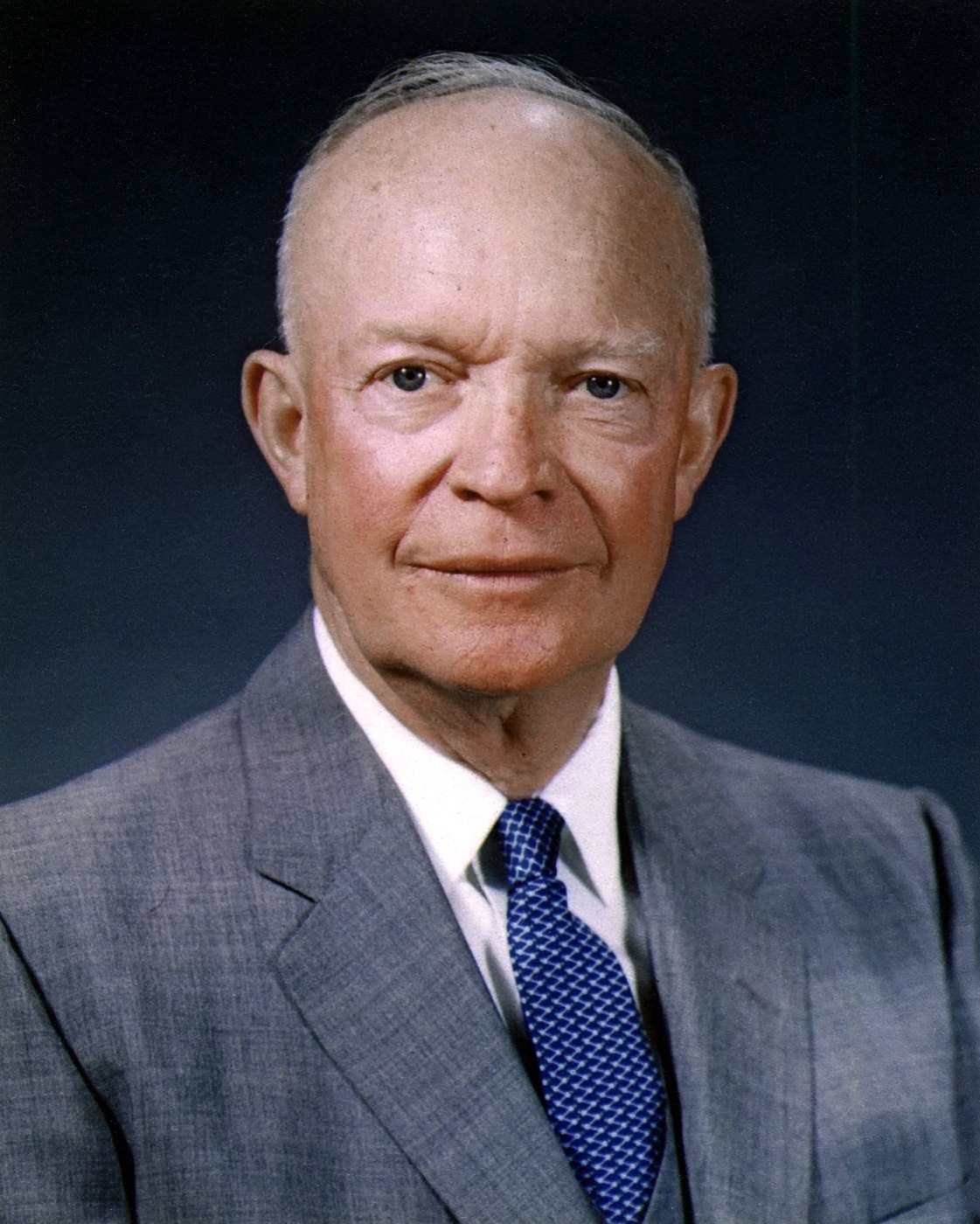
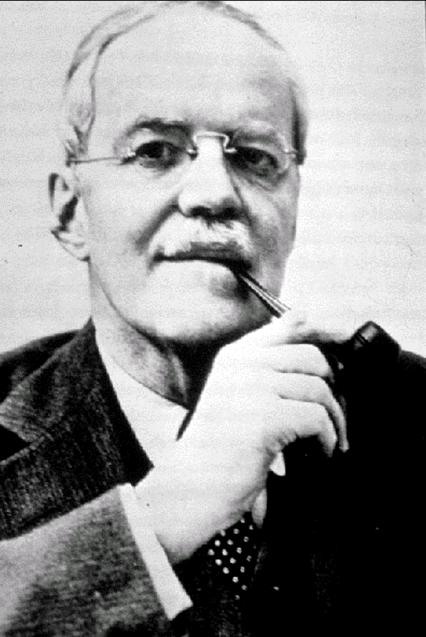
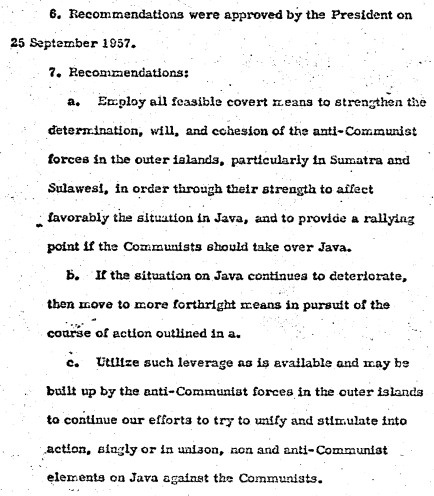
A special committee's 1957 recommendations proposed covertly strengthening anti-Communist forces in the outer islands while maintaining normal diplomatic relations with Indonesia. Walter Robertson's 2 January 1958 briefing summarized this policy and its disagreements. Ambassador John Allison favored working through non-Communist figures in the existing government and taking Indonesian claims over West Irian more seriously. At the meeting that followed, Secretary of State John Foster Dulles rejected a deal with Sukarno's government and favored building a position of strength outside Java. The split was consequential: Washington chose leverage through dissidents before it possessed evidence that those dissidents could replace the national government.