Chapter 01 / 1969–1980
A claim of county sovereignty reaches a federal tax court
The Posse Comitatus milieu offered a sweeping answer to rural grievances: legitimate authority supposedly stopped at the county boundary, with federal taxation and much government beyond it treated as usurpation. The movement was decentralized, with racist and antisemitic Christian Identity currents among its organizers. That ideological setting helps explain Gordon Kahl’s opposition to federal power. It does not establish that every acquaintance shared every doctrine or participated in a national command structure directing the later shootings.
Historians trace overlapping organizational claims to Henry “Mike” Beach and William Potter Gale. Eckard Toy’s account identifies Beach’s 1969 Citizen’s Law Enforcement Research Committee and later charter distribution, while emphasizing borrowed words and ideas from Gale. The disputed founder label matters less than that documented circulation. These private claims of authority were not powers granted by the similarly named federal Posse Comitatus Act. Nor did an asserted county constitution suspend ordinary criminal law.
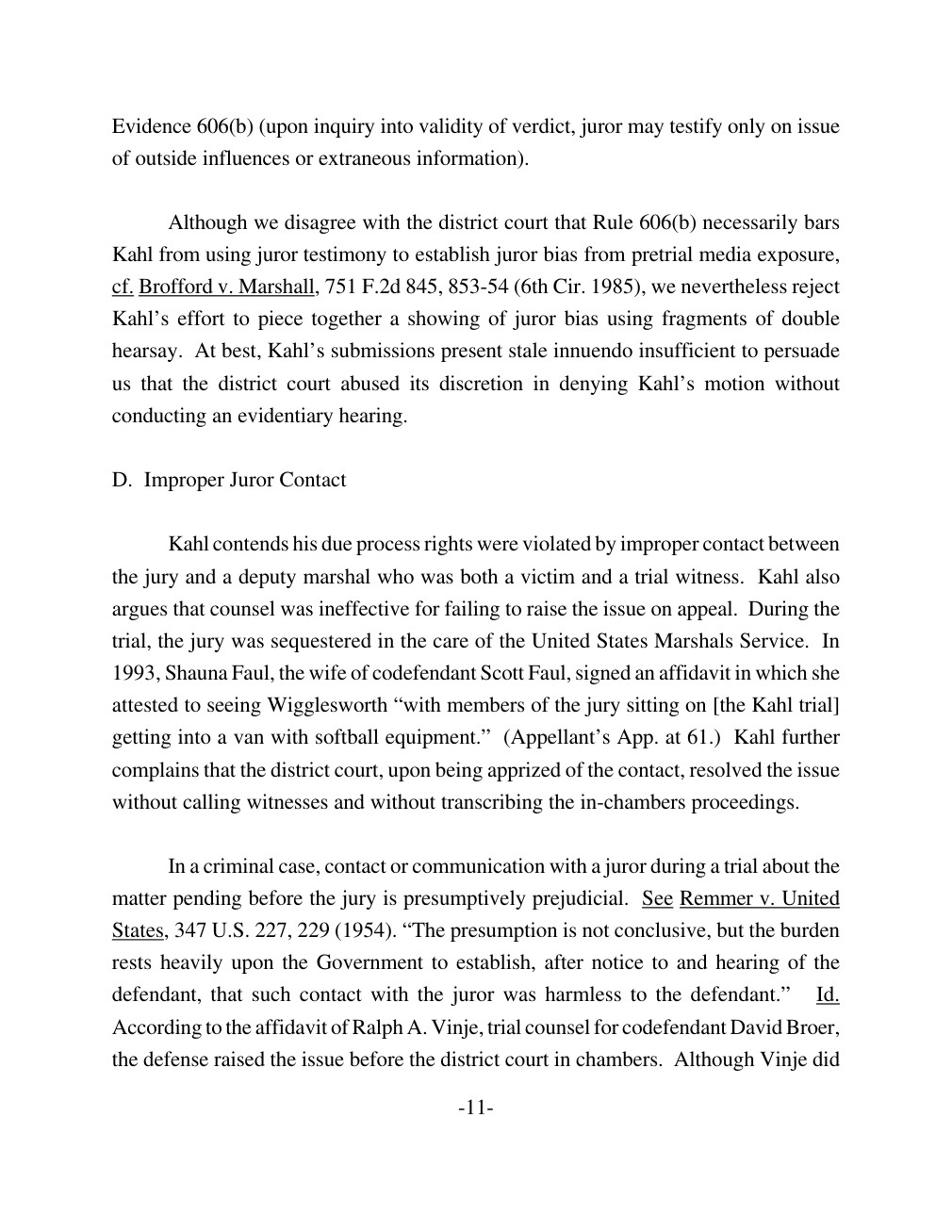
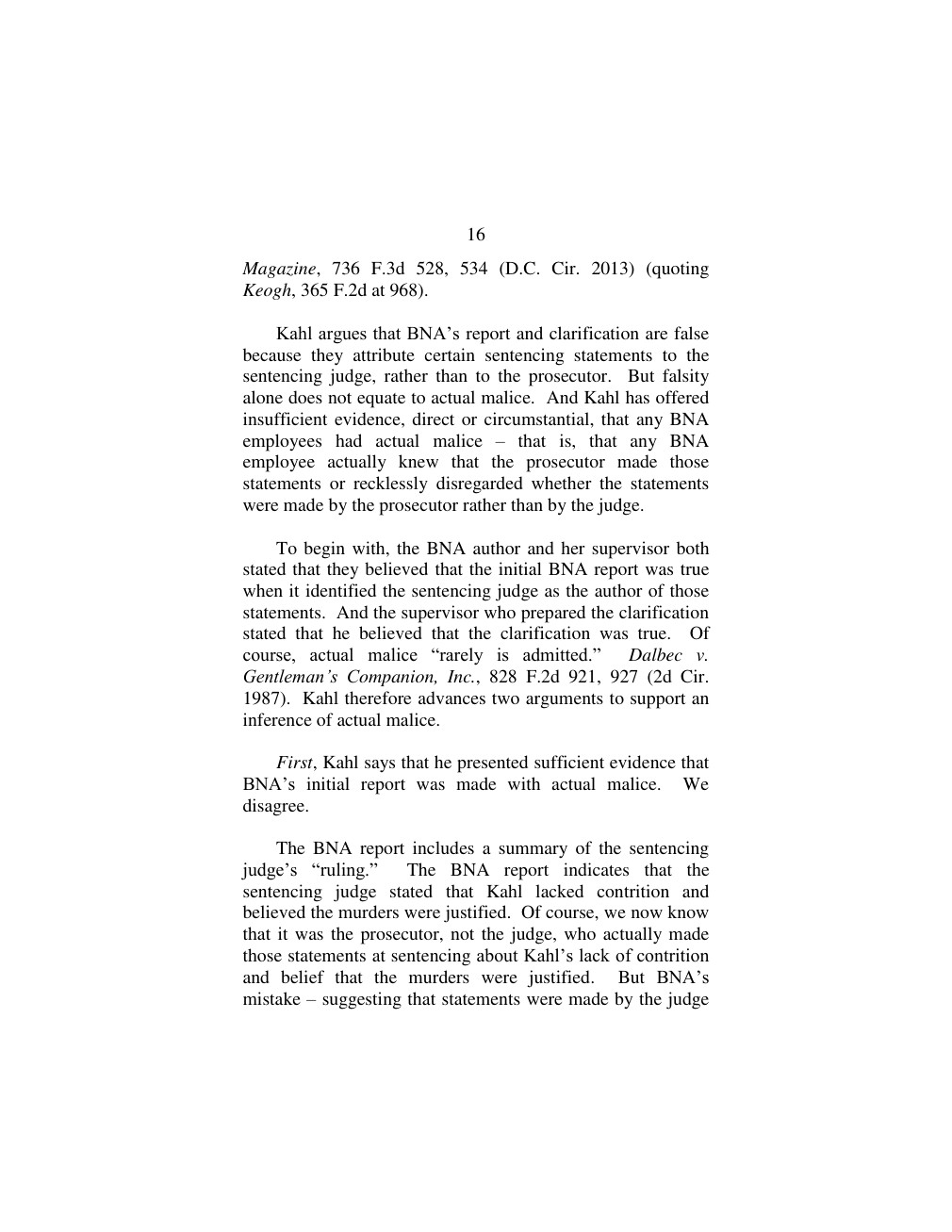
Kahl’s concrete legal trouble began with failure to file federal income-tax returns for 1973 and 1974. Convicted on two counts in 1977, he received a two-year sentence and a fine, with one year and payment of the fine suspended and five years of probation. The Fifth Circuit affirmed in November 1978. “Tax evasion,” often used loosely in later accounts, obscures the actual failure-to-file offenses and their distinct elements.
The political-prosecution objection had a real evidentiary basis. The government stipulated that selective enforcement favored flagrant violations or notorious protesters because publicity could deter others. The court nevertheless rejected unconstitutional selective prosecution: testimony identified prosecutions of nonprotesters, and Kahl had not shown similarly situated people generally escaped prosecution. The same opinion acknowledged a procedural defect in his original tax-case arrest warrant but held the objection waived. That earlier warrant is not interchangeable with the later probation warrant.
By July 1980, according to the later Medina appeal, Kahl refused a summons to answer a probation-violation charge. A warrant was issued, and attempts to arrest him were unsuccessful. That sequence connects an argument about government legitimacy to a particular arrest attempt. It supplies a legal history, while leaving room to examine the authorities’ choices about how, when and where to enforce the warrant.