Chapter 01 / 1959–1960
Overthrow became more than one kind of operation
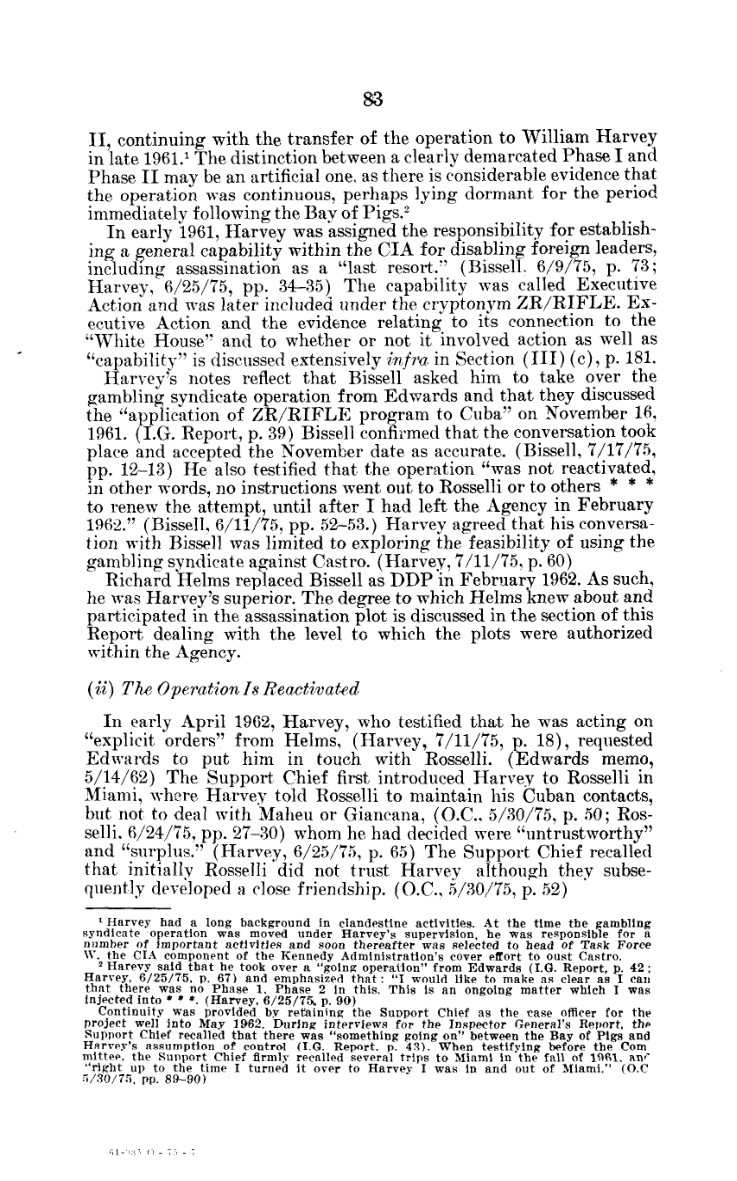
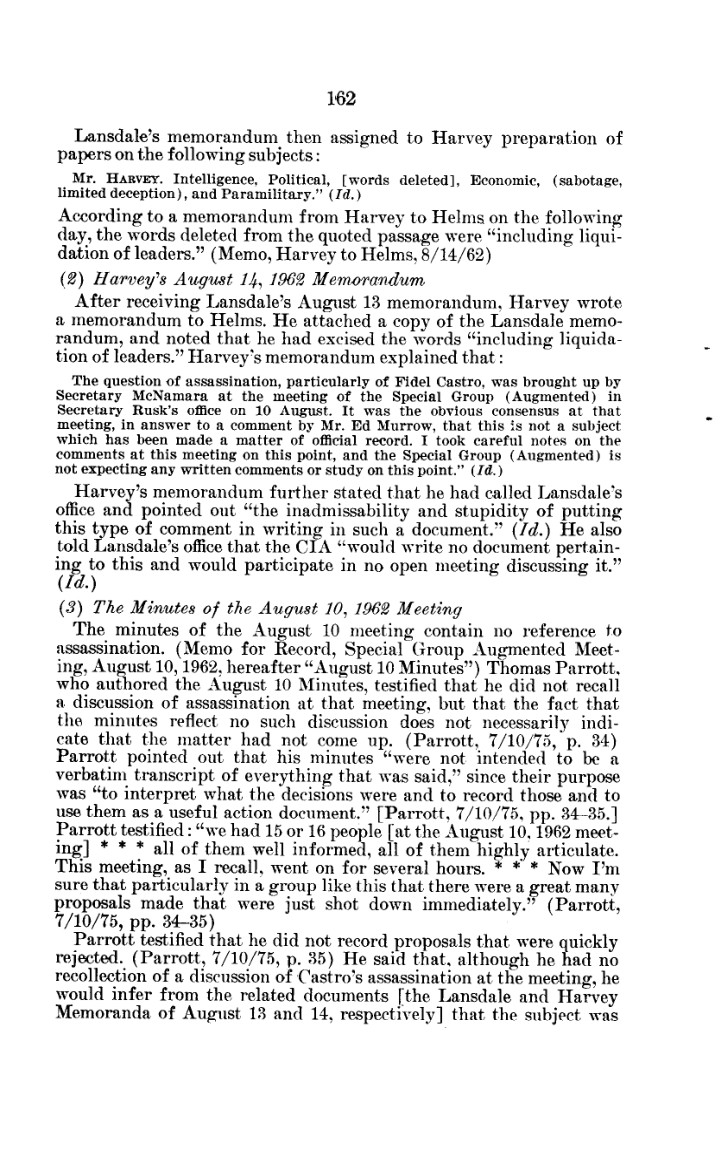
Fidel Castro’s government became a target of American covert action before John Kennedy entered the White House. The policy of removing the regime created a setting for lethal planning, but political overthrow and the deliberate killing of a particular leader were different decisions. In December 1959, CIA Western Hemisphere chief J. C. King recommended considering Castro’s elimination. Allen Dulles approved the recommendations with Richard Bissell’s concurrence. The meaning of that language remained disputed when the document reached Senate investigators late in 1975.
The early schemes were not all assassination attempts. During 1960, CIA technical personnel considered ways to discredit Castro by disrupting his public appearances or changing his appearance. Some preparations occurred; other ideas were discarded. Treating every proposed humiliation as an attempted murder would obscure the moment when officials sought actual death. Conversely, the existence of fanciful proposals does not reduce the later lethal operations to jokes or idle conversation.
A separate episode concerned Raúl Castro. In July 1960, headquarters asked whether a Cuban contact could arrange a fatal accident. A case officer conveyed the proposal before a countermand arrived. The contact later reported that no opportunity had arisen. This episode establishes a serious proposal and a field approach, alongside a withdrawal and an unsuccessful outcome. Raúl was a distinct target; his case cannot simply be counted as another attack on Fidel.
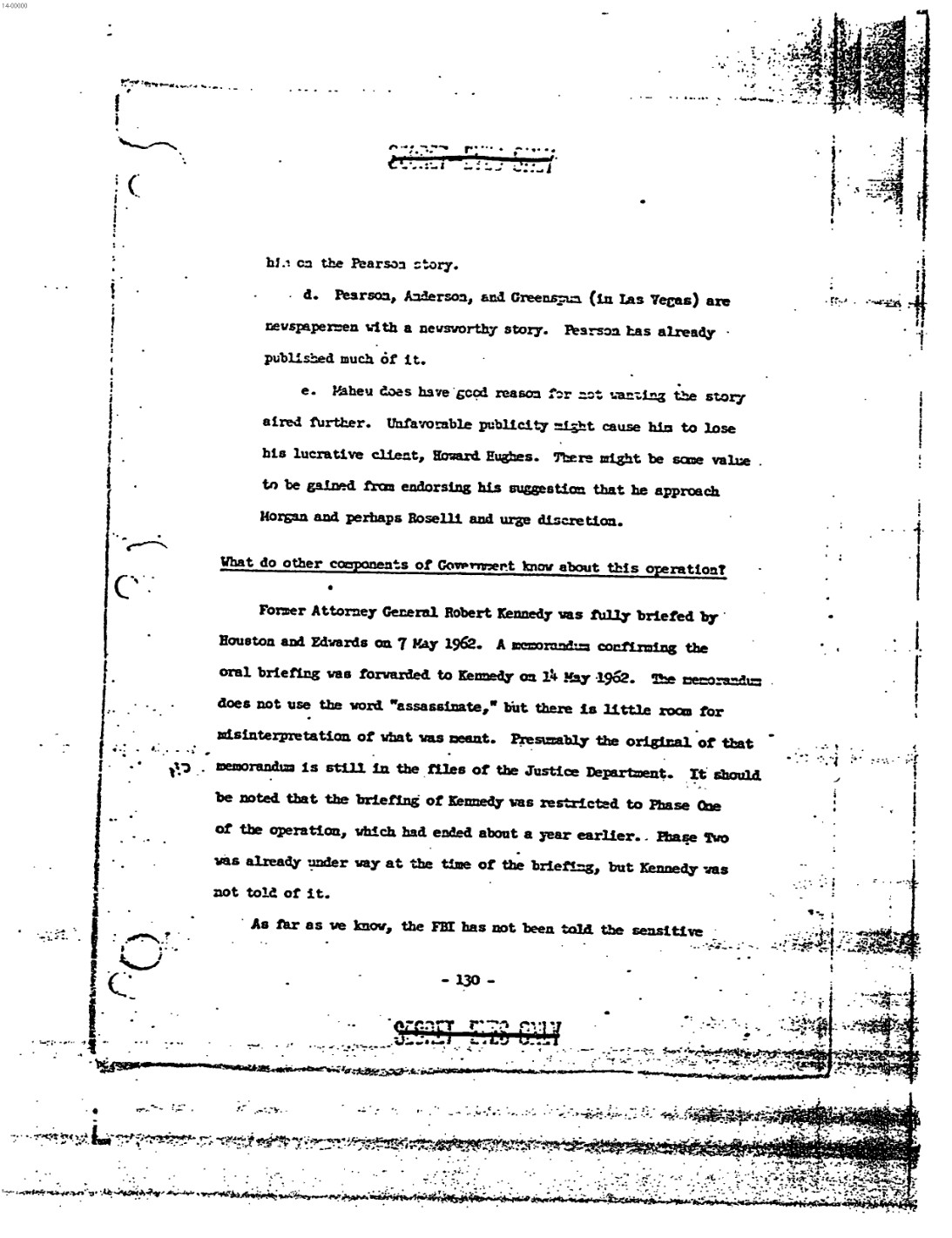
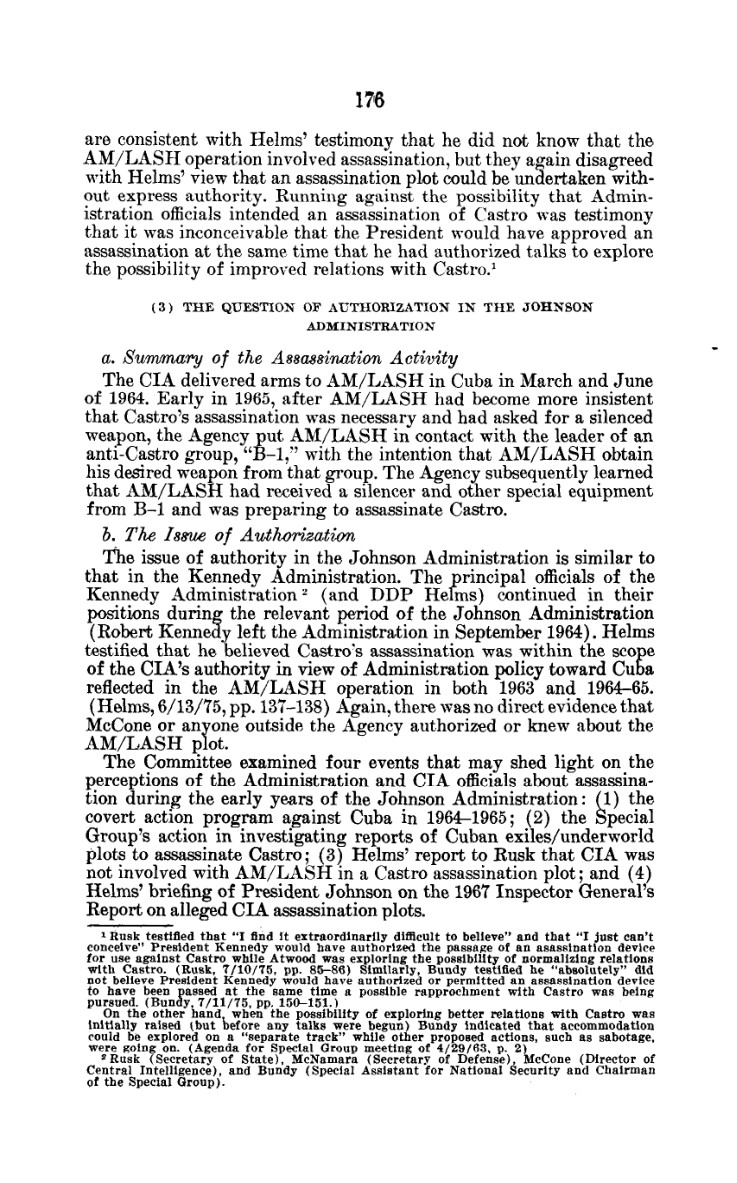
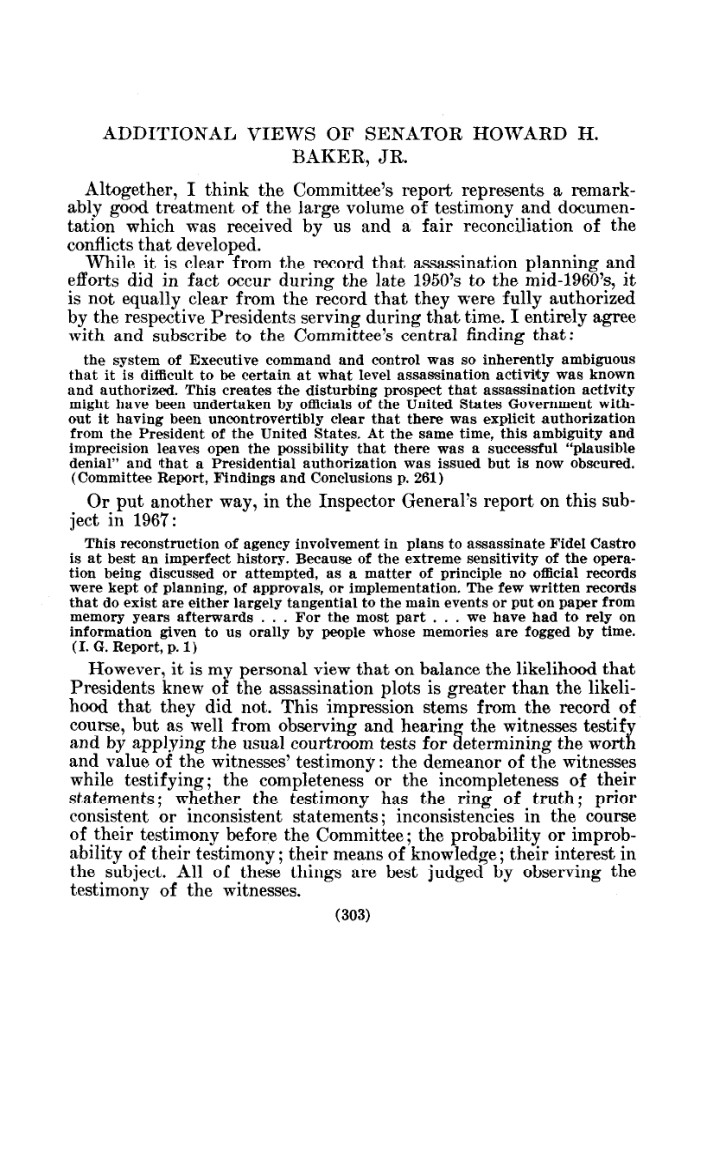
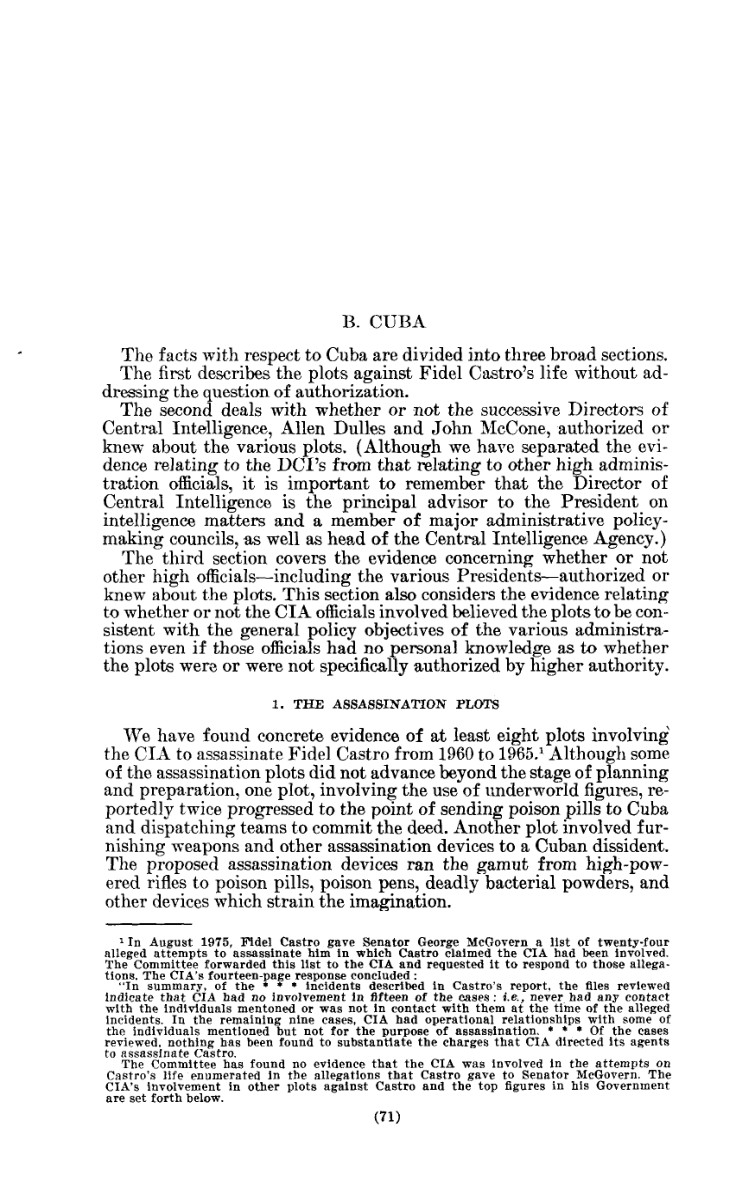
By August 1960, Bissell, the CIA’s Deputy Director for Plans, and security director Sheffield Edwards were discussing finding someone who could kill Fidel Castro. The agency turned to private investigator Robert Maheu and then to underworld contacts. These were decisions by identifiable officials within the institution. In 1975 the Senate found concrete evidence of at least eight CIA-involved plots from 1960 through 1965, while emphasizing that several never passed preparation. That minimum did not mean eight completed attacks, nor did it settle every later Cuban allegation. The consequential question was how far each line of plotting actually progressed and whose authority carried it there.